
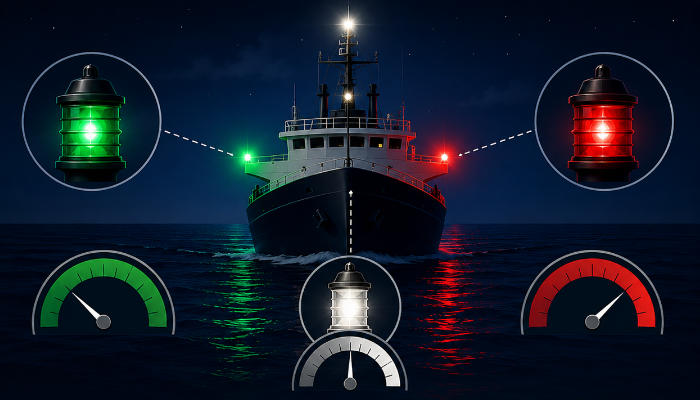
How to Test the Quality of Navigation Lights
Navigation lights are essential safety equipment for any vessel; they help a ship figure out its position, direction, and what it’s doing while things are dark out there, or when visibility is bad. A good set…
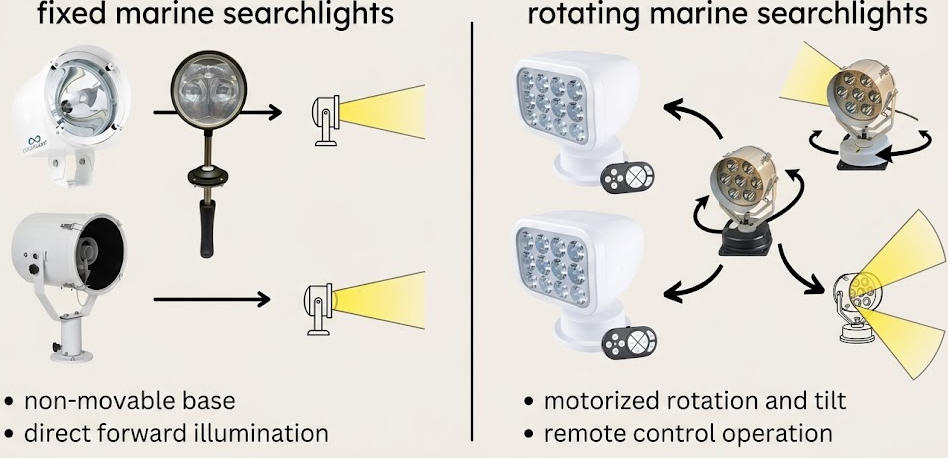
Fixed vs Rotating Marine Searchlights: 7 Key Differences
Marine searchlights are lighting units used for boats and other sea work. They are placed on ships, offshore platforms, coast guard boats, and similar sites. Their goal is to improve visibility during nighttime navigation, search and rescue…
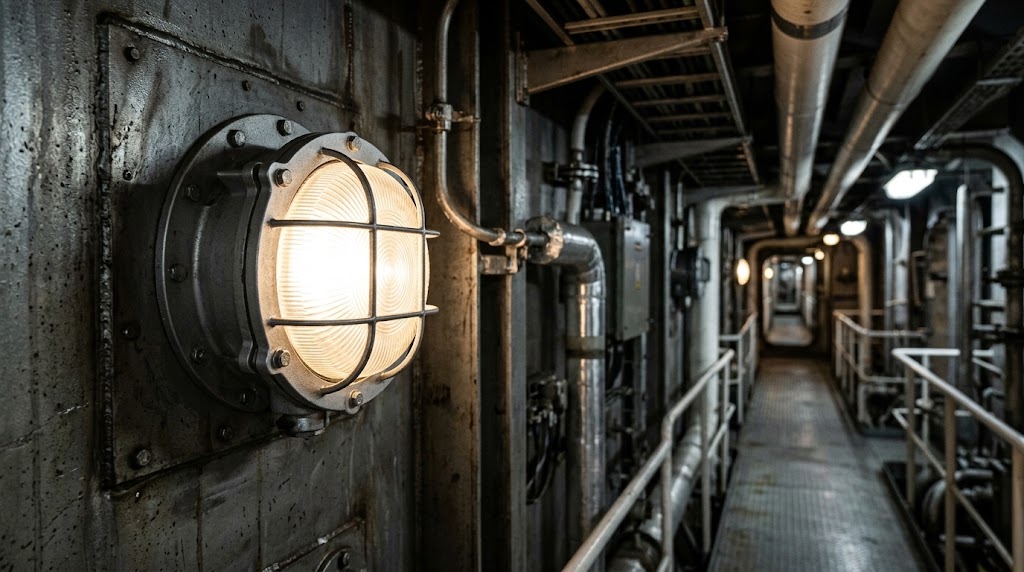
Marine Lighting Replacement: How to Verify Electrical Compatibility
Replacing a damaged or outdated marine light may appear to be a simple maintenance task. However, a replacement fixture should not be selected based only on its appearance, mounting dimensions, or wattage. The most important question…
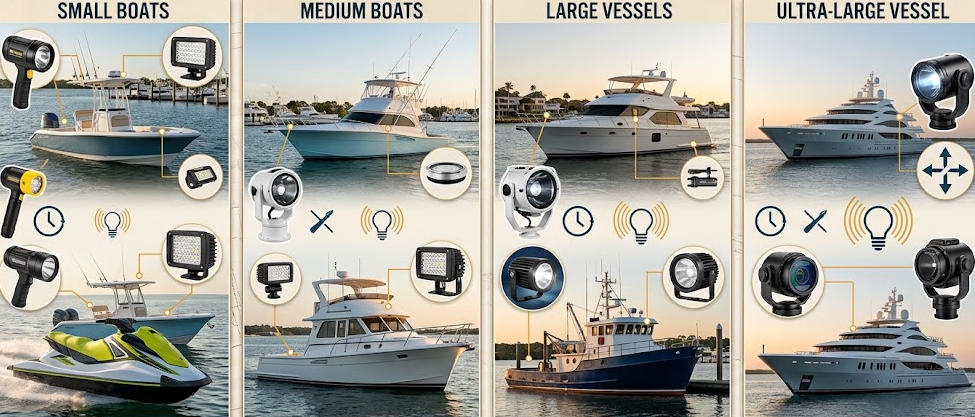
How to Choose Marine Spotlights Based on Vessel Size
Marine spotlights help ships see clearly at night. They support safe travel, docking, anchoring, search work, and other tasks at sea. Even so, choosing a spotlight is not just about getting the brightest light. The vessel size,…
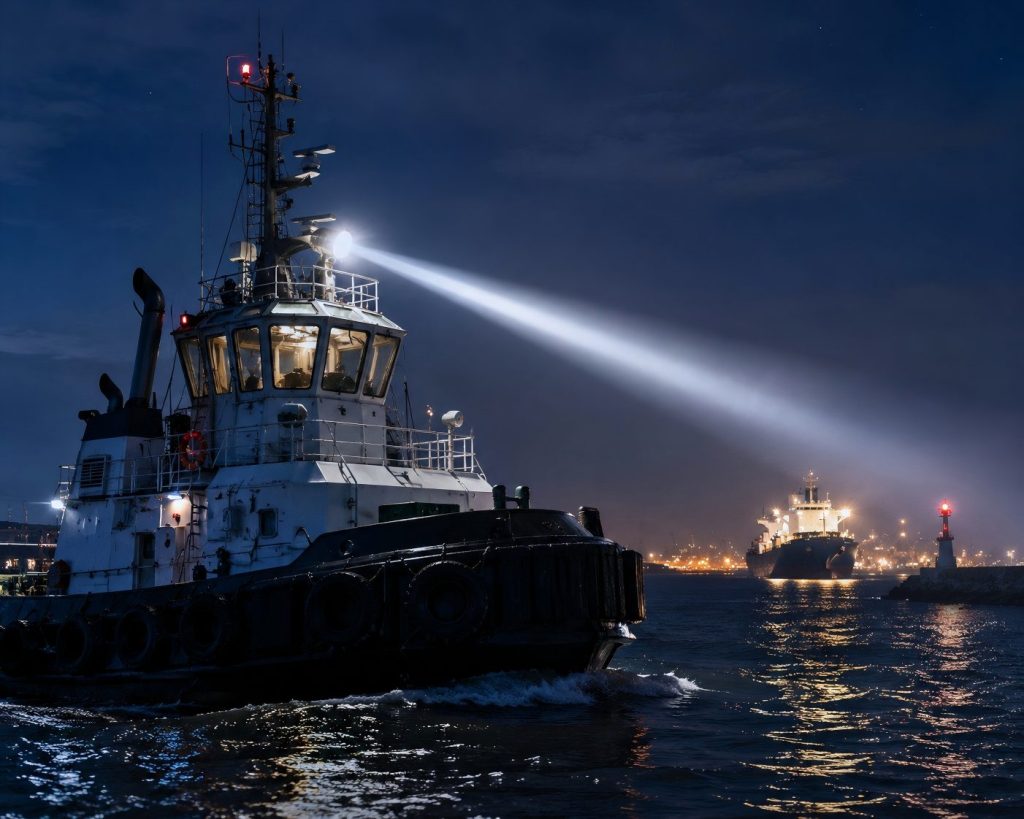
LED Marine Searchlights for Tugboats: What Should Operators Consider?
For the case of a tugboat, selection of the LED searchlight based on the wattage of the light or the distance that its beam is supposed to reach could be misleading. More critical would be the…
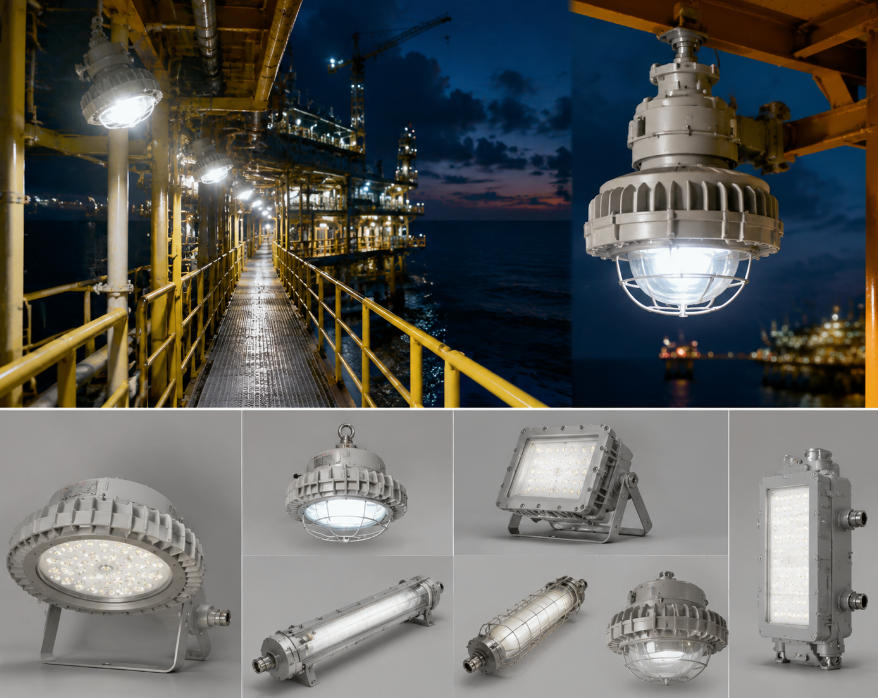
How to Choose Explosion-proof Lights for Hazardous Areas
In industries where flammable gases, combustible dust, or explosive vapors can be present, lighting systems have to keep working with dependable brightness while also preventing ignition. Explosion-proof lights are designed to operate safely in hazardous environments by…
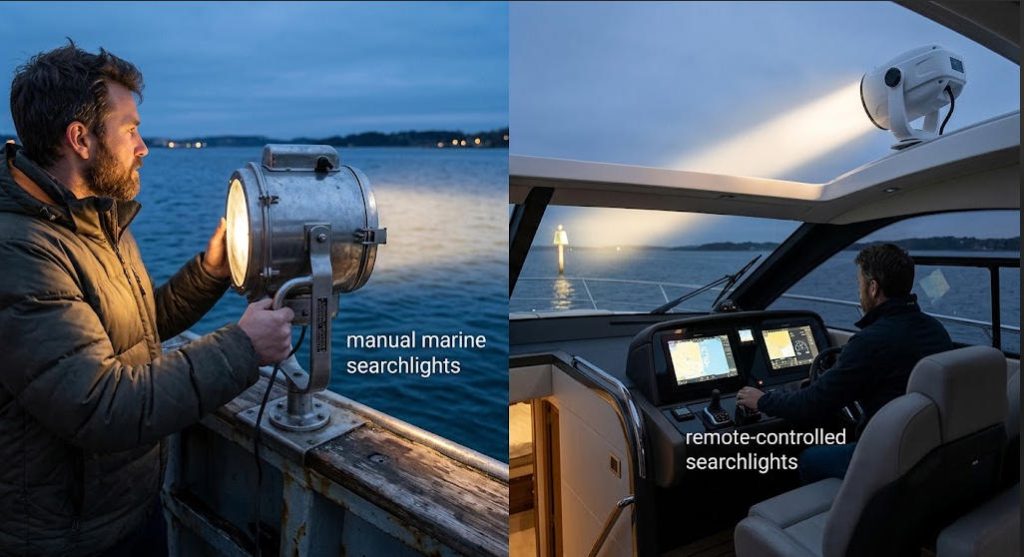
Remote-Controlled vs. Manual Marine Searchlights: How to Make a Choice
Marine searchlights are lighting equipment installed on ships, boats, offshore platforms, and rescue craft. They help improve visibility during nighttime navigation, emergency work, and offshore tasks. With advances in marine technology, operators now have two common choices of marine…
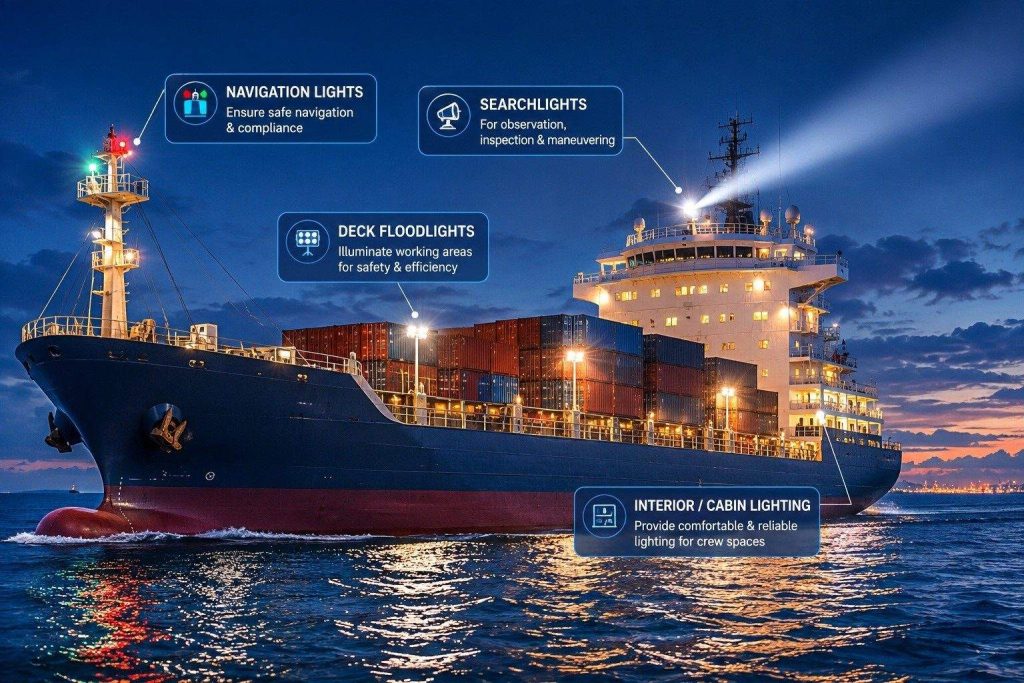
How to Plan Marine Lighting Procurement for a New Vessel
Planning marine lighting for a new vessel involves more than choosing individual lamps. The lighting package needs to match the vessel type, operating environment, installation locations, technical specifications, and applicable project requirements. For shipyards, shipowners, marine…
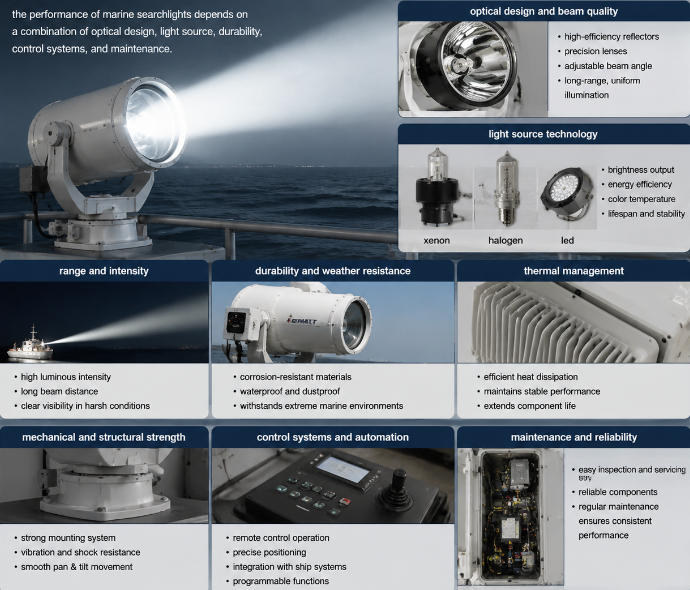
What Determines the Performance of Marine Searchlights
The performance of a marine searchlight determines how effectively it can support vessel operations. Factors such as illumination distance, beam quality, the efficiency of the light source, how well it holds up against weather and salt,…
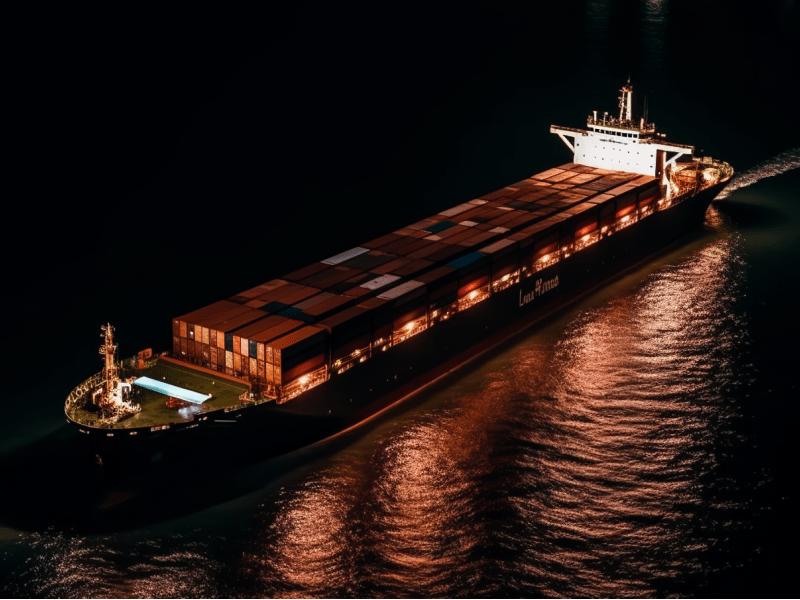
Which Ships Need Duplex Navigation Lights?
While smaller vessels typically rely on a single navigation light for each required position, many larger commercial ships are subject to stricter redundancy requirements. International regulations now require certain vessels to install duplex navigation lights, ensuring…
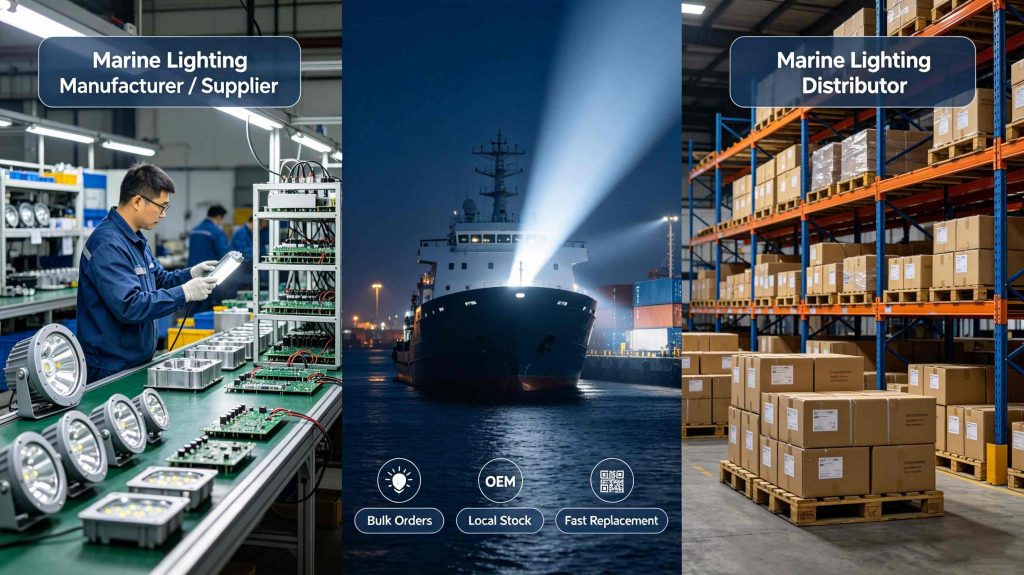
Marine Lighting Supplier vs Distributor: Which Is Right for Your Project?
When sourcing marine lighting, the right purchasing channel depends on your order volume, project requirements, delivery time, customization needs, and certification requirements. A distributor may be more suitable when you need a small quantity quickly. A…
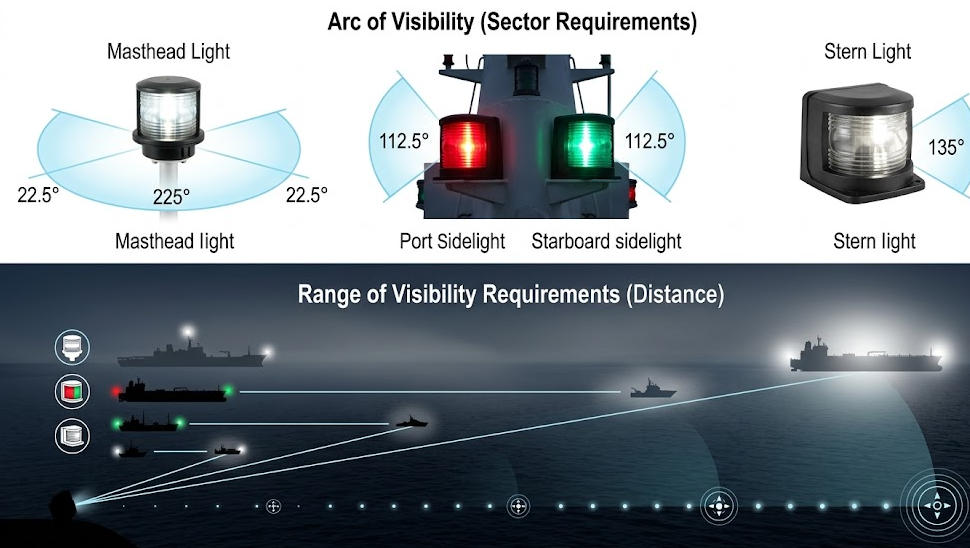
What Determines the Required Navigation Light Visibility Range
Navigation lights are really key safety equipment for marine vessels; they sort of communicate with others where the ship is, which way it’s moving and what it’s doing operationally, mainly when it’s dark out or visibility…
