IP66 vs IP67 waterproof switch socket
| |

IP66 vs IP67 Waterproof Switch Socket: Which Is Better for Marine Use?

When selecting a water-resistant switch socket to use in marine applications A lot of buyers think that an IP rating higher implies greater security. In the end, IP67 products are frequently thought of as superior over IP66 models. But in actual marine conditions, the answer is not always as easy. Shipbuilders, maritime contractors distributors, and…

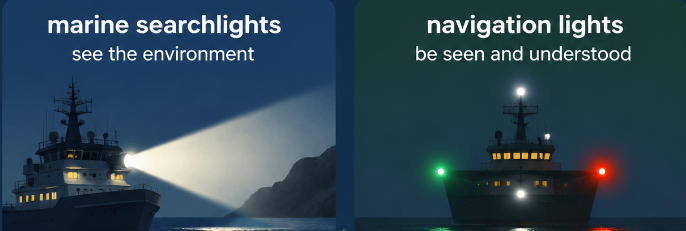
Marine searchlights
| |

Marine Searchlights: Standards and Regulation Compliance

Marine searchlights are widely applied for making sure safety, navigation and efficiency at sea. Their performance, reliability and durability are essential, not only when everything is normal for day-to-day maritime operations but also when it turns into an emergency. But if you want those traits to be real, marine searchlights need to follow established standards and rules. That compliance is what…

Automatic Tracking in Marine Searchlights
| |

Automatic Tracking in Marine Searchlights for Rescue Tasks

Automatic tracking technology has become a kind of big deal in modern marine searchlights, especially when rescue operations happen out at sea and in rough offshore situations. Be it responding to man-overboard calls, coordinating night time search missions, or helping vessels when visibility is really bad, automatic tracking abilities noticeably boost how efficiently, accurately, and safely maritime…

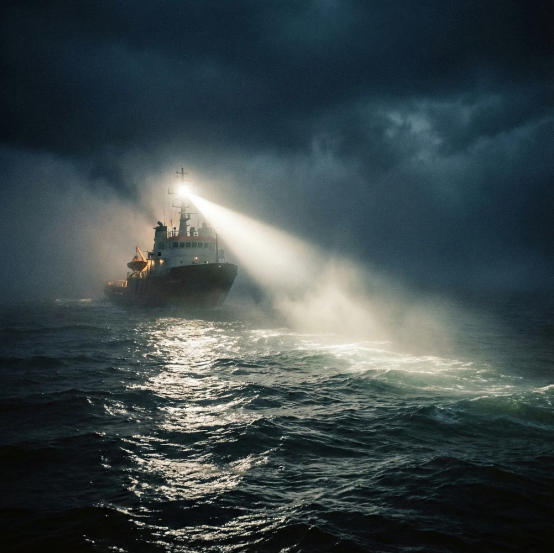
marine searchlight operating under harsh offshore salt spray and vibration conditions
|

How Marine Searchlights Are Tested for Waterproof Reliability

When applied in marine engineering, marine searchlight needs to withstand various kinds of stress for a long time, such as salt spray corrosion, high humidity, sudden temperature change, and mechanical vibration. As a result, the water resistance of marine searchlight cannot be assessed by simply using one kind of “protection level” but should use an…

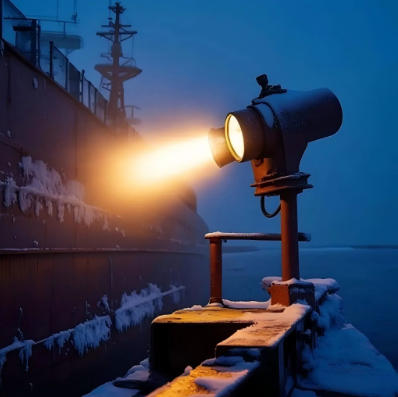
Marine Searchlights Under Freezing Conditions
|

Weatherproof Design in Marine Searchlights

Marine searchlights serve their purpose in extreme locations which experience saltwater exposure, high humidity levels, heavy rainfall, strong winds and extreme temperature changes. The sea requires weatherproof design which maintains operational reliability and extends its operational life while providing security for marine search lights. This article discusses the main design principles, materials, technologies and trends in weatherproof design for marine search lights….

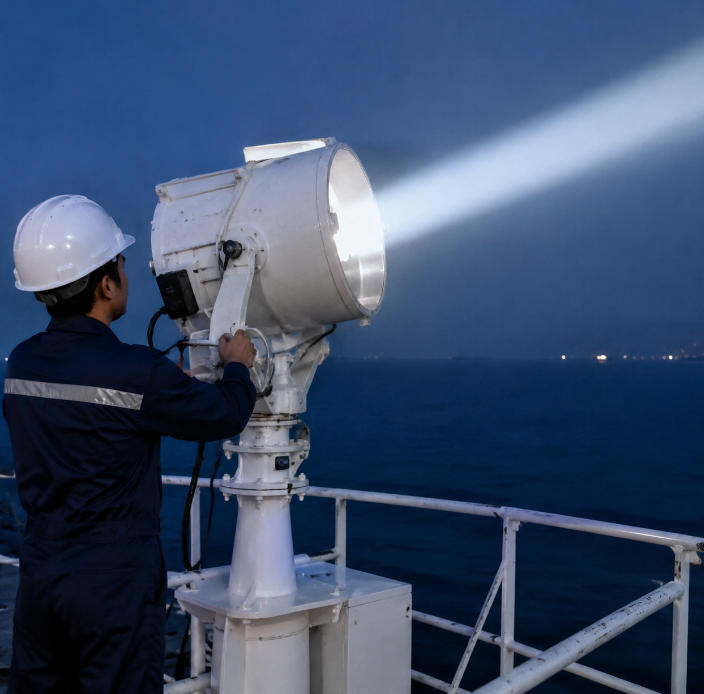
marine searchlight for night navigation
|

Night Vision Compatibility in Marine Searchlights

Marine operations require proper lighting solutions which enable operations during periods of darkness and fog and low-visibility conditions. The use of bright white lights causes crew members to lose their ability to see in darkness and it interferes with their night vision equipment. Night vision compatibility has emerged as an essential requirement for marine searchlights which…

Marine Searchlight Signal: Radar, Radio, and Satellite Communication Systems
|

How Does A Marine Searchlight Signal Work?

Modern maritime communication systems depend on radio and satellite communications as their primary technology. Ships use traditional searchlight signals for communication in environments where radio transmissions are blocked and their equipment is not working and they must keep silent. The communication method which uses bright light flashes to send messages has existed for more than…

LED vs. Xenon Marine Searchlights: Choosing the Right Solution for Your Vessels
|

LED vs. Xenon Marine Searchlights: Choosing the Right Solution for Your Vessels

Your choice in searchlights can make a big difference when in coastal waters, carrying out an offshore task, or modifying a pleasure craft as far as safety, visibility, and overall performance is concerned. Of the two major technologies used in marine searchlights today are LED (Light-Emitting Diode) and Xenon. While these two have proved reliable over…

End of content

End of content