
Automatic Tracking in Marine Searchlights for Rescue Tasks
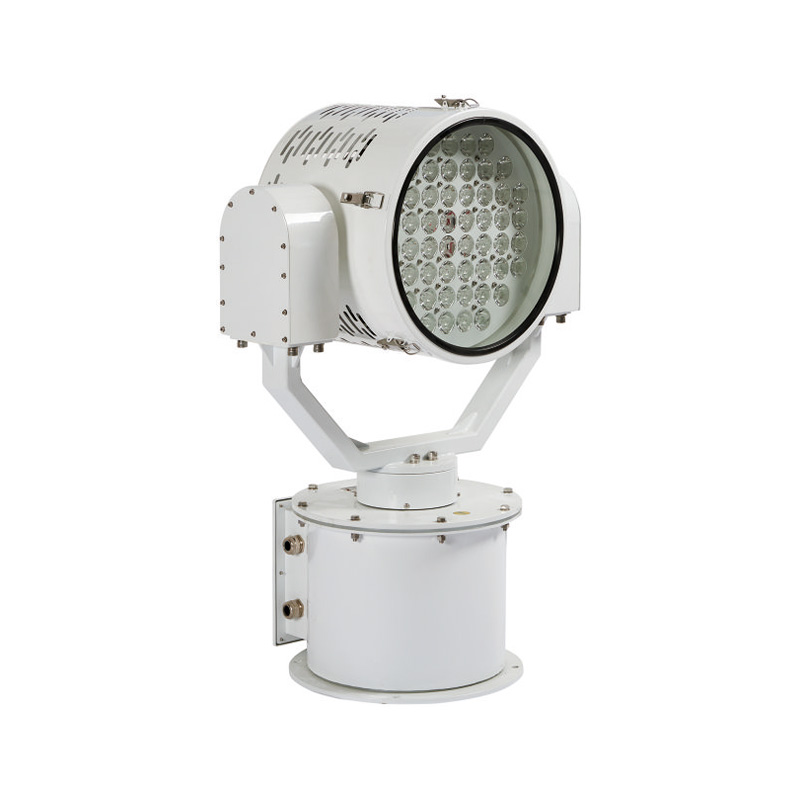
Automatic tracking technology has become a kind of big deal in modern marine searchlights, especially when rescue operations happen out at sea and in rough offshore situations. Be it responding to man-overboard calls, coordinating night time search missions, or helping vessels when visibility is really bad, automatic tracking abilities noticeably boost how efficiently, accurately, and safely maritime rescue work gets done. And since marine navigation and rescue systems keep moving forward, these smarter searchlight setups are now often blended with sensors, cameras , radar and automation techniques, so emergency response can be faster and more dependable.
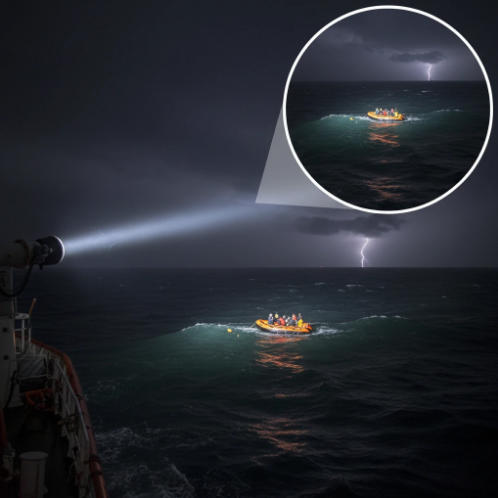
Table of Contents
Understanding Automatic Tracking in Marine Searchlights
Automatic tracking in marine searchlights means the searchlight system can figure out, follow, and keep shining on a moving target by itself, without someone constantly steering it by hand. Different from the usual manually operated searchlights, automatic tracking setups rely on a mix of thermal imaging, radar direction, AI-style object recognition, infrared sensors, and servo motors that adjust position smoothly, all to keep the beam locked.
The ”targets” can be several things: a person in the water, a small rescue boat, drifting debris, or even another nearby vessel. The tracking system keeps watching how the target moves and then changes the searchlight direction in real time, so the illumination stays steady even when the sea is choppy or conditions are unstable.
Why Automatic Tracking is Important for Rescue Operations
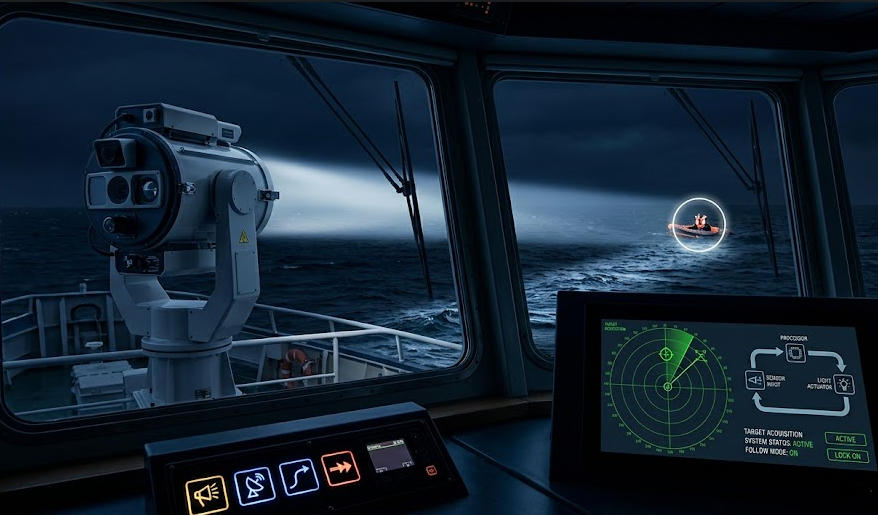
Marine rescue missions usually happen in very tough settings, including darkness fog, heavy rain strong waves, and limited visibility. In these moments, trying to steer a searchlight by hand can become stressful, and also time-consuming. Automatic tracking systems can reduce the workload on crew members while making the operation more precise, steadily.
One of the main benefits is continuous following, for moving targets. A person overboard can drift quickly because of waves and currents, so manual shining becomes awkward, and hard to keep on them. With automatic tracking the rescuers can maintain direct sightlines, which raises the odds of a successful recovery.
There is also the question of fewer human mistakes. Rescue staff can focus on route planning, talking with others, and the actual retrieval steps, while the intelligent spotlight keeps the target illuminated with minimal intervention.
Key Technologies Used in Automatic Tracking Marine Searchlights
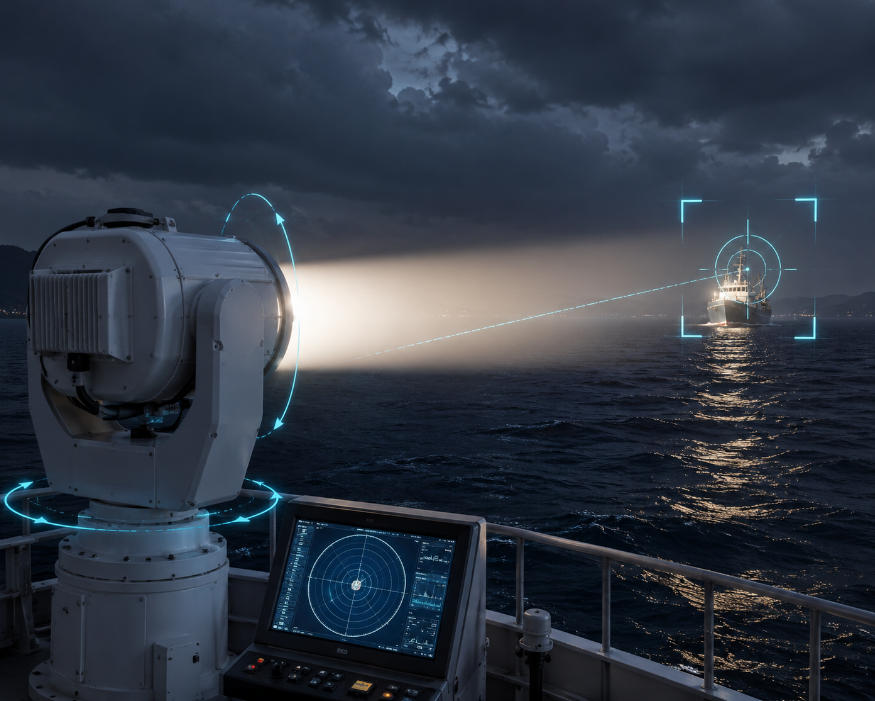
The performance of automatic tracking systems in marine searchlights relies on a mixed set of advanced technologies, that all work together in a way that feels continuous, precise, and stable, even when conditions are harsh. In those environments, where salt air, wind and weather can be rough, the system still keeps the target in view and keeps tracking.
1. Thermal Imaging Technology
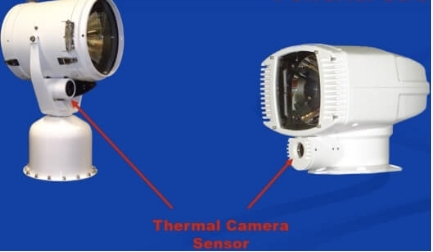
Thermal imaging is one of the key technologies behind automatic tracking for marine searchlights. Thermal cameras detect infrared radiation given off by objects, so the system can recognize heat signatures from people, vessels or onboard gear even when there is no usable light at all.
Compared with visible-light cameras, thermal imaging continues to work in low light settings, including fog, smoke, rain and sea mist. Because of that, it fits maritime rescue tasks where sightlines are often poor. After the thermal sensor spots a target, the automatic tracking system then keeps re-aiming the searchlight direction, so the illumination stays locked on the moving object.
Thermal imaging tech really helps speed up search and rescue work, because operators can find survivors rapidly, and then keep visual contact through the whole recovery phase. it makes a big difference when the light is poor, or when the surroundings are confusing, so the response team can work with more confidence.
2. Radar Integration Systems
Radar assisted tracking lets the marine searchlight work alongside the ship’s radar. the radar scans for nearby objects and sends position details to the searchlight control unit. after that, the automatic tracking routine turns the searchlight toward the detected target and keeps following it as it moves, even if the situation changes.
This kind of radar integration is especially valuable for long distance detection and vessel tracking. it helps the searchlights notice objects beyond normal visual range, and it also supports steady tracking during night periods or in adverse weather.
With modern setups, radar information is often blended with optical and thermal sensors, which improves target recognition precision, and lowers false tracking that can happen from waves, or from floating debris.
3. Electro-Optical Camera Systems
Electro-optical cameras really play a key role in visual target tracking, you know. In practice these systems usually blend high-definition daylight cameras and infrared imaging sensors so you get visible observation plus thermal viewing, at the same time.
Then, advanced image processing software reviews the video feed continuously and ends up pinpointing target movement automatically, or at least it flags changes that matter. After a target is picked, the system keeps following it and steers the searchlight accordingly, even when the scene gets tricky.
Electro-optical systems also give operators real-time visual monitoring, while still supporting automatic target locking and tracking functions too. With high resolution imaging, object identification gets sharper, and situational awareness during rescue operations improves noticeably.
4. Artificial Intelligence and Image Recognition
Artificial intelligence has become more and more important in modern automatic tracking of marine searchlights. AI powered image recognition systems can analyze complicated visual data and then distinguish between different types of things, like vessels, humans, waves, marine animals and floating debris sometimes too.
Machine learning algorithms help with tracking reliability by reducing false alarms and supporting smarter target identification. AI systems can also anticipate target movement behavior, which helps the searchlight keep a smoother and steadier tracking routine.
In rescue work, AI technology supports operators so they can focus on real targets while reducing distractions caused by environmental conditions, or by multiple moving objects in the area around them.
4. Servo Motor and Motion Control Technology
Automatic tracking marine searchlights depend on high precision servo motors, for real positioning and movement control. In practice a servo motor arrangement lets the searchlight head turn smoothly, both horizontally and vertically while keeping the pointing lined up with the moving objective.
These servo motors are built for quick reaction time, so the light can keep up with swift targets without noticeable lag. Meanwhile the motion control layer keeps getting tracking cues from sensors, then it updates the motor drive in real time to match what the system sees.
The accuracy plus responsiveness of the servo motor is what matters most, especially in rescue situations where the target and the vessel are moving at the same time, stable illumination becomes harder and anything off even a little will show.
6. Gyro Stabilization Systems
Marine vessels face ongoing wave induced effects, rolling, pitching, and vibration. Without a stabilization approach, the searchlight beam may wobble, then it becomes hard to keep it on the intended point.
Gyro stabilization systems handle this difficulty by compensating, automatically, for vessel movement in a way that is continuous, not delayed. Gyroscopes watch for changes in the ship orientation and then push correction signals toward the searchlight control system, even when conditions feel messy.
This stabilization method keeps the searchlight beam level and sharply pointed at the target, even during choppy sea states . With a steadier light , tracking gets more dependable and rescue tasks can be run in a safer way.
7. GPS and Positioning Technology
Global Positioning System technology strengthens automatic tracking by feeding precise location information for both vessels and targets. When GPS is integrated , the searchlight system can coordinate with navigation equipment, radar units, and rescue management platforms.
Positioning technology becomes especially valuable for search and rescue coordination, when multiple vessels or aircraft are involved. Operators can swing the searchlight toward known GPS coordinates quickly and keep accurate tracking as the platforms keep moving.
Some advanced systems also tap into AIS (Automatic Identification System) data to recognize and follow ships in the area automatically, which can make things faster, yes.
8. Sensor Fusion Technology
Sensor fusion technology merges information from several sources, like radar, thermal imaging, visible-light cameras GPS, and motion sensors. When the system processes multiple signals at once, it gets better, more trustworthy target tracking. In other words, it uses multiple perspectives, not just one.
It also helps with the weak points of individual tools. For instance, if fog limits the optical camera view, radar and thermal imaging can still keep feeding tracking. So this combined, multi-sensor method boosts operational dependability in difficult maritime conditions, where visibility changes all the time.
The importance of integrating sensor fusion is rising as marine searchlights move toward fully intelligent and autonomous operation, and not just fixed illumination.
9. Remote Control and Network Communication Systems
Modern automatic tracking marine searchlights usually work with remote operation, using either onboard control stations, or wireless communication networks that handle the link in the background. From these places operators can watch the video stream, drive the searchlight’s motion, and set up tracking tasks, even while they are away from the equipment. Sometimes it feels like it’s all just one command flow, but in practice it is split across different control points.
Through the network communication systems, the wireless remote control searchlights can also share information with navigation systems, surveillance platforms, rescue coordination centers, and other vessels at sea. This connected setup helps strengthen maritime situational awareness, and it supports smoother operational coordination overall.
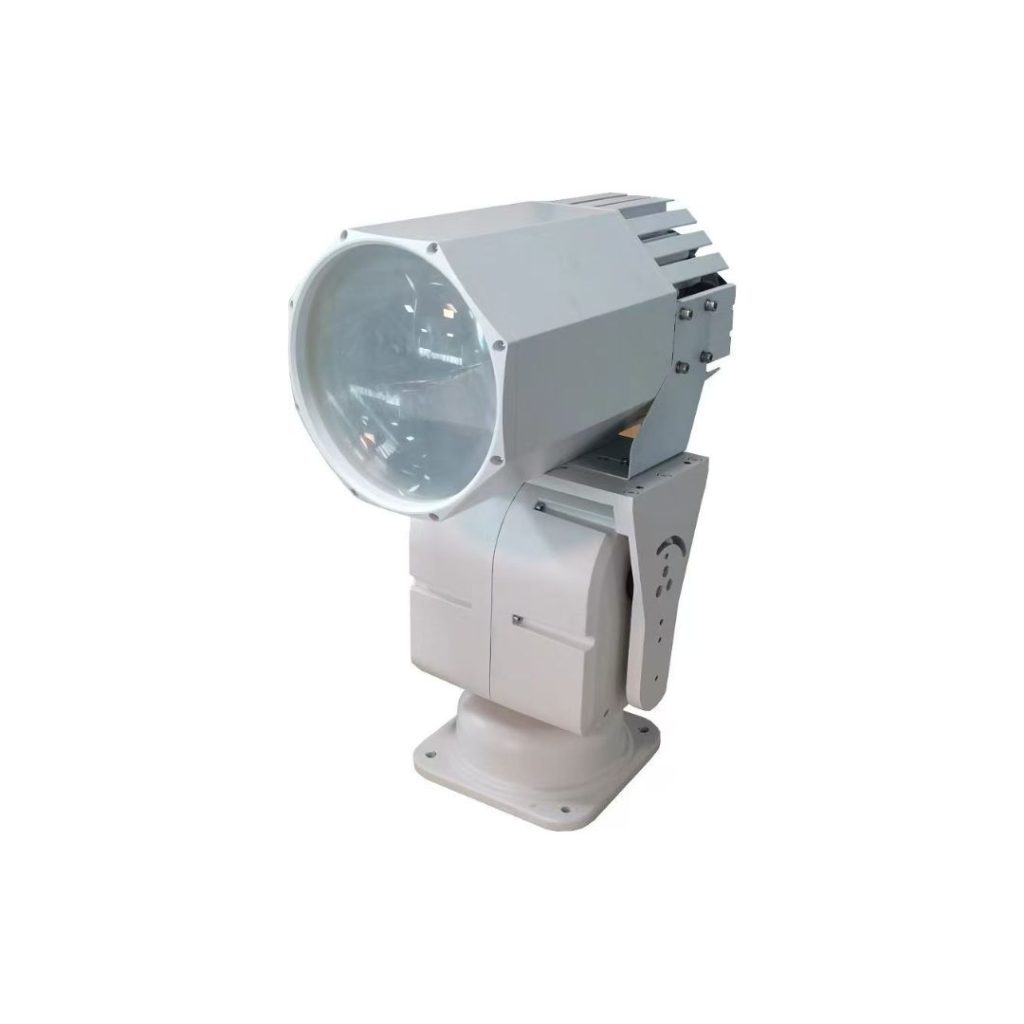
The remote control LED searchlights are especially helpful when rescue missions face rough weather. They reduce crew exposure to dangerous conditions, and that tends to keep the response safer, and more steady.
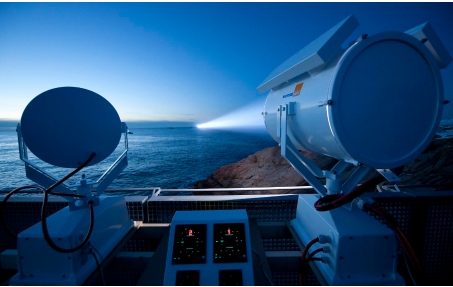
Applications of Automatic Tracking Searchlights in Marine Rescue Tasks
Automatic tracking searchlights are widely used across various maritime rescue and safety operations.
| Application | Description | Role in Marine Rescue Tasks | Benefit |
| Man Overboard (MOB) Detection | Automatic tracking searchlights lock onto a person or object in the water after detection | Helps locate and continuously illuminate the victim for recovery | Faster localization and improved survival chances |
| Lifeboat and Life Raft Tracking | Systems follow drifting lifeboats or inflatable rafts in open water | Maintains continuous visual contact during evacuation or rescue operations | Prevents loss of target in low visibility conditions |
| Search and Rescue (SAR) Coordination | Searchlights integrate with radar, GPS, or thermal imaging systems | Supports coordinated multi-vessel search operations | Improved accuracy and coverage in large search areas |
| Nighttime Rescue Operations | Provides automated illumination in darkness | Enhances visibility for rescuers during night missions | Safer and more efficient rescue execution |
| Poor Visibility Conditions Rescue | Used during fog, rain, smoke, or storms | Maintains target focus when human visibility is limited | Reliable operation in extreme weather conditions |
| Helicopter and Vessel Coordination | Tracks targets identified by airborne or surface units | Ensures consistent illumination of targets during joint operations | Better coordination between air and sea rescue teams |
| Debris and Wreckage Detection | Tracks floating debris or wreckage fields after accidents | Helps identify survivors or critical materials in accident zones | Faster assessment of accident sites |
| Port and Coastal Emergency Response | Assists in emergency situations near ports or coastal infrastructure | Provides rapid illumination for rescue near harbors | Quick response in high-traffic maritime areas |
| Long-Duration Search Missions | Maintains continuous tracking over extended rescue operations | Reduces operator fatigue and ensures sustained illumination | Increased endurance and mission reliability |
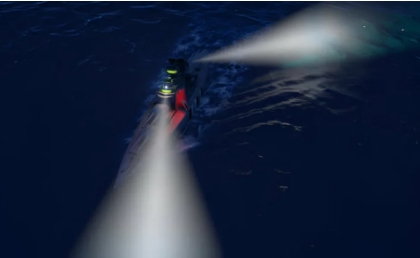
Advantages of Using Automatic Tracking Technologies in Marine Searchlights
- Faster Target Detection: One of the main advantages of automatic tracking is that it can find the target quickly and lock onto it. In rescue activities, every second matters, and fast identification of people in the water, small vessels , or even drifting objects can raise survival rates a lot.
- Continuous Illumination: Automatic tracking keeps the lighting on a moving target without interruption. Unlike a searchlight handled by hand, which may drift out of focus because the vessel shifts, or because the operator hesitates, these systems hold steady visual connection, even when the sea is rough.
- Improved Accuracy and Precision: With high accuracy servo motors, gyro stabilization, and sensor integration, the automatic tracking searchlight can stay in the correct direction toward the target. That lowers mistakes, and the target keeps being properly highlighted, which is essential in the middle of complicated rescue work.
- Reduced Crew Workload: Handling searchlights manually in tough weather and rough conditions can be tiring, maybe distracting too. An automatic tracking system helps, so the crew members can focus on steering, messaging, and carrying out the rescue, not being stuck adjusting optics all the time , which helps the whole operation run more efficiently.
- Enhanced Operational Safety: With dependable and ongoing light aimed at the target, automatic tracking tech improves safety for the rescuers as well as the person in distress. Because the tracking stays steady it lowers the chance of losing visual contact, especially in chaotic or dangerous sea areas where attention is easily scattered.
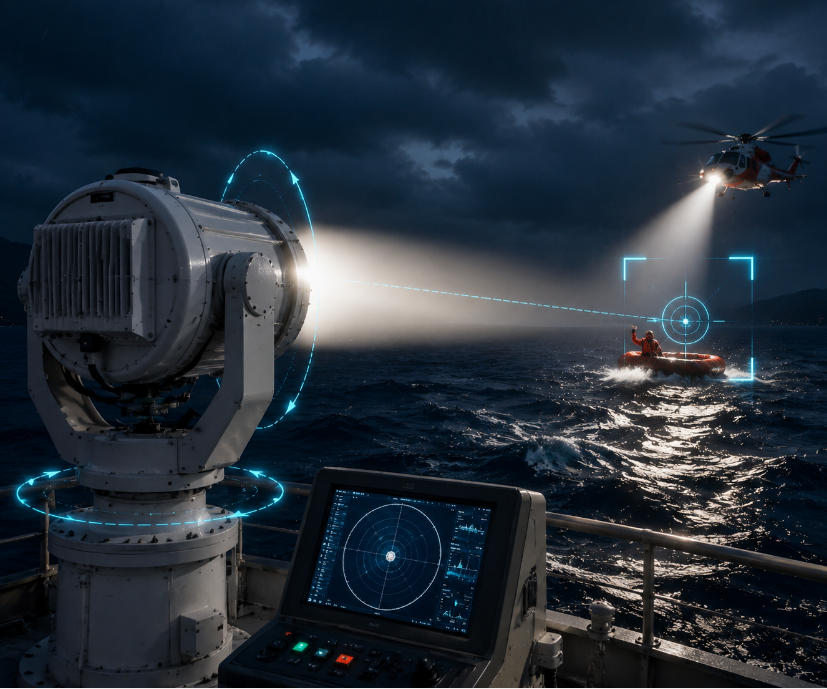
Challenges in Automatic Tracking Systems for Marine Searchlights
The following chart provides the several technical and operational challenges faced by automatic tracking marine searchlights, together with their impacts and possible solutions.
| Challenge | Description | Impact on Searchlight Performance | Possible Solutions |
| Harsh Marine Environment | Exposure to saltwater, humidity, rain, and extreme temperatures can damage tracking components | Reduced reliability, corrosion, and equipment failure | Use corrosion-resistant materials, waterproof enclosures, and regular maintenance |
| Target Loss in Rough Sea Conditions | High waves and vessel movement can interfere with stable target tracking | Interrupted illumination and reduced tracking accuracy | Advanced stabilization systems and motion compensation technology |
| Poor Visibility Conditions | Fog, heavy rain, smoke, or darkness can affect sensor performance | Difficulty detecting and maintaining target lock | Integration with thermal imaging, radar, and infrared sensors |
| False Target Detection | Reflections from waves, lights, or nearby vessels may confuse the tracking system | Incorrect target tracking and operational inefficiency | AI-based target recognition and filtering algorithms |
| Limited Tracking Range | Sensor and searchlight capabilities may be restricted over long distances | Reduced effectiveness in large-area search operations | Higher-power searchlights and long-range sensor integration |
| High Energy Consumption | Continuous tracking and powerful illumination require significant electrical power | Increased operational costs and reduced system endurance | Using LED searchlights and intelligent power management systems |
| Mechanical Wear and Tear | Constant movement of rotating mechanisms can cause component degradation | Reduced precision and increased maintenance needs | Durable servo motors, predictive maintenance, and improved mechanical design |
| Integration Complexity | Difficulty integrating tracking systems with radar, GPS, and navigation equipment | Delayed response and reduced operational coordination | Standardized communication protocols and integrated control platforms |
| Cybersecurity Risks | Digitalized tracking systems may be vulnerable to unauthorized access or cyberattacks | Potential operational disruption or system manipulation | Secure software architecture, encryption, and network protection |
| High Installation and Maintenance Costs | Advanced tracking technologies and sensors can be expensive | Increased capital and operational expenditures | Modular system designs and cost-effective maintenance strategies |
Final Thoughts
Automatic tracking technology has really changed how marine searchlights are used in rescue work. When intelligent sensors are paired with thermal imaging, radar integration, and automated control systems, these newer searchlights raise visibility a lot, improve the accuracy of tracking, and make emergency response faster at sea. The automatic tracking searchlight setup is becoming more and more crucial for keeping people safe during offshore incidents, coast guard missions, and search and rescue tasks. With reliable, continuous target illumination in harsh conditions, they serve as an essential part of current marine rescue systems.
