
How to Prevent Explosion-proof Light Failures
Explosion-proof lights are a critical lighting solution for hazardous environments. Even though they’re built with reinforced housings, advanced sealing technologies, and protective electrical structures, they can still run into problems, mostly due to improper installation, harsh operating conditions, component aging, or plain insufficient maintenance. To prevent those explosion-proof lighting failures, you basically need a whole plan,right product selection, correct setup, routine inspection, and proactive upkeep, all together, not just one part.
Table of Contents
Why Preventing Explosion-proof Light Failures is Important
Preventing explosion-proof light failures is important for safety, reliability, and keeping operations steady in tough environments, like offshore oil and gas sites, marine operation. If an explosion-proof light fails, the first thing you’ll notice is reduced visibility, then you might get production interruptions and, yes, it can also weaken the protection intended to prevent ignition-related risks. With proper preventive measures in place, equipment life tends to last longer, unexpected downtime can drop, maintenance costs are generally lower, and the lighting systems keep satisfying safety expectations in zones with flammable gases, vapors, or combustible dust.

Common Failure Modes in Explosion-proof Lights
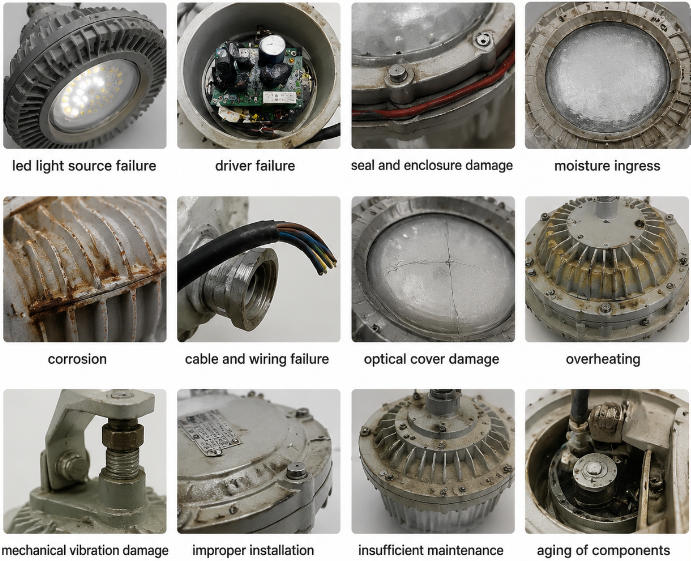
This chart provides the most common failure modes of explosion-proof lights and the corresponding causes, symptoms and impacts for the applications.
| Failure Mode | Main Causes | Typical Symptoms | Potential Impact |
| LED Light Source Failure | High operating temperature, poor-quality LED chips, voltage instability, thermal stress | Reduced brightness, flickering, complete light failure | Reduced illumination efficiency and shorter service life |
| LED Driver Failure | Voltage surges, capacitor aging, moisture exposure, overheating | Light flickering, intermittent operation, no illumination | Lighting interruption and increased maintenance costs |
| Seal and Enclosure Damage | Aging gaskets, improper installation, mechanical stress, corrosion | Loose covers, damaged seals, visible cracks | Loss of explosion-proof protection and increased risk of internal damage |
| Moisture and Water Ingress | Damaged seals, condensation, incorrect cable gland installation | Fogging inside lens, corrosion, electrical faults | Short circuits, insulation failure, component damage |
| Metal Component Corrosion | Salt spray, chemical exposure, humidity, harsh outdoor conditions | Rust, surface deterioration, weakened structures | Reduced mechanical strength and reduced equipment lifespan |
| Cable and Wiring Failure | Cable aging, mechanical damage, loose connections, incorrect cable selection | Power loss, unstable operation, electrical faults | Equipment downtime and possible safety hazards |
| Optical Cover/Lens Damage | Impact, UV exposure, chemical contamination, aging | Cracks, discoloration, reduced light output | Poor illumination and reduced protection performance |
| Overheating Failure | Poor heat dissipation, blocked heat sinks, excessive ambient temperature | High fixture temperature, reduced brightness, early component failure | Shortened LED and driver lifespan |
| Mechanical Vibration Damage | Heavy machinery vibration, impact, loose mounting | Loose fixtures, cracked housing, internal component failure | Reduced reliability and possible equipment detachment |
| Improper Installation Failure | Incorrect wiring, unsuitable installation location, failure to follow specifications | Frequent faults, reduced protection level, unstable operation | Safety risks and premature failure |
| Insufficient Maintenance | Lack of inspection, delayed replacement of worn parts, poor cleaning practices | Gradual performance decline, unexpected failures | Increased downtime and maintenance costs |
Effective Measures for Preventing Explosion-Proof Light Failures
Implementing effective preventive measures is essential for maintaining lighting reliability, extending service life, and ensuring workplace safety.
1. Selecting Suitable Explosion-proof Lighting Fixtures
The prevention of failures begins with choosing the correct explosion-proof light for the intended application.
| Selection Factor | Key Considerations | Recommended Selection Criteria | Benefits of Proper Selection |
| Hazardous Area Classification | Identify the presence of flammable gases, vapors, liquids, or combustible dust | Choose lights certified for the specific hazardous zone, such as gas or dust explosion-proof ratings | Ensures safe operation and prevents ignition risks |
| Explosion-Proof Certification | Different regions and industries require specific safety standards | Select products that comply with applicable standards such as ATEX, IECEx, UL, or other approved certifications | Maintains compliance with safety regulations and improves reliability |
| Temperature Rating | Consider ambient temperature and heat generated during operation | Choose lights with suitable temperature classes and operating temperature ranges | Prevents overheating and extends component lifespan |
| Ingress Protection (IP) Rating | Evaluate exposure to water, dust, oil, and chemicals | Select appropriate IP ratings for explosion-proof lighting based on environmental conditions, such as high dust or outdoor applications | Protects internal components from moisture and contamination |
| Corrosion Resistance | Consider exposure to salt spray, chemicals, and corrosive gases | Use lights with corrosion-resistant housings, coatings, and fasteners | Reduces corrosion damage and increases service life |
| Light Output Requirements | Determine required brightness, beam angle, and illumination coverage | Select suitable LED power, lumen output, and optical design for the workspace | Provides sufficient visibility and improves operational safety |
| Operating Environment | Consider vibration, impact, humidity, and extreme weather conditions | Choose ruggedized fixtures designed for industrial environments | Improves durability under harsh conditions |
| Power Supply Compatibility | Check voltage, frequency, and electrical system requirements | Select lights compatible with the facility’s power supply and install proper protection devices | Prevents driver failures and electrical problems |
| Heat Dissipation Design | Evaluate thermal management capability of the fixture | Choose lights with efficient heat sinks and thermal structures | Reduces LED degradation and prevents overheating failures |
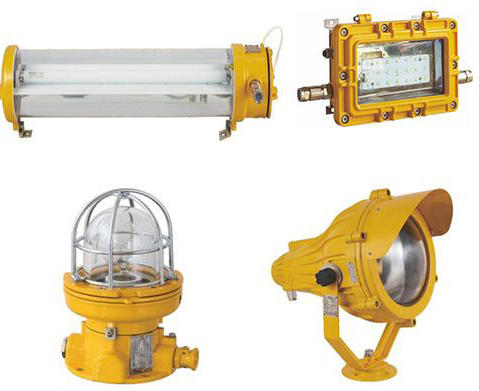
| Application-Specific Requirements | Different industries have unique operating challenges | Select specialized explosion-proof lights for oil fields, chemical plants, mines, marine areas, or manufacturing facilities | Maximizes safety, efficiency, and equipment performance |
2. Ensuring Correct Installation Practices
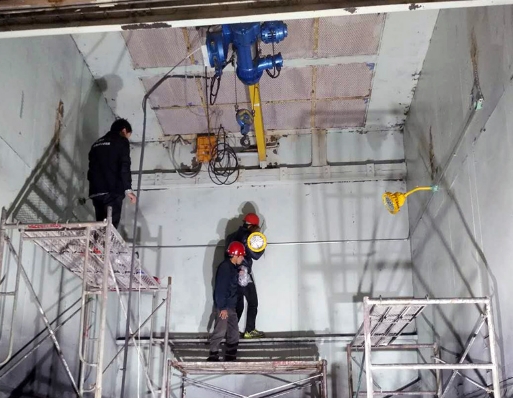
Proper installation of explosion-proof lighting plays a critical role in preventing failures. Even advanced lighting equipment can run into performance problems if installation procedures are not followed correctly and completely.
During installation, technicians should make sure that cable glands, connectors and sealing components are fitted properly to prevent moisture, dust, or hazardous gases from getting into the enclosure. The housing cover along with fastening components, should be tightened according to the manufacturer’s specifications so the explosion-proof structure stays intact. If anything looks loose, stop and re-check it.
The installation location also needs careful thought. Lights should not be placed close to excessive heat sources or in areas where they might face unnecessary vibration, impact, or mechanical stress. Good installation supports the protective functions of the fixture and reduces the chances of early failure.
3. Maintaining Effective Heat Management
Heat regulation is one of the biggest things that keeps explosion-proof lights reliable, especially when you’re talking LED explosion-proof lighting. If the temperature runs too high it can speed up the aging of the LED chips, stress or even harm the electronic drivers, and it will often drag down the total efficiency during normal work cycles.
For avoiding thermal failures, the heat dispersion surfaces need to stay clear and not loaded with dust, oil, or other contaminants that can interfere with heat transfer. The lighting fixture should be positioned where there is enough airflow, and the people using the unit should not run it past the temperature ranges written in the specification.
More advanced thermal management approaches, like high-performance heat sinks and enclosure structures that are tuned for airflow, can boost heat removal quite a lot. This also helps keep lighting output steady during long periods of operation.
4. Protecting Against Moisture and Environmental Damage
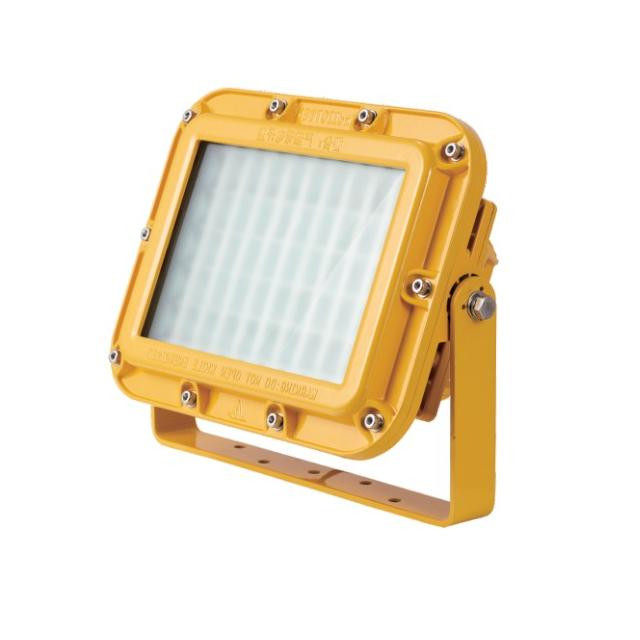
Moisture intrusion is a frequent cause of explosion-proof light failure, especially in outdoor, offshore, and humid industrial settings. Water or condensation that finds its way into the housing can trigger corrosion, unwanted electrical short circuits, insulation weakening, and also driver-related damage.
A routine look at sealing parts is necessary, so aging cracking, or deformation is noticed early. If gaskets and seals are worn or deformed, they should be swapped promptly to keep the enclosure protection level intact. Also, the cable entry locations should be reviewed to confirm the sealing arrangements stay effective over time, even with vibration.
When the area is exposed to chemicals, salt spray, or corrosive gases, extra safeguards help prevent structural wear. For example, choosing corrosion-resistant materials and using protective surface coatings can reduce long-term deterioration.
5. Conducting Routine Inspection and Maintenance
Regular inspection is one of the more effective ways to avoid sudden failures. Having a preventive maintenance program in place helps operators catch small matters early, before they grow into serious equipment problems.
When doing the checks, technicians should look over the enclosure state, the lens, the mounting structure, cable connections and the sealing components. Any change in brightness, flickering, unusual heat production, or visible damage can point to potential faults that need attention.
Cleaning should also be part of what gets done. Dust, oil, and industrial residues can cut down light output and mess with heat dissipation. Keeping optical surfaces as well as outer components clean supports lighting efficiency and ongoing reliability.
6. Preventing Electrical System Failures
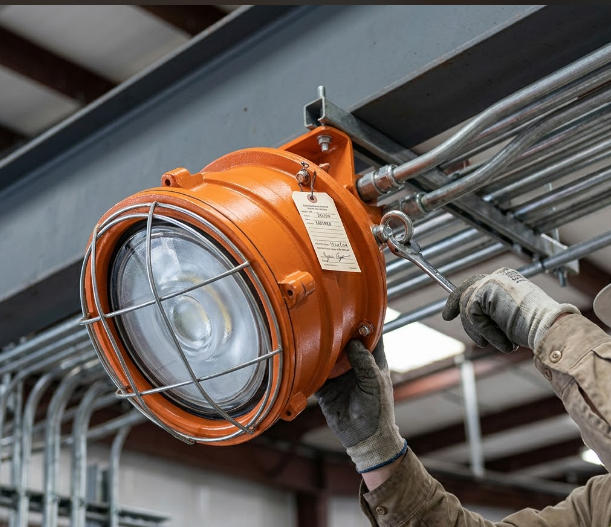
Electrical issues, including voltage fluctuations, power surges, and wiring faults, can quietly cut down the lifespan of explosion-proof lights. The LED driver, in particular, is very touchy about unstable electrical conditions, and it may fail too early if proper safeguards are not there.
To lower those electrical risks, sites should apply the right power protection systems, keep the voltage steady, and fit cables plus connectors that match the application requirements. Electrical joints should be reviewed on a recurring basis, so you can catch loose terminals, insulation damage, or poor contact before they become a bigger problem.
Proper electrical management usually makes the whole setup more stable, and it helps reduce downtime linked to unexpected lighting failures.
7. Managing Corrosion and Mechanical Stress
Explosion-proof lights used in harsh environments may suffer from corrosion and mechanical damage over time. Offshore platforms, chemical facilities, and mining sites often expose lighting equipment to salt water, chemicals, dust, and vibration.
Preventive steps include picking corrosion-resistant materials, putting on protective coatings, checking the mounting structures, and swapping any damaged components before they start affecting safety performance in a real way.
Also, mechanical vibration and incidental impacts should be taken into account during equipment choice and when installation happens. Using fixtures that are intended for industrial environments can lower the chance of structural harm and raise long-term reliability.
8. Replacing Aging Components Before Failure
Even though explosion-proof lights are built for a long service life, some components slowly degrade with time. Doing preventive replacement of worn parts can prevent those unplanned shutdowns and at the same time improve operational safety.
You should periodically evaluate things like LED drivers, sealing rings, cable glands, and protective covers. Swapping these items based on operating hours, site conditions, and what the inspections show helps keep performance steady across the years.
A planned replacement strategy is especially important in critical facilities where lighting outages may stop production or create safety concerns.
9. Improving Maintenance Management and Personnel Training
Effective failure prevention needs more than the right equipment management, it also depends on trained people who grasp explosion-proof lighting requirements. Maintenance staff should know installation standards, inspection procedures, and safe handling practices.
Training programs should highlight why enclosure integrity matters, how to recognize early warning signals and how to avoid unauthorized changes to explosion-proof components.
When technical understanding meets organized maintenance routines, facilities can reach steadier and safer lighting operations.
Summary
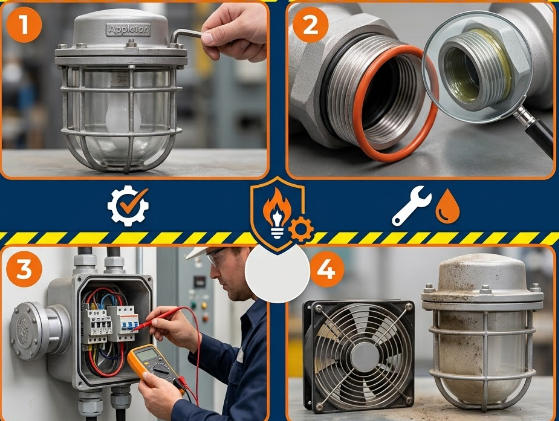
Preventing explosion-proof light failures takes more than just picking a top quality product. You need dependable use, not only the item itself, because proper application choice, correct installation, and good heat management matter a lot. Also, moisture protection counts, and regular inspections plus preventive maintenance, help keep things steady.
When industries tackle typical breakdown triggers like overheating, electrical faults, corrosion, poor sealing, and mechanical damage they can extend the useful life of explosion-proof lighting systems, while still keeping safe and efficient operation in risky areas.
