The Use of LED Explosion-proof Lights to Retrofit Marine Hazardous Area Lighting
The safety of marine environments is of supreme concern in the areas where there is risk of explosion or fire. The use of LED explosion-proof lights in retrofitting existing marine hazardous area lighting systems has brought a range of benefits over traditional lighting systems.
Table of Contents
What are LED Explosion-proof Lights
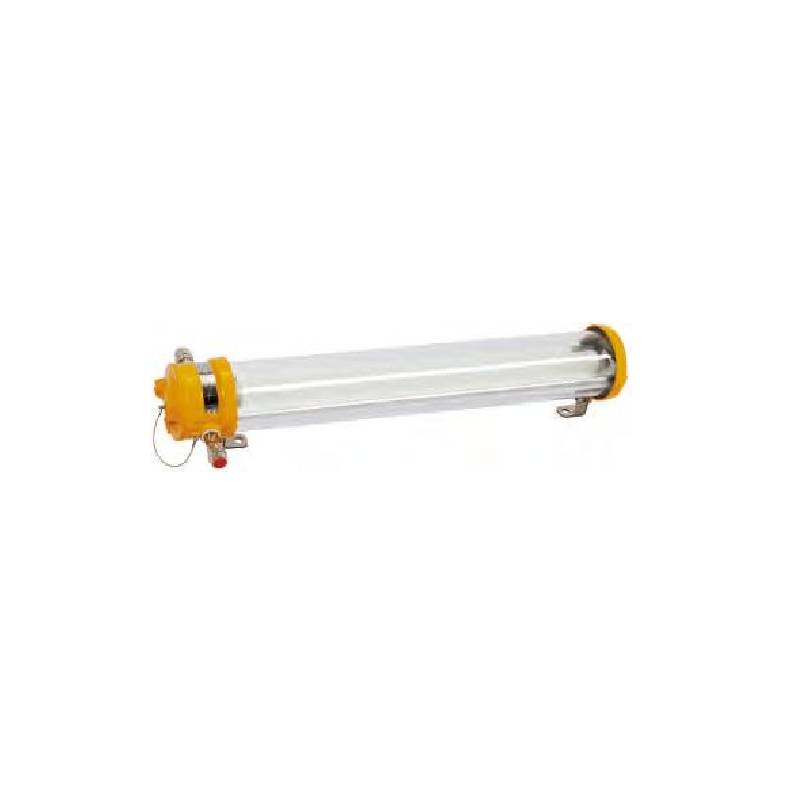
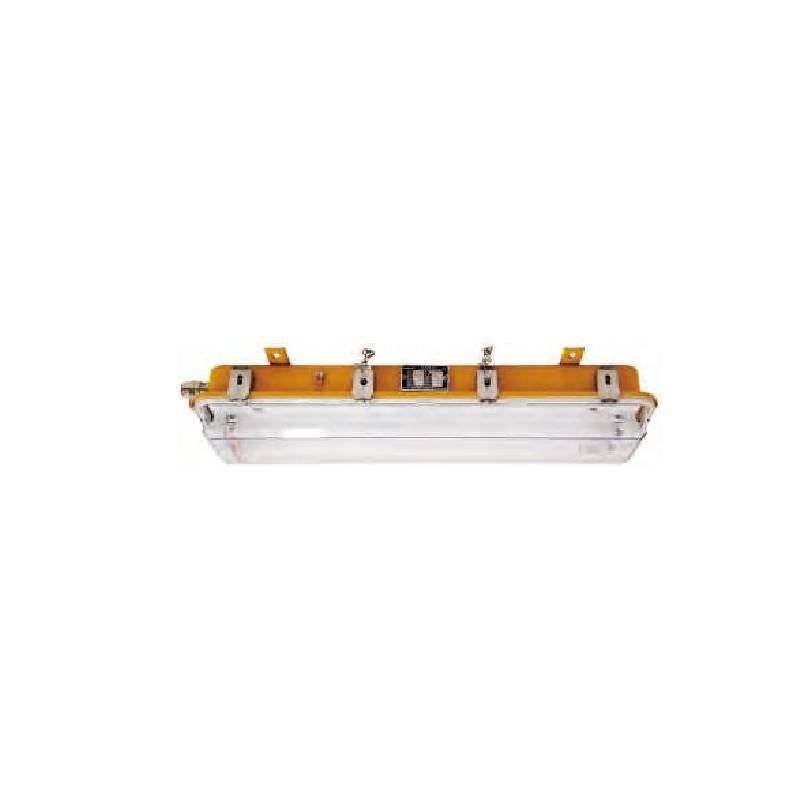
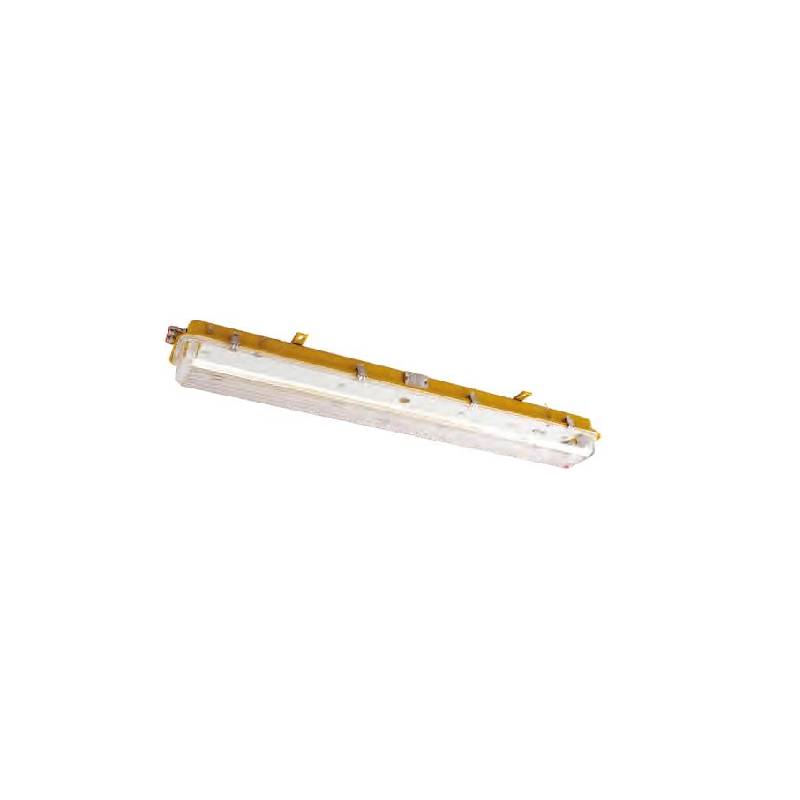
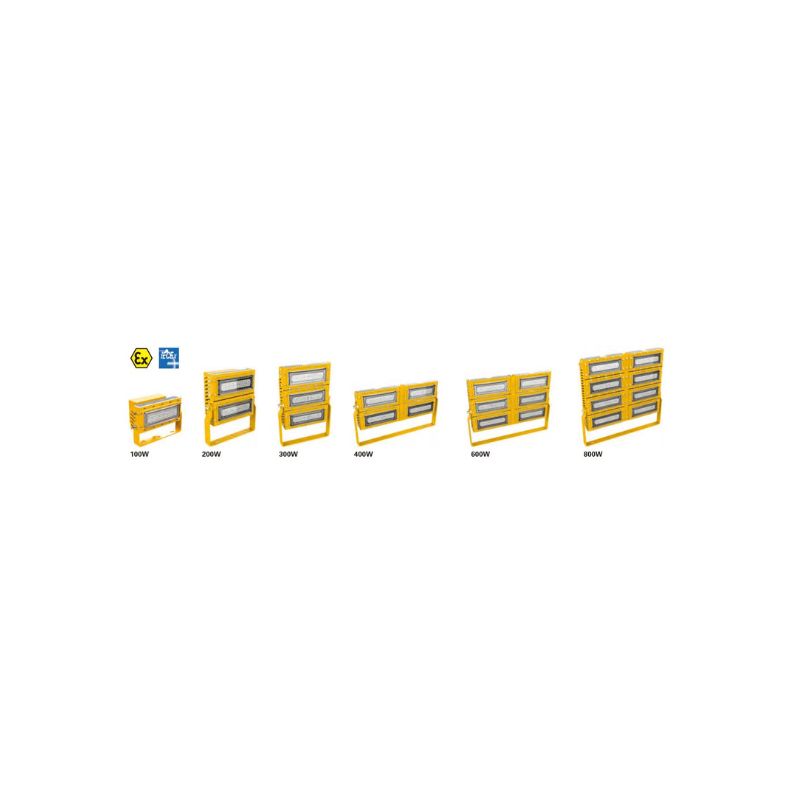
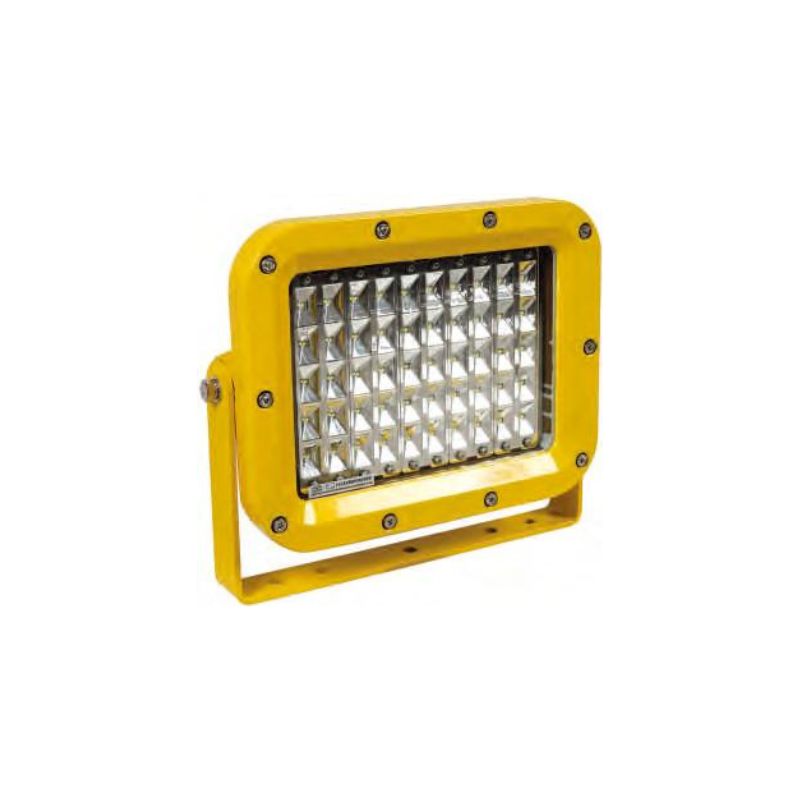
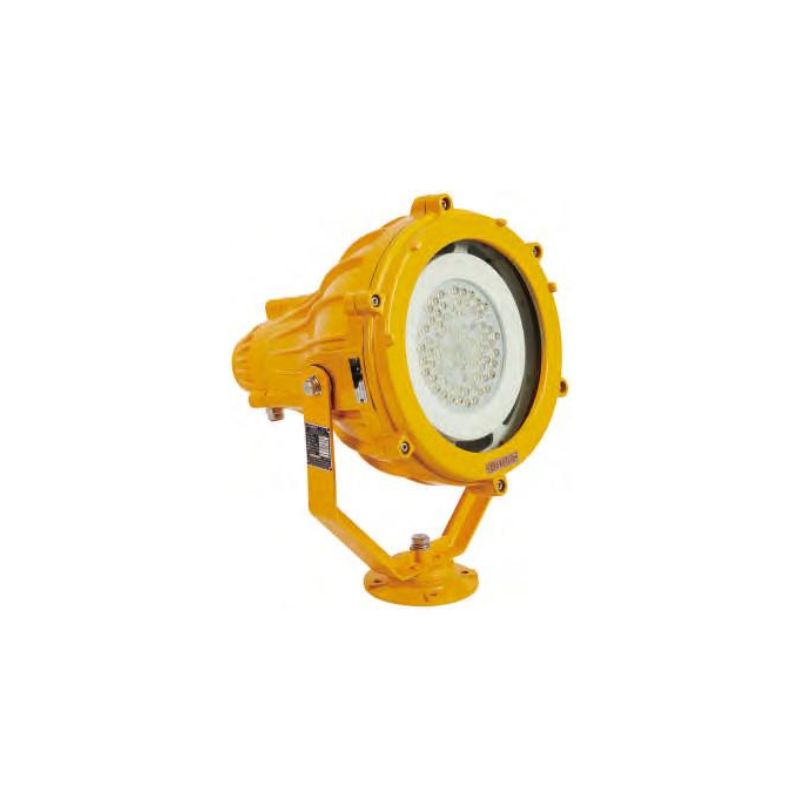
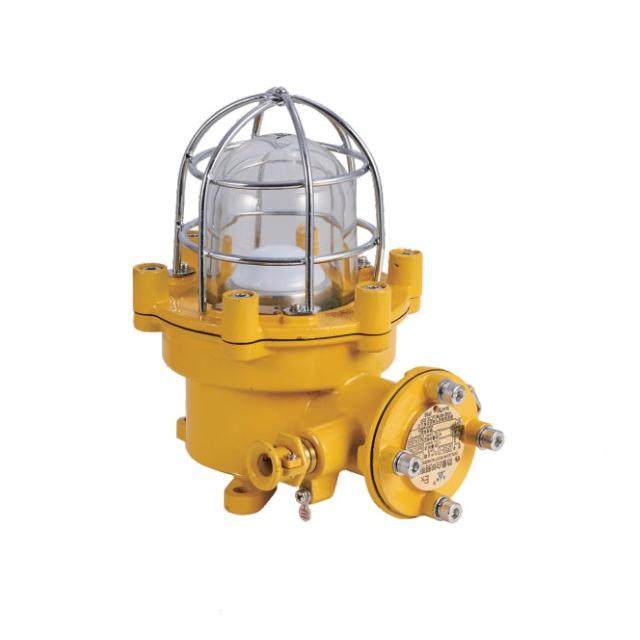
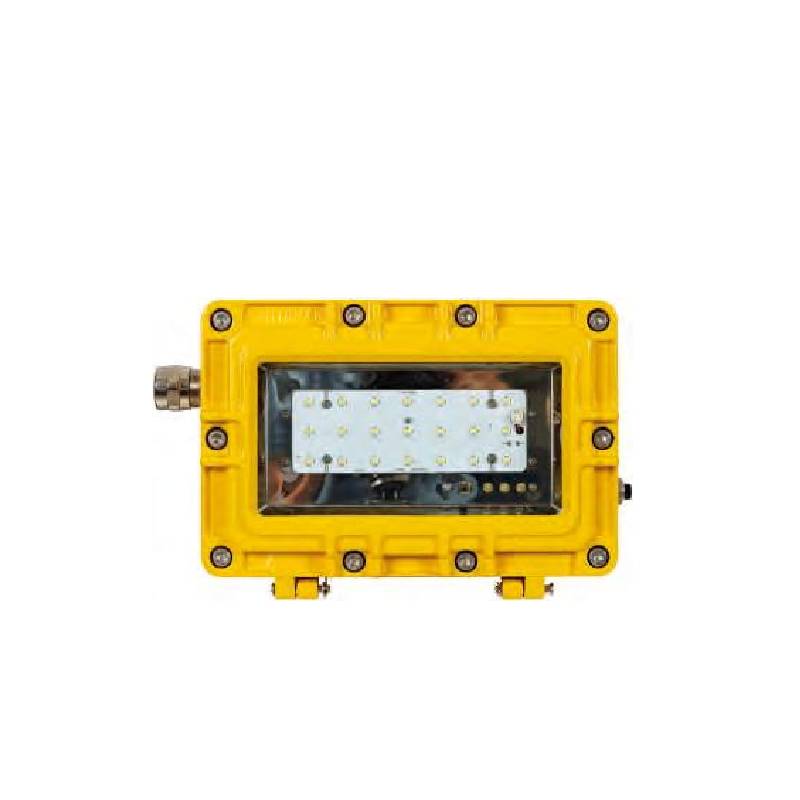
LED explosion-proof lights are models of lighting fixtures specifically designed for hazardous locations where there is a risk that explosive gases, vapors, or dust are present. These lights are engineered so that electrical sparks or heat would not ignite the atmosphere surrounding them. The term “explosion-proof” specifically signifies that these lights are capable of enclosing and enduring an internal explosion without transmitting hazard proceeds to the surrounding area.
LED explosion-proof lighting is generally built with top-quality materials like calcium-resistant aluminum or stainless steel, while also sealed in a way that no hazardous substances can penetrate into the fixture. The unique design of the explosion-proof lights ensures safety in an environment where regular lighting fixtures could pose a significant threat.
Why Use LED Explosion-proof Lights for Retrofitting Existing Marine Hazardous Area Lighting
1. Enhanced Safety in Hazardous Environments
Marine hazardous areas, for example engine rooms, holds with cargo, and open decks, are exposed to combustible gases or dust, require lighting that is extremely reliable so as to rule out the possibility of fires. Traditional lighting systems have a tendency to generate an excessive amount of heat or create sparks that can ignite even highly inflammable substances. In contrast, LED explosion-proof lights are robustly engineered to trap every spark or excess heat that could result in ignition compatibility with the hazardous materials to be illuminated. Explosion-proof enclosures are highly robust for them to withstand extreme conditions, making them much safer for lighting within the harsh marine environment.
2. Energy Efficiency
Long lasting life and reduced maintenance were costly before, but under a slender LED explosion-proof lighting fixture, less than their sale credit, the incandescent went out, causing the ship to nocturnally embark on the long-proposed crossings. LED provides safety with durable, rugged, and reliable products, having phosphors for sealing the device to eliminate moisture and extreme temperatures. In other words, the light will not need to be replaced or serviced anytime soon, which sums up more savings to ship operators.
3. Longer Lifespan and Reduced Maintenance Costs
Traditional bulbs have a very short working life, though; one bulb may be used for only a certain timeframe. However, LED lights will remain on for a longer period, up to 50000 hours or more. Not only can the customer reduce the cost of constantly changing the bulbs, but he can also save on labor costs and the cost of replacement parts, especially the marine field, where LEDs prove to be so much more resilient and wear-resistant, under the harsh environment that is marine.
4. Less Heat Generation
One of the biggest issues when using lights in hazardous marine areas is the heat they produce. The concept of heat is oblivious to every kind of lighting invented, which includes bulbs that produce an exceptionally high amount of heat, thereby upping the vulnerability for ignition in sensitive environments. An explosion-proof LED light has a higher heat dissipation capability designed for a higher level of thermal management, therefore causing the light to produce much less heat, in turn reducing the risk of fire or even seconds of explosion, making them safely acceptable in areas where we are stringent about safety guidelines.
5. Cost-Effective Investment Over Time
While LED explosion-proof lighting fixtures have a higher investment cost compared with traditional lighting fixtures, the long-term benefits that they deliver are certainly worth every penny spent up front. Energy efficiency, very long life as well as minimal maintenance requirements are key factors in making such lighting fixtures a cheaper option in the longer term. This makes them an effective answer for ship operators who are looking to modernize their lighting systems while cutting their operational costs.
6. Seamless Retrofit Process
In retrofitting existing marine hazardous area lighting with LED explosion-proof lights, it is usually the case of a straightforward path taking straight to the target. LED lighting is made to be compatible with most of the already existing electrical systems, causing less concern about the need for vast rewiring efforts or complete changes in infrastructure. As a result, marine operators may be always seeking the comforts of modern, power-saving light technology without the massive work involved in painful rebuilding of the old systems. The ease of retrofitting also leads to lowering downtime, especially when visibility is indispensable for attaining operational safety or increasing productivity.
7. Improved Visibility and Productivity
LED marine lighting shines all the more brightly and powerfully; it can penetrate even the darkest corners of most hazardous areas. This improvement in lighting quality is found especially efficient in the case of maintenance and upgradation works in environment of marine hazardous. Insubstantial lighting is always plausible to cause an accident or delays.
Increased visibility would, in turn, generate a proficient and secure atmosphere where the workers could finish off their tasks quicker-en upstream the rate of production.
8. Environmental Benefits
LED explosion-proof lights can be viewed as eco-friendly alternatives compared to their traditional counterparts. In this context, maintaining environment protection, as related to the less use of energy since emissions of forest equivalents are held back by these, is one of the positive results of today’s technology. The LED tubes are expected to serve for longer times since replacement costs are less on their way in creating hazardous refuse from bulb disposals. Flipping over to LED lights forms a significant initial yet emission-reducing policy of environmental protection at marine installations.
Key Considerations for Using LED Explosion-proof Lights to Retrofit Marine Hazardous Area Lighting
The process of upgrading existing marine hazardous area lighting to LED explosion-proof lights does more than replacing old lights with new lights; it requires a much better understanding of both the technical and regulatory issues.
1. Compliance with Safety Standards and Certifications
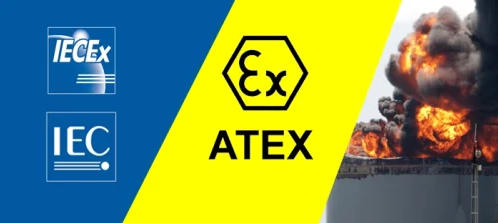
One of the most important considerations in retrofitting marine hazardous area lighting is that the LED explosion-proof lights comply with safety regulations and certificates. The new lighting must comply with rigorous standards that will allow them to survive in conditions that would be hazardous to a lesser light. Be sure that the LED lighting is certified for use in the explosive area of the ATEX, IECEx, or UL according to your personal requirements, which ensures the lights are constructed to defy ignition forces and can sustain harsh environmental conditions common in marine hazardous zones.
2. Choosing the Right Explosion-proof Rating
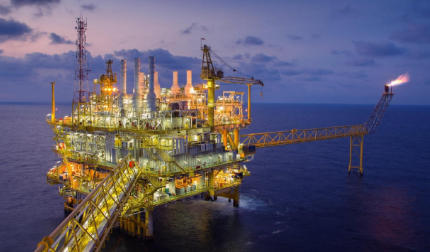
Given the fact that we are installing these LED lights in hazardous marine environments, potential explosions are not far off. Risk is even greater in specific marine zones depending on the existence of flammable gases, vapors, or dusts and thereby makes it a necessity to identify an LED lighting system appropriate for the specific hazardous zone, for example such as Zone 1, Zone 2, etc. with a particular type of gas or material present in the environment. In choosing the proper explosion-proof rating, it ensures the lights can operate safely without risking ignition.
3. Compatibility with Existing Infrastructure
Before proceeding with the retrofit, it is pertinent to carry out an assessment as to whether the new LED explosion-proof lights are compatible with the existing electrical systems and mounting infrastructure of demanding environmental conditions. These are the typical interface point fixes that are independent of the requirements of good electrical distribution, as many retrofit solutions are designed for quick implementation into existing environment; however, in most cases, it is still important to check whether they fit within the existing space and whether they are supported by existing wiring and power supply. Verification of compatibility is expected to prevent large financial losses as well as very time-consuming exercises aiming solely at electrical or structural modification.
4. Energy Efficiency and Power Requirement
LED explosion-proof lights are most widely known for their energy efficiency; that being said, one should consider the total energy consumption of the lighting retrofit as a whole. Various marine environments operate on generators or a limited power source, and an increase in lighting load has the potential to degrade the performance of a system. New LED lights should be scrutinized for their power requirements to ensure compatibility with the energy capacity of the vessel or platform. Ideally, the retrofit LED lights will consume less energy, so having a precise evaluation will avoid overworking the power systems.
5. Temperature Rating and Thermal Management
Temperatures can fluctuate incredibly through temperature transitions, especially in marine areas as a high risk area. For this reason, any talking hazard light should work. There are area-specific temperature ceilings, predominantly in chance areas, set depending on the types of flammable gases or vapors. It is fortunate for LED lights that have in-built thermal management systems that can easily work toward dissipating heat quickly. However, the temperature rating of the light fitting must be matched carefully to environmental conditions. A mismatch in temperature grading could promptly cause a system-wide fire catastrophe and present insufficient safety.
6. Durability and Corrosion Resistance
The marine environment, being inherently harsh, is exposed to saltwater, high humidity, and extreme temperatures. Salt resistance is a critical factor to consider when retrofitting lighting systems. Explosion-proof LED lights must then be built from high-quality, corrosion-resistant materials like stainless steel, aluminum alloys, or composite materials. The lights must operate resistant to the elements and engineered to maintain efficient underwater lighting performance in harsh marine conditions. Additionally, the lights have to be strongly resistant to seal out water ingress and safeguard the internal components against the corrosive environment of saltwater.
7. Light Output and Visibility
LED explosion-proof lights offer high brightness and lighting distribution, which are crucial for safe operations in offshore hazardous environment. There are large open spaces in offshore hazardous marine zones that are otherwise dark, thus demanding visual amenity for the safety of workers and operational efficiency. The brightness of the selected LED light is necessary to meet the required lighting values for visibility in the hazardous area. The beam angle is also important as this will influence the distribution of illumination throughout the area and ensure no dark spots or shadows that could cause visual obstacles.
8. Maintenance Requirements and Lifespan
The first thing that has to be mentioned is the lifetime of LED lights, usually around 50000 hours or sometimes even more. Maintenance in retrofit scenarios should be an important consideration as well, and typically LED explosion-proof lights need very little maintenance. Nevertheless, routine maintenance tasks in explosion-proof lighting such as cleaning and examination should be doable with ease. To this end, always go for lights that are convenient for access and are self-cleaning through technologies, this will ensure fewer downtimes and operational normalcy with passing time.
9. Initial Cost vs. Long-Term Savings
Though the LED explosion-proof light is a bit costlier than your traditional lighting systems, in the long run, people [need] to be made aware of the fact that saving on electrical consumption, repair, and replacement make them lucrative. For those who seek retrofitting, understanding the total cost of ownership, which includes pricing to set up, energy saving, less maintenance over the life of the light, is pivotal. With an impressively huge payback, users of LED retrofits discovered that investing in LED technology is again a strategically ground decision on the grounds of a good ROI.
10. Lighting Control and Integration
Finally, consider how the new LED explosion-proof lights will integrate with any existing lighting control systems. In some marine environments, there may be specialized lighting controls that automate switching or dimming based on operational needs or emergency situations. Ensuring that the new LED lights can integrate with these systems will help maintain seamless operation and avoid disruptions in lighting functionality.
Key Steps Involved in Using LED Explosion-proof Lights to Retrofit Marine Hazardous Area Lighting
This chart outlines the fundamental steps to successfully retrofit marine hazardous area lighting using LED explosion-proof lights, ensuring both safety and operational efficiency.
| Step | Description |
| 1. Assess Existing Lighting System | Evaluate the current lighting setup to understand its limitations and the compatibility of the infrastructure with LED explosion-proof lights. |
| 2. Identify Hazardous Area Zones | Determine the hazardous areas that require retrofitting and classify the zones based on the type of risk (flammable gases, vapors, or dusts). |
| 3. Choose Suitable LED Explosion-Proof Lights | Select LED explosion-proof lights with the appropriate explosion-proof rating (e.g., ATEX, IECEx, UL) and temperature class for the hazardous area. |
| 4. Verify Compatibility | Ensure the new LED explosion-proof lights are compatible with existing electrical systems, mounting points, and power supplies. |
| 5. Check Energy Efficiency and Power Consumption | Assess the energy efficiency of the LED lights to ensure they meet the required power demands without overloading the system. |
| 6. Review Temperature Rating and Thermal Management | Confirm that the selected LED explosion-proof lights have a suitable temperature rating to operate safely within the temperature range of the hazardous area. |
| 7. Select Corrosion-Resistant Materials | Choose LED explosion-proof lights with durable, corrosion-resistant materials (such as stainless steel or aluminum) to withstand marine environmental conditions. |
| 8. Install the New LED Lights | Replace old lights with the new LED explosion-proof lighting fixtures, ensuring proper installation, wiring, and secure mounting. |
| 9. Test and Ensure Compliance | Conduct thorough testing to ensure the new lights function correctly and comply with all relevant safety standards and regulations. |
| 10. Perform Ongoing Maintenance | Establish a maintenance routine for inspecting, cleaning, and ensuring the long-term functionality of the LED explosion-proof lighting. |
Summary
Retrofitting marine hazardous area lighting with LED explosion-proof lights is a very good, efficient, and secure solution for facilities operating in challenging and dangerous environments. Thanks to a higher level of safety, longevity, energy efficiency and minimum maintenance costs, LED lamps are the ideal choice for the refurbishment of obsolescent systems for the marine environment.
If certified, designed with the most benefit, and installed correctly, the retrofit must yield huge benefits in terms of improved safety performance and operational efficiency under hazardous marine conditions. As marine facilities are setting more towards righteousness and cost-effectiveness, this kind of LED explosion-proof lights will indefinitely remain at the forefront of innovative lighting solutions in hazardous areas.