
Why Do Explosion Proof LED Flood Light Drivers Fail Before LED Chips?
Explosion proof LED flood lights are common for use in areas like oil and gas installations, chemical facilities, refineries, and other dangerous locations. Despite having a rated life of up to 50,000 hours, it is possible that LED flood lights fail well before this period.
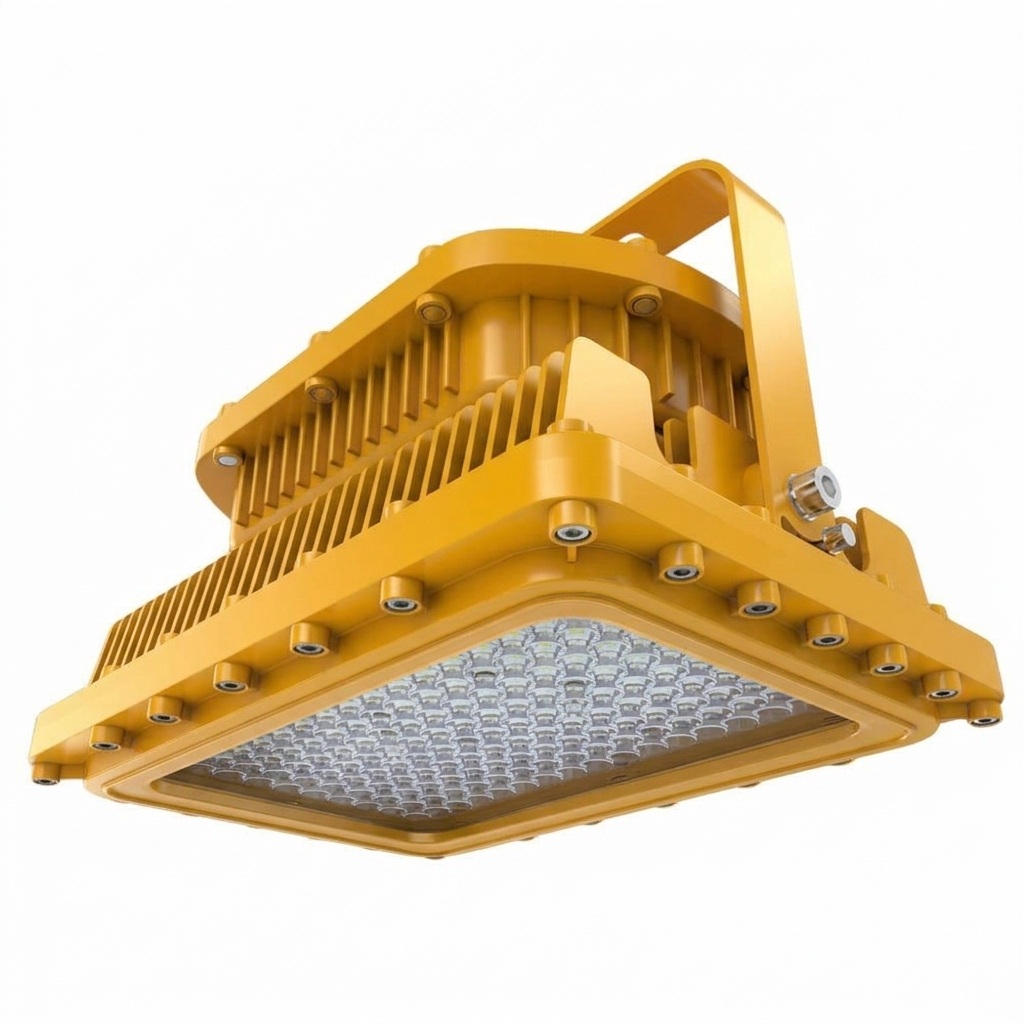
Most times, the LED driver fails before the LED chips. This can be due to heat exposure, voltage variations, presence of moisture, or age of the components among others.
Table of Contents
Electrolytic Capacitors Are Often the Weakest Link
The electrolytic capacitor is one of the electronic components that could affect the longevity of an LED driver circuit.
While the circuit is running continuously, the internal heat generated will cause electrolyte to evaporate. This leads to the reduction in capacitance while ESR increases.
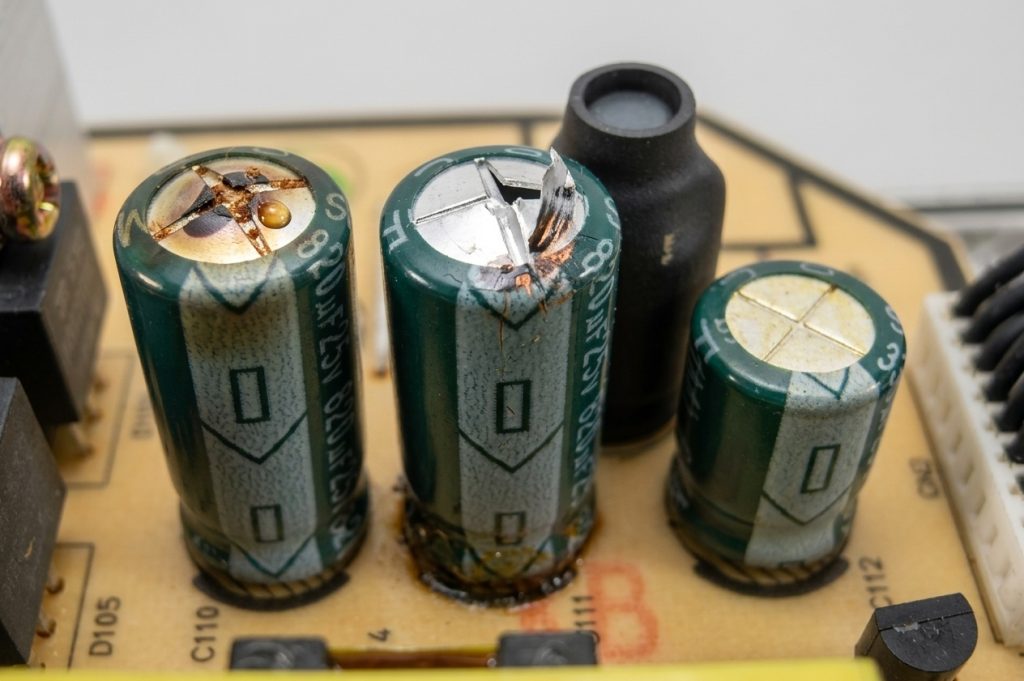
Typical symptoms include:
- LED flickering or unstable brightness.
- Intermittent startup or shutdown.
- Complete driver failure.
Capacitor temperature ratings, anticipated useful lifetime and real operating temperatures for explosion proof LED flood lights used in high-temperature industrial settings are aspects that require special consideration.
Poor Thermal Management Accelerates Driver Failure
One of the primary reliability issues for explosion-proof lighting fixtures is the problem of heat generation.
Since there is heat generation by the driver, LED board, and case, there is the possibility that there will be problems with heat dissipation from the lighting equipment case to the internal components.
Common contributing factors include:
- High ambient temperatures in industrial facilities.
- Continuous 24-hour operation.
- Insufficient heat dissipation from the driver.
- Poor internal component layout.
Although the LED chips may still be operational, high temperatures could contribute to the ageing of the capacitors, MOSFETs, and other driver components. This implies that buyers ought to look for temperature-rise test results for the drivers instead of basing their judgment on the appearance of the housing.
Voltage Surges Damage Driver Circuits
The industrial power system may cause electrical disturbances on LED drivers when there is lighting and switch off of heavy equipment.
These electrical disturbances may affect the rectifier, MOSFETs, and surge protection components by:
- Sudden driver shutdown.
- Burnt electronic components.
- Repeated fuse failures.
- Permanent loss of output.
For those who have unstable sources of power or experience switching frequently, one ought to find out about the input voltage ratings of the driver.
Moisture and Corrosion Cause Circuit Damage
Humidity, condensation, salt water spray, and chemicals may slowly impact the driver’s reliability.
Worn out seals, improperly installed cable glands, and insufficiently sealed housing may let the moisture into the electronics.
Typical consequences include:
- PCB corrosion.
- Oxidized terminals and connectors.
- Electrical leakage.
- Short circuits.
This is especially true for offshore rigs, coastal installations, and chemical production plants.
While choosing explosion proof LED flood lights, users should consider IP ratings, materials used for enclosures, cable entry sealing, and corrosion resistance based on installation conditions.
Vibration and Repeated Thermal Cycling Weaken Connections
Lighting equipment that is set close to pumps, compressors, and other machinery tends to face constant vibration.
On the other hand, switching causes constant heating and cooling. Mechanical stress will start to weaken solder joints, connectors, and even the wiring in the equipment.
The symptoms associated with such problems include constant lighting failures, unstable performance, and equipment shutdowns.
This kind of equipment needs to have its drivers and PCB considered during evaluation.
What Should Buyers Check Before Purchasing Explosion Proof LED Flood Lights?
The longevity of an LED chip does not necessarily translate into fixture longevity. Here is what the industrial purchaser needs to know:
- Driver quality: Check capacitor brand, temperature capability, rated longevity and component specifications.
- Thermal capability: Require temperature-rise data under expected ambient conditions.
- Surge protection: Ensure correct surge protection rating and electrical compatibility.
- Environmental protection: IP rating, corrosion protection, and operating temperature range.
- Explosion-proof certification: Confirm the certification of the entire fixture, hazardous environment suitability and temperature class.
- Reliability testing: Require appropriate electrical, thermal and environmental test reports.
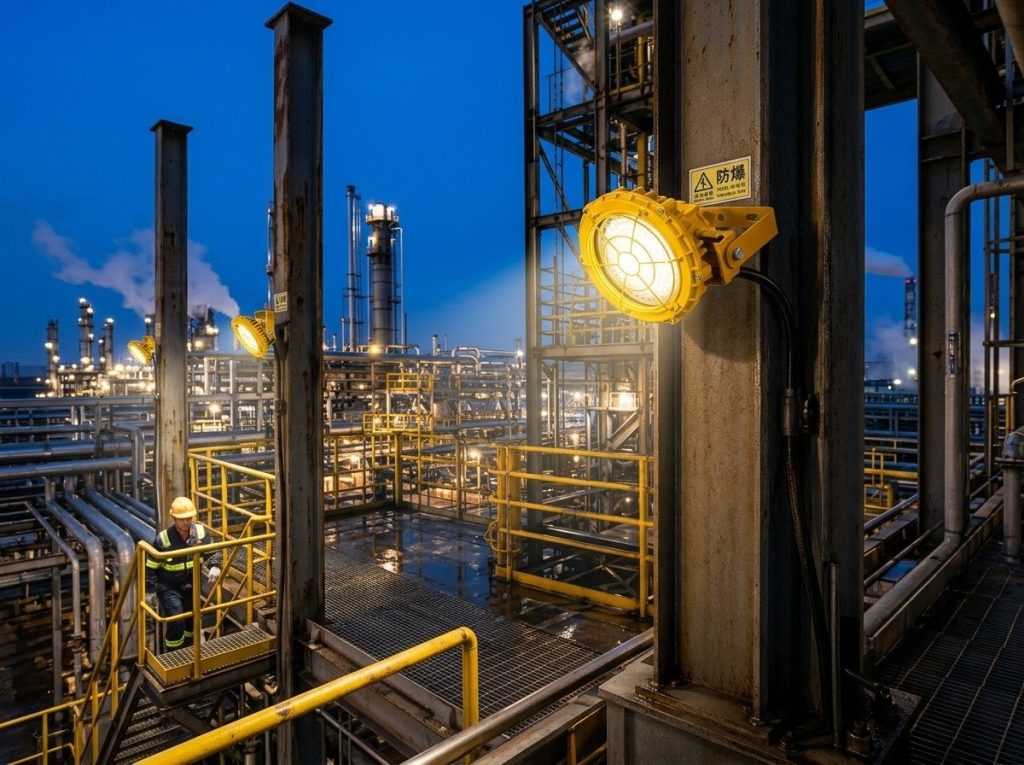
All replacement and modification of the drivers will also need to be done according to the manufacturer’s approved maintenance procedure to maintain the explosion-proof integrity of the fixture.
Conclusion
The lifespan of the driver is shorter compared to that of LED chips due to the fact that the driver parts are more susceptible to damage by factors such as temperature, electricity, moisture and mechanical ageing.
When selecting explosion proof LED flood lights for industrial use, there is need to evaluate the whole unit including its ability to withstand harsh conditions.
