
Marine Floodlights vs. Marine Spotlights: How to Make a Choice
Marine lighting matters because they help crews see better at night. They also support night work and improve safety on vessels and offshore sites. Two common options are marine floodlights and marine spotlights. They both aim to light up areas at sea, but they differ significantly in beam angle, light distribution, illumination distance, and practical applications..
It helps shipowners, marine engineers, vessel operators, and equipment buyers choose the suitable lighting for specific requirements if they know the key differences between marine floodlights and marine spotlights. Whether illuminating a large working deck or identifying objects at a distance, selecting the correct marine lighting equipment can improve operational efficiency and support safer activities at sea.
Understanding Marine Floodlights
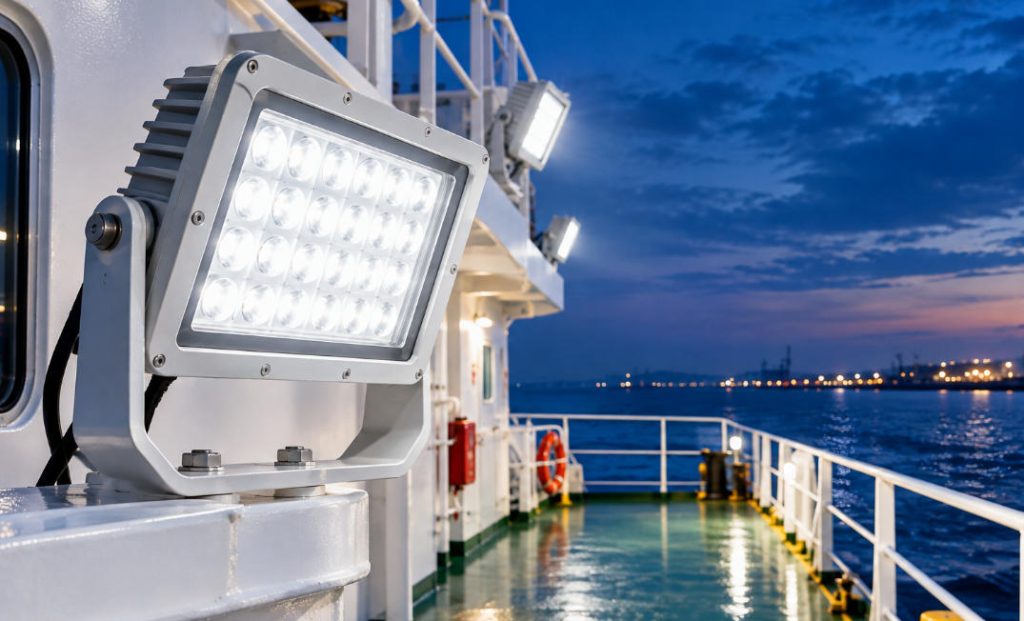
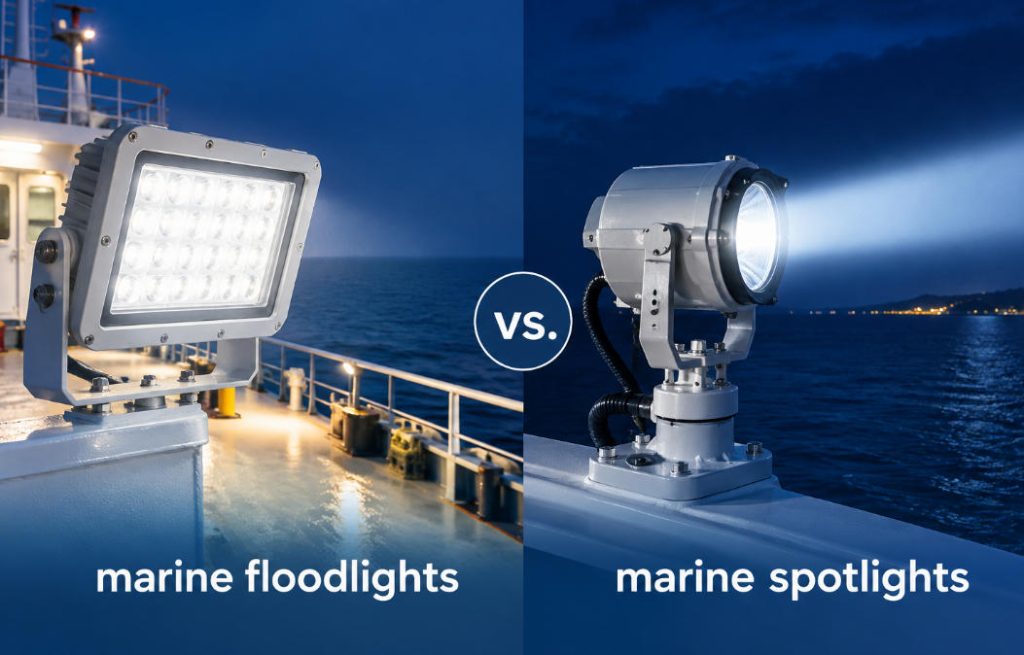
A marine floodlight is made to cover a wider area. The beam is broad, so the light spreads over a larger surface. This makes it useful for ship decks, cargo work zones, maintenance spots, and offshore platforms where people move around.
Floodlights are often set higher up. You may find them on masts, bulkheads, roof lines, and other raised mounts. They come in many power levels and beam setups. Different mounting styles are also available. Light source types can differ too.
LED marine floodlights are used a lot today. Many people pick them for low power use and long life. They also tend to need less upkeep. With the right build, they can handle salt air, wet weather, spray, and shaking from vibration.

The main goal of a floodlight is simple. It helps a crew see a work area clearly. Instead of focusing on one target, it spreads light across the space. That way, crew members can spot gear, trip risks, and other dangers.
Understanding Marine Spotlights
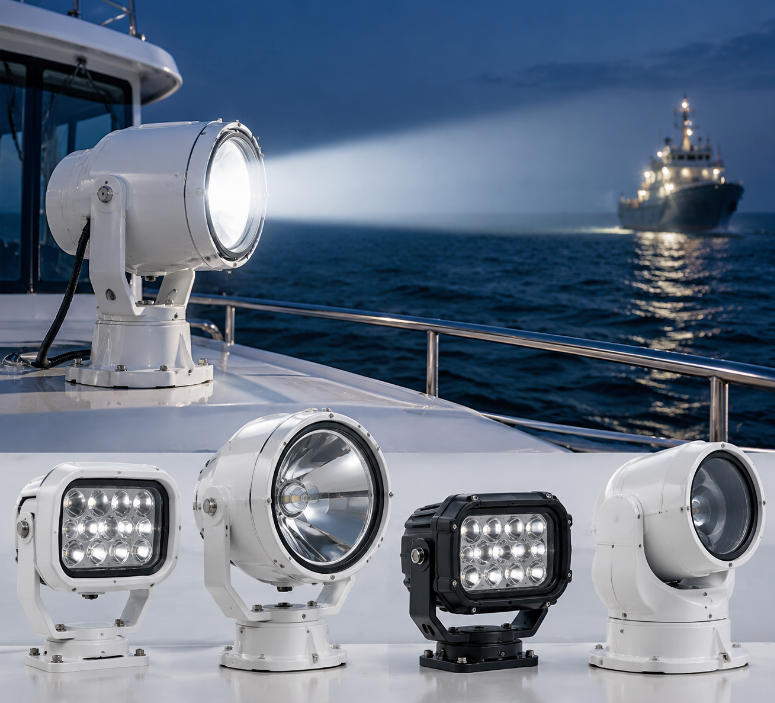
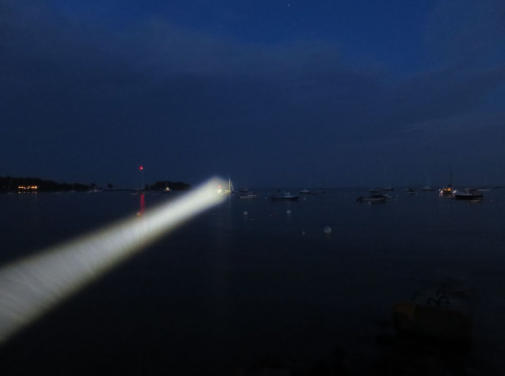
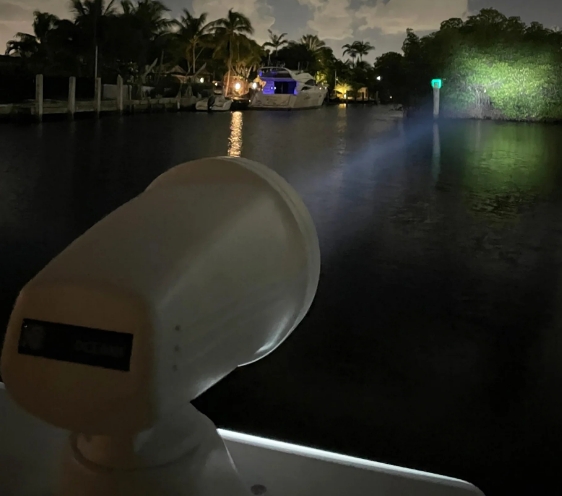
A marine spotlight sends light in a tighter beam. The light is more focused, not spread out. With this design, operators can spot items more clearly. It can also help with checks of farther areas. It is useful when you want light directed right where attention is needed.
Spotlights are often placed where the view stays open. Common spots include bridge roofs and cabin tops. Some spotlight models let the operator move the beam. They can adjust side to side and up and down. That helps when the ship moves or conditions shift.
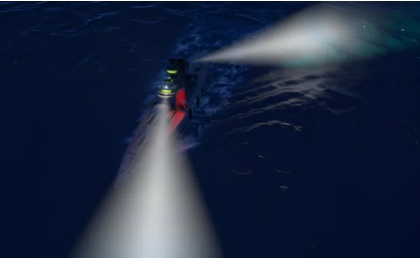
You will see marine spotlights on patrol craft, fishing boats, rescue vessels, yachts, and commercial ships. People use them to find floating obstacles, check navigation markers, light up a specific patch of water, and support search and rescue work.
Marine spotlights can be found in various brightness levels, different lens and reflector setups. When you pick one, look at how strong the light is, how tight the beam is, how far the light can do real work, how well the beam can be aimed, and how well it holds up around salt water, spray, and weather.
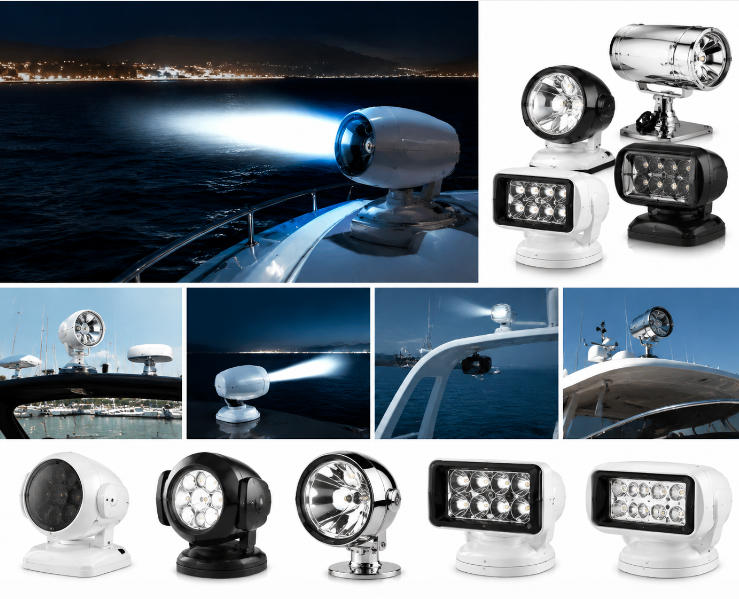
Table of Contents
Key Differences Between Marine Floodlights and Marine Spotlights
Marine floodlights and marine spotlights are designed for different lighting needs. Some products can overlap in what they can do, but the core design choices change how they perform. That affects which one fits a given job on a ship.
1. Beam Angle and Light Distribution
Beam angle is a main way these two types differ. It controls how wide the light spreads and how large the lit area becomes.
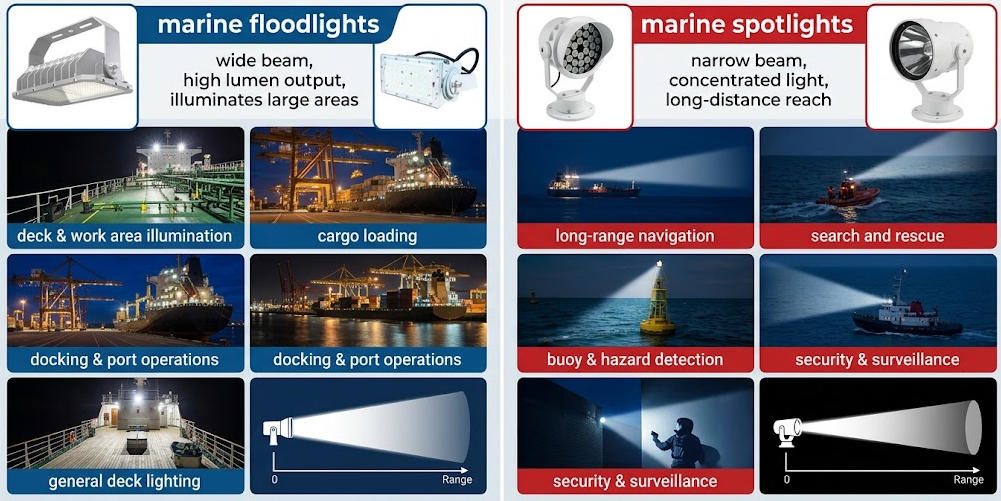
Marine floodlights usually come with wider beam angles. The idea is to cover decks, paths, storage zones, and other work areas. With a wider spread, the light fills more of the surface and helps cut down on dark patches.
Marine spotlights tend to use tighter beams. They push light toward one place instead of covering a big zone. This helps crews spot distant items and check a specific spot without lighting every direction around it.
For instance, during night cargo work, a ship may need a floodlight to light up a wide deck. If the crew then has to check something farther out on the water, a spotlight can give more useful light for that one target.
When you compare models, read the listed beam angle values and any photometric charts. Do not judge only by the look of the fixture or by watt count.

2. Illumination Distance and Brightness
These two types also differ in how they create useful light at distance.
Floodlights spread the light across a large area. They work well for close work surfaces. Since the light covers a wide space, it can be harder to see small details far away.
Spotlights keep the light packed into a narrower beam. More of the light stays on the set target. That suits long-distance viewing, like spotting obstacles or checking objects at sea.
You also should not judge brightness only from wattage. Higher power use does not always mean more usable light hits the target. Buyers should check luminous flux, luminous intensity, beam angle, optical efficiency, and the illumination figures for the distance you plan to work at.
Choosing the right balance between light output and beam distribution is essential for achieving effective marine lighting performance.
3. Marine Applications
The applications of marine floodlights and marine spotlights reflect their different illumination characteristics.
| Application | Marine Floodlights | Marine Spotlights | Recommended Choice |
| Deck illumination | Provide broad, uniform lighting across large deck areas | Illuminate specific deck sections or work points | Marine floodlights for general deck lighting |
| Cargo loading and unloading | Light up wide cargo handling areas | Focus light on specific cargo or lifting operations | Marine floodlights for overall visibility; spotlights for targeted tasks |
| Navigation assistance | Improve visibility around the vessel but are not a substitute for navigation lights | Help identify specific objects, obstacles, or nearby vessels | Marine spotlights for targeted observation |
| Search and rescue | Illuminate broad search areas and assist rescue operations | Project a concentrated beam over long distances to locate people or objects | Marine spotlights for long-range searching |
| Mooring and docking | Provide wide-area lighting around mooring stations and access points | Direct light toward mooring lines, bollards, or docking hazards | Marine floodlights for general illumination; spotlights for precise inspection |
| Engine room and maintenance areas | Illuminate larger working zones when suitable fixtures are installed | Highlight specific components that require inspection or repair | Marine floodlights for area lighting; spotlights for detailed work |
| Fishing operations | Illuminate broad working areas and vessel decks | Target specific areas of water or equipment, depending on the fishing method | Marine floodlights for general work lighting; spotlights for focused tasks |
| Emergency operations | Provide wide-area visibility during onboard emergencies | Help crews inspect specific hazards or locate targets at a distance | Marine floodlights for general visibility; spotlights for targeted searches |
| Shipyard and offshore platform work | Cover large outdoor workspaces and equipment zones | Focus on particular machinery, structures, or inspection points | Marine floodlights for broad coverage |
| Nighttime surveillance | Improve visibility across open areas around the vessel | Direct a beam toward suspicious activity or distant objects | Marine spotlights for targeted surveillance |
For most general onboard work, marine floodlights are the better primary lighting option. Marine spotlights are the better choice for targeted illumination and long-distance searches.
4. Installation and Directional Control
Installation details affect which marine light will suit a vessel.
Marine floodlights are often fixed on masts, deck structures, and outer walls. When they are positioned, they should cover the area well and avoid harsh glare, big shadows, and blocked paths. For wide working spaces, a ship may need more than one floodlight to keep light level fairly even.
Marine spotlights are commonly fitted so the beam can be aimed at chosen targets. Some adjustable spotlight units include turning parts, tilt controls, or remote control from the bridge.
These options help in daily use, but they can add installation and upkeep tasks. Buyers should check available mounting room, the control method, wiring needs, beam reach or operating limits, and how easy it is to service the unit.
When space is tight, compact LED fixtures can be a practical choice. Still, the selected equipment must match the vessel’s electrical, mechanical, and weather-related needs.
5. Durability and Maintenance
Marine floodlights and marine spotlights must handle tough conditions. This includes salt spray, damp air, shaking and vibration, temperature swings, and long hours outside.
Marine floodlights often go on with simpler mounting since many are fixed units. Routine work may involve wiping the optical faces, verifying cable and connection points, checking seals, and making sure corrosion has not damaged the body or the parts used for mounting.
Marine lights might look alike at first, but some units can still include parts that move. That can mean adjustment parts, aiming systems, or remote controls. Those extra pieces often need routine checks so the light keeps working as expected.
With LED technology used in marine lighting, the need for upkeep can drop. Still, the real lifespan depends on several practical factors. LED quality matters, but so does heat control. Operating heat, power supply steadiness, and how well the unit resists water and dust also play a role.
When you shop, focus on more than a single spec line. Look for the ingress protection rating first. Then check for corrosion-resistant materials and temperature limits that match the boat’s conditions. Marine approvals and certificates should also match what the buyer needs. If the light will be used near explosive or risky areas, it may need extra approvals for that exact site.
Summary Comparison Table Between Marine Floodlights and Marine Spotlights
| Comparison Factor | Marine Floodlights | Marine Spotlights |
| Primary Purpose | Illuminate large working areas | Illuminate specific targets or locations |
| Beam Angle | Wide beam angle | Narrow, concentrated beam angle |
| Light Distribution | Spreads light across a broad area | Directs light toward a focused target |
| Illumination Distance | Best suited for nearby and medium-range area coverage | Often suitable for longer-distance illumination |
| Coverage Area | Covers large surfaces | Covers a smaller, localized area |
| Light Intensity | Distributes light across a wider space | Concentrates light intensity on a specific target |
| Directional Control | Commonly fixed, with adjustable models available | Often adjustable horizontally and vertically |
| Typical Installation | Ship decks, masts, bulkheads, and cargo areas | Bridge roofs, cabin tops, and spotlight mounts |
| Main Applications | Deck operations, cargo handling, maintenance, and general work lighting | Search and rescue, obstacle detection, target inspection, and navigation assistance |
| Common Vessel Types | Cargo ships, fishing vessels, offshore support vessels, and passenger ships | Patrol boats, rescue vessels, fishing boats, yachts, and commercial ships |
| Main Advantages | Broad coverage, improved working-area visibility, and fewer dark zones | Focused illumination, better target visibility, and directional flexibility |
| Main Limitations | May be less effective for identifying distant objects | May not adequately illuminate surrounding working areas |
| Installation Considerations | Mounting height, beam coverage, fixture spacing, and shadow reduction | Viewing angle, movement range, mounting position, and control accessibility |
| Maintenance Requirements | Cleaning lenses, checking seals, inspecting connections, and corrosion prevention | Similar maintenance, with additional checks for movement mechanisms on adjustable models |
| Best Choice For | General deck lighting and broad-area illumination | Focused lighting and long-distance visibility |
How to Choose Between Marine Floodlights and Marine Spotlights
Selecting the right marine lighting equipment requires more than comparing brightness ratings. Think about what the light will be used for. Also consider where it will mount, the local weather and seawater exposure, the power source, and how far the light must reach.
Consider the Intended Application
On decks, for cargo work, for outdoor upkeep, and for general work zones, marine floodlights are often the better pick. They spread light over a wider area. That wider spread helps people move and work safely across larger sections.
If the job is to find objects farther away, watch the water, check one spot, or support search work, marine spotlights fit better. Their tight beam lets the operator aim light at a specific target.
If the vessel needs both kinds of tasks, using both floodlights and spotlights can cover more ground. One type alone may not handle every situation well.
Evaluate Brightness and Beam Angle
Brightness matters, but a higher lumen number does not always mean better long-range visibility. Buyers should also review the beam angle and how much light reaches the target. Optical design matters too. You also need to confirm the distance where the light stays useful.
Floodlights usually work best with wider beam patterns. These spread light across a larger space. Spotlights need a tighter beam. That tight beam helps keep illumination effective over longer distances.
It helps to review photometric reports and on-paper light measurements. That can show if the fixture matches what the vessel actually requires.
Check Marine Environmental Protection
Salt spray, wet weather, humidity, vibration, and temperature swings can lower performance. They can also shorten service life. The unit should be chosen for the real installation setting and the boat’s technical needs.
Key details include ingress protection, corrosion resistance, the type of housing, and the operating temperature. Shock resistance is also important. You should also confirm electrical fit with the boat system. In areas that may be explosive, the fixture must have the right certification for that specific hazardous setup.
Compare Installation and Maintenance Requirements
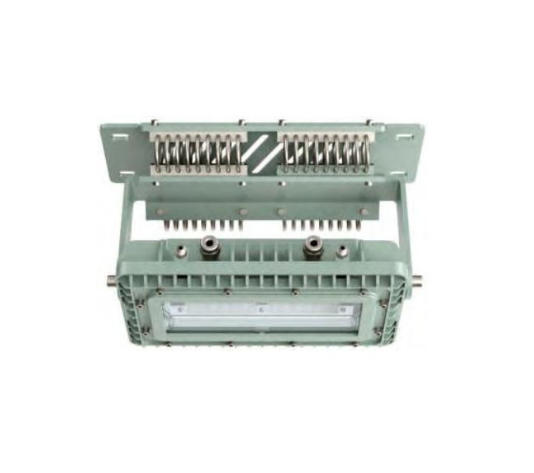
Floodlights usually stay in one spot. When planning the setup, think about how far the light reaches, how high you mount the units, and how to cut down on dark patches from poles or parts of the vessel. Spotlights often need more room, plus moving parts or a control option if you want to aim them after installation.
For upkeep, plan for safe access to the fixture. Also account for what needs to be cleaned, how the power wiring is connected, how watertight seals are kept, and what parts may need to be swapped later. Using tough marine-rated units can lower the chance of frequent repairs during years of service.

Consider Energy Efficiency and Total Cost
The sticker price is not the full story. You also look at power draw, how long the unit is expected to last, how often it needs service, the install cost, and how soon parts might be replaced.
LED marine floodlights and LED spotlights can use less power and may need less work than some older lighting types. Still, results depend on the brand build, how the unit is run, and whether the light fits the job it is meant to do.

Can Marine Floodlights and Marine Spotlights Be Used Together?
Yes. Many operators use both types at the same time since they cover different needs.
Floodlights help light the deck and work zones. Crew can move and do tasks with fewer blind spots. Spotlights can then send light farther out, toward water areas, hazards nearby, or places that need a closer look.
A commercial ship might run floodlights over the cargo deck during loading. A spotlight can stay ready to check the water near the hull. A fishing boat might use floodlights for general deck work, then use a spotlight to find objects or check a specific zone at night.
If you run both, place them with care. Use controls that can be set separately. Make sure the beams do not create harsh glare. The goal is clear visibility for the crew, without making it hard to see or causing distraction for other boats.
Summary
Marine floodlights and marine spotlights do different jobs, but they work well side by side. Floodlights give wide coverage for decks, cargo work, maintenance areas, and other daily tasks. Spotlights focus the beam on one target, which helps with long-range viewing, spotting objects, search work, and nighttime inspections.
Key differences show up in beam angle, light distribution, illumination distance, directional control, and application suitability. When you understand those points, it is easier to select marine lights that match the vessel tasks. For many vessels, the most effective option is not always to choose one type over the other. Often, the answer is to use both marine floodlights and marine spotlights, based on what the crew needs to do.
Look at the performance specs first. Next, check how well the lights handle harsh weather and salt air. Then compare energy use, and also review how easy they are to mount and wire. With those points in mind, an operator can put together a solid lighting system. That can help improve safety and make daily marine work run more smoothly.
