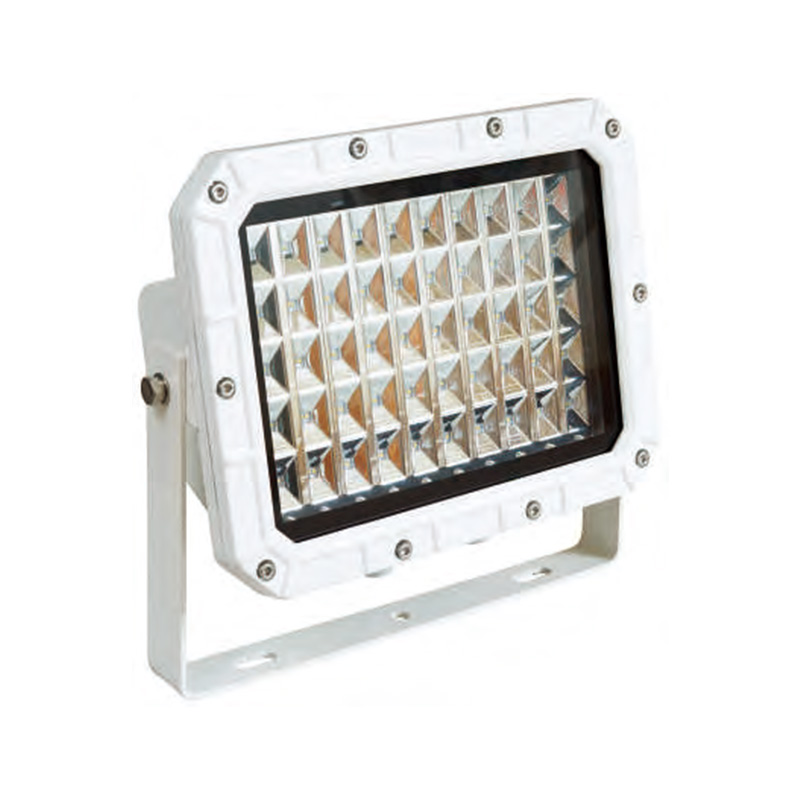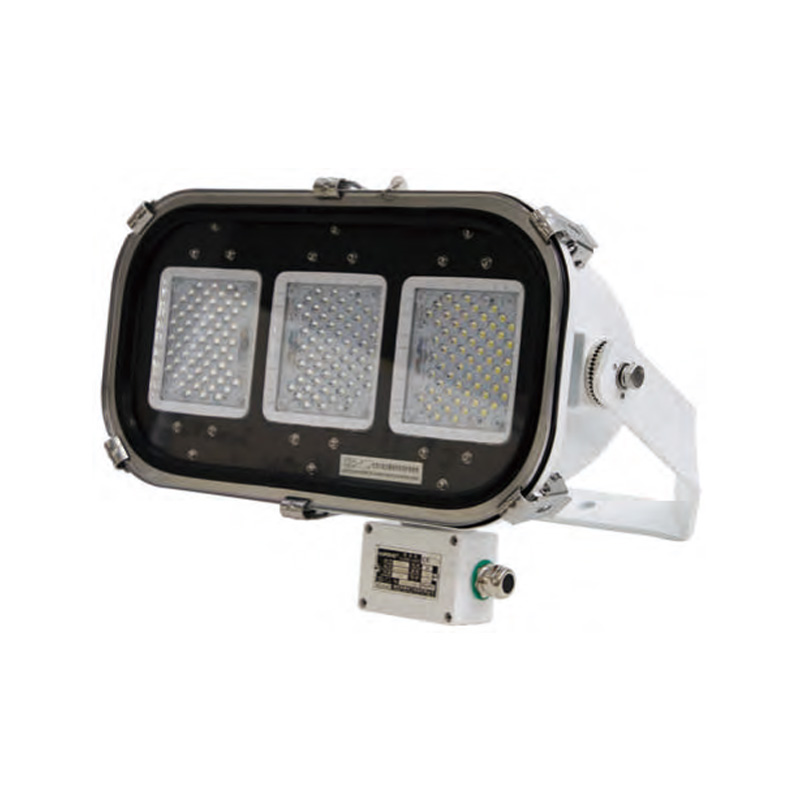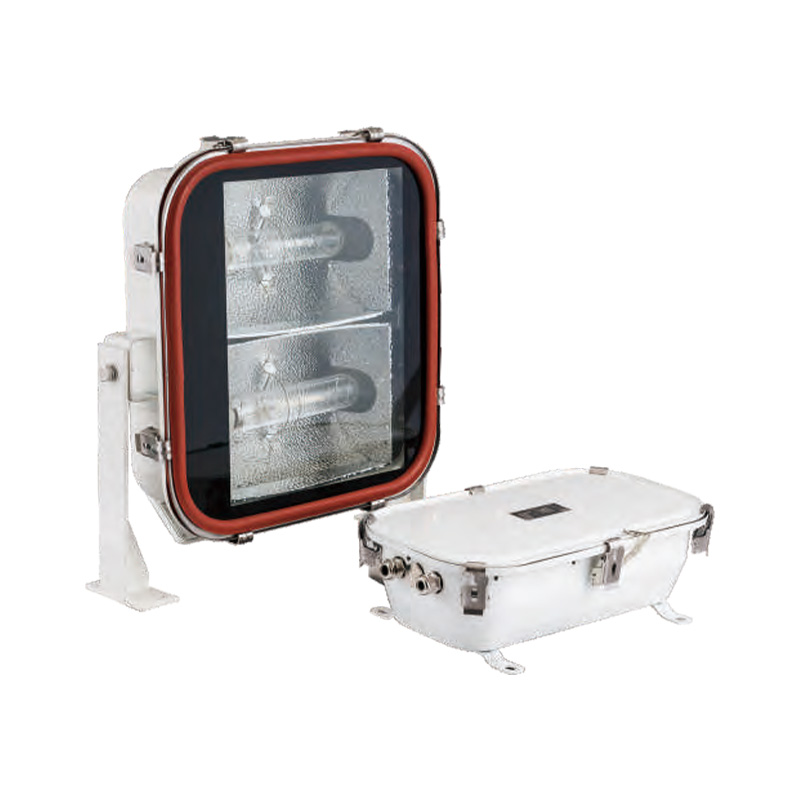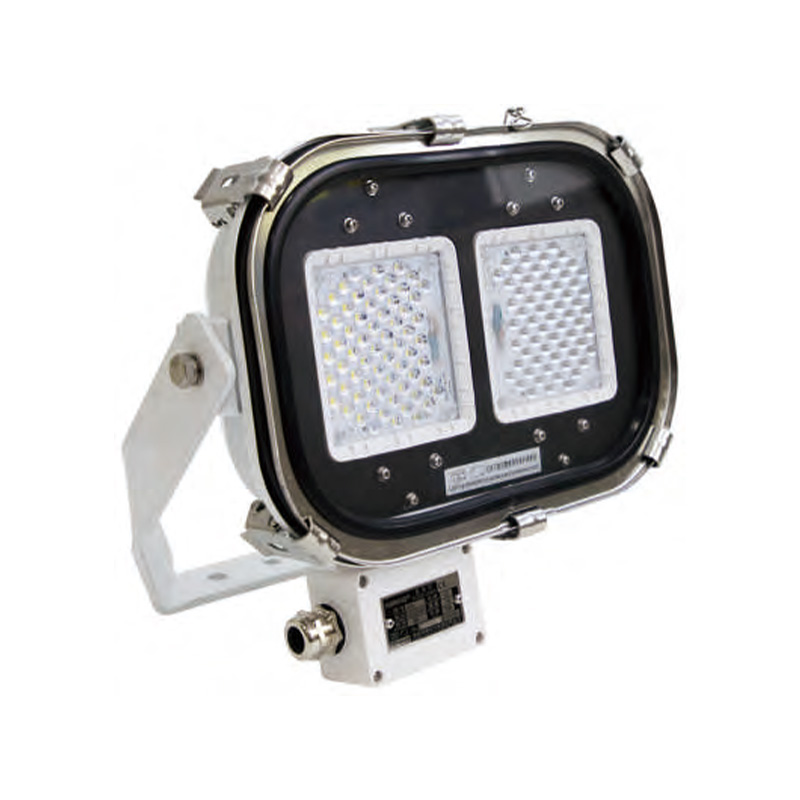
Narrow Beam Vs. Wide Beam Marine Spotlights Which Beam Angle Is Best for Your Vessel
The use of the boat during nighttime visibility not only creates a hassle but is also a crucial safety requirement. In case you find yourself sailing into the waters while moving toward the busy harbor or performing search and rescue operation or work on deck during nighttime, choosing the right marine spotlight can make all the difference.
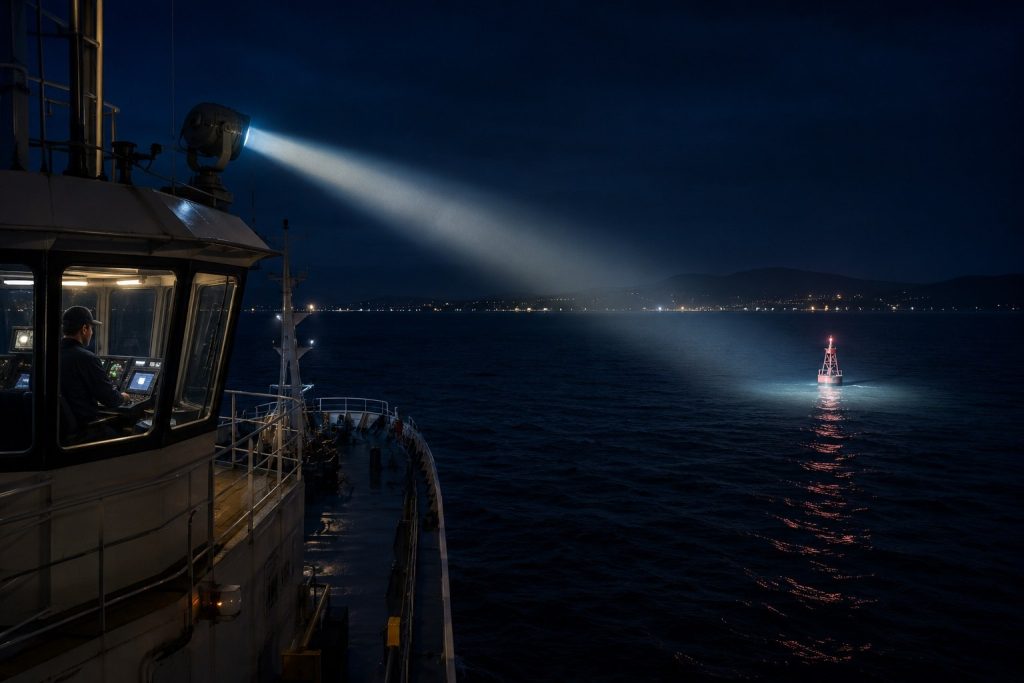
A lot of owners of vessels focus on wattage or brightness when choosing the best spotlight. However, beam angle is generally more significant when it comes to practical performance. The knowledge about the distinction between narrow and wide beam marine spotlights will help you in choosing the right lighting system for your boat’s operating environment.
Table of Contents
Why Beam Angle Matters More Than Brightness
Beam angle determines how light will be dispersed. A spotlight with a narrow beam focuses light onto a tiny area, which allows it to cover greater distances. A broad beam distributes light across an area larger, enhancing the close-range view.
Two spotlights that have the same power output could perform different based on the angle of their beam. In the majority of marine applications, choosing the right design of the beam can be more crucial than choosing the one with the highest lumen output.
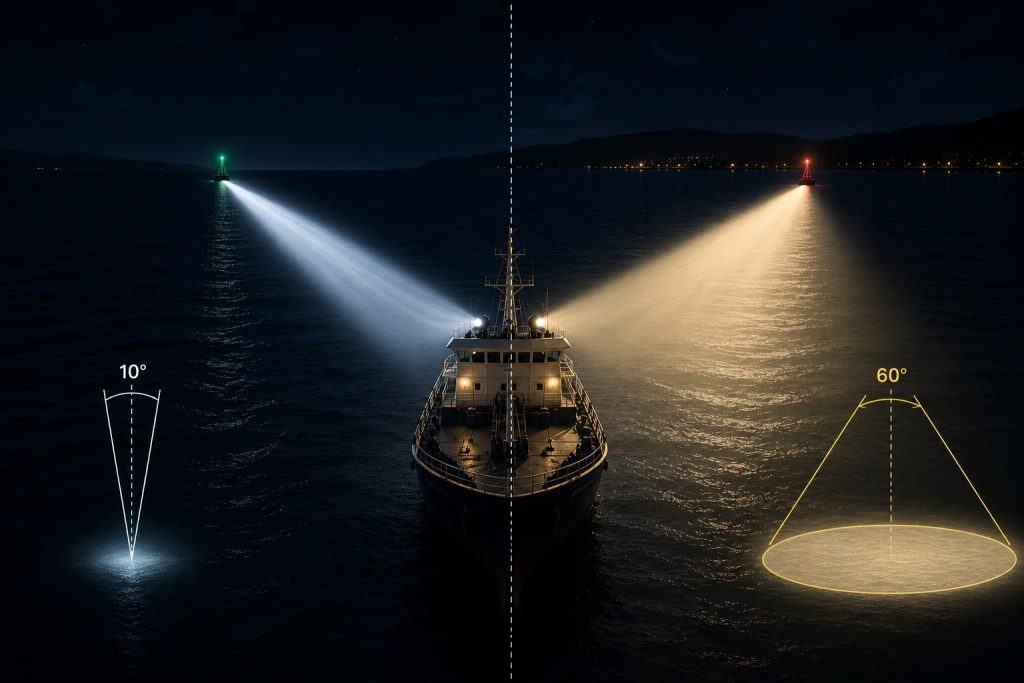
The most important factors affecting beam angle are:
- Distance of visibility
- Area of coverage
- Target identification
- Docking security
- Performance in extreme conditions
What Is a Narrow Beam Marine Spotlight?
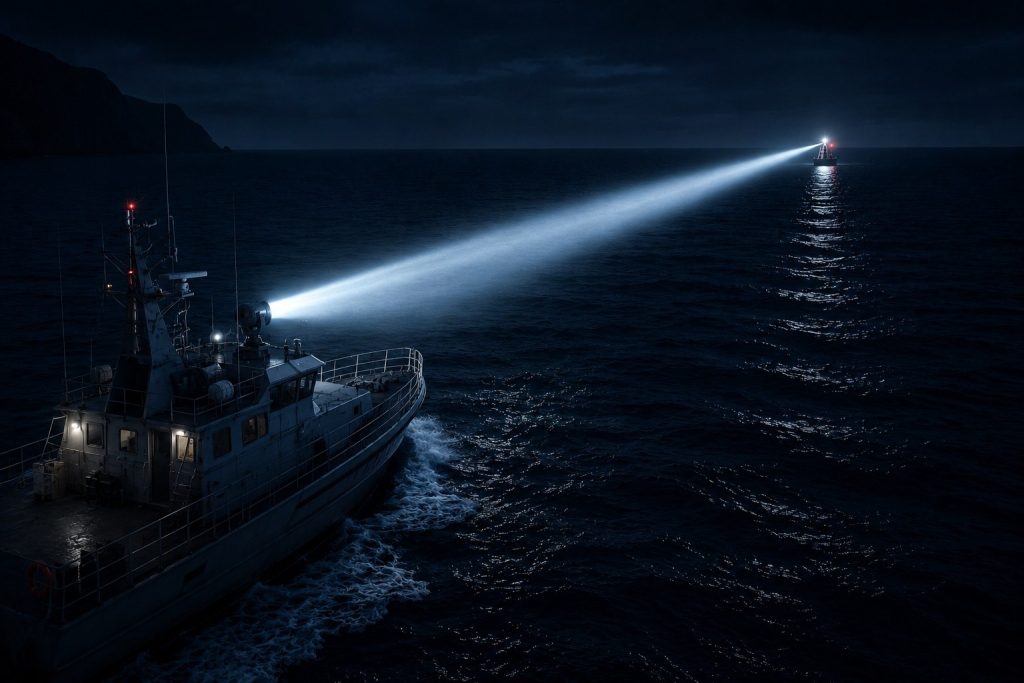
An narrow beam flashlight usually has a beam angle of 5deg to 20deg. Because the light is focused, it is able to illuminate objects that are farther away.
Advantages of Narrow Beam Spotlights
- Excellent long-range visibility
- Improved recognition of distant objects
- Reducing light scatter
- Improvements in offshore navigation performance
Common Applications
Spotlights with narrow beams are often utilized for:
- Supply vessels off the coast
- Patrol boats
- Pilot vessels
- Fishing vessels operating in open water
- Search and Rescue vessels
They are often required to find buoys flotillas, floating objects or any other vessel hundreds of meters in advance.
What Is a Wide Beam Marine Spotlight?
Wide beam spotlights typically span from 30deg up to 120deg. Instead of focusing illumination over large distances, they light up an area that is close to where the boat is.

Advantages of Wide Beam Spotlights
- Wider field of vision
- Better deck illumination
- Improved close-range awareness
- Easier docking and maneuvering
Common Applications
Large beam spotlights are typically employed for:
- Harbor operations
- Docking procedure
- Deck maintenance
- Cargo handling
- Nearshore navigation
For vessels operating frequently in tight spaces, wide beam lighting can increase security by eliminating blind spots surrounding the vessel.
Narrow Beam vs. Wide Beam: Key Differences
| Feature | Narrow Beam | Wide Beam |
| Beam Angle | 5deg-20deg | 30deg-120deg |
| Visibility Distance | Long Range | Short to Medium Range |
| Coverage Area | Smaller | Larger |
| Offshore Navigation | Excellent | Limited |
| Docking Operations | Fair | Excellent |
| Deck Illumination | Poor | Excellent |
| Target Identification | Excellent | Moderate |
There is no universally superior option. The correct choice will depend on the way and location in which the vessel is operating.
Best Beam Angles for Different Vessel Types
Different marine operations require different lighting characteristics.
Fishing Boats
For fishing offshore A beam that is 10deg-20deg offers the best balance of the range and visibility.
Tugboats
Tugboats are typically operated at slow speeds and at close distances, which makes wider beam angles more useful.
Pilot Boats
Pilot vessels often switch between open waters and ports and ports, which makes dual beam systems the most popular option.
Search and Rescue Vessels
The search operations can benefit greatly from the mixture of broad beam and narrow beam lighting. Long-range visibility aids in locating targets, and wide coverage helps in recovering operations.
Cargo and Commercial Ships
A lot of commercial vessels employ multiple spotlight configurations to meet various operational needs.
How Beam Angle Performs in Fog and Rain
Conditions in the weather can greatly affect the performance of spotlights.
A narrow beam usually will penetrate fog, mist and rain better since the light is absorbed within a narrower area. Broad beams, although beneficial for lighting the surrounding area they can cause more reflection light in bad weather conditions.
However, no spotlight can completely overcome heavy fog. A proper navigation practice and radar systems are essential for ensuring the safety of vessel operations.
Why Many Commercial Vessels Use Dual-Beam Systems
Modern marine operations typically require long-range visibility as well as broad-area illumination. This is why the majority of commercial operators use dual beam or adjustable-beam spotlights.
These systems let crews switch between focused long-distance illumination as well as broad-area illumination, depending on the operational requirements. This flexibility is crucial for vessels operating the harbor and offshore areas.
Conclusion
The choice between narrow beam or a wide beam marine spotlight isn’t only a matter of light. Beam angle influences the distance of visibility, the coverage area, as well as the safety of operations.
For navigation off the coast and long-range target recognition small beams of light are typically the most preferred choice. For docking, deck work and close-range tasks broad beam spotlights offer better coverage. vessels operating in multiple locations can benefit from dual beam lighting systems which have both functions.
In understanding the effects of beam angle on the performance of vessels, operators and owners can make better informed choices and enhance the safety of nighttime operations.
FAQ
Q1: What beam angle is best for a fishing boat?
For most offshore fishing boats, a beam angle between 10° and 20° provides the best balance between long-range visibility and target identification.
A narrower beam helps operators spot buoys, floating debris, and navigation markers from a greater distance, especially during nighttime operations.
Q2: Is a narrow beam spotlight better for offshore navigation?
In most cases, yes.
Offshore navigation requires vessel operators to identify potential hazards as early as possible. Narrow beam spotlights concentrate light into a focused area, allowing greater illumination distance than wide beam alternatives.
This is why many patrol boats, pilot vessels, and offshore support vessels rely on narrow beam searchlights.
Q3: What beam angle is best for docking and harbor operations?
Wide beam spotlights are generally more suitable for docking.
A beam angle between 30° and 60° can illuminate a larger area around the vessel, helping crews identify nearby obstacles, dock structures, and mooring equipment.
Q4: Are dual-beam marine spotlights worth it?
For vessels operating in multiple environments, dual-beam systems can be highly beneficial.
They allow operators to switch between:
- Long-range navigation mode
- Wide-area work-light mode
This flexibility makes them particularly popular on pilot boats, rescue vessels, patrol craft, and commercial workboats.