Marine lighting supplier vs distributor comparison for marine projects
| |

Marine Lighting Supplier vs Distributor: Which Is Right for Your Project?

When sourcing marine lighting, the right purchasing channel depends on your order volume, project requirements, delivery time, customization needs, and certification requirements. A distributor may be more suitable when you need a small quantity quickly. A direct marine lighting supplier is often more suitable for bulk orders, vessel projects, fleet replacement, OEM, or customized lighting….

Visibility Range Requirements for Navigation Lights

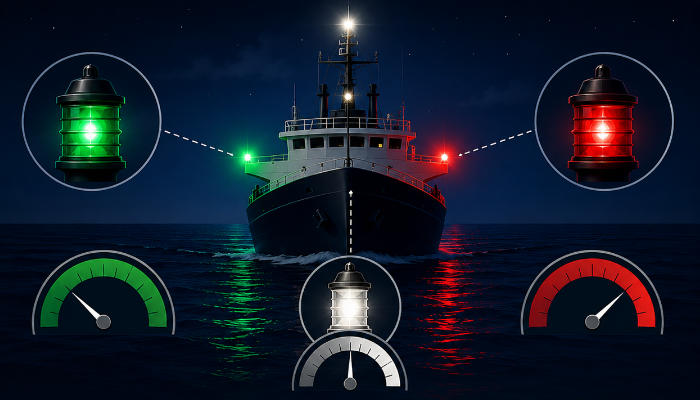
What Determines the Required Navigation Light Visibility Range

Navigation lights are really key safety equipment for marine vessels; they sort of communicate with others where the ship is, which way it’s moving and what it’s doing operationally, mainly when it’s dark out or visibility is limited. One of the most important requirements for navigation lights is their visibility range, which determines how far…

Common Navigation Light Problems
|

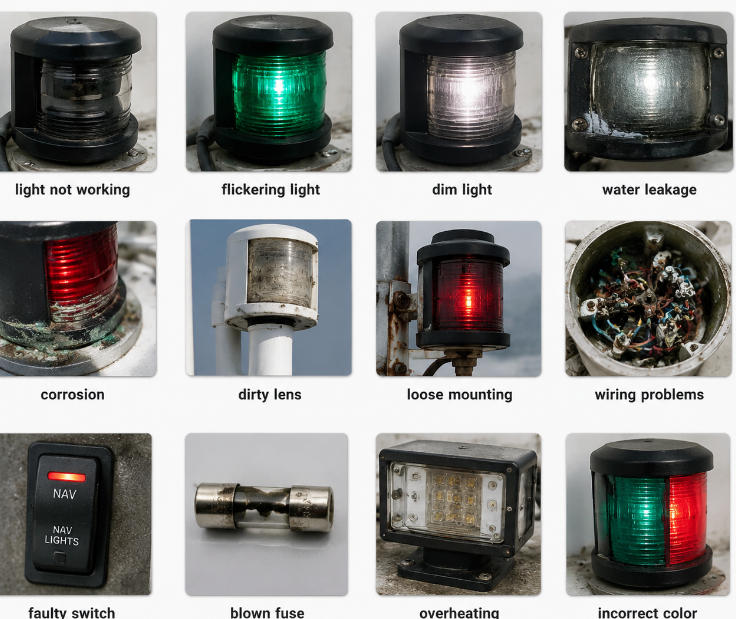
Common Problems in Navigation Lights: How to Solve

Navigation lights are essential safety equipment on ships, boats, and offshore vessels. Navigation light starts acting up, even a little, it can turn into a big safety issue, like collisions, confusion between vessels, and even problems with maritime regulations. Sure, today’s navigation lights are made to last a long time, but they still can develop…

Types of Marine Navigation Lights
|

How to Choose the Right Navigation Lights for Your Vessels

Navigation lights are essential safety equipment for every vessel, from small recreational boats to really large commercial ships. A suitable navigation lighting system helps other vessels recognize where you are, the direction of travel, and even what you’re doing operationally, especially during nighttime navigation, when visibility drops, or in emergency cases. Selecting the right navigation lights…

Low-Voltage vs. High-Voltage Marine Navigation Lights
|

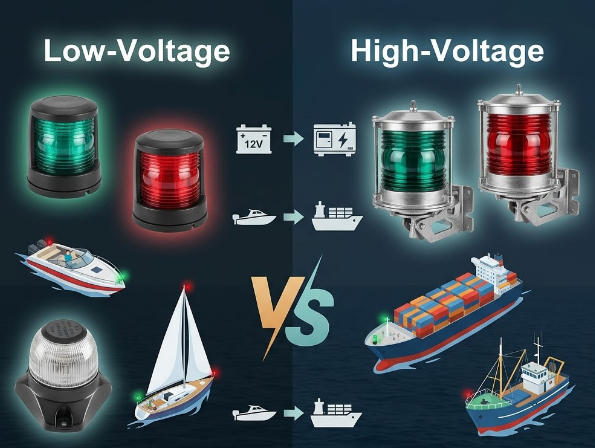
Low-Voltage vs. High-Voltage Navigation Lights: How to Choose

Navigation lights are a fundamental part of marine safety systems, making sure a vessel stays visible and correctly identifiable when its dark, foggy, or otherwise low visibility. The optical requirements are set by maritime regulations, but the electrical voltage side behind all of it also plays a big role in safety, overall performance, and the…

Marine Searchlights vs. Navigation Lights: Complementary Roles
|

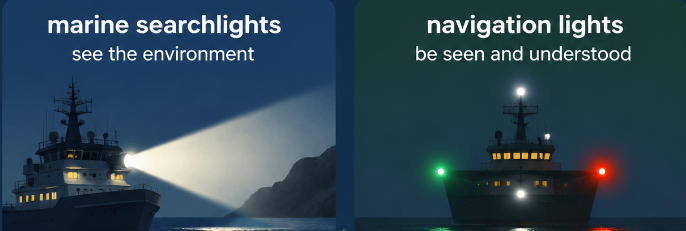
Marine Searchlights vs. Navigation Lights: Complementary Roles

Marine lighting systems are essential safety tools that help a vessel keep moving safely in darkness and in poor visibility, also when waterways get busy. Onboard, you will often rely on two major kinds of lighting: marine searchlights and navigation lights. Even if both are about helping people see, they are made for very different purposes. If you…

Battery-powered vs. Wired Naviga
|

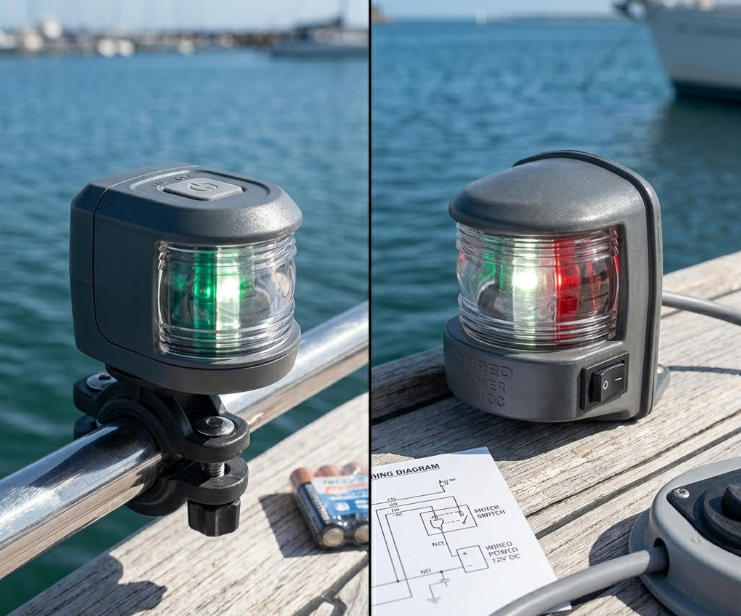
Battery-powered vs. Wired Marine Navigation Lights: How to Make a Choice

Navigation lights are one of the most important safety equipment for marine vessel. Boat owners and operators usually choose between two main types: battery-powered navigation lights and wired marine navigation lights. Each choice has its own good points and limitations, depending on the vessel type, daily operational requirements, installation, routine maintenance, etc. Understanding Marine Navigation Lights Marine…

Flashing signal light vs Morse signal light on modern marine vessels
| |

Flashing Signal Light vs Morse Signal Light: Which Marine Signal Light System Is More Suitable for Modern Vessels?

In many vessel procurement projects, Flashing signal light and Morse signal light are often grouped into the same category of marine signal lights. However, once they are used in real maritime operations, shipowners quickly realize that although both are visual signaling devices, they serve completely different safety purposes. Many articles only explain them at a…

COLREG Regulations for Navigation Lights
| |

How to Comply COLREG Regulations for Navigation Lights

Navigation safety at sea is fundamental for maritime operations, and complying with international regulations makes it possible for vessels to move without causing trouble and avoid collisions. The International Regulations for Preventing Collisions at Sea (COLREGs), which were set by the International Maritime Organization (IMO), lay out detailed guidance for navigation and include very specific requirements…

End of content

End of content