
How to Test the Quality of Navigation Lights
Navigation lights are essential safety equipment for any vessel; they help a ship figure out its position, direction, and what it’s doing while things are dark out there, or when visibility is bad. A good set of navigation lights should give steady light output and hold up in harsh marine conditions and follow the international maritime safety standards. Testing the quality of navigation lights is a crucial process, so they actually work properly when you need them.
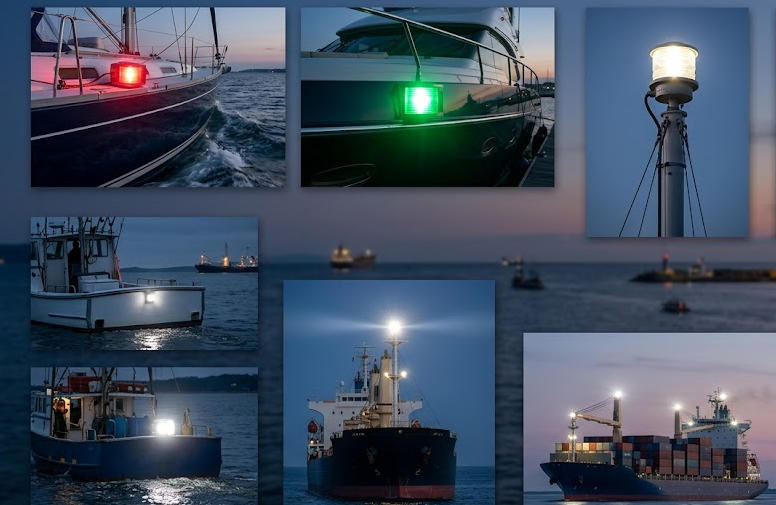
Table of Contents
What Determines the Quality of Navigation Lights
The following chart provides the key factors affecting the quality of navigation lights.
| Key Factor | Description | Impact on Navigation Light Quality |
| Light Intensity and Visibility | Determines whether the navigation light can be clearly seen from the required distance under nighttime or low-visibility conditions. | Ensures vessels can identify signals accurately and improves navigation safety. |
| Color Accuracy | Measures whether red, green, and white lights produce the correct signal colors according to marine requirements. | Prevents signal confusion and supports correct vessel identification. |
| Light Distribution and Beam Angle | Evaluates whether the light covers the required viewing range with uniform illumination. | Provides clear visibility from different directions and improves signaling reliability. |
| LED Source Quality | Refers to the performance, stability, and lifespan of the LED components used in the light. | Influences brightness consistency, energy efficiency, and service life. |
| Waterproof Performance | Indicates the ability of the navigation light housing and seals to prevent water penetration. | Protects internal electrical components and ensures reliable operation in wet marine environments. |
| Corrosion Resistance | Measures the ability of materials to withstand saltwater, humidity, and marine exposure. | Extends product lifespan and reduces maintenance needs. |
| Material Quality | Includes the durability of housing materials, lenses, seals, and internal components. | Improves structural strength and resistance to harsh operating conditions. |
| Electrical Reliability | Covers voltage stability, circuit protection, power efficiency, and heat management. | Prevents failures caused by overheating, power fluctuations, or electrical faults. |
| Energy Efficiency | Evaluates the relationship between power consumption and lighting performance. | Reduces vessel energy usage and improves operational efficiency. |
| Mechanical Durability | Tests resistance to vibration, impact, and continuous movement during vessel operation. | Ensures stable performance in rough sea conditions. |
| Operating Temperature Range | Measures performance under high and low temperature environments. | Allows navigation lights to function reliably in different climates and regions. |
| Service Life | Refers to the expected operating time before performance degradation occurs. | Reduces replacement frequency and lowers maintenance costs. |
| Manufacturing Precision | Includes assembly accuracy, component quality control, and production consistency. | Ensures dependable performance and reduces product defects. |
| Compliance with Marine Standards | Ensures navigation lights meet required maritime regulations and certification standards. | Guarantees safety, reliability, and suitability for vessel applications. |
| Maintenance Requirements | Considers ease of inspection, cleaning, repair, and replacement. | Improves long-term usability and reduces operational downtime. |
Why Testing Navigation Light Quality is Important
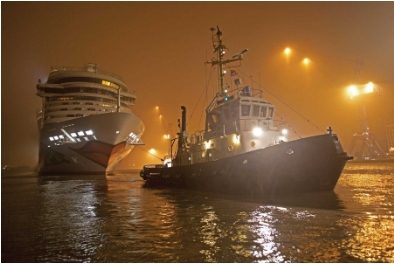
Navigation lights run in some of the more demanding environments, where contact with seawater, high humidity, strong winds, vibration and temperature swings are routine. If the light output drops, if the color is no longer accurate, or if the electrical function misbehaves, then navigation becomes a real hazard.
Testing the quality of navigation lights is important because it helps spot defects before the units are actually installed on the vessels. Through thorough checks and performance testing, makers can make sure these lights keep working consistently and comply with maritime safety requirements.
Effective Steps of Testing the Quality of Navigation Lights
1. Check Light Visibility and Brightness Performance
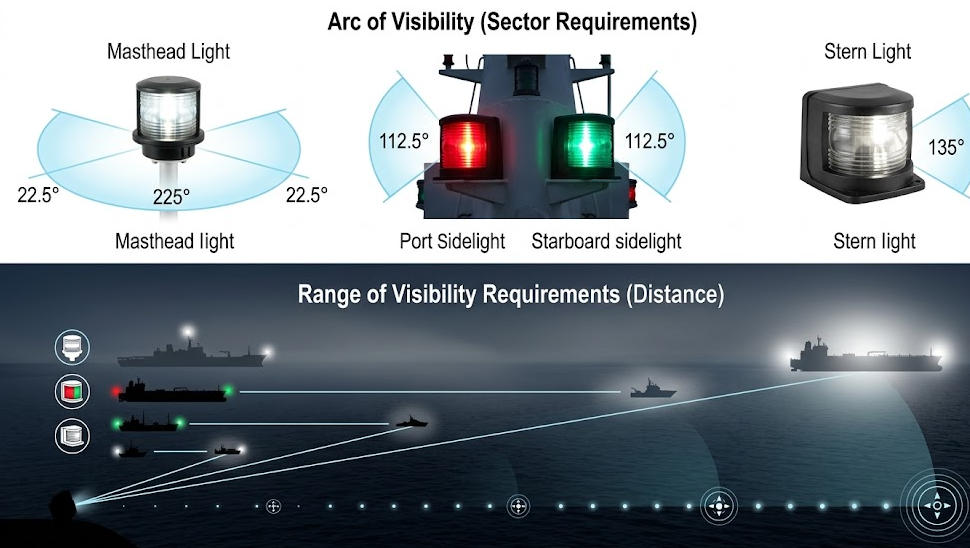
The first step in testing navigation light quality is to look at their visibility and brightness. A navigation light needs to deliver enough light intensity so it can be seen from the required range based on vessel type, and also the navigation regulations.
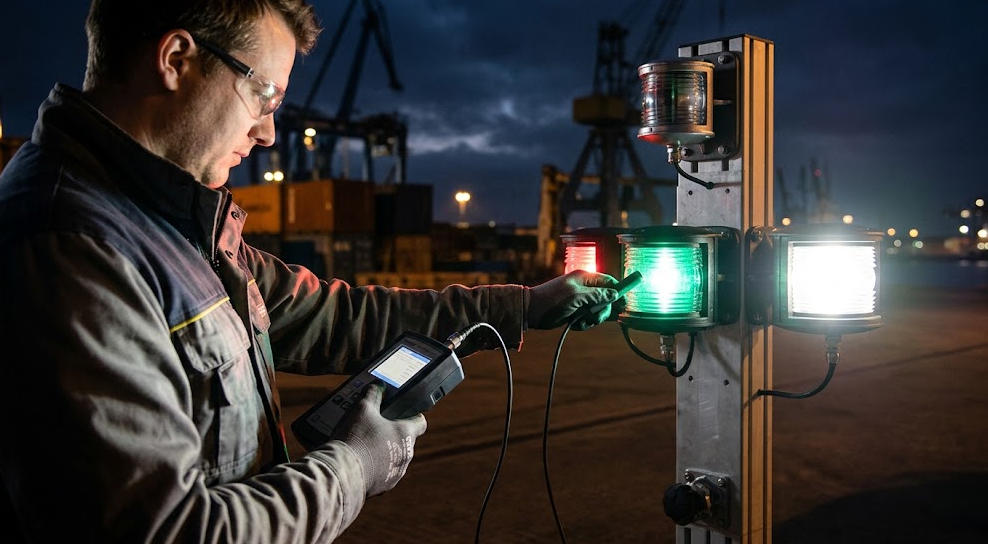
While they test it, technicians usually measure the luminous intensity of the light source with proper optical testing gear. The beam is expected to stay the same in brightness with no dark patches, no flicker, and no uneven illumination, because that can confuse the crew and others. If the brightness is low, visibility drops and safety becomes worse, particularly in fog, rain, or at night.
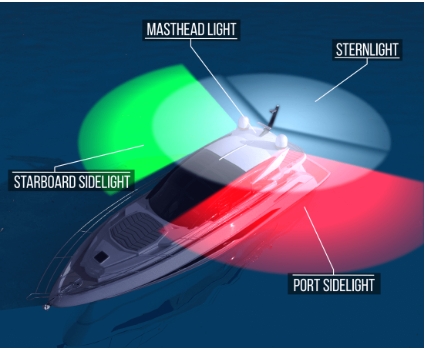
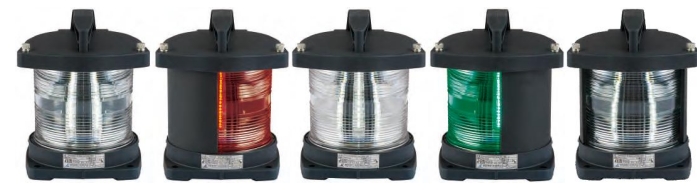
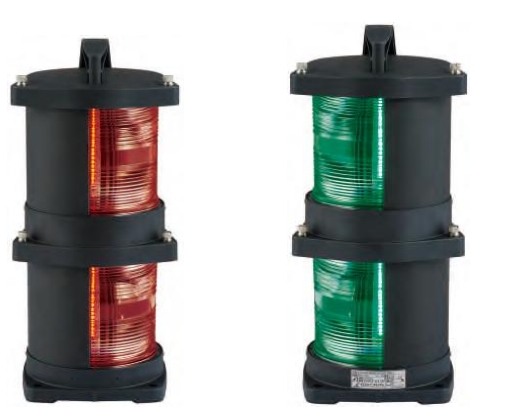
They also verify the light distribution angle, so the navigation light reaches the required viewing range. Different navigation lights have their own visibility rules, like masthead lights, side lights, stern lights, and anchor lights.
2. Color Accuracy and Signal Identification Testing
Navigation lights use assigned colors, meant to deliver clear meaning to other vessels. The red, green, and white lamps should keep correct color characteristics. Otherwise, the message can be read wrong during navigation.
Color testing in navigation lights, measures whether the light that is actually emitted lines up with the maritime color standards that are required. The testing gear then analyzes wavelength and checks that the color stays consistent, so the light does not drift outside the acceptable limit.
High-quality navigation lights should keep their colors steady across their whole service duration. When colors change due to aging components, lenses that are damaged, or an LED source that is not of good quality, this can affect vessel recognition, and safety drops.
3. Evaluate Waterproof and Marine Protection Performance
Since navigation lights sit outside, they need to handle seawater splash, rain, high humidity, and harsh weather. Waterproof evaluation is one of the major quality checks.
Most marine lighting manufacturers verify the protection level of navigation lights using the IP rating. The enclosure, seals, and wire connection areas are checked so that water cannot enter the internal components. Salt fog or salt spray trials are also done to judge corrosion resistance, particularly for boats that run in marine surroundings.
A reliable navigation light has to keep working after it gets exposed to moisture, saltwater, and all those temperature changes that happen during real trips.
5. Perform Electrical Safety Testing
Electrical performance directly impacts reliability and lifespan of navigation lights. Testing should cover voltage stability, power consumption, current measurement, and insulation quality.
Technicians check if the navigation light operates correctly across different voltage conditions. Good lights should keep stable brightness even when the vessel power supply fluctuates, a bit.
Electrical safety tests also help spot issues like overheating, short circuits, or wiring connections that are damaged or loosely fitted. Proper heat dissipation is especially important for LED navigation lights, because excessive warmth can lower LED efficiency and reduce service life.
6. Conduct Durability and Vibration Tests
Marine equipment gets hit with constant vibration from engines, waves, and just regular vessel movement around. Navigation lights need really sturdy mechanical build-outs so they can keep going under those conditions, no wobble.
For durability testing, teams usually run vibration tests along with impact tests and mechanical stress reviews. The light housing, mounting brackets, and internal parts get examined to see any damage, or if anything is loosening or sliding out of place.
So a durable navigation light should keep stable performance after long-term use in tough marine settings.
7. Test Energy Efficiency and Operating Life
Modern LED marine navigation lights consume less energy and can last long. Good quality checks should include power efficiency readings and expected operating hours.
Engineers look at the energy draw while comparing how bright the output is against the power usage. An efficient navigation light delivers strong illumination while easing the load on the vessels electrical system.
Long-duration operation tests are done too, to make sure the light can keep running for a long time without a major drop in brightness, or any component failure, at all.
8. Check Compliance with Marine Standards
Navigation lights must satisfy certain international and national maritime standards. So quality testing should make sure the product meets the marine safety standards that apply.
Manufacturers usually assess things like light intensity, color spectrum range, how far the beam remains visible, how the installation position needs to be, and overall operational reliability. Certification testing then confirms that navigation lights can be used safely on commercial vessels, fishing boats, yachts, and various other marine craft.
9. Inspect Material Quality and Construction
The materials chosen for navigation lights really affect durability and performance. During inspections, manufacturers look closely at the housing material, the lens, seals, and internal components.
High-quality navigation lights typically use corrosion-resistant materials, like marine-grade aluminum, stainless steel, or tough engineering plastics. The lens should have strong optical clarity and stand up to UV exposure, while the housing needs to shield the internal circuitry from damage from the surrounding environment.
Lower-quality materials often cause tiny fractures, corrosion, dimmer output, and a shorter lifespan.
Conduct Real-world Operation Testing for Navigation Lights
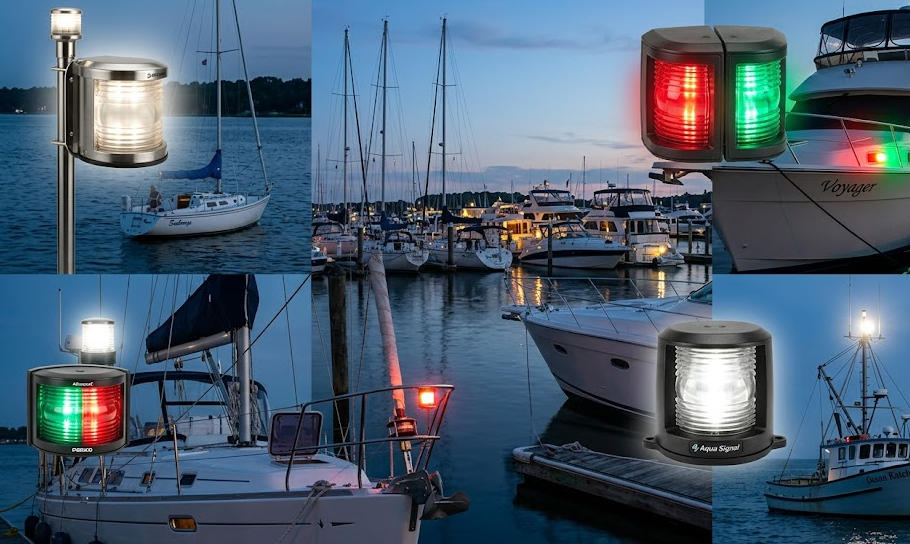
Lab testing gives meaningful performance metrics, but real conditions matter just as much. Navigation lights should be checked in real marine use, so you can judge how reliable they are when everything is actually happening out there.
In the field, you might do night visibility reviews, run the lights during rough weather, perform long-term exposure verification, and complete installation inspections. These trials help you verify that navigation lights maintain steady output during everyday navigation tasks.
Summary
Testing the quality of navigation lights involves multiple evaluation processes, including brightness measurements, checking color fidelity, doing waterproof inspections, running electrical safety tests, assessing durability, and completing compliance verification. Good navigation lights do more than just boost vessel visibility; they also strengthen maritime safety since ships can communicate clearly with each other.
With strict quality testing procedures, manufacturers and ship operators can make sure navigation lights keep dependable performance when conditions in open water get difficult, and help enable safer navigation operations.
