Regulatory Standards for Marine Navigation Lights: Compliance and Updates
Vessels operating in open waters during nighttime and low visibility conditions require marine navigation lights to maintain their safety. The lights serve two purposes by enabling identification of the vessel’s location and movement while also helping to stop accidents from happening. The safety functions of marine navigation lights depend on the established regulatory standards, which control their operation. The regulations have developed through time to address new technological advances and environmental protection needs, and the rising complexity of worldwide maritime activities.
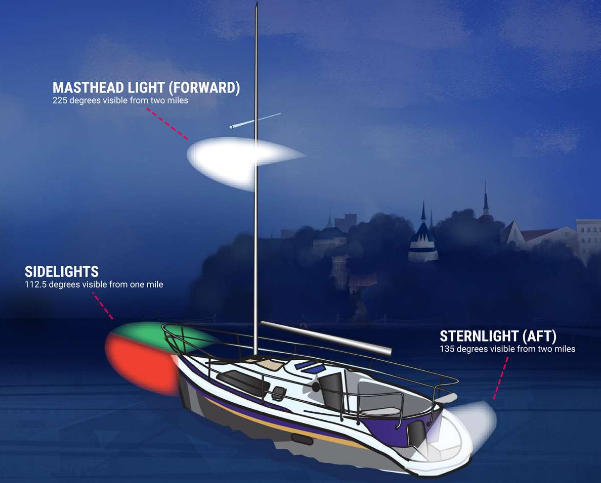
Table of Contents
International Regulations for Marine Navigation Lights
The International Regulations for Preventing Collisions at Sea (COLREGs), adopted by the International Maritime Organization (IMO), serve as the cornerstone of global maritime safety. These regulations outline the required characteristics, placement, and use of navigation lights to prevent collisions between vessels.
| Regulatory Aspect | Requirements under International Maritime Organization (COLREGs) | Purpose |
| Governing Framework | COLREGs | Establishes global rules for navigation lights to prevent vessel collisions |
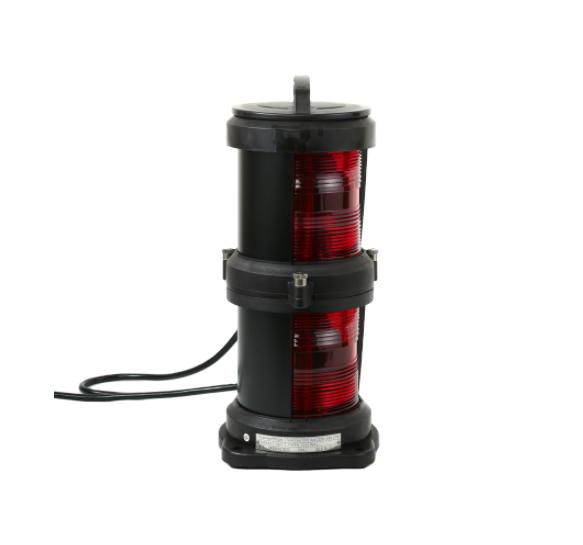
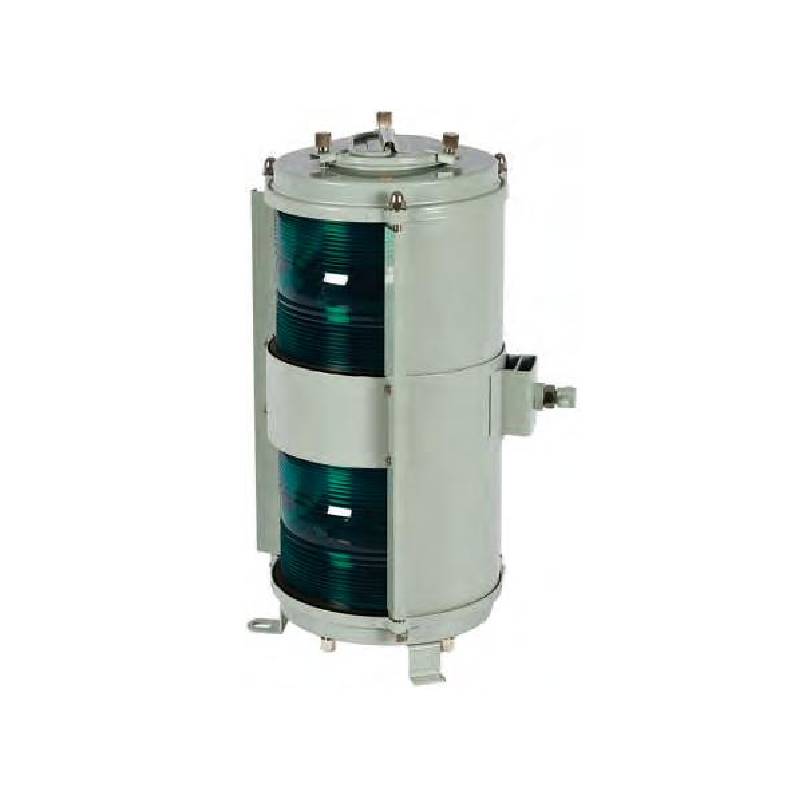
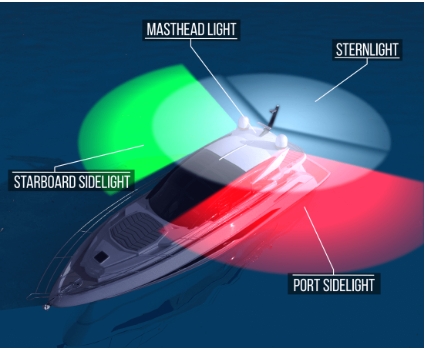
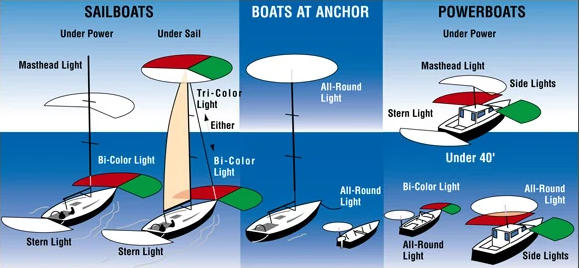
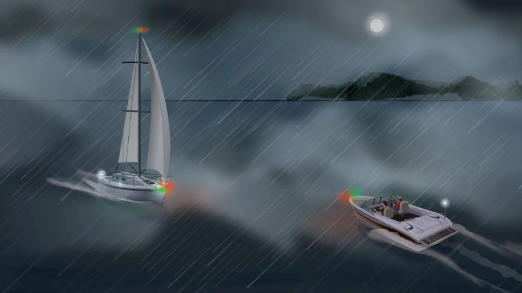
| Light Colors | Red (port), Green (starboard), White (stern/masthead) | Standardized colors ensure quick identification of vessel orientation |
| Light Types | Masthead light, sidelights, stern light, towing light, all-round light | Different lights indicate vessel type, size, and operational status |
| Visibility Range | Defined by vessel length (e.g., 2–6 nautical miles) | Ensures lights are visible at safe distances for collision avoidance |
| Arc of Visibility | Specific angles (e.g., 112.5° for sidelights, 135° for stern light) | Provides precise directional information to nearby vessels |
| Positioning | Fixed locations on vessel (e.g., masthead centerline, sidelights on sides) | Guarantees consistent and recognizable light placement |
| Operational Timing | Lights must be displayed from sunset to sunrise and during restricted visibility | Maintains safety in low-visibility conditions |
| Special Signals | Additional lights for fishing, towing, not under command, etc. | Communicates special vessel operations or limitations |
Regional Standards and Compliance of Marine Navigation Lights
While the IMO’s COLREGs set the global framework, individual countries and regions may have specific amendments or additional regulations.
| Region | Regulatory Framework | Key Compliance Requirements | Characteristics |
| European Union | EN 14744 | Aligns with COLREGs for light color, range, and positioning; additional requirements for material durability and product testing | Emphasizes product quality, environmental resistance, and certification standards (e.g., CE marking) |
| United States | U.S. Coast Guard – 33 CFR Part 83 | Strict adherence to COLREGs with detailed technical specifications for installation, intensity, and operation | Includes inspection protocols and enforcement for both domestic and foreign vessels in U.S. waters |
| Japan | Japan Coast Guard regulations based on COLREGs | Requires compliance with international standards plus local inspection and certification procedures | Strong focus on operational safety in congested coastal waters |
| China | China Maritime Safety Administration regulations | Follows COLREGs with additional national requirements for manufacturing standards and vessel certification | Rapid adoption of LED and smart navigation lighting technologies |
| International (Flag States) | National maritime authorities under International Maritime Organization | Enforcement of COLREGs through vessel registration, surveys, and certification | Compliance varies slightly depending on flag state implementation and inspection rigor |
| Australia | Australian Maritime Safety Authority regulations | Applies COLREGs with additional safety guidance for offshore and coastal operations | Focus on visibility in extreme weather and remote maritime regions |
Recent Updates in Marine Navigation Light Regulations
Marine navigation light regulations have traditionally remained stable under the framework of the COLREGs. In recent years, however, regulating authorities, especially IMO, have introduced regulatory changes that have both directly and indirectly influenced the way navigation lights are designed, installed, and maintained. The technological advancements are responsible for these updates along with environmental concerns and the appearance of new vessel types.
1. Technological Developments Driving Upgrades to the Regulations
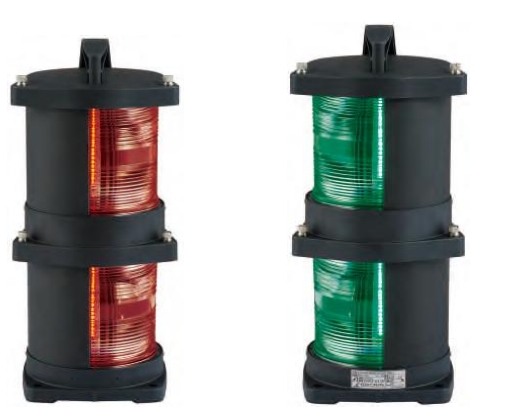
One of the most tremendous developments over the years has been the transition to LED navigation lights from traditional incandescent lights. Nevertheless, the COLREG regulations themselves have not substantially changed their basic light demands for lighting requirements, but changes in regulations and guidelines increasingly accept LED as the industry standard. These revisions stress the notion of performance equivalence, guaranteeing LED lights satisfy or surpass specifications pertaining to luminous intensity, chromaticity, and range of visibility.
On a parallel note, growing acceptance has been accorded to efficient interference monitoring systems. More and more sophisticated navigation lights are now connected to central control panels offered real-time diagnosis tracking and efficiency alerts. These systems are not mandated but are gaining increasing impetus through larger maritime safety and digitalization initiatives, creating the setting for evolving safety frameworks of the IMO.
2. Integration with Broader IMO Safety Frameworks
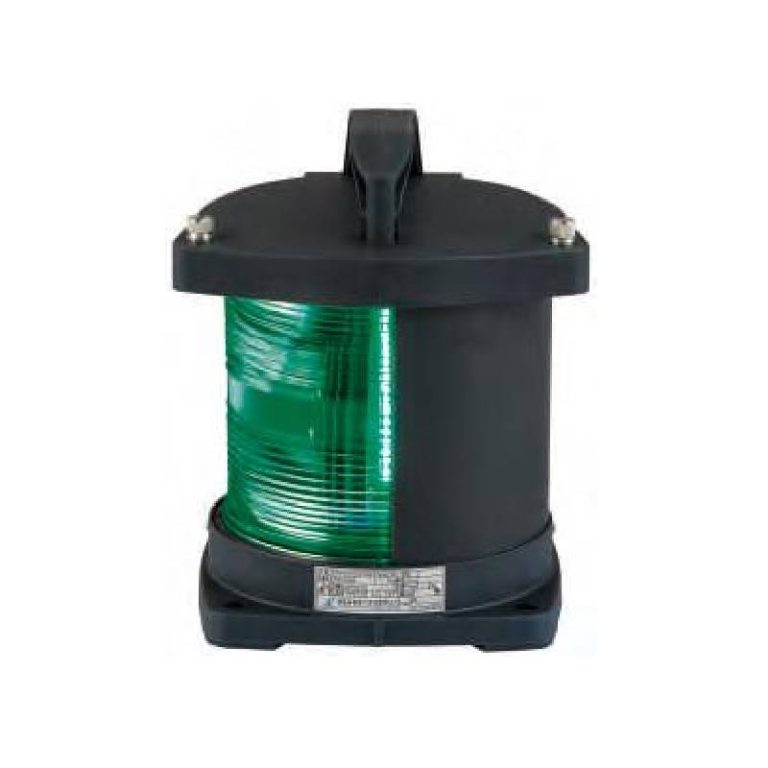
Recently concluded amendments with regard to the IMO, especially in conventions such as SOLAS regulations, have created extensions in the scope of requirements that bear a direct bearing due to security operation restriction upon navigational lighting. For instance, new amendments entering into force apparently between 2025-2026 will be seeking, among other things, to set enhanced safety and operational availability requirements across a number of crucial areas of ship systems as part of the overall safety structure inasmuch as navigation shall be concerned with reliability among other equipment.
Furthermore, these amendments establish safety requirements for a similar number of newly added categories of ships, namely smaller cargo ships and “non-conventional ships,” in this tiny-to-great-trajectory method. This long-anticipated move means that the application of standard signal lighting regulations has also been extended to a growing number of vessels, thereby enhancing the global uniformity of maritime signalling.
3. Considerations for Autonomous and Advanced Vessels
The rise of autonomous and remotely operated vessels has prompted discussions about adapting navigation light regulations to ensure these vessels remain identifiable and predictable in mixed traffic environments. Although no major overhaul of COLREG lighting rules has been finalized, ongoing work within the IMO includes the development of frameworks for Maritime Autonomous Surface Ships (MASS).
These discussions highlight the need for potential future updates, such as enhanced or supplementary lighting configurations that distinguish autonomous vessels from conventionally crewed ships. Research also suggests that minor amendments to definitions and applications of existing rules may be necessary to accommodate these emerging technologies.
4. Environmental and Energy Efficiency Trends
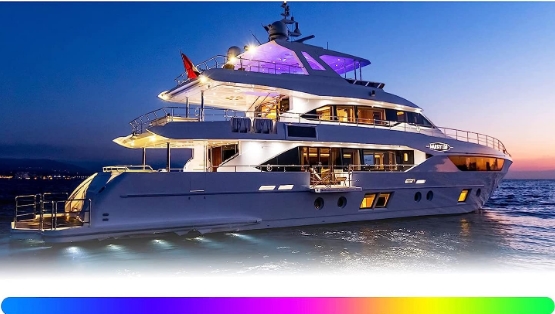
Navigation lights have always been the core issue of maritime laws with those laws being for more visibility and safety, since it is launching newer regulations that encourage ship designers to take the lead in energy-efficient design technology. For instance, having the LED marine navigation lights which greatly reduce the power consumption and consequent maintenance demand could only evidence a greater collective obligation towards reducing emissions and improving operational processes, which is a major goal of the IMO.
While these particular guidelines are hard-wired into some regulatory bodies when it comes to the use of solar-powered navigation lights, we are referring to buoys and offshore installations here-this particular trend is only ongoing and cannot fade out sooner or later. Solar-powered navigational lights reduce the significant dependency on nonrenewable slave power and support long-term sustainability goals, particularly in remote or environmentally sensitive environments
5. Enhanced Compliance and Certification Requirements
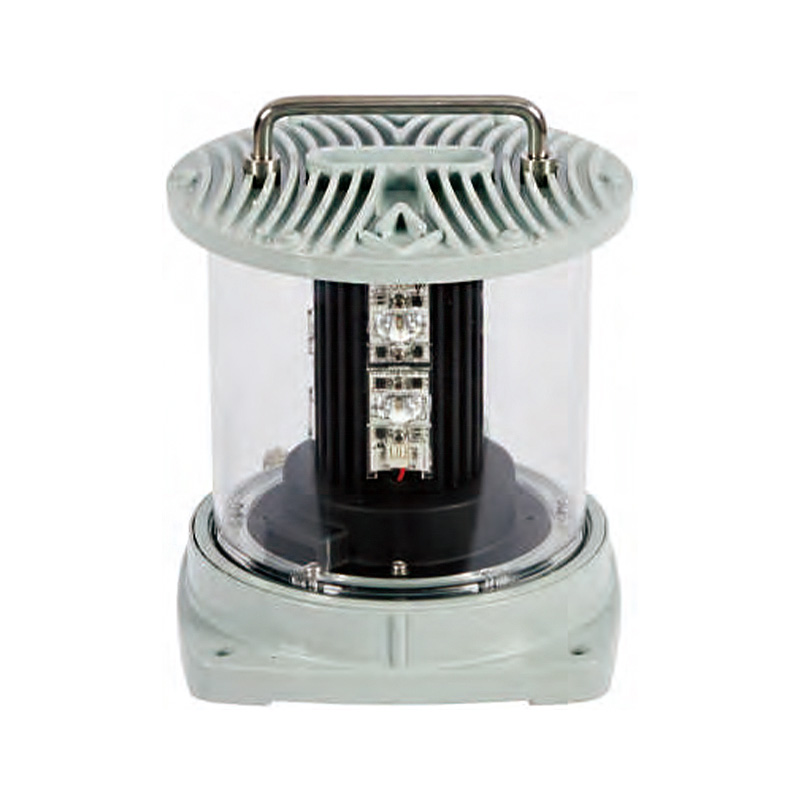
Another significant trend in recent regulatory updates is the stricter approach to compliance and certification processes. Safety concerns were at the heart of regulations for marine lighting products, as they were updated according to testing, durability, and performance standards.
This puts added responsibility on manufacturers and shipowners for ensuring that lighting systems have been properly certified, installed, and maintained. Periodic inspections, as well as the need for documentation to keep up with different tests in the maritime safety systems, generally show a broader shift towards accountability and traceability. In recent years, however, regulating authorities, especially IMO, have introduced regulatory changes that have both directly and indirectly influenced the way navigation lights are designed, installed, and maintained. The technological advancements are responsible for these updates along with environmental concerns and the appearance of new vessel types.
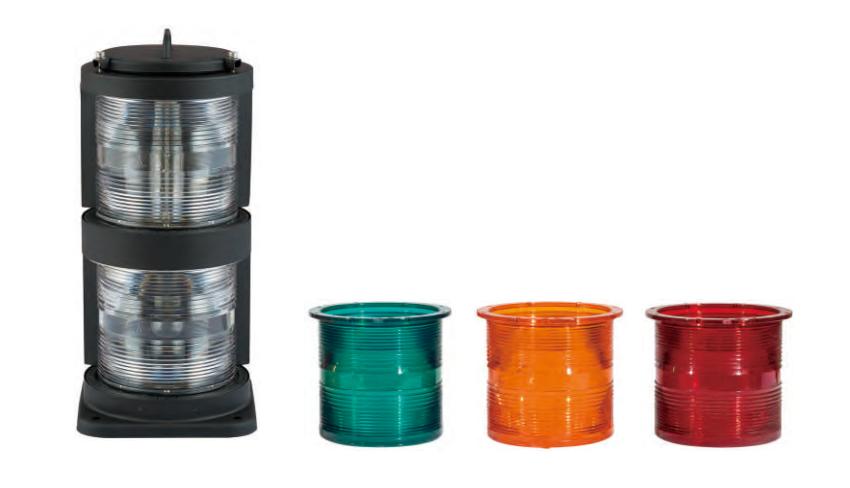
Challenges and Solutions in the Compliance with Marine Navigation Light Regulations
| Challenge | Description | Practical Solution |
| Regulatory Complexity | Compliance requires adherence to COLREGs along with regional and flag-state requirements, which may vary slightly | Establish a centralized compliance management system and regularly update procedures based on the latest international and local regulations |
| Technological Transition | Shifting from traditional lighting to LED and smart systems can create compatibility and certification issues | Choose certified equipment that meets IMO standards and ensure proper retrofitting with approved components |
| Improper Installation | Incorrect positioning or configuration of lights can lead to non-compliance and reduced visibility | Follow manufacturer guidelines strictly and conduct installation verification checks during commissioning |
| Maintenance and Degradation | Exposure to harsh marine environments can reduce light intensity, damage fixtures, or cause failures | Implement routine inspection schedules and preventive maintenance programs to ensure consistent performance |
| Inadequate Crew Training | Crew members may lack knowledge of correct operation, troubleshooting, or regulatory requirements | Provide regular training programs and onboard guidelines to ensure proper usage and quick fault response |
| Inspection and Certification Gaps | Failure to meet inspection standards or maintain proper documentation can result in penalties or vessel detention | Maintain up-to-date certification records and prepare for periodic audits by maritime authorities |
| Integration with Modern Systems | Difficulty in integrating navigation lights with digital monitoring and control systems | Adopt standardized interfaces and invest in integrated bridge systems with real-time monitoring capabilities |
| Environmental Compliance Pressure | Increasing demand for energy-efficient and eco-friendly solutions adds complexity to compliance | Use energy-efficient LED and solar-powered navigation lights that align with sustainability goals while meeting navigation lighting visibility and color standards |
| Operational Negligence | Lights not activated at required times (e.g., during low visibility or nighttime) | Implement automated control systems and alarms to ensure lights are always used in accordance with regulations |
Future Developments of Marine Navigation Light Standards
The evolution of marine navigation light standards is inextricably bound with wider developments in the entire shipping industry, amongst which are digitalization, sustainability, and autonomous shipping. We will make the focus to improve fixture performance, usability, and integration with the latest tech gadgets exhibited in the field of maritime technology. Regulatory bodies like IMO need to look into ways in order to keep navigation lighting in line with changes precipitated by the technological advances.
1. Smart and Connected Navigation Lighting Systems
One of the most striking ways the standards should follow from now is the integration of smart technologies into navigation lights systems. These must include advanced sensors, Internet of Things (IoT) connectivity, and a unified monitoring platform that will be standard features. These systems will enable real-time status monitoring, automatic fault detection, and predictive maintenance, as opposed to those of yesteryear, where there was no quality assurance checks. Instead of just having a few inspections, constructors will be able to conduct real-time system performance verification, thereby saving any risk of unexpected failures.
Future regulations might begin to include connectivity and system-diagnostic requirements or recommendations to ensure that the navigation lights, in addition to being fully functional, are an effervescent traceable and verifiable real-time source of information.
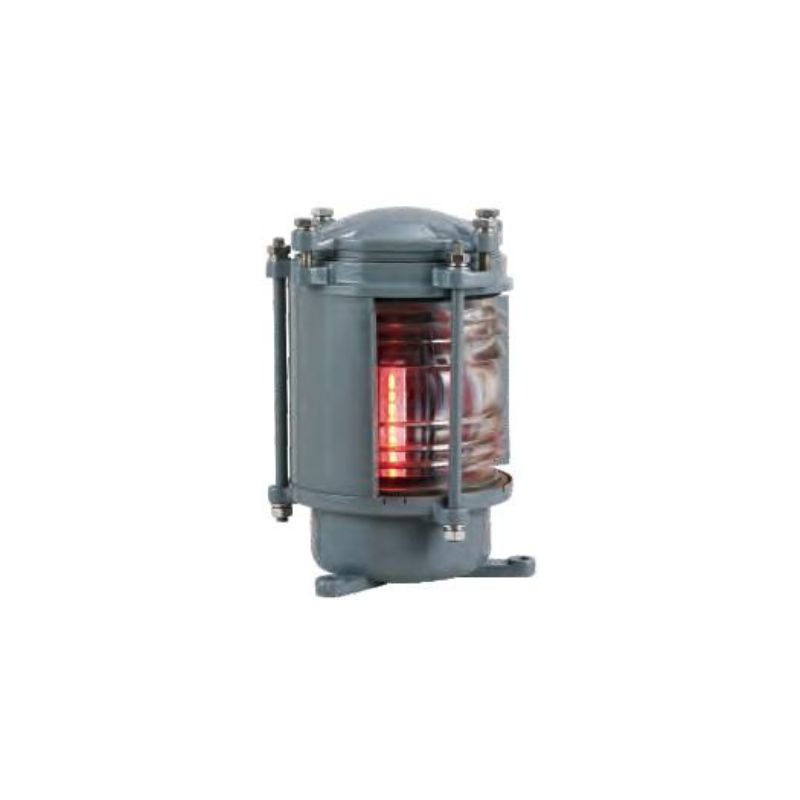
2. Enhanced Visibility and Performance in Extreme Conditions
In many of the more challenging environments found today further distant like where vessels visit meeting polar regions, new standards from lightings will have to be developed that support optimal performance capabilities under extreme conditions. Crosswords may even turn out to open the door for futuristic unusual lending edges, which is true too, and their self would include adaptive lighting systems that would autochange itself in terms of light intensity as in color or beam pattern, rain or snow, traffic congestion, absolutely creative and spontaneous real-time traffic information.
Furthermore, the set-up of higher norms for fog, heavy rain, or ice would be included in regulations revision, hence reintroduce testing and certification which assured scale performances in every operational scenario.
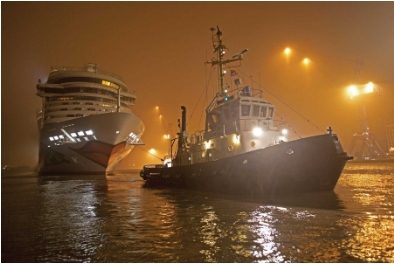
3. Standardization and Global Harmonization
While international regulations indeed provide a significant level of standardization, variations-although minor-exist across regions and among flag states. The future will likely admit further push towards global harmonization that minimizes discrepancies and makes compliance less tedious for seagoing vessel operators dealing with differing jurisdictions.
The International Maritime Organization will continue its design with principal objectives to consolidate regional schemes and function as a catalyst for further uniform implementation. The harmony in these efforts will prove most critical when new technologies emerge, ensuring universal congruence in requirements.
4. Integration with Broader Maritime Safety Ecosystems
Navigation lights will be seen more and more as part of a broader safety ecosystem that also includes radar, AIS (Automatic Identification Systems), and electronic navigation systems. It is projected that the standards will focus more on plug-and-play compatibility, where it is ensured that the navigation lights work together with other onboard and shore-based technologies.
This integration would also allow the installation of sophisticated collision-avoidance systems, where navigation light data are processed together with digital input to provide an integrated picture of the vessel movement and risk analysis.
Final Thoughts
Marine navigation lights are a fundamental part of maritime safety, while the rules governing them are necessary for the prevention of accidents and the safety of navigation. With the accelerated pace of change and technology’s new feats, what remains critical is the business of adhering to the latest standards onto which vessel operators can hope while employing the new technologies. The way forward will be to navigate through the ongoing set of regulations and bring about some solutions to our safety concerns and still refuel that spirit of innovation that has so far propelled many improvements within the maritime industry.