Customization Trends in Designing Marine Navigation Lights
Marine navigation lights contributes to better visibility in the dark and assist in preventing collisions, widely used on ships, boats, offshore platforms, and marine constructions. New designs have been becoming more sophisticated to answer the requirements and comply with the international standards. Today, the designs of marine navigation lights are moving beyond merely function; they are being engineered to offer a much wider range of products that are increasingly highly customized, to cater to landscapes of operational efficiency, aesthetics, environmental resilience, and integration of smart technology. Customization trends offer prospects for reshaping how manufacturers and vessel operators approach marine lighting systems.
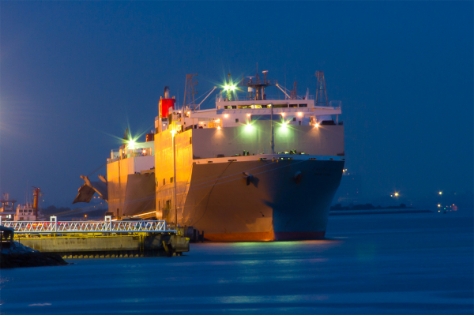
Table of Contents
The Growing Demand for Customized Marine Navigation Lights
For contemporary marine professions, one sees various applications such as commercial cargo marine sulfur, ark luxury yachts, naval marine sulfur, fishing marine sulfur, offshore wind farm entrypoints, and harbor port. They all operate in comprehensive environmental and operational conditions. In this regard, the standard marine light applications fall short of the applications’ tailor-made needs. Consequently, boat owners and marine engineers are demanding more customized navigation light designs that have been tailored to their specific vessel design, safety features, and visual identity.
The custom-designed marine navigation lighting systems ultimately help increase visibility performance under adverse weather conditions such as thick fog, heavy rain, snow, and high humidity. Moreover, strict environmental standards at the same time as advancing LED technology are speeding up the development of ever-better efficiencies thereby ensuring adaptable lighting systems.

Key Trends in Customizing Marine Navigation Lights
1. Increasing Adoption of LED Technology
An increasing adoption of LED technology has come to be one of the most potent trends in the realm of marine navigation light customization. LEDs offer so many significant improvements over traditional ones, such as consumer incandescent and halogen bulbs, in terms of power consumption, long lifespan, high brightness efficiency, and reduced maintenance.
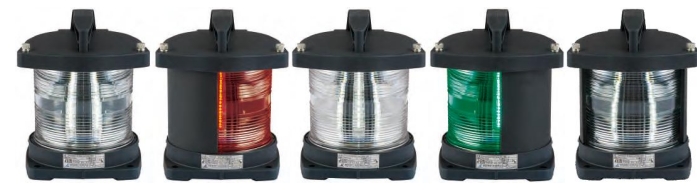
Nowadays, LED navigation lights to fit relevant customer specifications can come with several adjustable features like brightness, light intensity, distribution degree, and color precision so that individual adaptations for vessels can be made. Shipowners may decide which light configuration best fits the offshore vessel, fishing boat, opulently fancy yacht, or commercial cargo carrier. Due to the small sizes of its components, LED components allow for flexible mounting in creative housing designs, giving manufacturers lots of scope for developing very streamlined and good-looking lighting systems.
2. Integration of Smart and Automated Features
Establishing smart marine navigation systems through intelligent lighting systems will provide for much efficient operational prerequisite. Customing navigation lights now being equipped with more automated and remoteing facilities for major improvement in safety operation and maintenance.
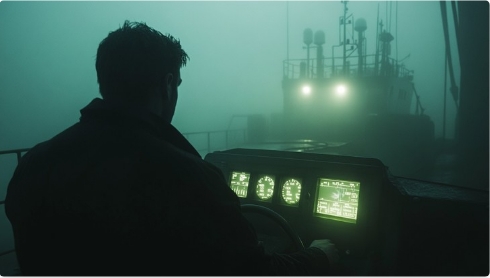
The brightness of the lights adjusts automatically, depending on surrounding visibility factors like fog, rain, or night mode. Remote-control systems allow immediate monitoring of shipping lights from either the bridge of the vessel or any integrated control center.
Failure detection and power consumption monitoring are just two of several aspects of higher technology diagnostics integrated within such systems to predict further failures, supporting reduced fleet time and enhancing operational reliability. Furthermore, today’s navigation lighting systems find increasing integration with vessel automation systems: therein, lights interface with not only the onboard safety systems but also energy management systems.
3. Focus on Energy Efficiency and Sustainability
Environmental sustainability has become a major concern across the global maritime sector. Customized marine navigation lights are increasingly designed to support energy-saving operations and environmentally responsible vessel management.
Energy-efficient LED marine navigation lights significantly reduce electrical load demands, helping vessels lower fuel consumption and greenhouse gas emissions. Some customized lighting systems are also compatible with renewable energy sources such as solar-powered marine platforms and hybrid vessel power systems.
Manufacturers are additionally focusing on environmentally friendly production materials, recyclable components, and low-toxicity coatings. These sustainability-oriented designs help vessel operators comply with evolving environmental regulations while reducing long-term operating costs.
4. Enhanced Resistance to Harsh Marine Conditions
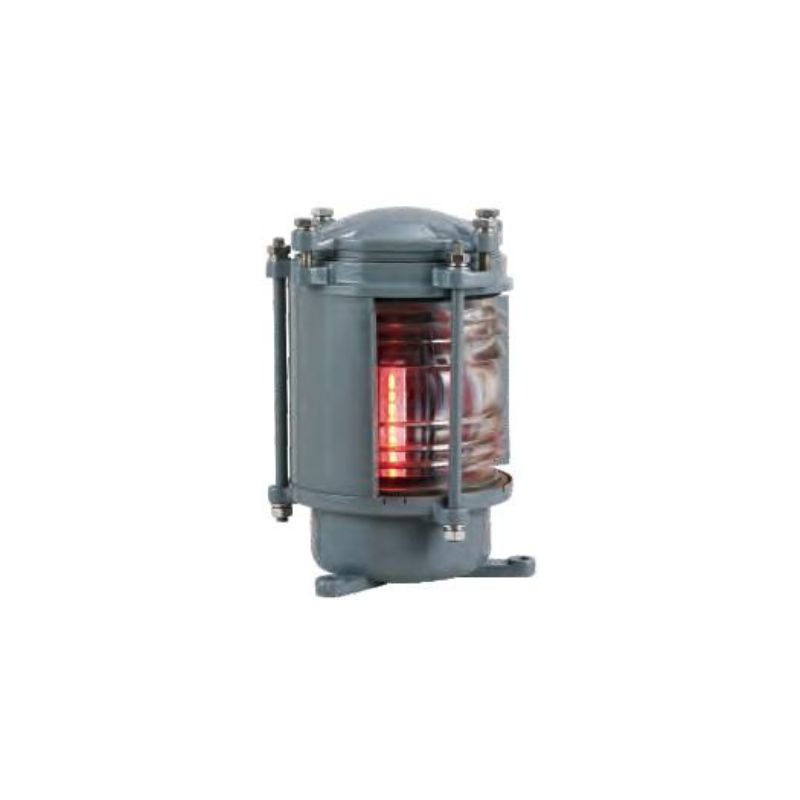
Marine lighting manufacturers can now assure their customers of their products’ longevity even in harsh marine environments. In addition to strong wind loads, rain, spray, salt-laden air, and corrosive chemicals all pose various challenges to lighting equipment on a ship.
Truly, marine navigation aids are being installed in one of the harshest environments all in the name of the oceans. This includes estuarine and oceanic components like superficial water and subsidence with varying salinities, high humidity, and UV radiation, as well as exposure to considerable springs, rough and ultrascarp weather, as well as temperature-shocking. the latter being endured through sturdy lights. High customization always implies some improvement in extra resilience because additional material or engineering treatment goes into it. The use of marine-grade stainless steel, anodized aluminum, hi-tech polymers, corrosion-resistant coatings, etc. for weights, extend the life of the product.
Customized waterproof sealing systems and high ingress protection ratings help ensure reliable operation during storms, rough seas, and offshore applications. For vessels operating in Arctic or tropical regions, specialized designs may include anti-icing technology, UV protection, or heat-resistant materials.
5. Modular and Upgradable Systems
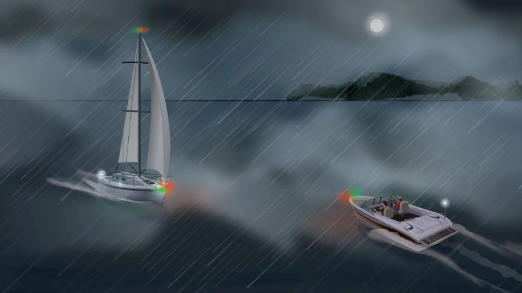
Modern marine equipment design is ensuring a fair degree of adaptability. Custom marine navigation lights, similarly, are rapidly adopting modular structures that promote easier paths for upgrading, maintenance, and future growth.
Making use of modular lighting systems, various components can be replaced by operators, thus lowering outlay on refurbishment and foreclosure. Moreover, shipowners are free to exploit the flexibility of the lighting system to make modifications to configurations essential to their operation. More so, in the case of commercial fleets and offshore installations, one of the ongoing advantages to solidarity is the capacity to alter the lighting system over the long term.
6. Growing Use of Intelligent Control Interfaces
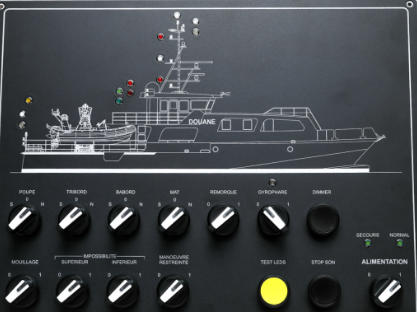
These navigation light systems also incorporate new marine lighting interface evolved along. Custom control panels and digital interfaces are provided to manipulate operations and tighter cluster monitoring batch stuff.
Lighting management on board is becoming efficient by means of touchscreen interfaces, wireless control, and integrated bridge management systems. The advanced rating detects programmable modes for the benefits of different scenarios such as when berthing, navigating, on emergency, and maneuvering in restricted visibility. Being integrated into the digital network of a vessel can make the intelligent interfaces of lighting play a major role in future maritime operations.
7. Aesthetic Customization for Luxury and Specialty Vessels
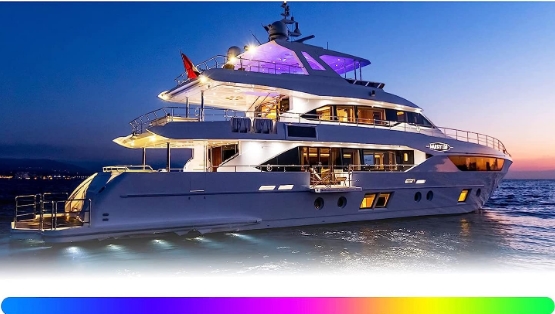
Aesthetics are becoming more important in certain marine sectors, especially luxury yachts, cruise ships, and recreational boats.
The following chart provides the main aesthetic customization features for marine navigation lights.
| Aesthetic Customization Feature | Luxury and Specialty Vessel Application | Design Characteristics |
| Sleek Low-Profile Navigation Lights | Superyachts and luxury cruisers | Ultra-slim housings integrated into vessel contours |
| Hidden or Recessed Installation | Executive yachts and private boats | Concealed mounting within railings or structures |
| Premium Metallic Finishes | Luxury marine vessels | Polished stainless steel, brushed aluminum, and chrome coatings |
| Matte and Custom Color Coatings | Personalized yacht projects | Navigation light housings matched to vessel paint schemes |
| Decorative LED Accent Integration | Party yachts and entertainment vessels | Combination of navigation and ambient decorative lighting |
| Architecturally Integrated Lighting | Cruise ships and floating resorts | Lighting systems blended into exterior vessel architecture |
| Compact LED Lighting Modules | High-performance speedboats | Miniaturized and lightweight lighting components |
| Customized Masthead Lighting Designs | Sailing yachts and heritage vessels | Elegant mast-mounted lighting assemblies |
| Tinted Protective Lens Covers | Specialty recreational vessels | Smoked or specially coated lens surfaces |
| Aerodynamic Light Structures | Racing yachts and sport vessels | Wind-resistant streamlined lighting shapes |
| Coordinated Deck and Navigation Lighting | Luxury charter vessels | Harmonized illumination color and intensity |
| Smart Mood Lighting Synchronization | Premium leisure vessels | Navigation lights linked with intelligent ambient systems |
| Customized Branding Elements | Corporate yachts and promotional vessels | Integrated logo lighting and branded fixture details |
| Luxury Material Integration | Elite custom-built vessels | Bronze, titanium, carbon fiber, and marine composites |
| Symmetrical Lighting Arrangement | Designer yachts and showcase vessels | Carefully balanced positioning of navigation fixtures |
Regulatory Compliance and Regional Adaptation for Customized Marine Navigation Lights
Different maritime regions and vessel categories often require specialized lighting configurations to meet local operational and regulatory requirements for navigation lights. Customization trends increasingly focus on region-specific adaptations that support compliance and operational efficiency.
| Regulatory Aspect | Regional/Operational Adaptation | Benefits |
| COLREGs Compliance | International commercial shipping routes | Ensures legal compliance and collision prevention |
| IMO Standards | Global maritime operations | Enhances operational safety and inspection approval |
| Classification Society Requirements | Vessels certified by organizations such as Lloyd’s Register or DNV | Improves durability and certification compatibility |
| Arctic Navigation Regulations | Polar shipping routes and ice-class vessels | Maintains visibility in freezing environments |
| Tropical and High-Humidity Conditions | Southeast Asia, equatorial waters, offshore tropical platforms | Extends product lifespan in humid climates |
| Offshore Oil and Gas Standards | Offshore drilling rigs and production platforms | Improves safety in hazardous environments |
| Inland Waterway Regulations | Rivers, canals, and inland ports | Supports safe navigation in confined waterways |
| Fishing Vessel Regulations | Commercial fishing fleets | Enhances operational visibility during fishing activities |
| Naval and Defense Requirements | Military and coast guard vessels | Supports stealth operations and defense missions |
| Port and Harbor Authority Standards | Harbors, terminals, and docking facilities | Improves traffic coordination and docking safety |
| Environmental Protection Regulations | Eco-sensitive maritime zones | Supports sustainability and emission reduction goals |
| Emergency and Rescue Compliance | Lifeboats, rescue crafts, and emergency vessels | Enhances emergency response effectiveness |
| Yacht and Recreational Vessel Standards | Luxury yachts and private boats | Combines safety compliance with aesthetic appeal |
| Smart Vessel Integration Standards | Digitally connected ships and autonomous vessels | Increases operational efficiency and predictive maintenance capability |
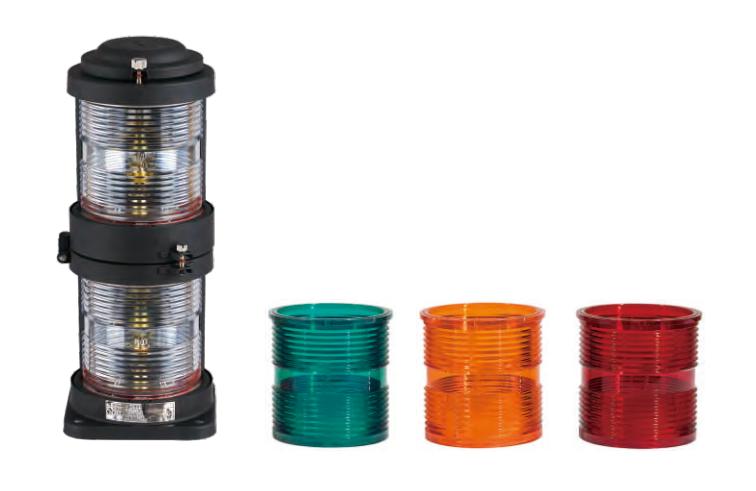
Final Thoughts
Customization trends in the design of marine navigation lights reflect the overall change reverberating through the maritime industry. Today’s ship operators require illumination components that are increasingly capable of surfacing not only as safe but also as fully compliant with safety regulations, and with a rating of handling all forms of bad weather, while also looking cool and always updated.
Marine navigation lights are becoming more sophisticated in terms of customization and aptitude even as they approach much higher definitions than before, thanks to LED systems, advanced monitoring systems such as onboard computers and sensors, packaging designs, and sustainable materials.
