Recommendations for The Correct Installation Location of Marine Switches
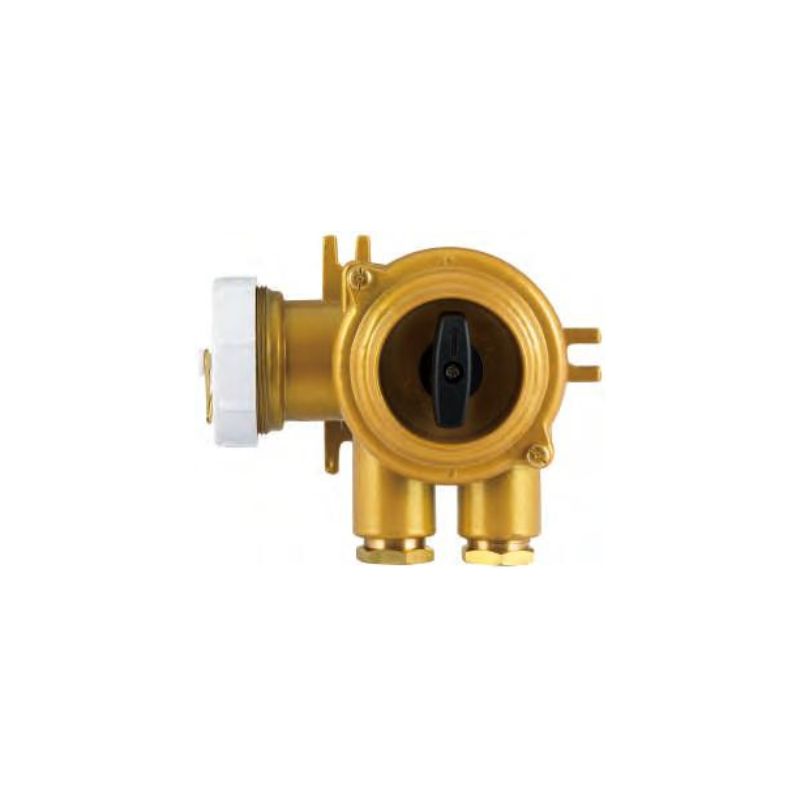
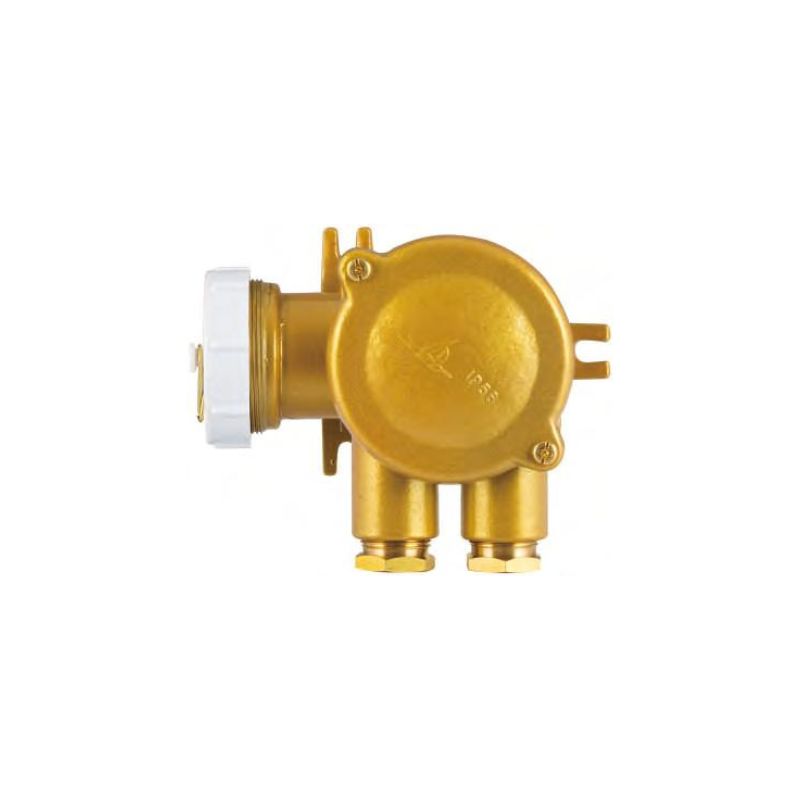
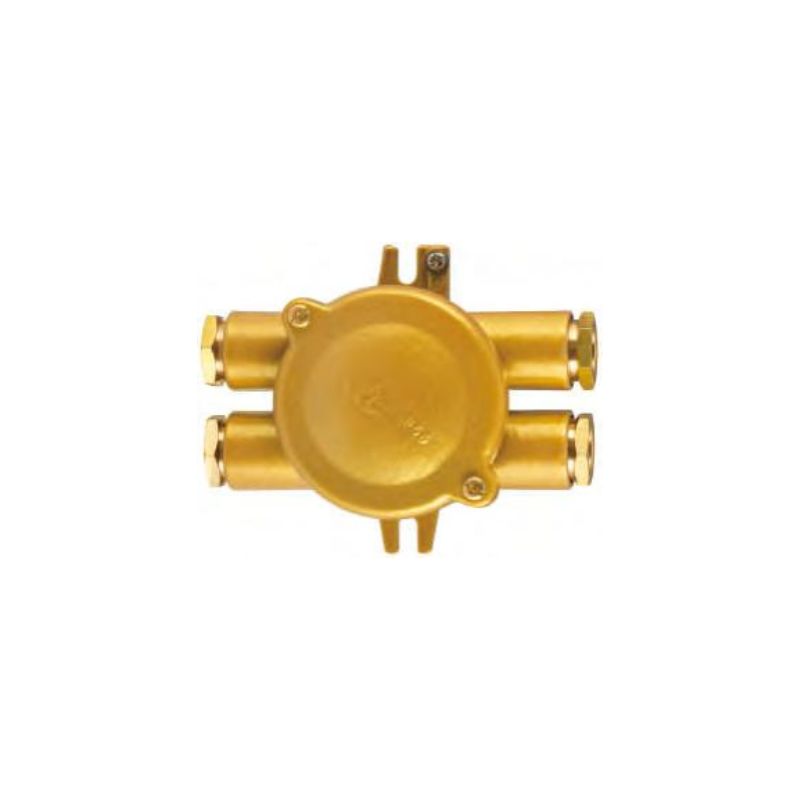
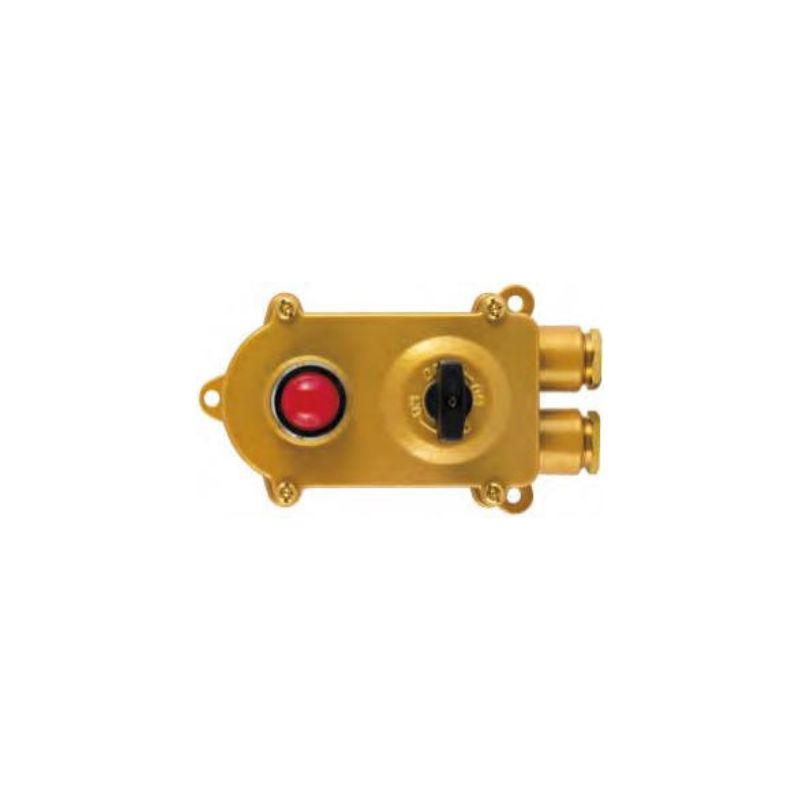
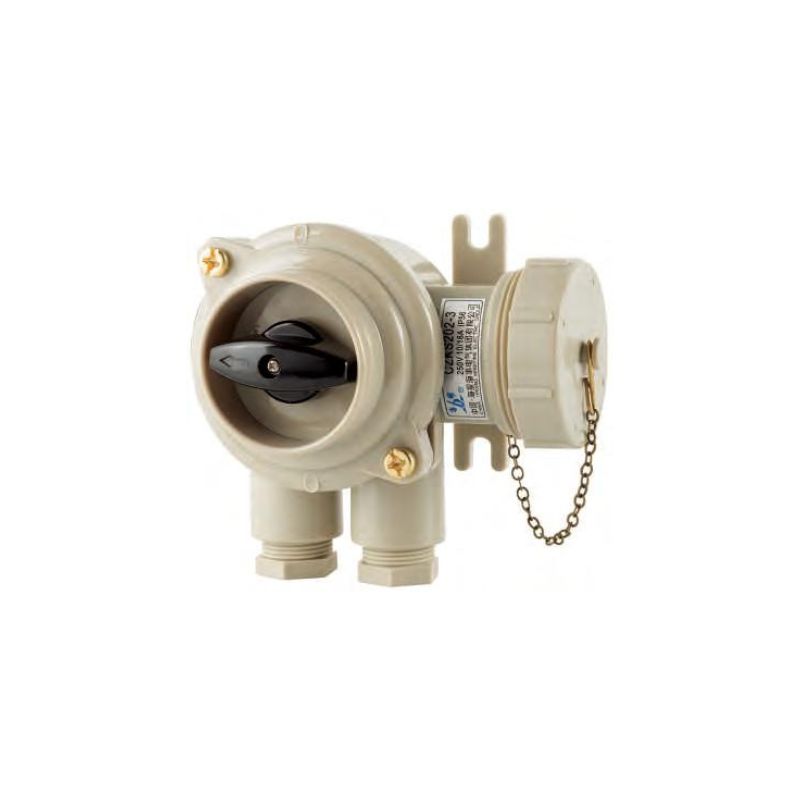
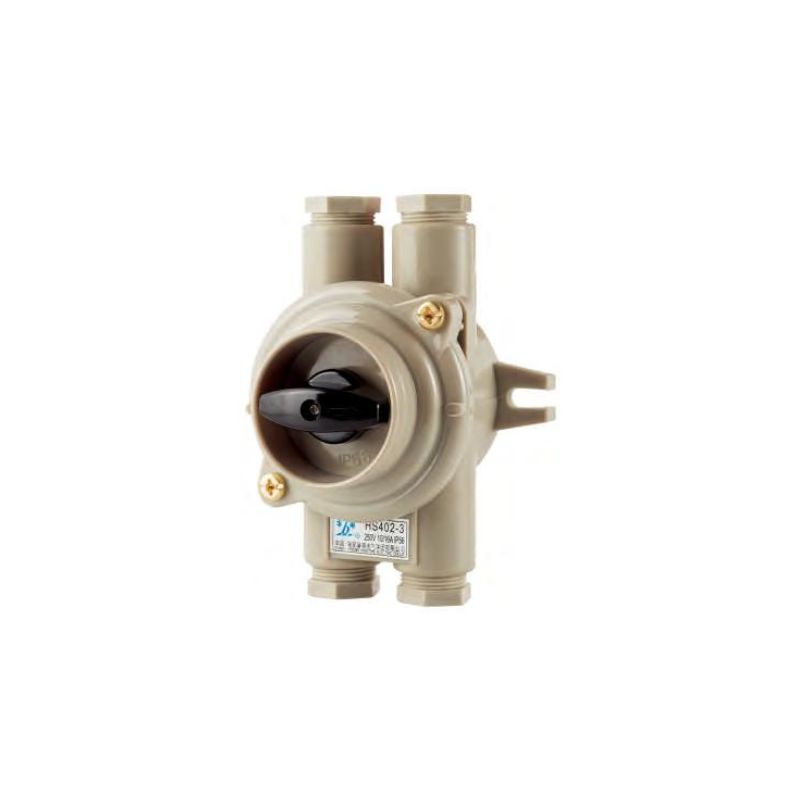
On contemporary ships, the marine switch is one of the most commonly used but neglected electrical fittings on board. From navigating lights, engine room lighting, deck floodlights, alarms, or even the emergency circuit, proper switch location impacts efficiency, safety standards, accessibility for maintenance, and reliability.
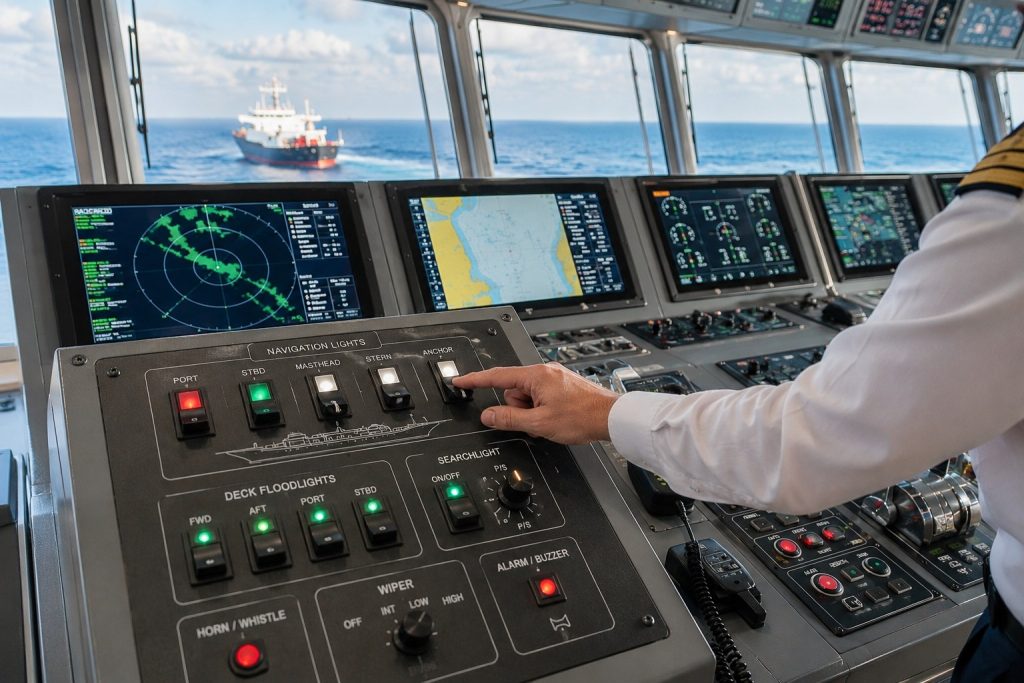
Wrong positioning of marine switches is one of the main reasons behind electrical malfunctions on board ships. Salt water, vibration, high temperatures, physical damage, and awkward access can reduce its service life and lead to problems.
At Yushuo Lighting, years of marine lighting system manufacturing experience across commercial ships, offshore vessels, and special-purpose marine applications have shown one consistent truth:
The correct marine switch location depends entirely on vessel type, operational workflow, and environmental exposure conditions.
Table of Contents
Why Marine Switch Location Matters More Than Most Shipowners Realize
Marine switches are not ordinary building-grade electrical accessories.
Onboard, they operate under:
- Continuous vibration
- Salt-laden humidity
- High ambient temperatures
- Mechanical shock
- Frequent operator interaction
- Emergency-response dependency
Poor positioning often leads to:
- Accelerated corrosion
- Water ingress failures
- Operator confusion during emergencies
- Difficult maintenance access
- Non-compliance with inspection standards
Proper installation improves:
- Crew response speed
- Maintenance efficiency
- Electrical lifespan
- Safety system reliability
Recommendations for Switch Installation on Cargo Ships
Container ship and bulk carriers prioritize operational practicality.
Bridge Control Panels
Critical switches should be centralized here:
- Navigation light control
- Searchlight activation
- Morse signal light operation
- Emergency override systems
Bridge officers require immediate access during maneuvering, low visibility, and emergency signaling.
Main Deck Access Points
Install switches near:
- Foredeck operation stations
- Cargo hatch entrances
- Mooring stations
These control:
- Deck floodlights
- Working lights
- Safety perimeter illumination
The recommended installation height is 1.2-1.5 meters to allow for operation while wearing gloves.
Engine Room Entry Zones
Lighting and alarm reset switches should be positioned:
- Just outside engine room watertight doors
- At emergency egress points
Avoid placing switches deep inside machinery spaces where access becomes difficult during smoke or fire incidents.
Fishing Boat Switch Installation Recommendations
Fishing vessels operate in tough exterior conditions such as splashing of seawater, smell contamination from fish, heavy vibration, and operations while wearing wet gloves.
Wheelhouse Secondary Control Cluster
Controls for:
- Deck floodlights
- Work area lights
- Emergency searchlights
A suitable installation location allows for a quick response when casting or collecting nets at night.
Aft Working Deck Sidewalls
Install marine sealed switches adjacent to:
- Sorting tables
- Net winches
- Processing stations
Requirements:
- IP66 minimum
- Corrosion-resistant housing
- Raised tactile actuation
Avoid horizontal mounting surfaces where water pools.
Recommendations for Switch Installation on Passenger Ferries
Passenger ferry require strict control hierarchy.
Passenger-accessible areas must not allow accidental system operation.
Restricted Crew Panels
Located inside:
- Crew-only corridors
- Locked electrical cabinets
- Service vestibules
For controlling:
- Public lighting zones
- Emergency backup circuits
- Alarm systems
Emergency Stairwell Landings
Dedicated emergency lighting override switches should be installed:
- Adjacent to escape routes
- Clearly labeled
- Illuminated for visibility in blackout scenarios
SOLAS inspection protocols strongly favor visible emergency accessibility.
Installation Location of the Switch on the Offshore Support Vessel
Offshore support vessel experience extreme structural vibration and impact loading.
Switch placement should prioritize:
- Mechanical protection
- Shock isolation
- Operational redundancy
Enclosed Operator Consoles
Installed inside enclosed operator consoles, these switch locations are specifically designed to control high-intensity floodlights, crane operation area lighting, and critical deck safety illumination systems on offshore support vessels. In view of practical experience with marine engineering practice, this type of placement makes great contributions to the durability of the operation because it prevents the marine switches from any damage due to impacts, pressures from hydraulic fluids, and corrosions caused by salt-filled fog in the offshore environment. Not only does this improve the durability of the electric marine switches, but it also ensures their efficient performance in controlling light.
Explosion-Protected Equipment Stations
Where there is danger of fire in offshore work zones, marine switches need to be mounted solely inside approved explosion-proof boxes according to hazardous zone specifications. From experience, faulty exposed mounting could result in many dangerous consequences such as possible electrical arcing that could trigger fires, safety inspection failures at sea, as well as insurance complications. Mounting marine switches according to hazardous zone specifications guarantees that there will be minimal chances of fires occurring, while the switches will also function effectively as intended in offshore vessels.
Recommendations for Switch Installation on Naval and Patrol Vessels
The layout of the patrol boat’s marine switches has been optimized for tactical efficiency.
Low-Light Bridge Side Consoles
Controls for:
- Tactical dimming systems
- Infrared-compatible lighting
- Searchlight blackout override
Placement must support blind tactile operation.
Redundant Secondary Stations
Install backup switching at:
- Damage-control lockers
- Secondary helm stations
- Emergency command compartments
This ensures operation continuity if primary systems fail.
Key Installation Height and Position Standards
Across vessel classes, recommended switch mounting:
| Application | Recommended Height |
| General operation | 1200–1400 mm |
| Emergency override | 1000–1200 mm |
| Heavy-equipment deck use | 1300–1500 mm |
| Restricted cabinets | Eye-level visibility |
Never install the switch in the following locations:
- Directly below a leaking pipe
- On a panel susceptible to vibration and without support
- Near the surface of a high-radiation engine
- In locations prone to accidental impact
Environmental Protection Requirements by Installation Area
Switch protection ratings should match exposure:
- IP44: Protected indoor cabins
- IP56: Semi-exposed deck shelters
- IP66/IP67: Open weather deck exposure
- High-temperature resistant designs: Engine-adjacent installations
At Yushuo, marine switch systems are engineered specifically for:
- Salt corrosion resistance
- High-temperature endurance
- Shock vibration durability
- Long operational cycles in marine environments
Final Recommendation
The best marine switch location is never chosen purely by installation convenience.
It must align with:
- Operator reach logic
- Emergency response efficiency
- Environmental exposure mitigation
- Maintenance accessibility
- Vessel operational pattern
Whether for cargo carriers, fishing vessels, ferries, offshore platforms, or patrol boats, strategic marine switch placement improves system reliability, crew safety, and regulatory readiness.