
How to Retrofit Marine Spotlights
Marine spotlights serve all vessels because they create visibility for nighttime operations and provide navigation support while improving safety during bad weather. The outdated spotlight systems of older vessels still have been used but they consume high power, need constant repairs and deliver limited output. Ship owners increasingly choose to implement retrofitting for marine spotlights because it allows them to upgrade their lighting systems without needing to change their complete ship infrastructure.
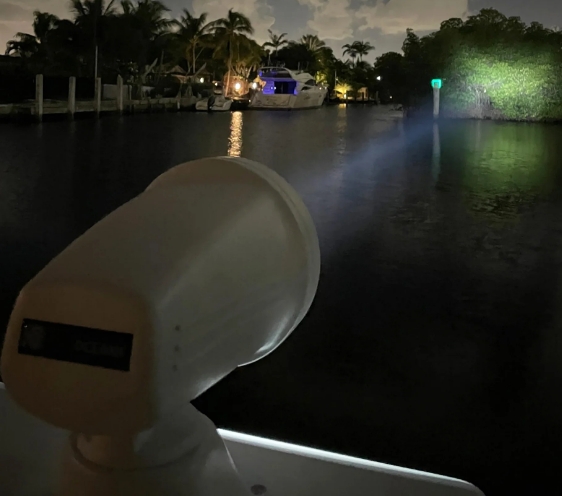
Table of Contents
Understanding Marine Spotlight Retrofitting
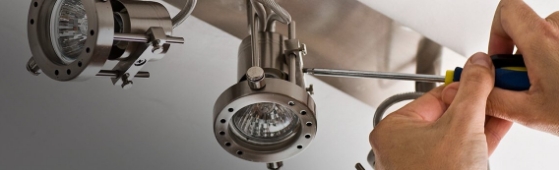
The process of retrofitting marine spotlights involves upgrading existing spotlight systems through the installation of new technological components. The retrofit projects function to enhance existing systems through upgrades that improve lighting efficiency, equipment durability and control system performance and operational capabilities.
Why Retrofitting Marine Spotlights is Important
Marine environments create extremely challenging conditions for equipment operation. The combination of saltwater exposure and humidity and vibration and harsh weather conditions causes the lighting systems to experience accelerated wear and tear. The operational and safety requirements of current systems create challenges for older spotlight systems which cannot meet these demands.
Retrofitting spotlights offers several important advantages:
- Improved visibility for navigation and docking.
- Reduced energy consumption onboard vessels.
- Longer operational lifespan of lighting systems.
- Lower maintenance requirements.
- Enhanced resistance to corrosion and vibration.
- Better compliance with modern marine safety standards.
- Improved operational reliability during emergencies.
For many vessel operators, retrofitting represents a cost-effective alternative to purchasing entirely new marine spotlight assemblies.
Effective Strategies for Retrofitting Marine Spotlights
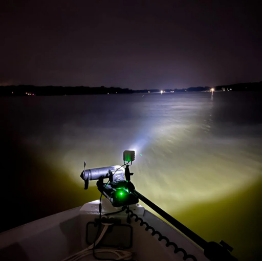
By integrating advanced technologies and modern materials into older spotlight assemblies, vessel operators could touch up their fixtures in light of improved lighting performance, energy efficiency, longevity, and general operational safety. Be that as it may, the process of retrofitting marine spotlights must be meticulously planned and executed that a certain sense of long-standing reliability and a very attractive return on investment is achieved.
1. Evaluating Existing Spotlight Conditions Before Retrofitting
The most efficient retrofit process to be undertaken, and continuing, calls for the full inspection of the present spotlight system. Most of the older marine lighting merely endured structural weakening, parts degradation, reduced sealing, and optical effectiveness due to their lengthy exposure to marine conditions.
Inspection, careful analysis, and heartfelt evaluation constitute an important measure to determine whether a spotlight housing, mounting structure, and electrical systems will allow for updates and modifications. It does not always mean changing the entire assembly; other aspects of lighting have to be replaced or suitable parallel retrofits might be applied. Keeping track of the current condition of the apparatus lends a hand in selecting the best retrofit postures without any unnecessary expenses.
This type of scrutiny would reveal any functional failures in the current appliance such as diminishing beam range, uneven illuminance, heating issues, and erratic power instability. Managing them during the retrofit process can enhance the entire retrofit process, making it more dependable and less likely to cause such failures anytime soon in the future.
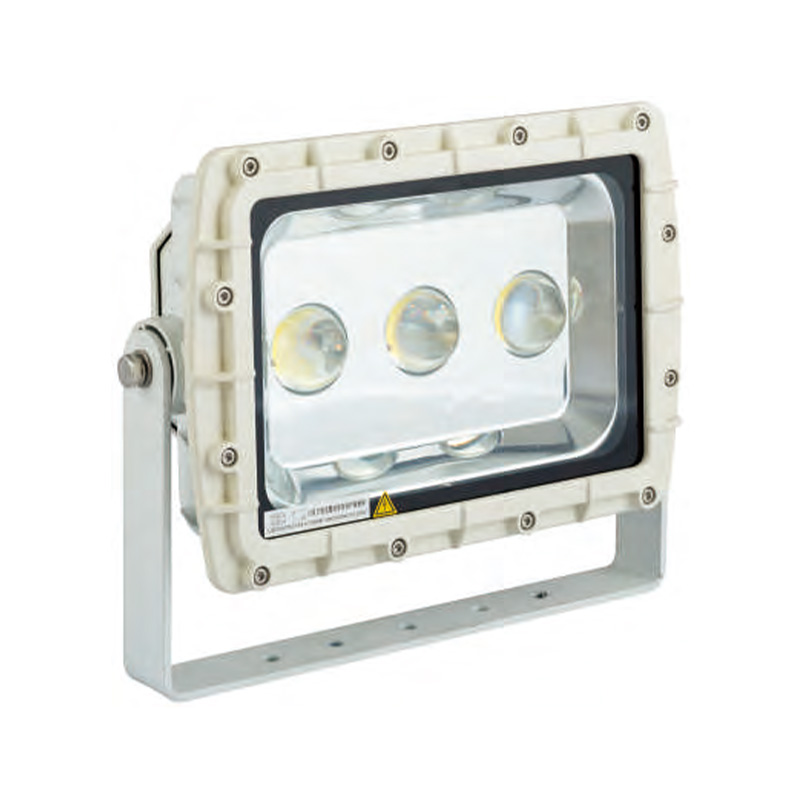
2. Upgrading to Advanced LED Marine Lighting
One of the most important strategies in marine spotlight retrofitting is the transition from traditional incandescent or halogen lighting to LED lighting.
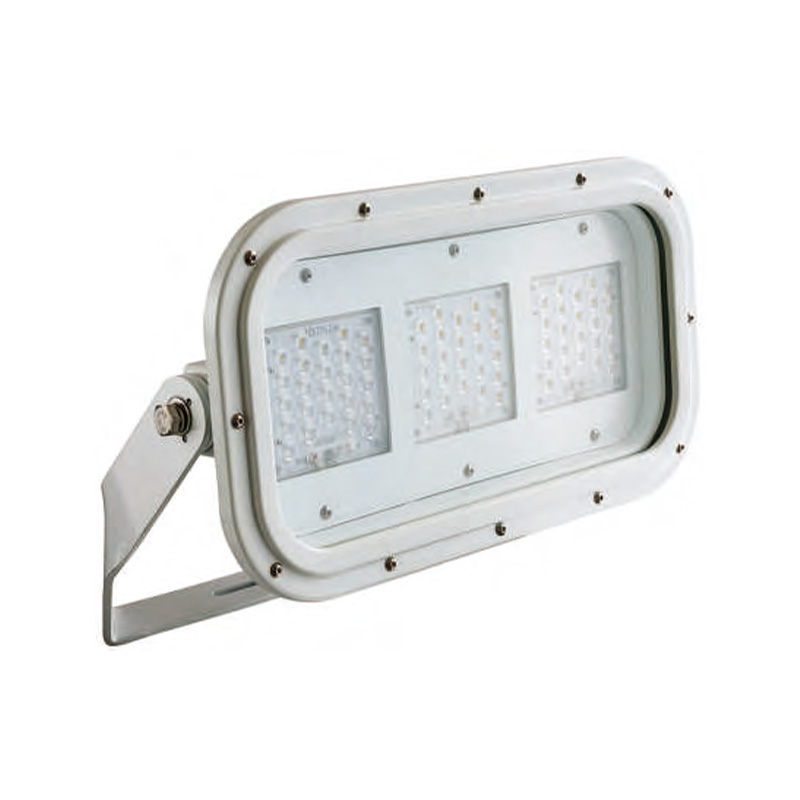
The following chart provides the comparison of LED marine spotlights and traditional spotlights. Together with the advantages of LED retrofitting for spotlights.
| Comparison Aspect | Traditional Spotlights | LED Retrofitted Spotlights | Advantage of LED Retrofitting |
| Energy Consumption | Consume large amounts of electrical power. | Require significantly less power for the same or higher brightness. | Improved energy efficiency and reduced fuel consumption. |
| Brightness Efficiency | Lower luminous efficiency with more wasted energy. | Higher lumen output with better light utilization. | Stronger and clearer illumination performance. |
| Lifespan | Shorter operational lifespan with frequent bulb replacement. | Much longer service life. | Reduced maintenance frequency and lower replacement costs. |
| Heat Generation | Generate substantial heat during operation. | Produce minimal heat. | Improved safety and reduced thermal stress on components. |
| Maintenance Requirements | Require regular inspection and bulb replacement. | Need less frequent maintenance. | Lower operational downtime and maintenance expenses. |
| Shock and Vibration Resistance | More vulnerable to vibration and mechanical impact. | Highly resistant to shock and vibration. | Better reliability in rough marine environments. |
| Corrosion Resistance Compatibility | Older systems may use materials prone to corrosion. | Often integrated with upgraded corrosion-resistant housings. | Enhanced durability in saltwater conditions. |
| Beam Control | Limited beam precision and flexibility. | Advanced optics provide focused and adjustable beams. | Improved long-distance visibility and operational accuracy. |
| Environmental Impact | Higher power usage and more waste from frequent bulb disposal. | Lower energy demand and longer lifespan reduce waste. | More environmentally sustainable operation. |
| Waterproof Performance | Older sealing systems may degrade over time. | Modern LED systems often include advanced waterproof protection. | Improved resistance to moisture intrusion. |
| Operational Reliability | Performance may decline quickly under harsh conditions. | Maintain stable illumination over extended periods. | More dependable lighting performance at sea. |
| Operating Cost | Higher electricity and maintenance expenses over time. | Lower energy and servicing costs. | Greater long-term cost savings. |
| Safety Performance | Reduced visibility may affect operational safety. | Brighter and more stable illumination improves safety. | Better navigation and deck operation safety. |
3. Improving Beam Precision and Illumination Performance
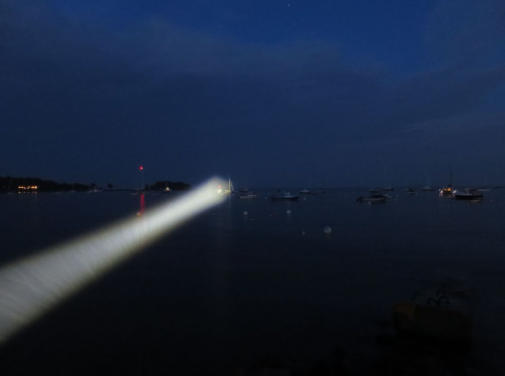
Retrofitting spotlights is not just replacing tired out light sources; the desired focus from retrofitting is bettering beam quality and optical performance, ensuring better operational visibility and safety.
Today’s advanced optical system uses top-notch reflectors and precision-engineered lenses to create more focused and efficient illumination. Better beam control makes spotlights project light significantly farther while reducing glare and light scattering. Great visibility is indeed very useful for nighttime navigation, docking purposes, and SAR missions.
Various retrofit solutions mean that even beam configurations can be adjusted, thus allowing the operator to switch between narrow or long-range beam and flood-type illumination based on different operational needs. This essentially bolsters the adaptability of a marine spotlight under numerous kinds of maritime applications.
4. Strengthening Corrosion Resistance
The presence of saltwater and persistent humidity provides severe corrosion challenges for marine lighting systems. And one of the best strategies in retrofit is to upgrade the corrosion-resistant materials of spotlights and their protective apparatuses to increase durability under the tough offshore environments.
Upgrading is arguably necessary for many concepts in performance lighting featuring the replacement of housing and mounting components with those marine-grade stainless steel or protective aluminum alloys that are resistant to corrosion. While topcoat choices and waterproofing define other parameters in the fight against salt mist, moisture ingress, and solar rays.
The resistance to corrosion becomes a lifetime that affects the reference of spotlight systems, especially for continued lighting performances under extreme conditions. Keeping the lens seal tight in the spotlight project in gaining the upper hand for the particular purposes of offshore complexes to the vociferous patrol ships to the ship with exposure to climate extremes.
5. Integrating Smart Control Technologies
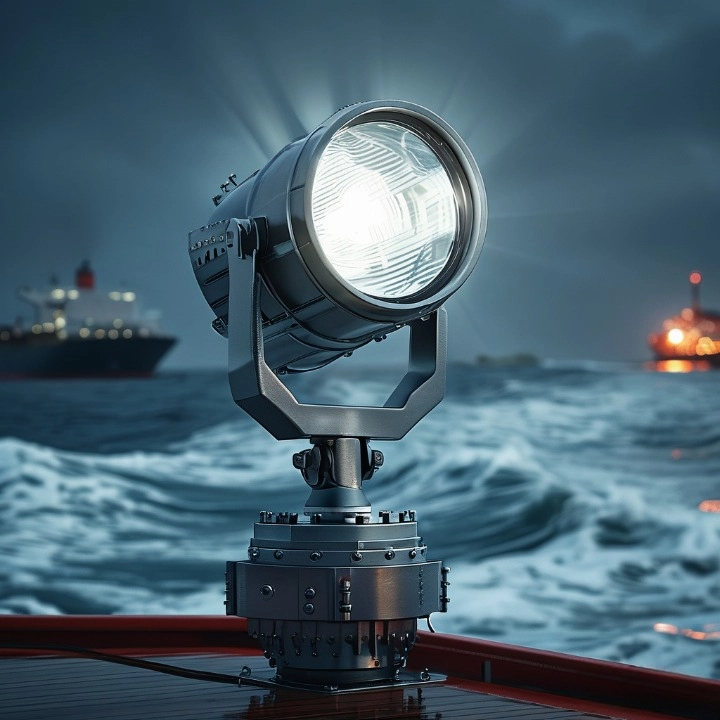
With vessel automation continuously being improved, smart control lighting systems have actually come to the forefront of the marine spotlight retrofit as a rather state-of-the-art investment. The manual-controlled spotlight is desperately holding back from the most efficient and responsive operation, especially in complex navigation or emergencies.
Advanced solutions for retrofitting often come with remote control capabilities to enable operators to adjust direction, intensity, and beam patterns of the spotlight from the bridge. Digital control systems improve ease of operation and reduce the necessity for manual processes during challenging weather conditions.
Some sophisticated retrofit systems may couple with ship-bound navigation and monitoring systems. Programmable beam position, automatic scanning, and fault detection monitoring are all features that lend towards operational reliability and simplify maintenance. Integration of smart technologies enhances vessel safety and operational versatility. This further renders spotlight systems infinitely adjustable to modern maritime necessities.
6. Ensuring Electrical Compatibility and System Stability
If you enjoy making a whole bunch of zappy sounds with some 12 oz. beer on board, find that brighter LED light, installed on the wrong electrical system on your workhorse of a vessel or some other old hull, all without retrofitting the old hull electricals, which were then removed from behind the ampersand. With the new lighting wiring and power supply in place and the old lighting finished being uninstalled from the superstructure, the only way to keep going is to install pliers and the new spotlight within minutes.
It is very important that before choosing a LED spotlight for retrofitting, vessel owners evaluate the power supply capability, compatibility with voltage, and integrity of the existing wiring. Outdated electrical elements must be upgraded in order to provide safety and stable operation of the new light that is being retrofit.
Appropriate electrical integration helps to protect more fragile lighting electronic devices from getting off voltage peaks and spikes, which would cause disruptions due to short-circuits and other electrical disturbances present within the vessel environment. Allowing for reliable electrical performance in all ships is crucial in preventing precise illumination from unit ramifications along with such unexpected electrical mishaps.
7. Minimizing Downtime During Retrofit Installation
Any incidence of operational downtime creates significant financial and logistical challenges not only for the commercial maritime entities but also for offshore operations. Retrofit efforts highlight expedient installation plans and minimal impact to the vessel schedules.
Using modular retrofit components and pre-engineered mounting solutions will ease installation and reduce labor requirements. Executing retrofit work during planned maintenance schedules or at the dry dock also keeps innovative operations flowing without any further interruption.
Professional installation of spotlights and successful testing then go hand in hand to ensure that the first-level spotlight systems unequivocally work against aquatic operating conditions. A comprehensive post-installation test will verify waterproofing efficacy, beam performance, and electrical reliability for any other problems, before the vessel starts its service.
8. Meeting Modern Marine Safety and Compliance Standards
Marine lighting systems must comply with strict safety and operational standards. Effective retrofitting strategies are to make sure that replaced marine illuminants are up-to-date and efficient with marine standards and classifications.
Modern retrofit projects often focus on improving waterproof ratings, vibration resistance, electromagnetic compatibility, and operational reliability in hazardous environments. Compliance is necessary to preserve ship certifications and ensure a safe journey for the ship. The association with light experts providing light solutions at sea makes regulation feasible while conferring high-quality retrofit solutions.
Challenges in Marine Spotlight Retrofitting
Several challenges must be carefully managed during the upgrade process.
| Challenge | Description | Impact on Marine Operations | Possible Solutions |
| Electrical Compatibility | Older vessels may have outdated electrical systems that are incompatible with modern spotlight technologies. | Risk of unstable performance, overloads, or electrical failures. | Upgrade wiring systems, transformers, and power distribution components before installation. |
| Corrosion and Saltwater Exposure | Marine environments continuously expose spotlight systems to salt, moisture, and UV radiation. | Accelerated equipment deterioration and shortened lifespan. | Use marine-grade stainless steel, corrosion-resistant coatings, and waterproof sealing technologies. |
| Limited Installation Space | Existing vessel structures may provide insufficient room for modern retrofit components. | Difficult installation procedures and potential design limitations. | Use compact LED modules and customized mounting solutions. |
| Structural Compatibility | Older spotlight mounting systems may not support newer spotlight assemblies. | Reduced stability and increased vibration-related damage. | Reinforce mounting brackets and redesign support structures when necessary. |
| Waterproof Integrity | Retrofitting may compromise existing waterproof seals if not handled correctly. | Water intrusion can damage internal electrical and optical components. | Apply high-quality marine sealing systems and conduct waterproof testing after installation. |
| Heat Management | Some upgraded lighting systems may generate heat differently than older systems. | Overheating can reduce performance and component lifespan. | Integrate advanced heat dissipation systems and proper ventilation designs. |
| Beam Alignment | Retrofitted optics may not align properly with existing spotlight housings. | Uneven illumination and reduced visibility performance. | Use precision optical calibration and customized reflector adjustments. |
| Long-Term Maintenance Planning | Retrofitted systems still require periodic inspection and servicing. | Neglected maintenance can reduce retrofit effectiveness over time. | Establish preventive maintenance schedules and monitoring systems. |
| Budget Constraints | Comprehensive retrofit projects can involve significant upfront investment. | Delayed upgrades or incomplete retrofitting. | Prioritize critical upgrades and implement phased retrofit strategies. |
| Environmental Conditions | Extreme temperatures, storms, and humidity affect spotlight reliability. | Reduced operational performance in severe conditions. | Select marine-certified components designed for harsh offshore environments. |
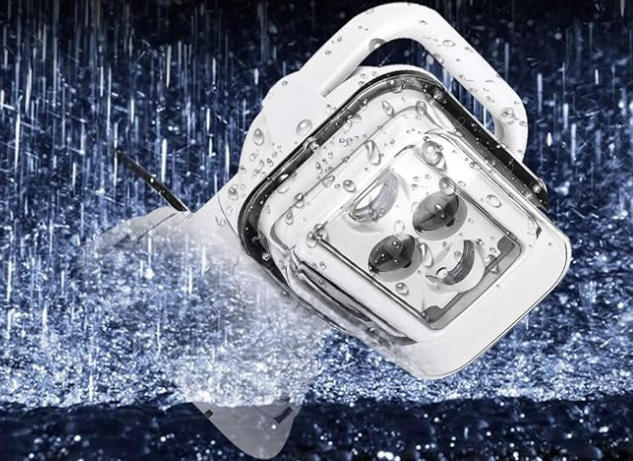
Applications of Retrofitted Marine Spotlights
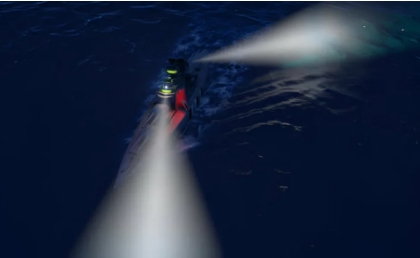
Retrofitted marine spotlights are widely used across various maritime sectors.
| Application Area | How Retrofitted Marine Spotlights Are Used | Benefits |
| Commercial Cargo Ships | Used for navigation assistance, docking operations, and deck illumination during nighttime activities. | Improved visibility, reduced energy consumption, and enhanced operational safety. |
| Tankers and Bulk Carriers | Support cargo handling, navigation, and emergency operations under low-light conditions. | Reliable long-range illumination and reduced maintenance requirements. |
| Fishing Vessels | Provide illumination for fishing operations, net handling, and deck work at night. | Better visibility for crews and improved operational efficiency. |
| Offshore Oil and Gas Platforms | Used for platform perimeter lighting, inspection tasks, and offshore operational safety. | High durability and resistance to harsh marine environments. |
| Search and Rescue Vessels | Assist in locating individuals, vessels, or objects during emergency rescue missions. | Powerful focused beams and rapid response capability. |
| Coast Guard and Patrol Boats | Enhance surveillance, security monitoring, and nighttime patrol activities. | Improved target detection and operational flexibility. |
| Naval Vessels | Support tactical operations, navigation, and onboard safety procedures. | High-performance illumination and reliable operation in demanding conditions. |
| Tugboats | Aid maneuvering and docking assistance in ports and narrow waterways. | Enhanced precision and safer vessel handling. |
| Passenger Ferries | Improve passenger safety and operational visibility during nighttime navigation. | Increased safety and reduced energy costs. |
| Recreational Boats and Yachts | Used for nighttime cruising, docking, and aesthetic lighting improvements. | Modern appearance, energy efficiency, and user convenience. |
| Harbor and Port Operations | Assist with vessel traffic management, loading operations, and dockside safety. | Better operational visibility and improved working conditions. |
| Icebreakers and Polar Vessels | Provide illumination in low-visibility and extreme weather conditions. | Reliable operation under severe environmental stress. |
| Research and Survey Vessels | Support scientific operations, underwater observation, and deck activities at night. | Precise illumination and dependable performance. |
| Firefighting and Emergency Response Ships | Assist emergency crews during firefighting and disaster response operations. | Strong illumination for hazardous and low-visibility environments. |
Final Words
For improving safety, energy efficiency, and productivity, retrofitting marine spotlights has proven to be a technical and strategic approach. By upgrading marine spotlight systems on the boat with newer LED technologies, intelligent controls, and materials that are corrosion-resistant, owners of a vessel have been in a position to generate substantial financial savings using an extended lifespan for lighting equipment.
