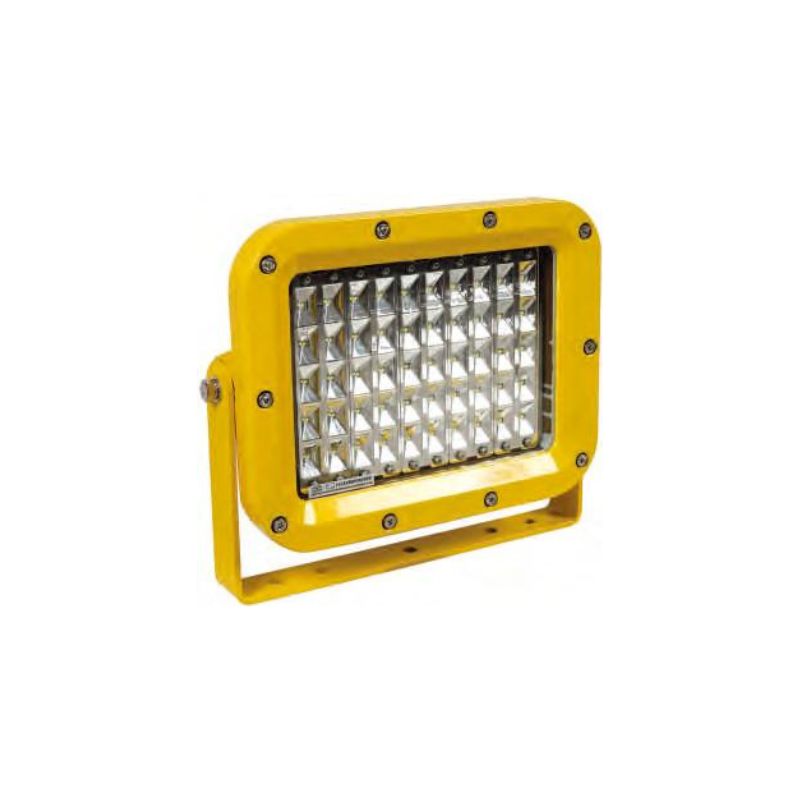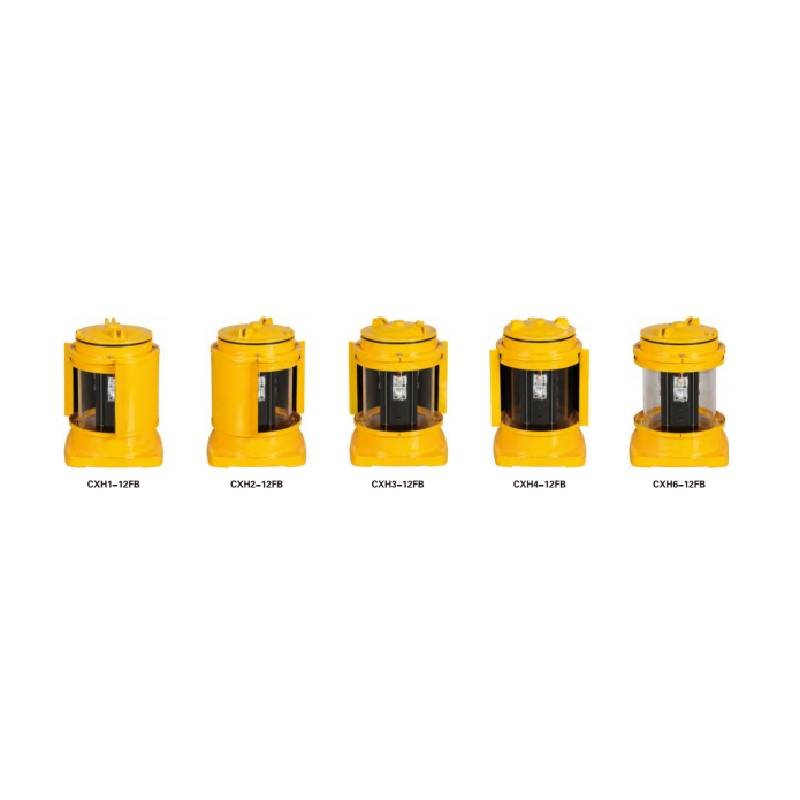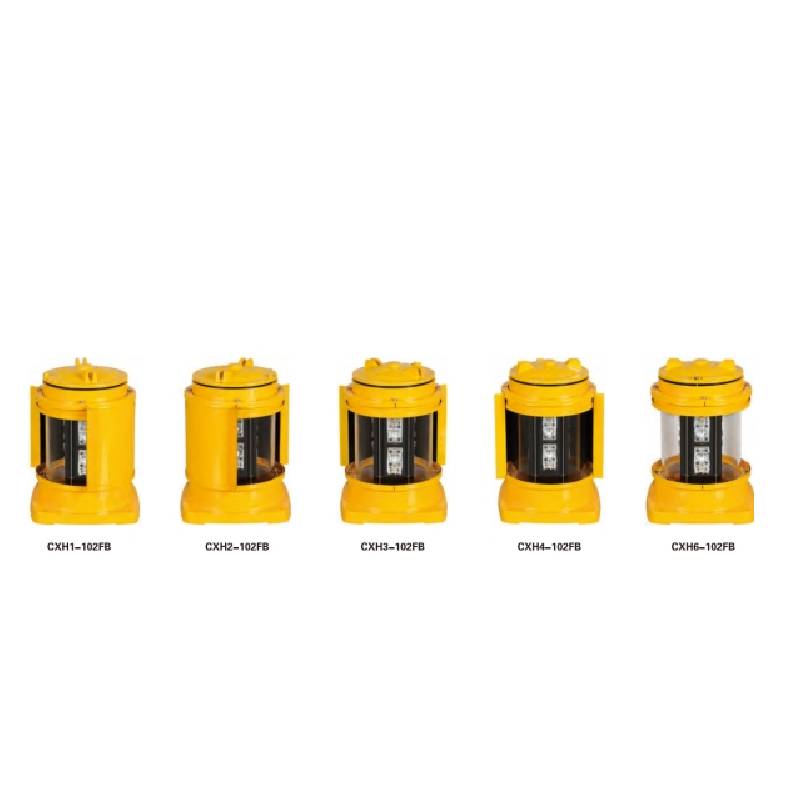
Common Mistakes of Installing Explosion-proof Lights in Marine Environments
The installation process for explosion-proof lights requires experts who need to plan their work while following safety regulations. Many installations fail to deliver optimal performance because of common mistakes made during selection, mounting, wiring, and maintenance. The mistakes create safety hazards which decrease equipment durability and result in expensive repairs and legal violations. Understanding these mistakes enables organizations to develop explosion-proof lighting systems that function reliably in demanding marine environments while meeting regulatory requirements.
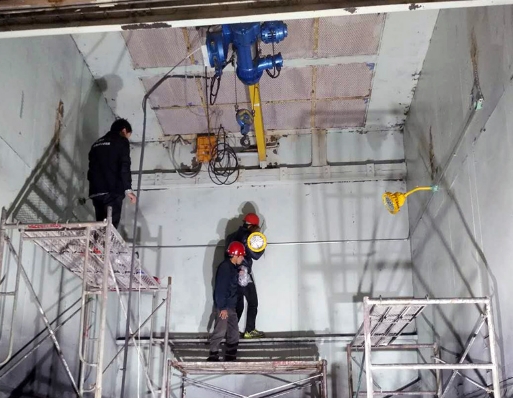
Table of Contents
Why Installing Explosion-proof Lights in Marine Environments is Important
Ships, offshore platforms, tankers, and dock facilities operate in locations that contain flammable gases and vapors and combustible dust. Standard lighting equipment generates sparks and excessive heat which creates a dangerous ignition hazard. Explosion-proof lights contain internal sparks which prevent nearby hazardous materials from catching fire. The system enhances safety by providing dependable light during extreme marine conditions which include salt spray and humidity and vibration and severe weather. Marine explosion-proof lighting enables organizations to safeguard personnel and cargo and equipment while meeting maritime safety requirements.
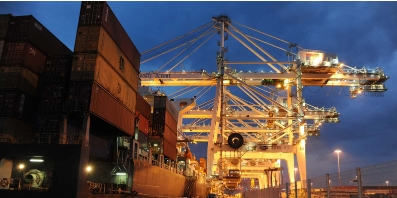
Common Mistakes and Corresponding Measures in Installing Marine Explosion-proof Lights
1. Choosing the Wrong Explosion-proof Light Rating
One of the most serious mistakes is selecting explosion-proof lighting fixtures without confirming the hazardous area classification. Marine environments may contain different gas groups, temperature classes, or zone classifications depending on the application of explosion-proof lights. Using a fixture designed for a lower-risk zone in a higher-risk area can create severe safety hazards. It is essential to match the light fixture with the required standards and certifications for the installation site.
| Selection Factor | What to Evaluate | Why It Matters | Considerations |
| Hazardous Area Classification | Determine whether the location is Zone 0, Zone 1, Zone 2, Zone 20, Zone 21, or Zone 22 | Ensures the fixture is approved for the level of explosive risk present | Continuous gas presence may require Zone 0 equipment, while occasional exposure may allow Zone 2 |
| Type of Hazardous Substance | Identify whether flammable gas, vapor, mist, or combustible dust is present | Different substances require different protection methods | Fuel vapor, chemical gas, grain dust, coal dust |
| Gas Group / Dust Group | Confirm the ignition characteristics of the hazardous material | Some gases ignite more easily and need stricter equipment standards | IIA, IIB, IIC gas groups; IIIA, IIIB, IIIC dust groups |
| Temperature Class | Check the maximum surface temperature allowed for the fixture | Prevents the light from igniting surrounding gases or dust | T1 to T6 classifications depending on ignition temperature |
| Marine Environment Resistance | Evaluate resistance to salt spray, humidity, corrosion, and vibration | Marine conditions can damage unsuitable fixtures quickly | Stainless steel housing, anti-corrosion coating, sealed design |
| Ingress Protection (IP Rating) | Verify protection against water and dust entry | Important for outdoor decks, engine rooms, and offshore areas | IP66, IP67 for harsh wet environments |
| Mounting Location | Review whether the light is for indoor, outdoor, ceiling, wall, pole, or portable use | Proper mounting improves safety and lighting effectiveness | Deck lighting, cargo hold lighting, walkway lighting |
| Power Supply Compatibility | Match fixture voltage, frequency, and electrical system | Prevents malfunction or premature failure | AC 110V, 220V, 440V, DC marine systems |
| Light Output Requirement | Determine brightness and beam angle needed for the task area | Provides adequate visibility for work and safety | Explosion-proof floodlights for deck area, focused beam for inspection zones |
| Certification Standard | Confirm compliance with required marine and hazardous-area standards | Required for legal operation and insurance compliance | ATEX, IECEx, UL, marine class approvals |
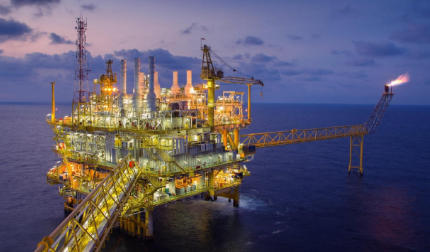
2. Ignoring Corrosion Resistance Requirements
The marine environment exposes equipment to salt spray, humidity, rain, and temperature fluctuations. Even certified explosion-proof lights can fail prematurely if the housing material used is not suitable for corrosive conditions. The major oversight is instantaneously choosing the standard aluminum or painted steel fixtures for relatively cheaper prices, neglecting marine-grade material. Materials such as corrosion-resistant staining steel, specially treated alloys of aluminum, and durable powder coating are well-suited for offshore and coastal applications. In cases where corrosion resistance is abandoned, serious problems may lead to the rusting of the enclosures, decaying of the sealing systems, and degeneration of explosion-protection integrity.
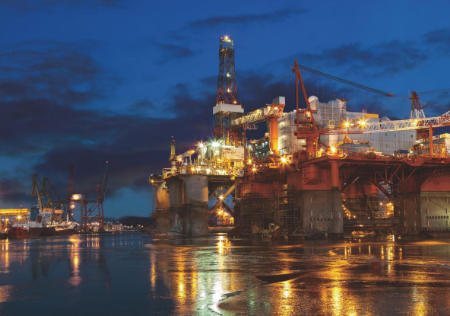
3. Improper Cable Gland and Conduit Installation
The tightness of cable entries has an enormous impact on the explosion-proof element of lighting systems. Many failures are rooted in cooperation when an improper application has been used, particularly in the content of cable glands, seals, or conduit fittings.
The other examples of common mistakes would be the use of uncertified cable myths, improper: tightening of fitments, or choice of mismatching thread types-all of which can result in the impeding of moisture, ingress of gas or creation of poor circuit connections. Only the explosion-proof, approved cable glands must be utilized with proper fittings and matching to certification and thread specs of the fixture.
4. Poor Mounting Position and Orientation
Another major typical mistake that is much committed is putting lights in a position that is not good to their radiation efficiency or may lead them to excessive physical abuse. During installations, people may lower some lights, place them behind some obstacles, or at worst think of illuminating some other corner.
If the fixtures are fixed in such a way that would not allow excessive vibrations, impacts from moving cargo or direct soaking through cleaning systems and waves, in addition to not causing visual hindrance, can also be said to be properly positioned in view of some of the problems discussed above. Correct placement of layouts of light fixtures ensures that work areas, walkways, engine rooms, and hazardous areas are properly lighted.
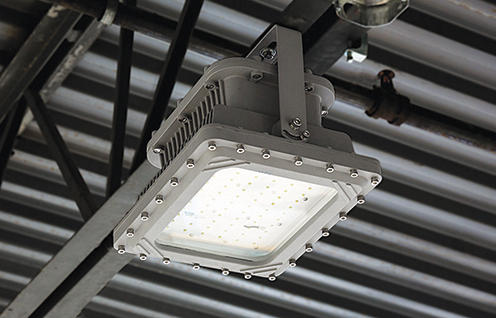
5. Failure to Protect Against Vibration and Shock
Life aboard ships and offshore platforms will withstand constant vibration from engines, generators, wave motion, and machinery. When vibration is not taken into consideration, standard methods of fixing may become loosened overtime. A common oversight when installing is the lack of lock washers, anti-vibration brackets, or bracing hardware. This leads to the misalignment of the fixture, loosened wiring, or destruction of the structure. The use of mounting hardware that is generally suitable for maritime application is also recommended: the hardware will be able to withstand the harsh marine environment, subsequently leading to lesser maintenance downtime. A good installation, properly documented via regular inspections to ensure standards are kept, will extend the useful life of the systems and their components.
6. Incorrect Electrical Wiring Practices
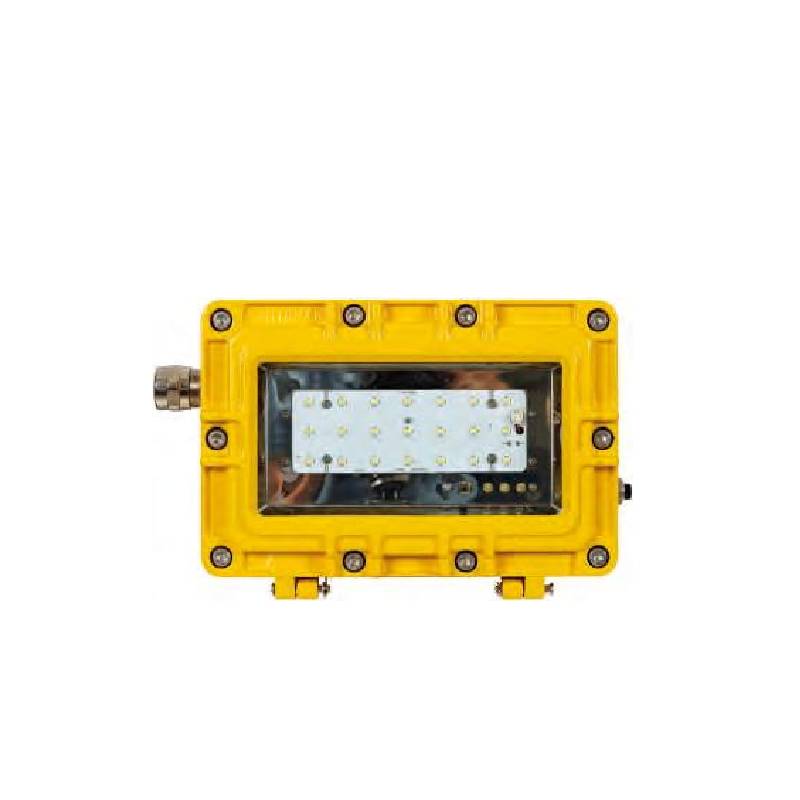
Improper wiring remains one of the most frequent causes of explosion-lighting failure.
Qualified marine electricians should always perform installation according to electrical codes, manufacturer instructions, and vessel safety regulations.
| Wiring Practice | Description | Importance | Common Mistakes to Avoid |
| Correct Cable Sizing | Select cable size according to fixture load, circuit length, and ambient temperature | Prevents overheating that could damage insulation or create ignition risks | Using undersized cables for multiple fixtures |
| Certified Explosion-proof Cable Glands | Use approved glands and sealing fittings for hazardous locations | Maintains flameproof enclosure integrity and blocks gas ingress | Installing standard cable glands instead of certified types |
| Proper Grounding / Earthing | Bond the fixture housing and metal conduit to grounding system | Reduces electric shock risk and safely clears fault currents | Missing or loose grounding connections |
| Tight Terminal Connections | Secure conductors using specified torque values | Prevents arcing, loose contacts, and heat generation | Loose terminals or over-tightening that damages terminals |
| Correct Voltage Matching | Confirm supply voltage matches fixture rating | Prevents malfunction, overheating, or driver failure | Connecting 220V fixture to 440V supply |
| Sealed Conduit Connections | Use approved conduit seals and threaded fittings where required | Stops hazardous gases from traveling through conduit systems | Unsealed conduit runs or mismatched threads |
| Proper Wire Insulation | Use cables with insulation resistant to heat, oil, moisture, and chemicals | Extends service life in harsh marine hazardous areas | Using general-purpose indoor wire |
| Moisture Protection | Seal entries, junction boxes, and terminations against water ingress | Prevents corrosion, short circuits, and seal failure | Damaged gaskets or open junction boxes |
| Polarity Verification | Check correct polarity, especially in DC systems or LED drivers | Ensures reliable operation and protects internal electronics | Reversed polarity connections |
| Overcurrent Protection | Install suitable breakers, fuses, and fault protection devices | Prevents wiring damage during overload or short circuit events | Oversized breaker that does not trip properly |
| Cable Routing Safety | Route wiring away from heat, vibration, sharp edges, and moving machinery | Protects insulation and reduces mechanical damage | Cables rubbing against metal structures |
| Separation of Circuits | Separate lighting power cables from signal/control lines | Minimizes interference and accidental cross-connections | Mixing power and control cables in same path |
| Compliance with Hazardous-area Standards | Follow applicable installation codes and manufacturer instructions | Ensures certification validity and safe operation | Ignoring Ex installation requirements |
| Inspection and Testing | Perform insulation resistance, continuity, grounding, and functional tests | Detects faults before energizing the system | Skipping final commissioning tests |
7. Neglecting Seal Integrity During Installation
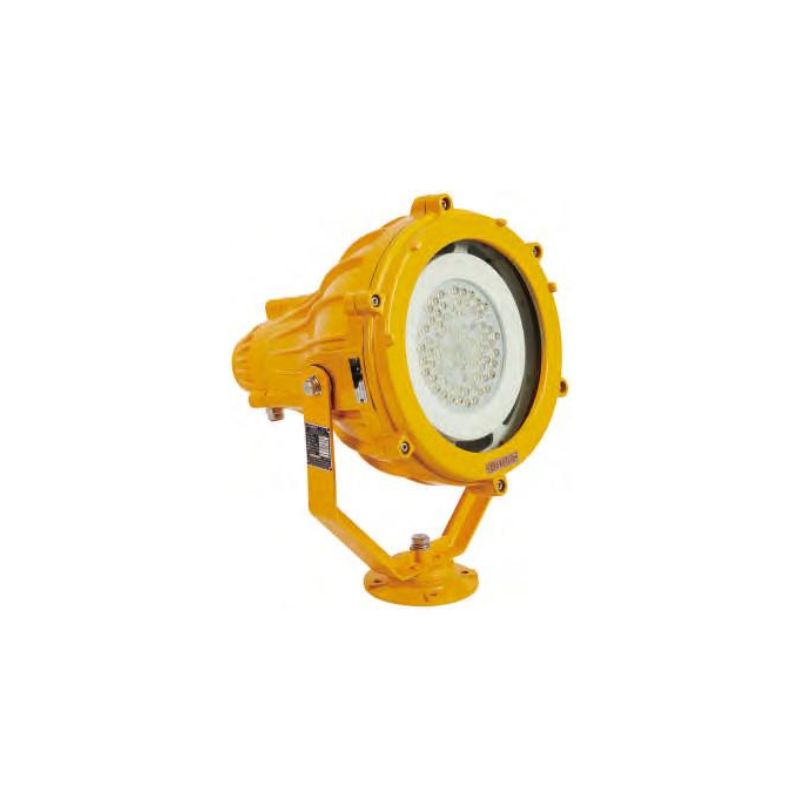
Soft competence in anti-explosion working mechanisms arises under the assumption of the precision and reliability of flame-paths, gaskets, and seals in cases of internal ignition and as mechanisms to block external sources of ignition. Slipshod handling extended during installation, possible over-torqueing and perhaps squished gaskets or sealing surfaces are some of the definite factors that render protective equipment flawed. It is so important and of paramount importance to carefully inspect all gasket surfaces before the product is applied.
8. Overlooking Energy Efficiency and Modern Upgrades
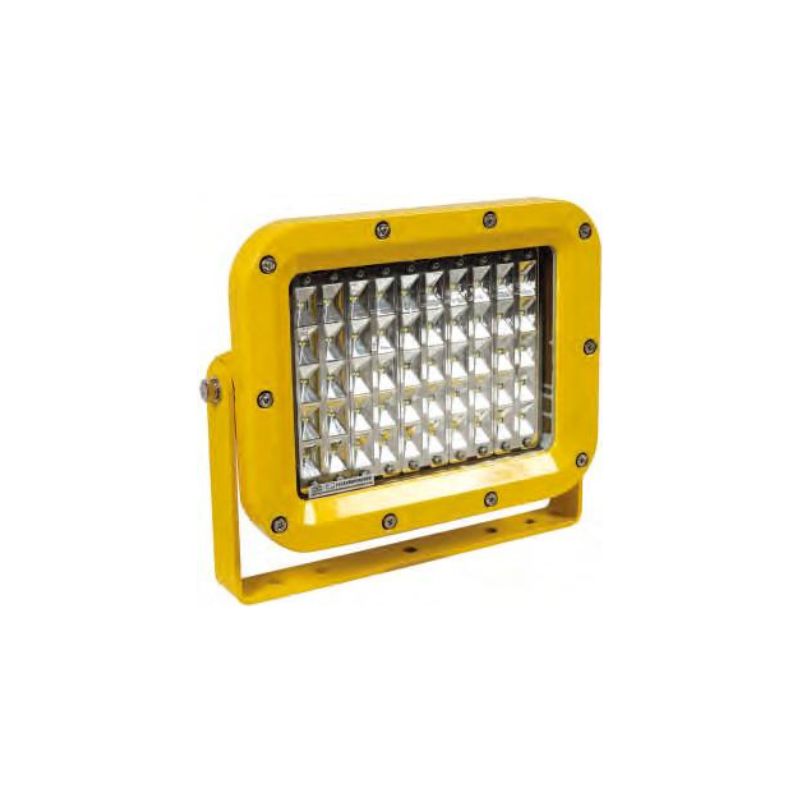
Another bad thing is that people are hardly upgrading their already ancient light systems to better, efficient modern explosion-proof LED lights. Ancient lighting systems consume a lot of electricity compared to light-emitting diodes, which are cold to the touch and have a long period before they fail, hence, economics. LED explosion-proof lighting fixtures are now becoming the best solution in the shipping and all marine operations; they have a longer life, minimal maintenance, and are durable while being cost-effective.
Routine Maintenance After Installation of Explosion-proof Lights
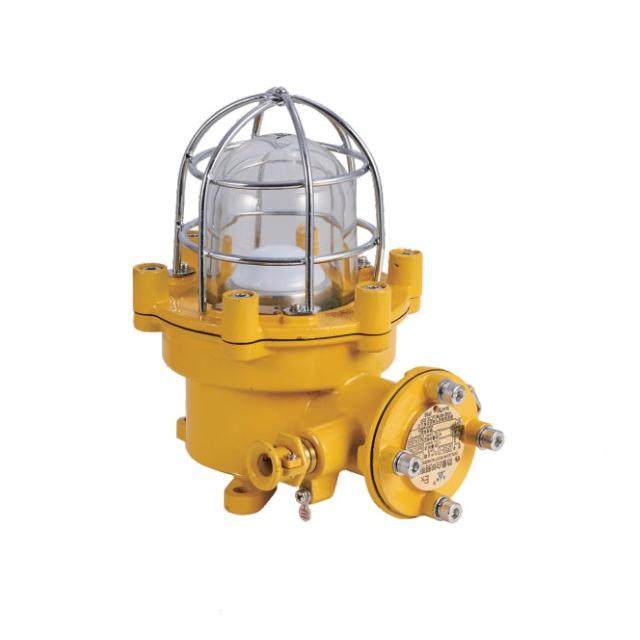
Most operators are under the impression that once explosion-proof lights have been installed, nothing more needs to be done. However, the marine environment significantly accelerates the rate of wear and tear, due to corrosion, vibration, moisture, and temperature cycling. Regular maintenance in explosion-proof lighting are absolutely necessary to maintain both safety and performance.
| Maintenance Task | Description | Importance | Common Issues Found |
| Visual Exterior Inspection | Check housing, lens, guards, and mounting brackets for damage or corrosion | Identifies physical wear that may weaken protection | Cracked lens, rust, dents, loose brackets |
| Seal and Gasket Check | Inspect gaskets, O-rings, and sealing surfaces for aging or damage | Maintains explosion-proof and weatherproof integrity | Hardened gasket, cracks, moisture leaks |
| Fastener Tightness Verification | Confirm bolts, screws, covers, and mounting hardware are secure | Prevents vibration loosening and enclosure gaps | Loose cover bolts, missing screws |
| Cable Gland Inspection | Examine glands and conduit entries for tightness and seal condition | Prevents water ingress and gas entry | Loose glands, damaged seals, corrosion |
| Wiring Connection Check | Inspect internal terminals and conductors for secure contact | Reduces risk of arcing, overheating, or failure | Burn marks, loose terminals, frayed wires |
| Grounding / Earthing Test | Verify grounding continuity of fixture housing | Protects against electric shock and fault current hazards | Broken ground wire, poor continuity |
| Corrosion Control | Look for salt damage on metal parts and protective coatings | Extends fixture lifespan in marine environments | Surface rust, pitting, coating failure |
| Lens Cleaning | Remove salt deposits, dirt, oil, and debris from lens surfaces | Maintains brightness and visibility | Reduced light output, cloudy lens |
| Light Source Performance Check | Confirm lamp or LED module operates normally without flicker or dimming | Ensures reliable illumination and early fault detection | Flickering, low brightness, failed LEDs |
| Driver / Ballast Inspection | Check LED driver or control gear for overheating or abnormal noise | Prevents sudden lighting failure | Burnt smell, swelling, overheating |
| Flame Path Surface Inspection | Examine threaded joints or flame path surfaces for damage or contamination | Critical for maintaining explosion containment | Scratches, dirt buildup, corrosion |
| Moisture Intrusion Check | Inspect inside enclosure for condensation or water traces | Prevents insulation failure and corrosion | Water droplets, internal rust |
| Functional Testing | Turn fixture on/off and verify normal operation | Confirms readiness during real use | Delayed start, intermittent operation |
| Documentation Update | Record inspection dates, findings, and repairs completed | Supports compliance and planned maintenance | Missing service history |
| Replacement of Worn Parts | Replace damaged seals, corroded hardware, failed lamps, or components | Restores safety and performance | Reused damaged gaskets, temporary fixes |
Summary
Installing explosion-proof lights in marine environments goes beyond wiring an enclosure and connecting the wire, resulting in the wrong classification rating. By doing this one can lessen safety issues like avoiding corrosion, using wrong type of cable fittings, poor mounting installation, wrong termination, and lack of maintenance being performed.
Marine operators can reach for dependable illumination and safe hazardous operations by following classification requirements, using marine-grade materials, ensuring proper installation techniques, and maintaining fixtures on a routine basis. Maximizing the protection followed by power and long-term friendly lamps and lighting, is indicative of a fruitful installation.