How Color and Light Intensity Impact Marine Navigation Lighting Safety
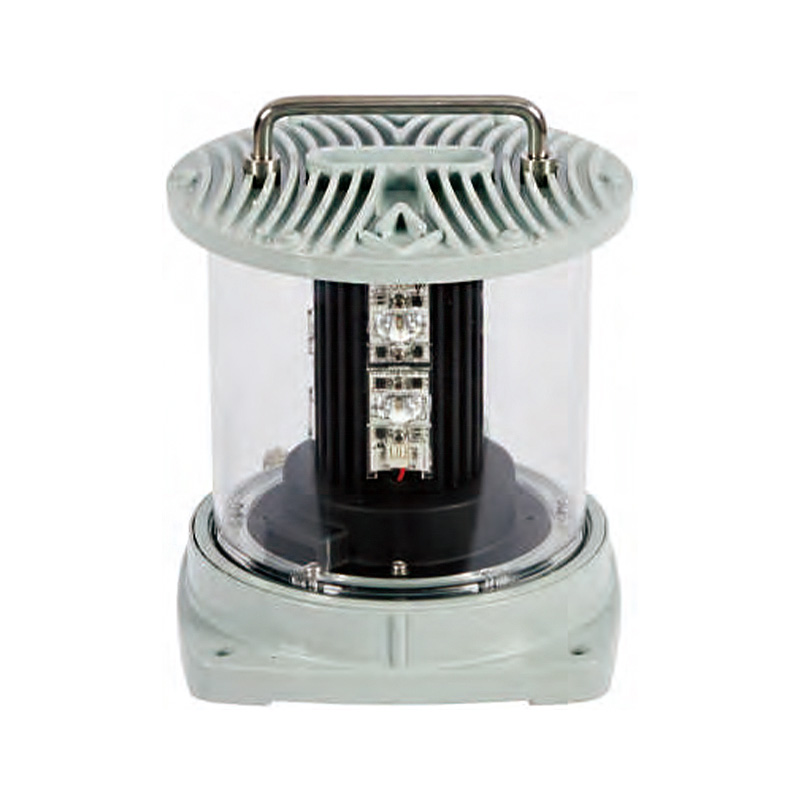
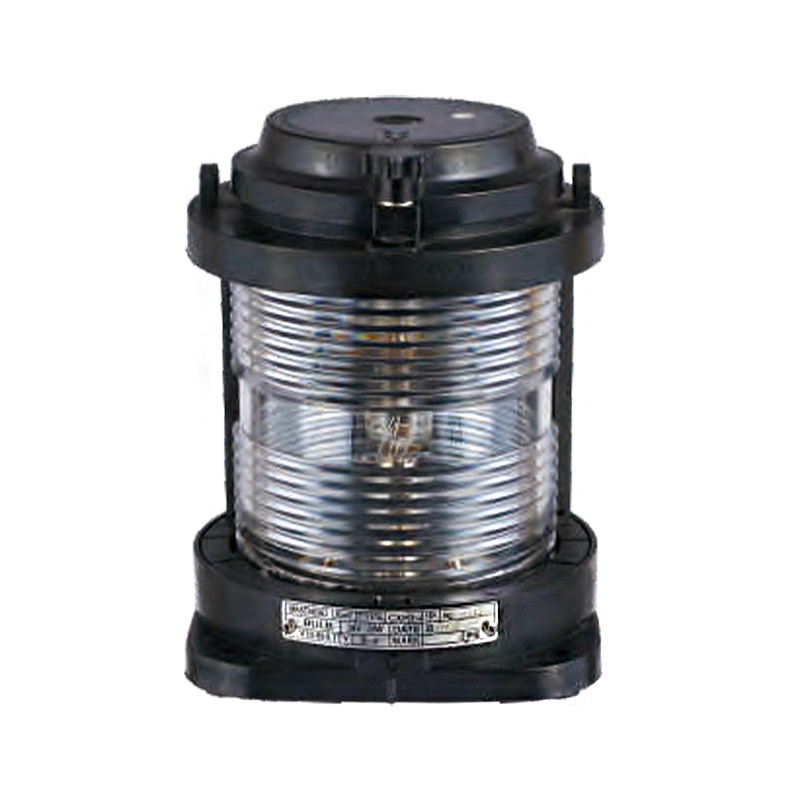
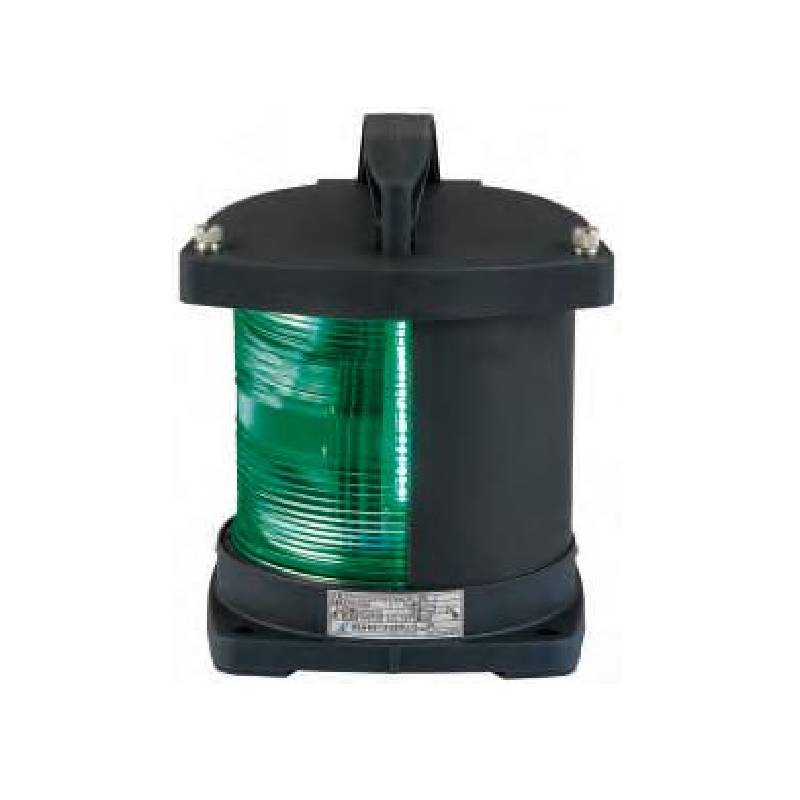
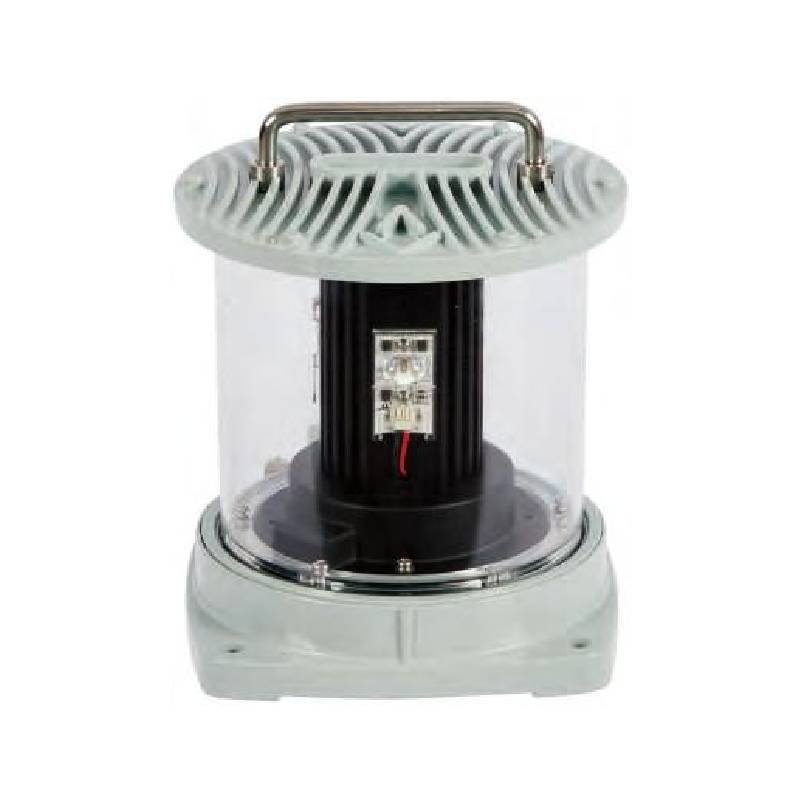
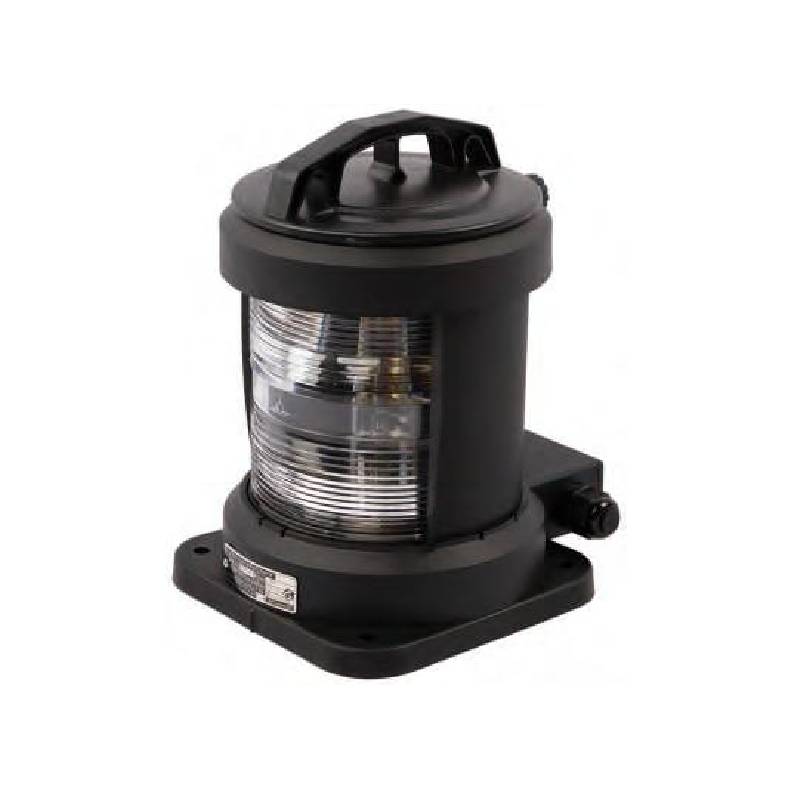
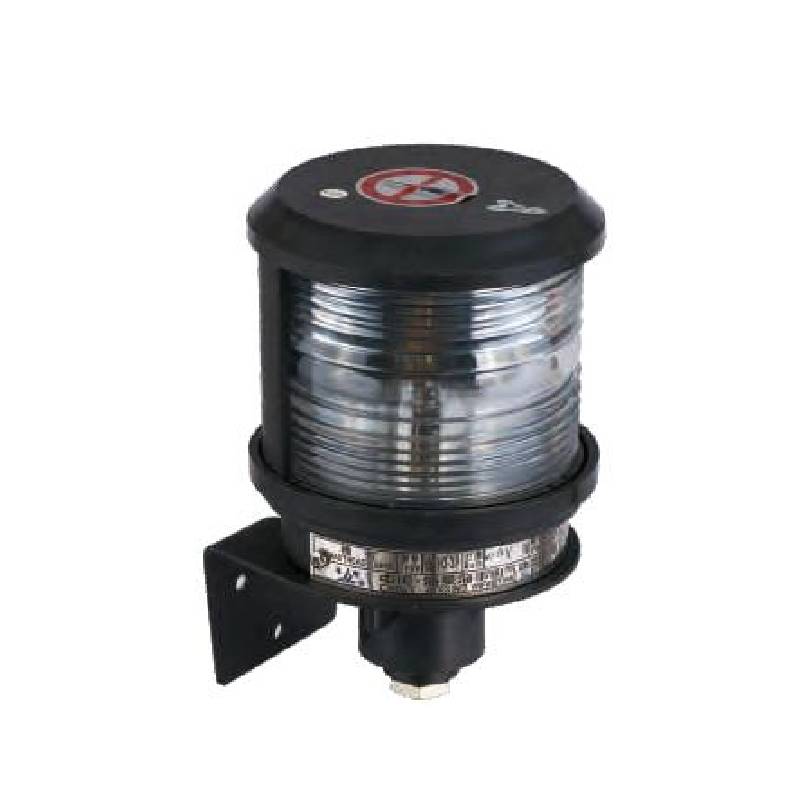
Marine navigation lights are mainly used for signaling the other vessels about the position, direction, and state of a ship in order to avoid any possible collisions and experience smooth and safe movement. Amongst essential and key factors that affect the performance of marine navigation lighting are their color and light intensity. Their designing is meticulously woven with design considerations in the materialization of indispensable safety kept intact while at sea.
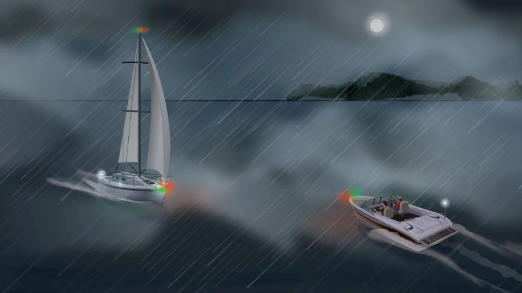
Table of Contents
The Role of Color in Marine Navigation Lighting
Color Coding for Safe Navigation
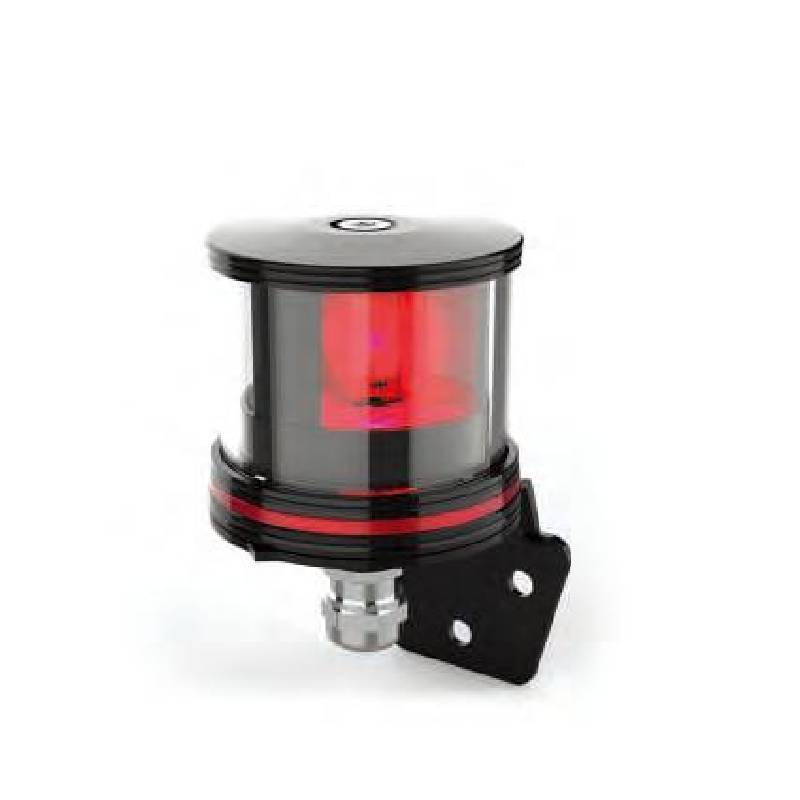
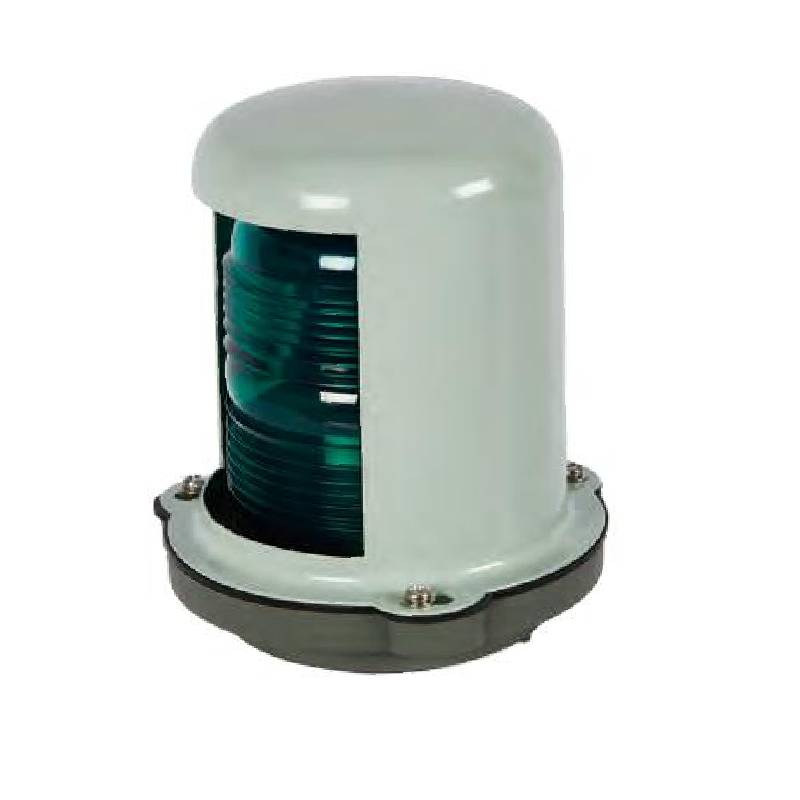
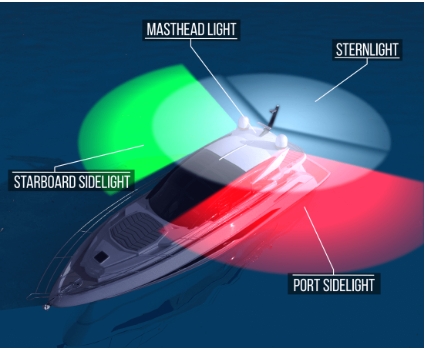
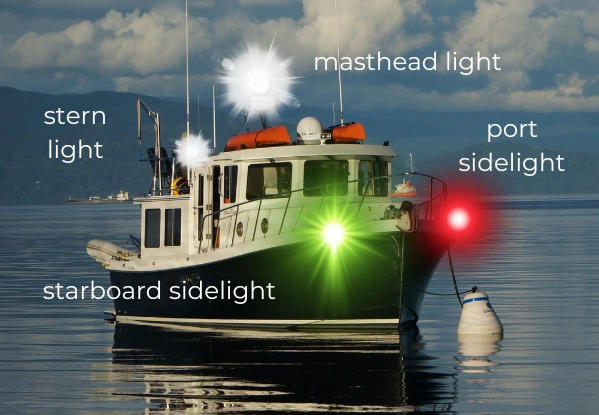
The color coding system for marine navigation lights is standardized worldwide, enabling clear and consistent communication between vessels.
Here’s a chart summarizing the color coding system for marine navigation lights, which are used to indicate the position and status of vessels on the water.
| Light Color | Purpose | Position | Typical Use |
| Red | Indicates port (left) side of the vessel | Port side (left) | To indicate the left side of the vessel to other vessels. |
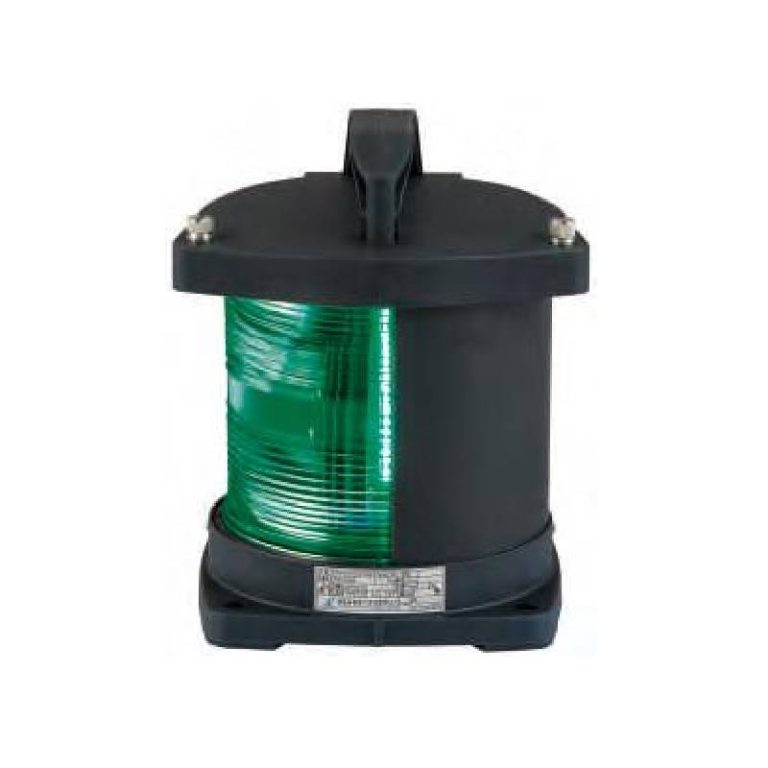
| Green | Indicates starboard (right) side of the vessel | Starboard side (right) | To indicate the right side of the vessel to other vessels. |
| White | Indicates the stern (rear) of the vessel | Stern | To indicate the rear of the vessel. Often used in combination with other lights. |
| Amber (Yellow) | Indicates a vessel’s special condition or warning | Various positions, often for special signal | Used for special signals or to indicate a vessel in distress. |
| Flashing White | Indicates a vessel at anchor | Masthead, stern, or all-round light | Used when a vessel is at anchor to warn other vessels of its presence. |
| Blue | Indicates a law enforcement or government vessel | Various positions | Typically used by law enforcement or government vessels to signify their authority. |
These color coding rules help to ensure safe navigation and the effective communication of a vessel’s position and intentions to other ships, especially during the night or in low-visibility conditions.
Clear Communication with Color
The main use of colors for the various navigation lighting systems is to ensure mariners can quickly understand the status and position of the other vessels. For example, a red and green light is an overt clue pointing the observer directly towards a head-on vessel. Color knowledge will determine whether the head-on vessel port and starboard navigation aid lights are colligated.
Apart from enhancing recognition of the vessel in movement, which way it is proceeding is reflected upon by colors, e.g., when red light is observed, which signifies that the vessel’s intended course is opposite to the viewer; while green light means that the vessel’s right side is exposed to the observer’s lookout, which enables him/her to judge if there is a chance of collision, and whether the observer should take positive action to avoid the results.
Standardization and International Safety Regulations
The standardized use of color in marine navigation lighting is governed by international regulations such as the International Regulations for Preventing Collisions at Sea (COLREGs), set by the International Maritime Organization (IMO).
Here’s a chart summarizing how the color coding system for marine navigation lights is standardized internationally, ensuring clarity and safety in maritime navigation. By adhering to these regulations, mariners can avoid confusion and prevent accidents.
| Color | International Regulation | Significance |
| Red | COLREGs | Helps other vessels identify the left side of a vessel, preventing head-on collisions. |
| Green | COLREGs | Helps other vessels identify the right side of a vessel, promoting safe navigation. |
| White | COLREGs | Ensures the vessel’s shape and direction can be recognized, preventing accidents in busy waters. |
| Yellow/Amber | COLREGs and National Maritime Regulations | Signals special operational status or restricted mobility, alerting other vessels to exercise caution. |
| Blue | National Maritime Regulations | Provides immediate visibility for vessels in distress or requiring urgent assistance. |
The Importance of Light Intensity of Marine Navigation Lights for Visibility
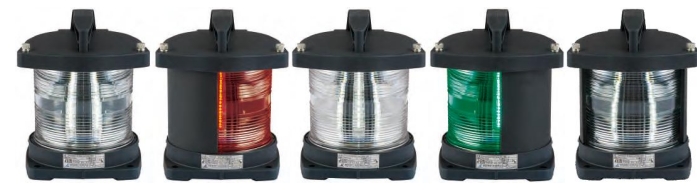
Light intensity has an essential role in ensuring that marine navigation lights become visible from an adequate distance. The intensity of marine lights directly affects their capability to inform other vessels’ captains, thus ensuring safe and efficient maritime navigation.
1. Visibility Range and Safety
The essential task of marine navigation lighting is to make sure that a ship becomes visible to other vessels, especially in dark or bad weather. The depth of the light’s intensity translates it into a specific range to serve as a means of managing collision prevention. The higher the intensity of light, the higher the visibility range, meaning that other vessels detect a vessel at further and further distance. Early warning is obviously important for shipmen so that they have enough time to act and avoid possible collisions by changing course or speed.
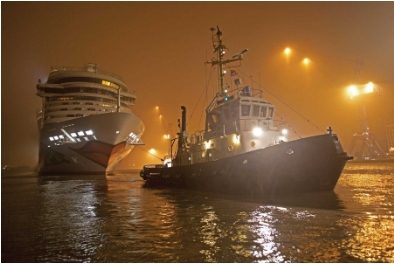
In bad weather or when there is little visibility due to fog, rain, or at nighttime, the visibility becomes very poor, which can endanger the safety of the vessel. In such cases, illumination-lights of high intensity-against a white backdrop are pivotal in making the phenomenon visible to a safe distance so that an approaching vessel may take notice on time. Absent bright light, a vessel might be overlooked until it is too late, thereby leading to accidents or unpleasant ship-to-ship incidents.
2. Balancing Intensity for Optimal Visibility
To ensure that a vessel is easily visible from afar, it must have lights hereof sufficient intensity; however, these shall not be excessive. Some navigation lights shine so brightly resulting in coast guards and other ships to fall into a condition called glare that drowns out other important signals and viewable objects from the operating environment. This might highly interfere with the eyesight of crew members on other ships, so leading them to confusion and loss of orientation. This will be especially dangerous if the bay is packed up with several ships moving very closely to one another.
For instance, bright lights on board may draw excessive attention not only in the visual field but impair mariners from noticing other vessels or aids to navigation such as buoys and markers. In foggy conditions, an excessively bright light can create a halo effect and diminish visibility rather than enhancing it. This stresses the importance of stimulating light-Firing light intensity so they are not too bright.
3. Regulations and Standards for Light Intensity
International maritime regulations, such as the International Regulations for Preventing Collisions at Sea (COLREGs), establish specific standards for the light intensity of marine navigation lights.
This chart outlines the various light intensity requirements for marine navigation lights based on vessel type and operational conditions, as defined by international and national maritime regulations. These marine lighting standards ensure proper visibility without excessive glare, helping mariners navigate safely in all conditions.
| Vessel Type | Light Color | Required Light Intensity | Regulatory Source | Visibility and Purpose |
| Large Vessels (e.g., Cargo Ships, Tankers) | White (Stern) | High intensity for long-distance visibility | COLREGs, IMO | Ensures visibility of large vessels from far distances in low-visibility conditions. |
| Large Vessels | Red & Green (Port & Starboard) | Medium-high intensity for visibility from various angles | COLREGs, IMO | Allows other vessels to identify direction (port/starboard) from a distance. |
| Small Vessels (e.g., Fishing Boats, Yachts) | White (Stern) | Moderate intensity for visibility at close range | COLREGs, National Regulations | Ensures smaller vessels are visible but avoids glare to other mariners. |
| Small Vessels | Red & Green (Port & Starboard) | Low-medium intensity for close-range visibility | COLREGs, National Regulations | Identifies the left and right sides of small vessels without overpowering the surroundings. |
| Vessels at Anchor | White (Anchor Lights) | Lower intensity compared to moving vessels | COLREGs, National Regulations | Helps identify vessels at anchor without interfering with traffic. |
| Restricted Maneuverability (e.g., Towing, Dredging) | Yellow or Amber (Special Purpose) | Moderate intensity, ensuring visibility but avoiding glare | COLREGs, National Regulations | Alerts nearby vessels to potential operational hazards, ensuring safe passage. |
| Vessels in Distress | Flashing White, Red, or Other Emergency Lights | High intensity to attract attention, with flashing pattern | COLREGs, IMO | Ensures vessels in distress are highly visible and noticeable from a distance. |
4. The Impact of Intensity on Light Color and Signal Clarity
The light intensity also affects how well the colors of various signals from navigation lighting can be seen. Mariner should be able to see and distinguish the red, green, and white signals from a long distance to make sure that signals are rightly understood. Higher light intensity will help improve the visibility of colors so that the other vessels will with ease be in a position to ascertain whether they are seeing the port or starboard lights when proceeding toward another vessel and whether the other vessel is making way or stationary.
This issue gets still more important in adverse weather conditions. When the vessel is operating in reduced visibility areas, the lights have to be stronger to give early detection from afar; at the same time, of course, the light should not be set to such intensity as to produce reflections in an environment of poor visibility or scatter–reducing the possibility of other vessels being able to fix the ship’s position.
5. Light Intensity in Adverse Weather Conditions
In adverse weather conditions, such as fog or heavy rain, light intensity becomes even more important. Low-visibility environments require higher-intensity lights to ensure that vessels are detectable over long distances. At the same time, however, it is crucial that the lights are not so intense as to cause excessive glare or scatter light in all directions, making it difficult for other vessels to pinpoint the ship’s location.
In these situations, vessels may use specialized high-intensity white lights in addition to lower-intensity red and green lights. The red and green lights help indicate the vessel’s position and heading, while the high-intensity white lights increase overall visibility. The combination of both ensures that a vessel can be seen clearly without causing confusion.
How Color and Intensity Work Together for the Safety of Marine Navigation Lighting
For marine navigation lighting to be truly effective, both color and intensity must work together seamlessly to guarantee visibility while preventing obfuscation and misinterpretation.
1. Appropriate Light Visibility
White lights of intense intensity make a ship visible from a good distance by defining the vessel’s stern or background thereof. There is a very low spectacle as provided by red and green lights, signifying port and starboard. By using high intensity white together with low-intensity red-green, the mariners can effortlessly make out from the plethora of brilliance the direction, position, and size of the ship.
2. Optimal Distance for Detection
The intensity of color-coded lights determines how far away a vessel’s navigation lighting can be seen. Being visible in the night, white/bright light in the stern is visible from a much greater distance; red and green mark out the port and starboard when observed closely. This amalgamation runs to the fact that from a much closer range till beyond the horizon that is visual, ships are visible and the color-coded lights designate their positions without much difficulty.
3. Night or in Low-Visibility Conditions
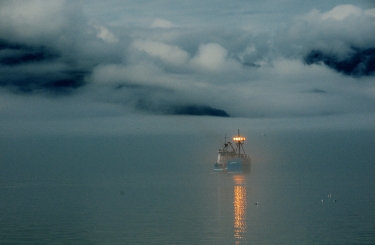
In conditions of low visibility such as fog, stormy weather and evening, the usage of intense lights transforms into a necessity in an effort to convey the presence of a vessel from quite a distance-away. However, the instruction still restricts the height of intensity capability of lamps to color and position with respect to the thwarting of confusion as regards other vessels present in close proximity or the navigational aid’s usage. As an example, through some mist to the vessel, light-whiteness may cast its spells as bright-wide conspicuous positions, which in their lesser intensities of usage could remain distinguishable by mariners-which side of the vessel is being seen.
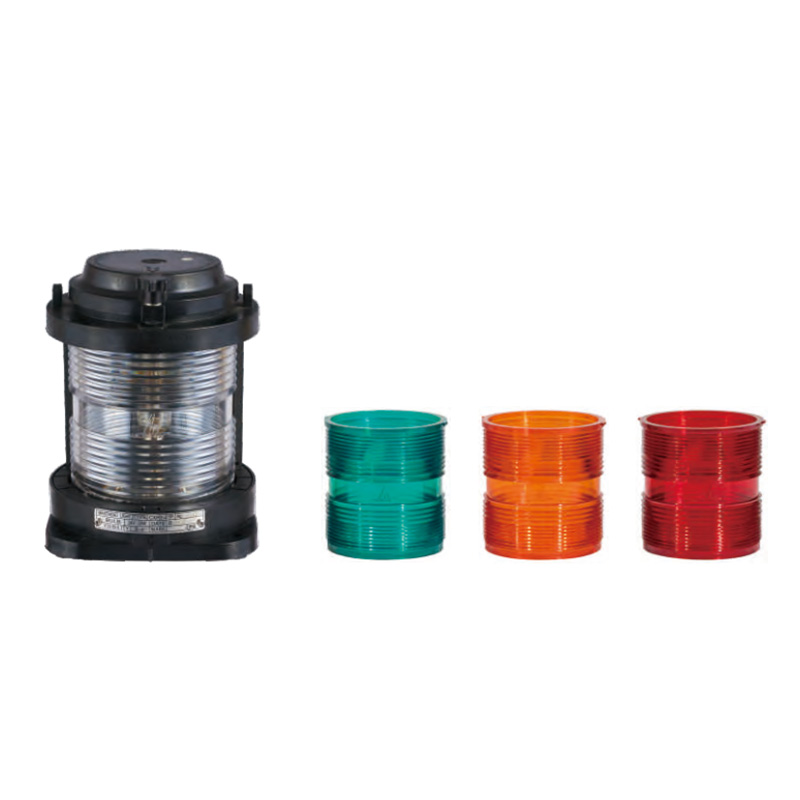
4. Ensuring Safety in Specific Scenarios
Color and intensity interaction are extremely useful in different situations; for example, when a vessel is anchored or engaged in specific operations, such as towing or dredging. A tug vessel, for example, would sometimes transmit a light of an amber or yellow colour, no doubt keeping in consideration the acceptable intensity range, to avoid overpowering signal lights of other vessels. In this type of rare case, the correct coordination of color and intensity distinguishes these peculiar operations from other vessels and warns others of potential threats. During distress, vessels can make use of flashing lights or high-intensity warning lights, which must be carefully matched for color, intensity level, as well as flashing pattern to attract attention without overwhelming the environment.
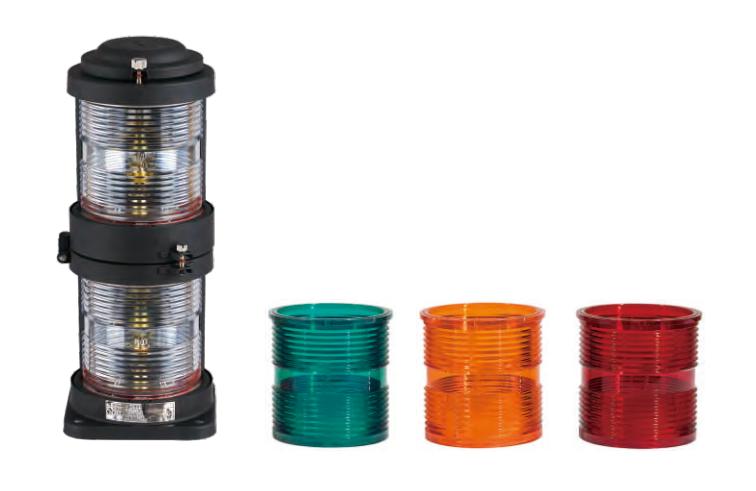
Summary
Color and light intensity play a significant role in the safety of the marine navigation lights. Using the standardized colors and ensuring the correct light intensity will enable vessels to communicate their position and direction to other mariners, thereby preventing collisions for a smooth and safe passage. The proper utilization of these navigation lighting elements is crucial, particularly in conditions with reduced visibility due to severe weather. Optimally maintaining color, intensity, and visibility is likely to reduce accidents and promote safer navigation for all vessels plying the water.