
How to Select the Right Marine Searchlight for Different Applications
Marine searchlights are key lighting equipment for ships that work at night, in low visibility, or in rough marine conditions. They give powerful, focused illumination for navigation, search and rescue, docking, offshore work, and shipboard safety. However, not every searchlight model fits every vessel or task. Choosing the right marine searchlight need to think about the vessel type, operating environment, illumination distance, control requirements and any marine standards that apply.
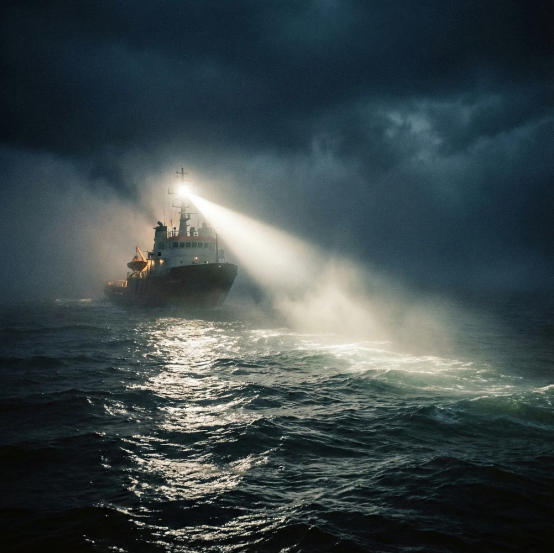
Table of Contents
Common Types of Marine Searchlights
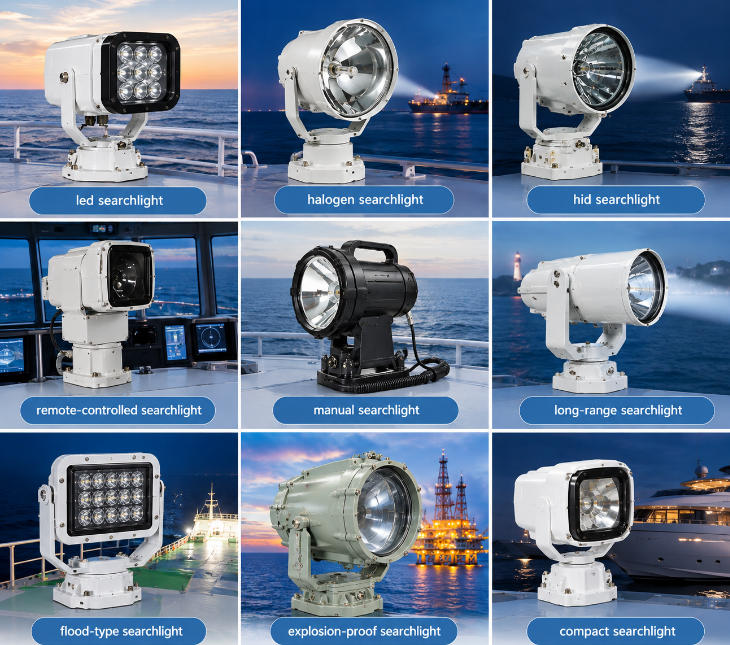
The following chart provide the commonly used types of marine searchlights, together with their features and main benefits.
| Type of Marine Searchlight | Main Characteristics | Key Advantages |
| LED Marine Searchlight | Energy-efficient LED light source with long service life | Low power consumption, long lifespan, low maintenance |
| Halogen Searchlight | Conventional high-intensity halogen lamp | Simple design and established technology |
| HID Searchlight | High-intensity discharge light source with strong illumination | High light intensity and long-distance visibility |
| Remote-Controlled Searchlight | Motorized horizontal and vertical positioning | Precise directional control from a remote location |
| Manual Searchlight | Operator manually adjusts the direction and beam | Simple operation and lower system complexity |
| Long-Range Searchlight | Narrow, concentrated high-intensity beam | Excellent visibility over long distances |
| Flood-Type Marine Searchlight | Wider beam for broad-area illumination | Provides wider illumination coverage |
| Explosion-Proof Searchlight | Specialized protected construction and hazardous-area certification | Suitable for specific hazardous environments |
| Portable Marine Searchlight | Lightweight and movable design, often with independent power | Flexible positioning and easy deployment |
| Fixed Marine Searchlight | Permanently mounted on the vessel structure | Stable installation and reliable continuous use |
Key Factors to Consider for Selecting a Marine Searchlight for Different Applications
1. Understanding the Main Application
The first step is to determine what the searchlight will primarily be used for. The needed brightness, beam steering, and reach change with each type of operation.
A small workboat, for instance, often focuses on harbor duties. It usually needs a compact light and a mid-level output. A bigger ship, or an offshore support vessel, may need a stronger unit that can show objects hundreds of meters away.
Common uses include:
- Navigation and night maneuvering
- Port and harbor work
- Search and rescue
- Offshore oil and gas tasks
- Fishing and marine viewing
- Patrol and security
- Docking and berthing
- Emergency response
- Deck and work-area lighting
Once you know the main use, it is easier to pick the right specifications.
2. The Appropriate Beam Distance and Intensity
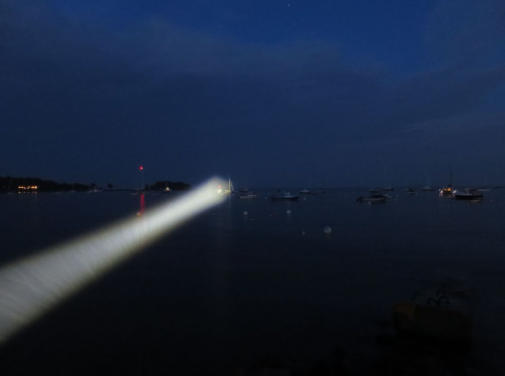
Beam distance matters a lot. The range you need depends on vessel size, speed, local navigation conditions, and what you plan to do with the light. A vessel moving in a crowded harbor often does not need the same reach as a ship working far from shore.
A tight, focused beam helps when you must recognize objects far away. Search and rescue and patrol setups often call for higher intensity. That can help light up distant boats, people, structures, or hazards. On the other hand, a broader beam can cover more space. That is useful for docking, deck tasks, fishing, and similar work where wide area lighting is more important than maximum reach.
So the best choice is not just the highest output. It should match the real working conditions.
3. The Right Light Source
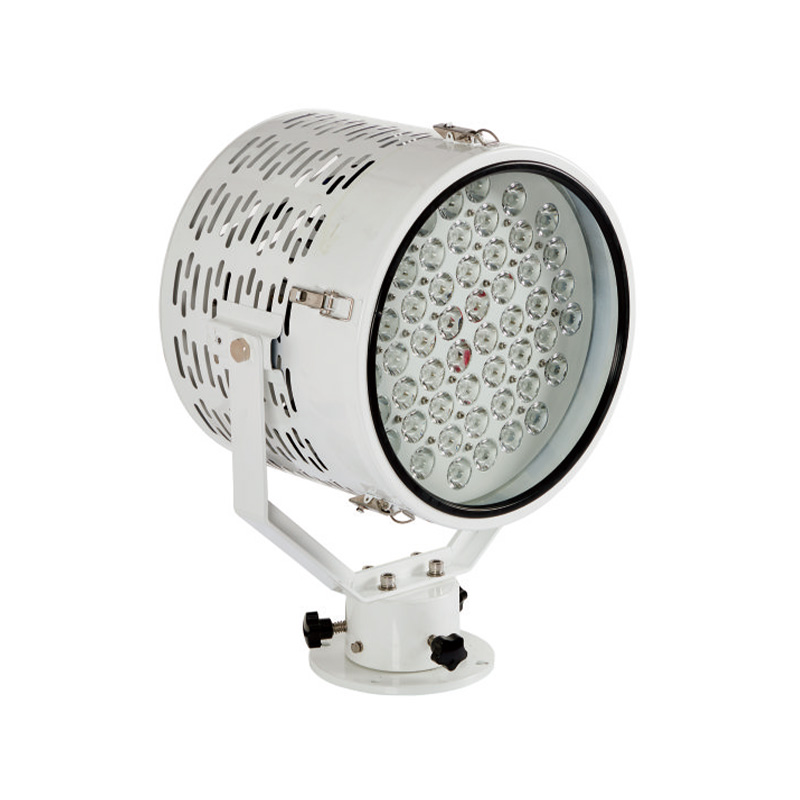
The light source changes overall results. It affects power use, lifespan, and upkeep needs. LED units are now widely used. Many modern automatic LED searchlights give strong light output, long service life, quick start, and less frequent maintenance.
For boats that use searchlights often, power use matters a lot. Using less electricity can ease pressure on the ship’s electrical system. It can also help keep running costs down during the unit’s working years.
Some older lighting styles can still fit the right setups. This is especially true for existing installations or for niche uses. So when you swap out an old searchlight, check fit with the ship’s current wiring, lens layout, and mounting points. Compare that with the gains you may get from newer types.
4. Matching the Searchlight to the Vessel Type
The type of vessel is closely related to the appropriate searchlight configuration.
| Vessel Type | Recommended Marine Searchlight Characteristics | Typical Application |
| Cargo Ships | High-intensity illumination, long beam distance, rugged marine construction | Night navigation, maneuvering, and obstacle detection |
| Tugboats | Compact design, powerful beam, flexible directional control | Harbor maneuvering, towing, and docking |
| Fishing Vessels | Wide or adjustable beam, efficient LED lighting, durable housing | Night fishing, deck operations, and marine observation |
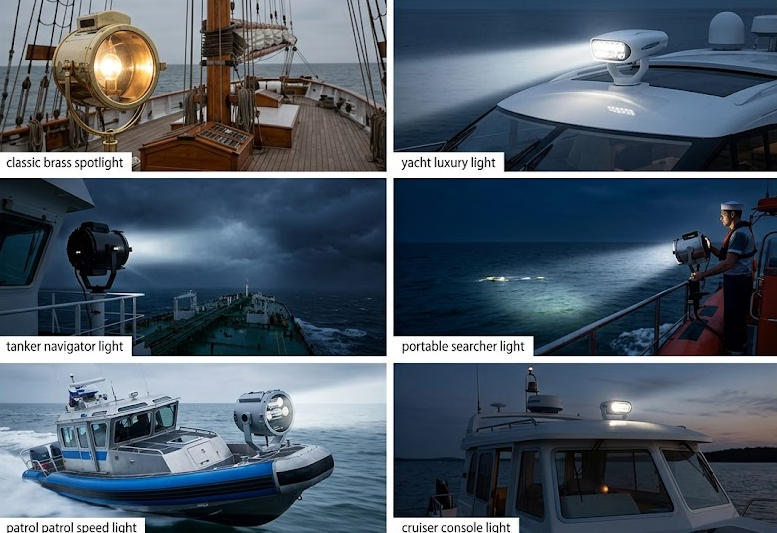
| Patrol Boats | High-output beam, long-range visibility, rapid remote control | Patrol, surveillance, and maritime security |
| Search-and-Rescue Vessels | Very high intensity, long-range beam, precise horizontal and vertical control | Locating vessels, people, and objects during rescue operations |
| Offshore Support Vessels | Rugged construction, corrosion resistance, high reliability, powerful illumination | Offshore platforms, nighttime operations, and deck work |
| Workboats | Compact, energy-efficient design with practical beam coverage | Construction, maintenance, inspection, and harbor work |
| Tankers | Marine-grade construction with suitable hazardous-area or explosion-proof options where required | Navigation, cargo-area operations, and safety applications |
| Yachts | Compact size, low power consumption, attractive design, convenient controls | Navigation, docking, and nighttime cruising |
| Port and Harbor Vessels | Short- to medium-range illumination, easy directional adjustment, reliable operation | Berthing, docking, harbor navigation, and vessel assistance |
Matching the searchlight to the vessel ensures that the equipment supports actual operational requirements rather than creating unnecessary installation or maintenance challenges.
5. Beam Control and Directional Adjustment
You also need good control of where the light goes. A fixed beam can be fine for basic lighting tasks. Many working vessels, though, need fast and accurate aiming.
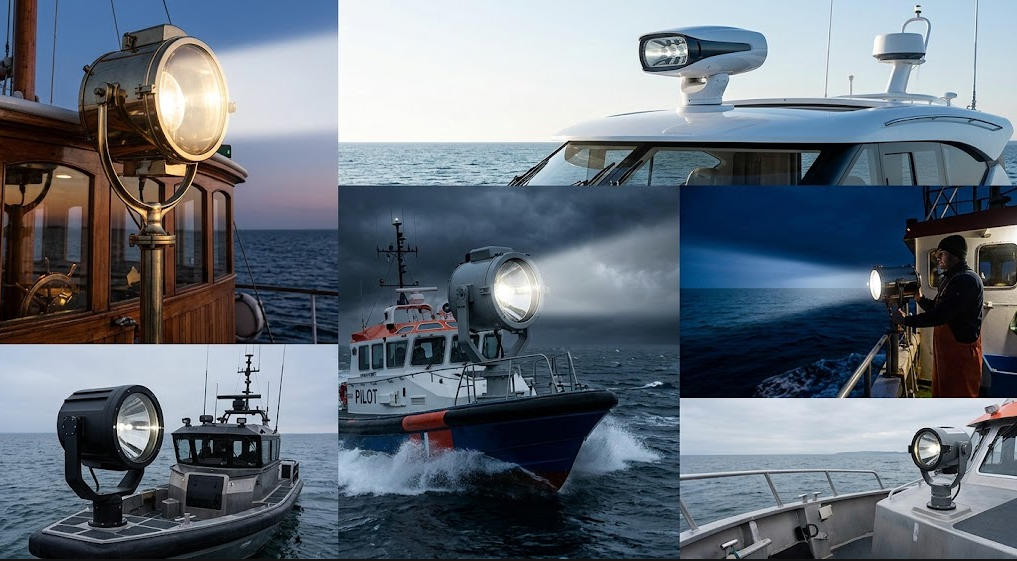
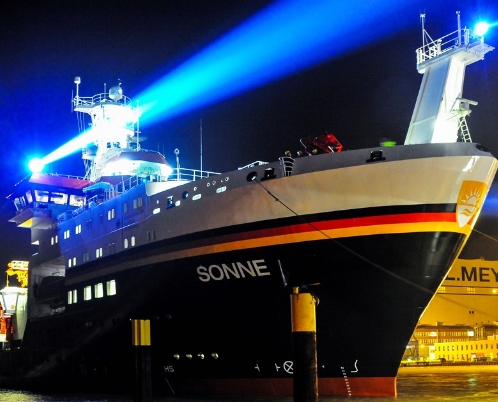
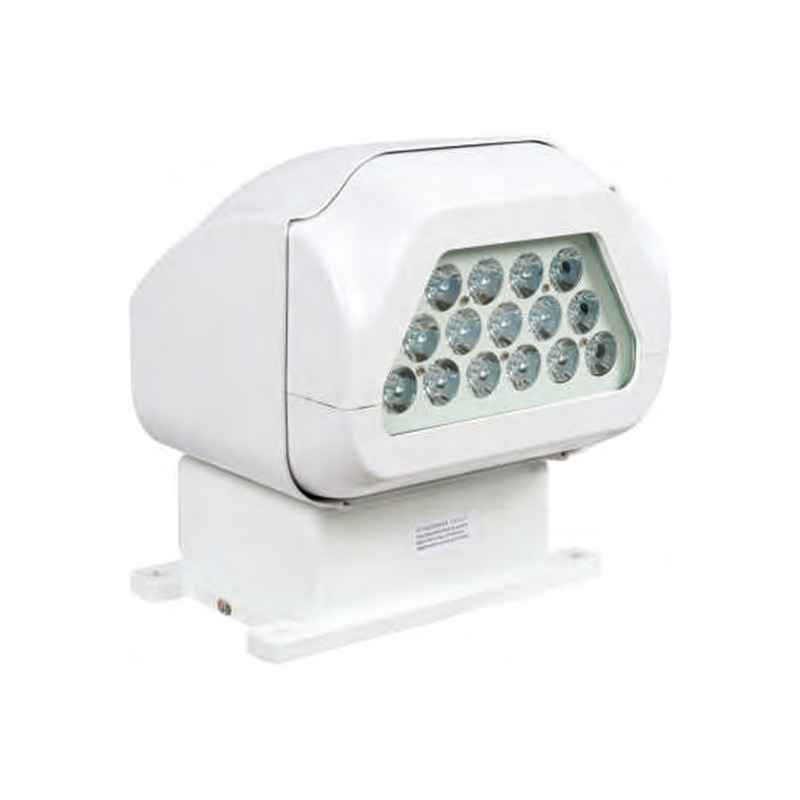
Manual adjustment may be enough on smaller craft. In these cases, the operator can reach the unit easily. For bigger ships and more demanding marine jobs, remote control is often the better choice. With both side-to-side and up-and-down motion, crews can light different zones without leaving the control spot.
The remote-control LED searchlight can be a strong match for patrol work, search-and-rescue runs, offshore tasks, and vessel security. These jobs often call for quick changes in the direction of illumination.
6. Marine Environmental Protection
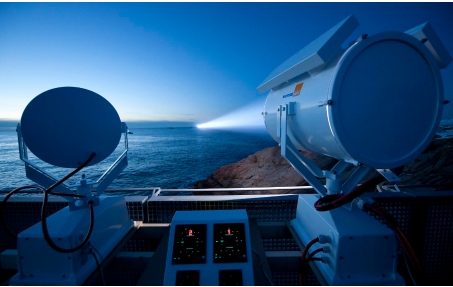
Marine searchlights take constant exposure to weather. That exposure can wear out normal lighting gear sooner. Saltwater and damp air can speed up corrosion. Wind, vibration, rain, and shifts in temperature can strain both parts and electronics.
Because of that, the housing, optical parts, seals, cable or wire joints, and the mount should be built for sea use. Corrosion-resistant materials are important. Proper sealing against water and dust is also key, mainly for units placed on open deck areas.
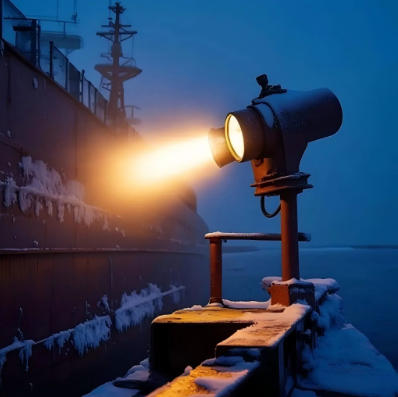
Operating temperature should not be ignored either. A vessel working in colder northern regions may need different limits than a ship working in hot tropical waters or offshore locations. Choosing equipment with the right temperature rating can support steady performance. It can also lower the chance of early failure.
7. Explosion-Proof Requirements
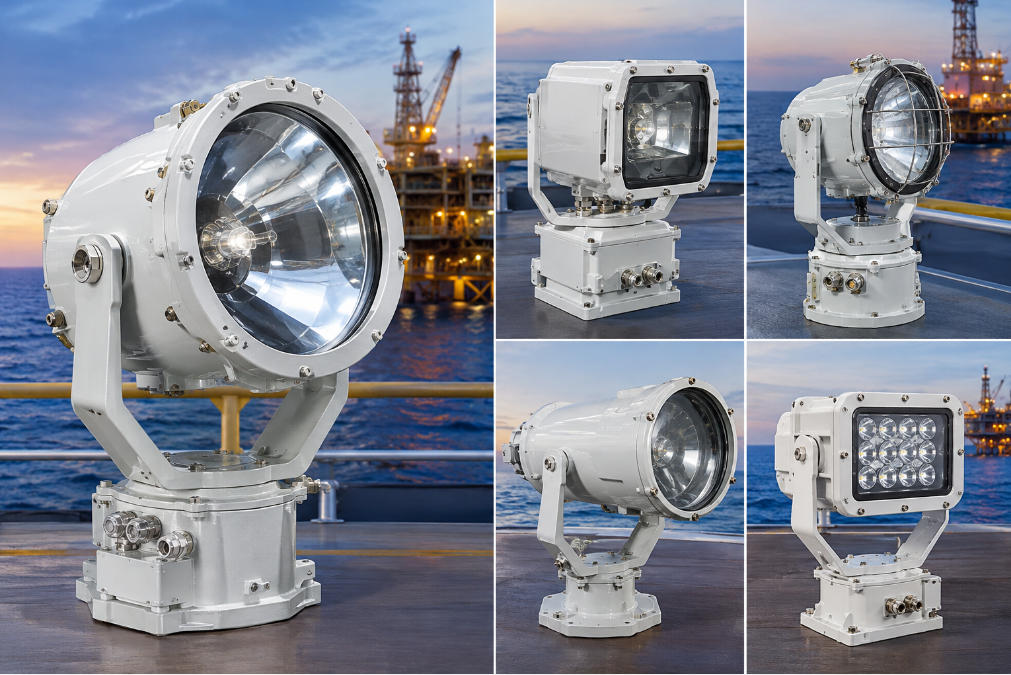
In some marine zones, rules are strict about flammable gases, vapors, and other risky materials. Tankers, chemical carriers, and offshore oil and gas sites may need lighting that is made for hazardous areas. Some industrial marine installations also fall under these same requirements.
In these cases, pick the searchlight based on the hazard-area category and the required approvals. If the site needs explosion protection. The vessel owner and the person buying the gear should confirm the rules with the vessel designer, a classification body, or the relevant regulator before any selection.
8. Power Supply Compatibility
A marine searchlight must fit the ship’s electrical setup. Check the voltage, the current, the power draw, and whether it runs on AC or DC. Do this before the unit is installed.
A mismatch in electrical specs can cause installation issues. It can also hurt how dependable the system is. Energy use matters most when the ship has tight power limits. It also matters when lights run for long spans.
For new build work, the searchlight can be chosen within the full electrical plan. For upgrades, it is more about matching what is already on the vessel, including the power feed and the control setup.
9. Marine Certification and Standards
Depending on the vessel type and where it operates, marine gear may need to meet marine lighting standards and class rules. It may also need specific certificates. Buyers should map out which requirements apply to the planned location before buying a searchlight.
This matters a lot for commercial ships, offshore sites, and special-purpose vessels. In those cases, the lights can connect to broader safety, navigation, or electrical systems. Using equipment with the right certificates can make approval and inspection smoother.
10. Installation and Maintenance Requirements
You should also look at the physical fit. Mounting space, unit weight, how it mounts, cable routing, and how you will reach it for service all affect the choice.
A big, high-output unit can give strong visibility. But it might not work if the mounting area is too small. It may also fail if the structure cannot carry the load. A smaller unit can be simpler to fit. Still, it might not reach far enough or deliver enough beam strength.
Think about service needs too. A good marine searchlight should be easy to inspect and service. It should also stand up to the sea conditions. Long life, spare parts that are easy to get, and usable technical support can cut downtime. It can also lower costs of searchlight maintenance practices.
11. Balancing Performance and Total Cost
The price you pay up front is not the whole story. Total cost also depends on installation effort, power usage, upkeep, spare parts, and how long the unit lasts.
A more efficient LED searchlight can cost more at the start. Even so, it often uses less power and lasts longer. A tough marine-grade housing may also cost more upfront. However, it can lower upkeep and delay the need for new parts later.
Because of that, buyers should look at the total value over time. Do not pick only the cheapest option on day one.
Summary
- For short-range harbor and workboat operations, compact and efficient searchlights may be sufficient.
- Offshore vessels, patrol boats, and search-and-rescue vessels may require high-intensity, long-range remote– control searchlights.
- Tankers and other vessels operating in hazardous environments may additionally require appropriately certified explosion-proof searchlights.
Final Thoughts
Choosing a marine searchlight is not just about brightness. The ideal solution should include where the light will be used and what it must reach. Consider the beam reach, the surroundings it will face, and the power system it will connect to. Installation conditions and regulatory requirements matter too.
If these factors are gone through step by step, vessel owners, shipbuilders, and marine equipment buyers can make a suitable choice. The result provides steady lighting, efficient operation, and long-range performance in demanding marine conditions.
