
Common Problems in Navigation Lights: How to Solve
Navigation lights are essential safety equipment on ships, boats, and offshore vessels. Navigation light starts acting up, even a little, it can turn into a big safety issue, like collisions, confusion between vessels, and even problems with maritime regulations. Sure, today’s navigation lights are made to last a long time, but they still can develop trouble because of electrical faults, weather and moisture exposure, not so great maintenance, or simply component aging over time. If you understand the common problems in navigation lights and know how to solve them, you can keep things working in a steadier way and support marine safety.
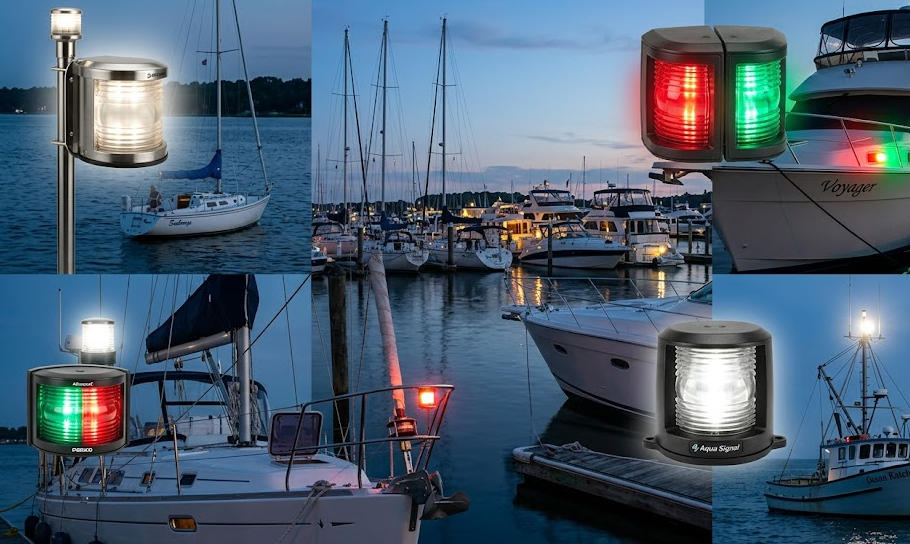
Table of Contents
Why Understanding Navigation Light Problems is Necessary
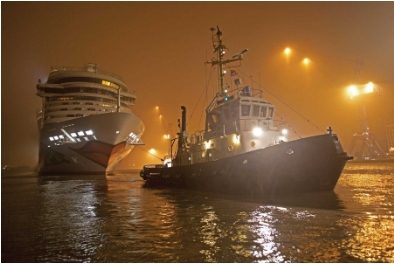
Navigation lights give out key signals so boats can figure out each other’s position, direction, and operating status, especially at night or in poor visibility conditions. When you can spot common failures such as complete light outage, flickering, lower brightness, water ingress damage, or wiring-related electrical faults, then operators can respond faster. That means fewer chances for incidents and better compliance with safety rules at sea. Doing routine inspections and handling troubleshooting in a useful way also helps stretch the service life of the lights, so marine operations stay safer overall.
Common Problems and Solutions for Navigation Lights
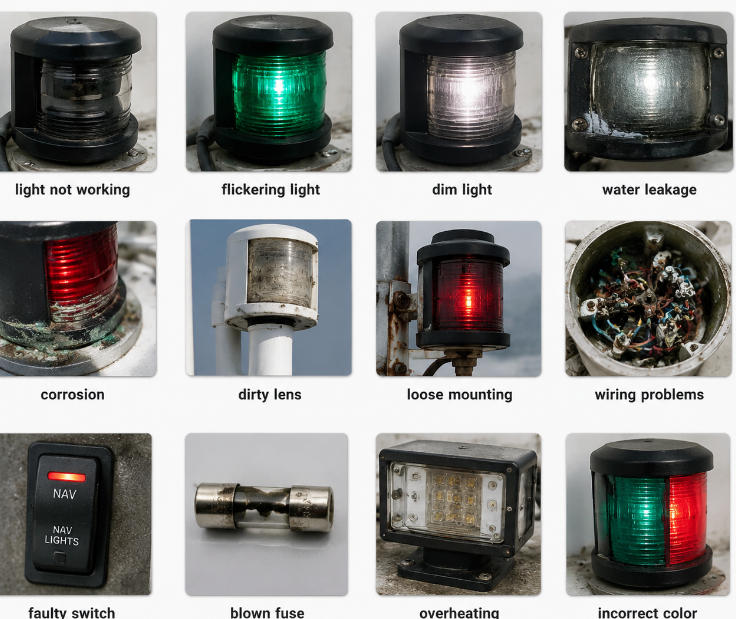
1. Navigation Light Does Not Turn On
A pretty common problem with navigation lights is when they just do not light up at all. This can happen for a handful of reasons, power supply troubles, a damaged bulb, wiring issues, or even a defective light housing.
Start with the power check. If the battery is weak, a fuse is blown, or a circuit breaker is disconnected, the unit may never get any electricity. Take a look at the cable ends and connectors, then confirm every terminal feels tight and properly seated. Sometimes that alone clears it up.
If you have traditional incandescent navigation lights, the burned-out bulb is a usual culprit. Swap in a compatible bulb and it can come back to normal. With LED navigation lights, which last much longer, a failure often points to harm inside the driver, the circuit board, or other electronic parts.
Regular checking of the power systems, plus timely swapping of aged or worn parts can reduce the chances of sudden navigation light dropouts, even when you least expect it.
2. Navigation Light Flickering or Intermittent Operation
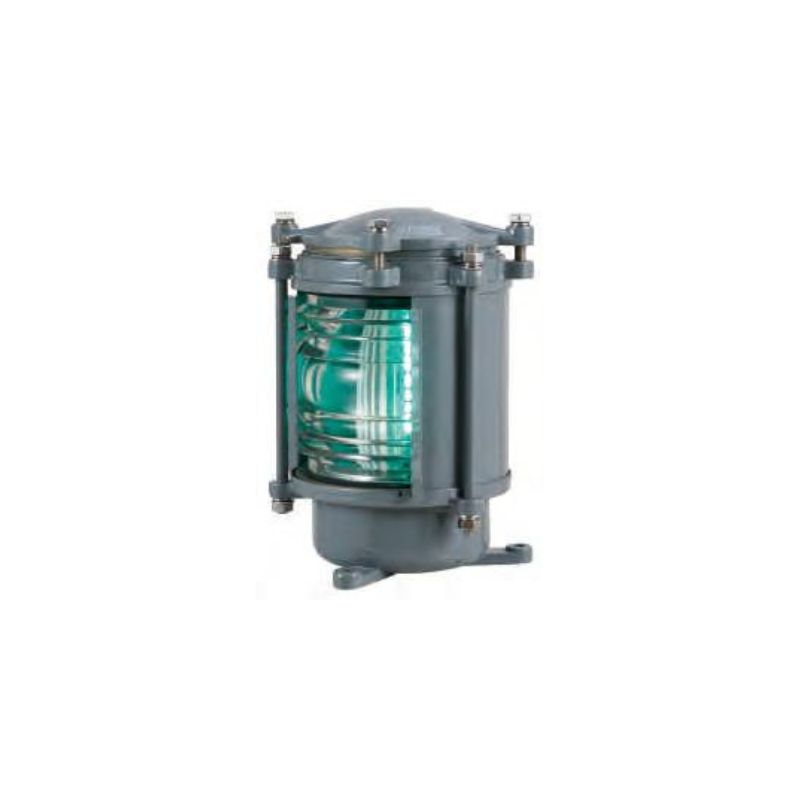
When a navigation light flickers or works intermittently, it usually points to an unstable electrical setup. Loose wiring, oxidation on the terminals, harmed cables, or even voltage swings can cut off the power momentarily.
In marine settings, electrical parts are constantly hit by moisture, saltwater, and vibration, which tends to speed up corrosion. If the connectors look corroded, they should be cleaned or exchanged, and waterproof protection should be fitted afterward, so it does not come back.
For LED navigation systems, flickering can happen for another reason too. The light might be incompatible with the boat’s own electrical arrangement. Some LED units need a dedicated voltage regulator or a driver to keep the output steady. Reviewing the manufacturer’s requirements, and verifying the mounting is done correctly, can help remove this problem.
3. Dim Navigation Light Output
A navigation light can still keep working, but it may put out a dimmer glow than you would expect, which is not great because reduced illumination can lower visibility and threaten navigation safety.
That weaker output is often tied to low voltage supply, aging bulbs, dirty lenses, or damaged optical components. Salt deposits, dust, and other marine contaminants can build up on the light cover, limiting how much light actually passes through the front. Even a thin film can do that.
Cleaning the lens with the right materials usually helps brightness return fast. If it keeps happening, check the voltage at the light terminal. This helps confirm whether the electrical supply is insufficient. Sometimes, replacing an aging bulb helps, or upgrading to a high-quality LED navigation light gives steadier output while improving energy efficiency.
4. Water Leakage Inside Navigation Lights
Navigation lights are put in open marine locations, where they have to endure rain, waves, humidity, and seawater mist. Still if the seals are damaged, the housings are cracked, or the installation is not quite right, water can enter into the light body.
Once water gets in, you can see corrosion, electrical shorts, and lasting harm to the internal parts. Typical signs are condensation trapped inside the lens, rust on the metal elements, or light outages that keep happening again.
To fix it, look closely at the fixture body, the gasket, and the places where it mounts. Replace any worn seals right away. If the housing has cracks, it may be necessary to swap the whole unit, not only patch it. Also, choosing marine-grade waterproof navigation lights with the correct protection rating helps stop these water issues later.
5. Navigation Light Overheating
Overheating can cut down the useful service life of navigation lights and harm internal circuits. This issue tends to show up more in older lighting systems, or in installations with weak airflow around the unit.
Traditional bulbs end up creating quite a bit of heat, while certain marine LED navigation lights can still get too hot if the heat release, is not handled well enough. When the ventilation openings are blocked, or when the light is mounted in the wrong way, and even when the light fixture itself is not a good fit, you can see a lot of temperature buildup.
If you choose navigation lights that are built with better thermal control, like aluminum housings or heat sinks that are already built in, the overall dependability can go up. Also, make sure the unit is installed correctly and do not cover any venting areas, because that part matters.
6. Incorrect Navigation Light Color or Visibility
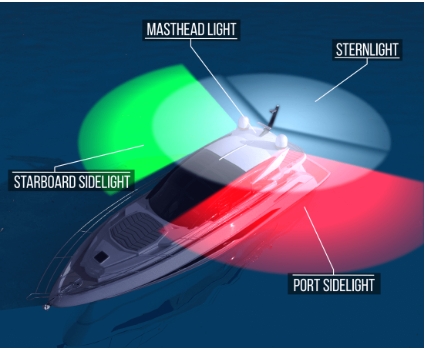
Navigation lights have to show specific colors and visibility levels, based on maritime rules. If a light looks washed out, shifts its color, or fails to reach the required visibility distance, it usually points to an issue with the lens, the bulb, or the LED module.
Over time, strong sun exposure, saltwater, and rough weather can weaken colored lens surfaces. When that happens, swapping the damaged lens, or picking certified marine navigation lights, helps keep everything aligned with safety expectations.
For LED marine navigation lights, the wrong color output can happen because LED chips age or electrical issues mess with light performance. Regular testing is useful, it can show those issues before they reach vessel operations, and that matters.
7. Navigation Light Switch or Control Failure
In some cases the lighting fixture is still working, but the control part fails. You might see problems in marine switches, control panels, relays, or in automated navigation systems that manage the lighting.
A bad switch may stop power from reaching the navigation light entirely. Testing the switch, and checking the control circuit, should help you narrow down the trouble. On vessels that have integrated monitoring systems, software faults or sensor errors can also interfere with automatic lighting control, even if everything else seems okay.
Doing routine inspection of control equipment, and keeping electrical diagrams onboard updated, makes troubleshooting faster and more efficient.
Preventive Maintenance Solutions for Navigation Lights
A carefully planned preventive maintenance in navigation lights ensures that the lighting is steady and dependable, meaning they stay visible, work properly, and they still meet maritime safety rules while also cutting down on those unexpected failures during vessel work.
| Maintenance Area | Common Issues Prevented | Maintenance Actions | Benefits |
| Regular Functional Inspection | Complete light failure, delayed fault detection | Check navigation lights before voyages and verify proper operation of all required lights | Ensures reliable performance and improves navigation safety |
| Lens and Cover Cleaning | Reduced brightness, poor visibility range | Remove salt deposits, dust, oil, and marine contaminants from lenses and covers regularly | Maintains proper light intensity and visibility |
| Electrical Connection Checks | Flickering, intermittent operation, power loss | Inspect wiring, terminals, connectors, and switches; tighten loose connections and replace damaged cables | Improves electrical stability and prevents unexpected failures |
| Corrosion Prevention | Damaged terminals, degraded components, electrical faults | Clean corroded parts, apply protective coatings, and use corrosion-resistant materials | Extends service life in harsh marine environments |
| Waterproof Seal Inspection | Water leakage, moisture damage, short circuits | Check gaskets, seals, and housing for cracks or wear; replace damaged sealing components | Prevents internal corrosion and protects electrical systems |
| Voltage and Power Supply Testing | Dim lighting, unstable operation, LED driver damage | Measure voltage levels and inspect batteries, fuses, and power distribution systems | Ensures consistent lighting output and reliable operation |
| Bulb and LED Component Replacement | Reduced brightness, complete light failure | Replace aging bulbs or damaged LED modules according to manufacturer recommendations | Maintains required brightness and reduces operational risks |
| Fixture and Housing Inspection | Mechanical damage, loose mounting, misalignment | Check light housings, mounting brackets, and protective covers for damage | Improves durability and keeps lights correctly positioned |
| Heat Management Inspection | Overheating, shortened component lifespan | Check ventilation areas and ensure heat dissipation systems are functioning properly | Prevents thermal damage and improves reliability |
| Control System Testing | Switch failures, relay problems, incorrect operation | Test control panels, relays, and automated monitoring systems | Ensures accurate control and quick fault identification |
| Backup Power System Checks | Loss of navigation lighting during emergencies | Test emergency power sources, batteries, and backup circuits regularly | Provides continuous operation during power failures |
| Record Keeping and Maintenance Scheduling | Repeated failures, missed inspections | Maintain inspection records and establish routine maintenance plans | Supports preventive management and regulatory compliance |
Final Thoughts
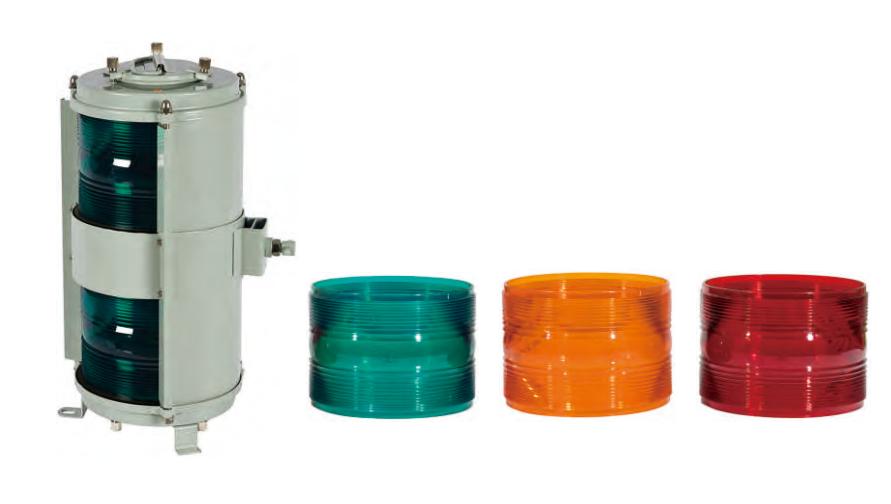
Common problems in navigation lights can range from simple issues such as dirty lenses or loose connections to more serious failures involving electrical systems or damaged components. When the origin is caught fast and the correct remedy is applied, vessel operation remains safer and regulatory compliance stays intact.
With regular maintenance, smart selection of good-quality equipment and prompt troubleshooting, ship operators can keep navigation lights reliable even when marine conditions become rough. A properly maintained navigation lighting system is not only a must for safe navigation, but also a meaningful barrier against maritime accidents.
