
Portable vs. Fixed Explosion-proof Lights in Marine Operations
Marine environments like offshore platforms, commercial vessels, shipyards and port facilities often come with dangerous conditions where flammable gases, fuel vapors, and other combustible materials can be present. In these spaces, lighting gear has to do more than just give enough visibility; it also must stop any ignition sources, which can come from electrical sparks, overheating, or even equipment failure. Explosion-proof lights are designed specifically to satisfy these safety needs, and they are used a lot in marine work. When looking at marine explosion-proof lighting, people usually see two major groupings: portable explosion-proof lights and fixed explosion-proof lights. Knowing how they differ lets marine operators pick the best solution for each operational need.
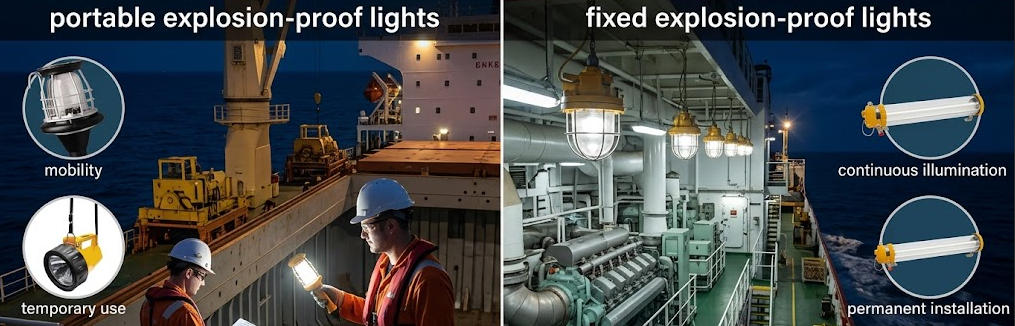
Table of Contents
Understanding Explosion-proof Lights in Marine Operations
Explosion-proof lights are meant to work safely in hazardous areas, by keeping internal electrical failures contained and stopping sparks or excessive heat from igniting nearby vapors or dust. In marine use, the lighting equipment also needs strong resistance to corrosion, constant water exposure, vibration, and those extreme weather patterns that can change fast.
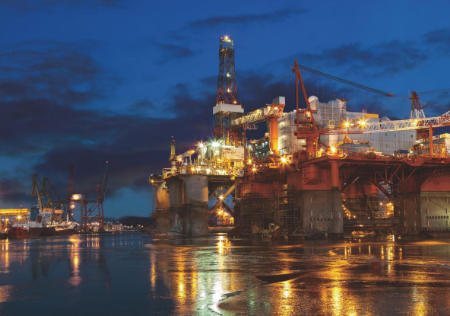
Compared with typical industrial lighting, marine explosion-proof lights use rugged housings, tightly sealed construction, and improved heat dissipation layouts. They are often installed in engine rooms, fuel storage zones, cargo compartments, offshore production areas, and maintenance rooms, where bright and reliable light is needed for safety.
Because the marine environment is tough every day, choosing between portable and fixed explosion-proof lights becomes a real task. Portable units can be moved when operations shift, while fixed models tend to stay installed and ready, but the right choice depends on the work setting and the operating requirements.
Understanding Portable Explosion-proof Lights in Marine Operations
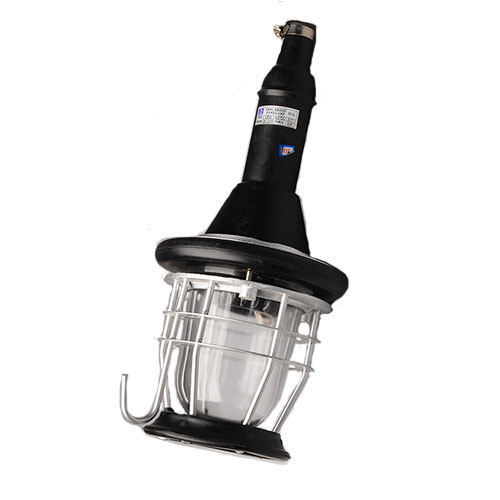
Portable explosion-proof lights are made for moving around, and also for temporary lighting situations. They usually feel fairly light, stay compact, and come with handles, mounting braces, or even a rechargeable battery setup. This helps workers carry them to where light is needed, then place them in position pretty fast, without much hassle.
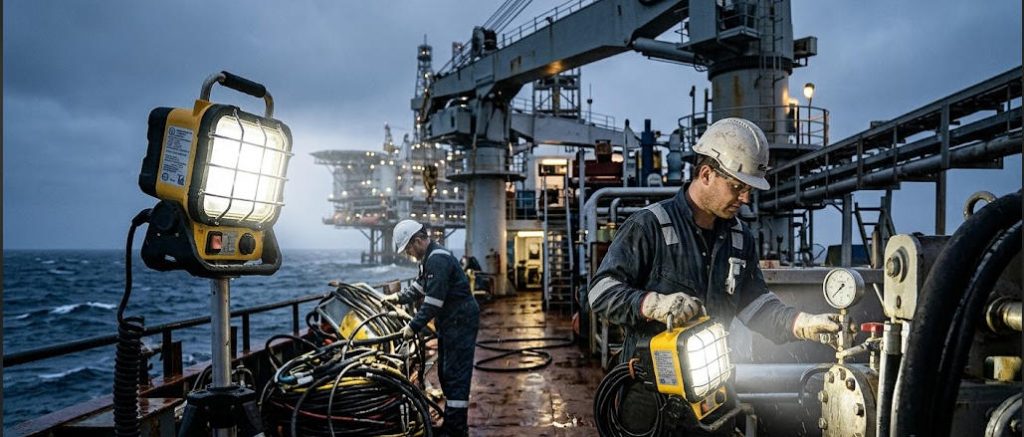
In marine operations, the actual work spot changes a lot. A maintenance crew might need extra illumination in different bays of a ship, or on an offshore installation. Because of that, portable explosion-proof lights work well as an option that follows the schedule. They remove the constant hassle of temporary wiring and help crews react quickly when conditions shift.
A lot of these portable units use LED-based technology that’s highly efficient, so you get strong visibility while using less energy. The body is built tough, so it resists shocks, moisture, and tough sea air.
Advantages and Limitations
The biggest advantage of portable explosion-proof lights is that they are flexible. Workers can bring them across different spots, based on what the operation needs, so they fit temporary tasks, and the work environment keeps changing, they can still keep up.
They also help with quick setup, because they do not rely on permanent wiring, and there is no need for structural changes. This shortens the start-up time and lets maintenance crews begin sooner.
That said, portable explosion-proof lights do have limits. Their runtime depends on battery capacity, so they need routine charging and periodic upkeep. They are mostly intended for focused, localized illumination, not for lighting wide areas. Also if the storage routine is weak or the handling is sloppy, their performance may slowly worsen over time.
Understanding Fixed Explosion-proof Lights in Marine Operations
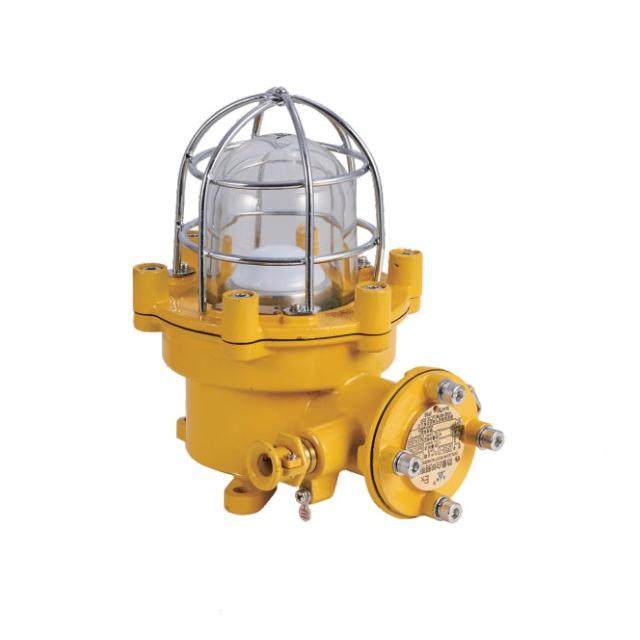
Fixed explosion-proof lights are basically permanently installed lighting systems that are meant for continuous use in risky marine zones. They get mounted on ceiling, walls, decks, poles, or other structures, and then tied into the vessel or facility power supply system
These fixtures are made for long-term reliability, and you typically see them where steady light is needed. Their sturdy housings plus corrosion-resistant components help them work well in marine environments with salt spray, dampness, vibration, and temperature shifts, even when the atmosphere is aggressive.
Fixed LED explosion-proof lights provide a broader field of illumination. Because of that, they fit larger areas where personnel need reliable visibility day after day during ongoing work.
Advantages and Limitations
Fixed explosion-proof lights give steady dependable illumination, and in general they keep going without much interruption. Because they are tied directly to the building electrical system, they can remain in service for long stretches, you do not need to worry about battery life, or about having to manually reposition anything.
They also tend to cover big work zones better. When multiple fixed fixtures are installed, operators can build a unified lighting arrangement that helps with wayfinding, upkeep, and day-to-day industrial tasks.
The main drawback of fixed explosion-proof lights is limited flexibility. Once they are put in place, they are difficult to shift or fine-tune. Also, the installation phase needs careful planning, electrical installation work, and a professional safety inspection, which can push up the upfront costs.
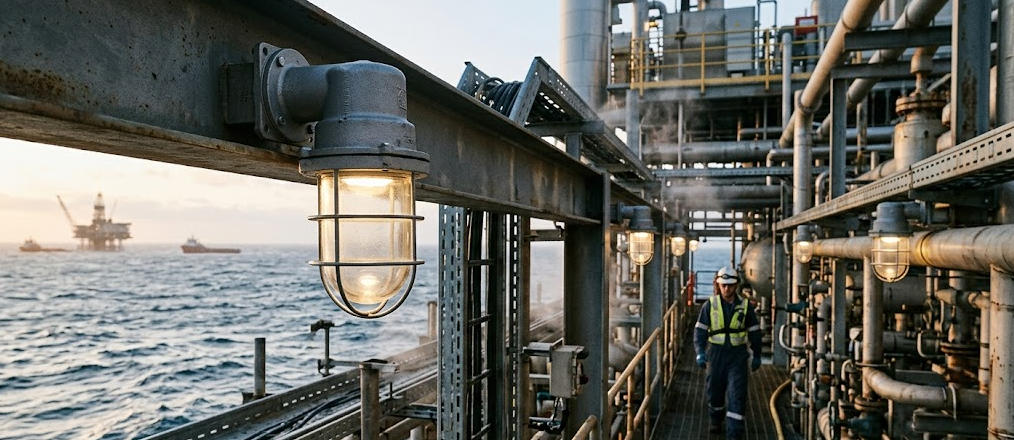
Comparison Between Portable and Fixed Explosion-Proof Lights in Marine Operations
| Comparison Factor | Portable Explosion-Proof Lights | Fixed Explosion-Proof Lights |
| Installation Method | No permanent installation required; can be carried and positioned as needed | Permanently mounted on walls, ceilings, decks, or marine structures |
| Mobility | Highly mobile and can be moved between different work areas | Stationary and designed for specific locations |
| Power Supply | Usually powered by rechargeable batteries or temporary power sources | Connected to the vessel or facility electrical system |
| Primary Purpose | Provides temporary lighting for maintenance, inspection, and emergency operations | Provides continuous illumination for routine marine activities |
| Lighting Coverage | Focused lighting for specific work areas | Wide-area lighting for permanent operational zones |
| Deployment Speed | Can be quickly deployed without installation procedures | Requires installation planning, wiring, and commissioning |
| Operating Duration | Limited by battery capacity and charging availability | Supports long-term continuous operation |
| Flexibility | High flexibility for changing work conditions and locations | Limited flexibility after installation |
| Maintenance Requirements | Requires regular battery charging, cleaning, and portable component inspections | Requires periodic electrical inspection and fixture maintenance |
| Initial Investment | Lower cost due to minimal installation requirements | Higher cost due to mounting, wiring, and installation work |
| Long-Term Operating Cost | May increase due to battery replacement and manual handling | Generally lower for continuous operation due to stable power supply |
| Best Choice For | Marine operations requiring flexibility, mobility, and temporary lighting | Marine facilities requiring reliable, continuous, and large-area illumination |
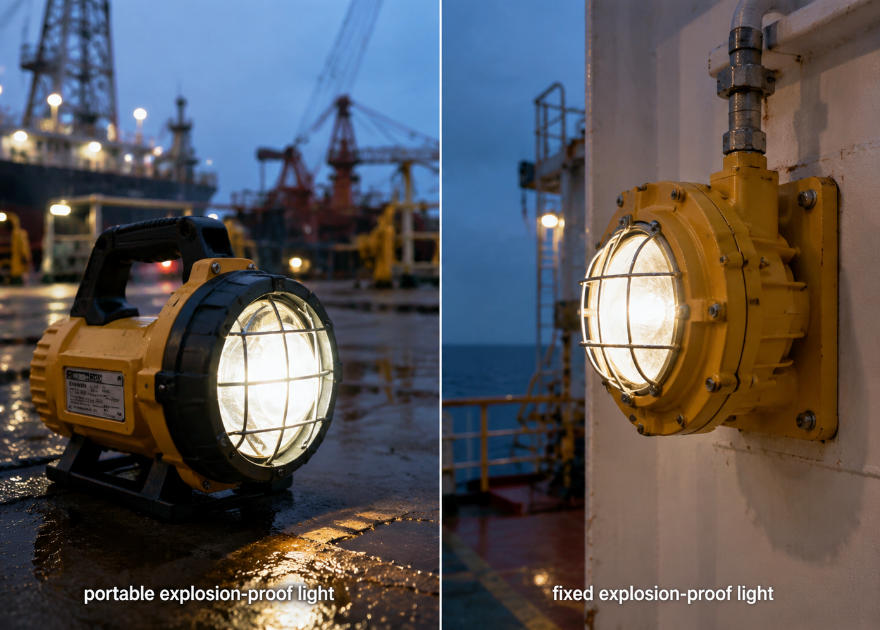
Key Considerations for Choosing Between Portable and Fixed Explosion-Proof Lights in Marine Environments
1. Understanding the Marine Operating Environment
The first thing to think about while choosing explosion-proof lights is the exact marine environment where the lighting system will be working. Marine facilities differ a lot, in hazards, operating conditions and what kind of light is needed.
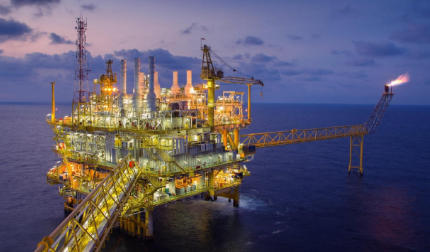
For example, ships that carry oil, gas, or chemicals can have hazardous zones near cargo tanks, fuel systems, and processing equipment. Offshore platforms often need lighting solutions that can handle constant contact with seawater, strong wind, temperature swings and mechanical vibration, without losing performance. Shipyards and ports may also create temporary work zones, where the lighting setup needs to change more often than most people expect.
Portable explosion-proof lights are usually more suited for workplaces where the location changes frequently, while fixed explosion-proof lights are more appropriate for zones that require stable, permanent illumination.
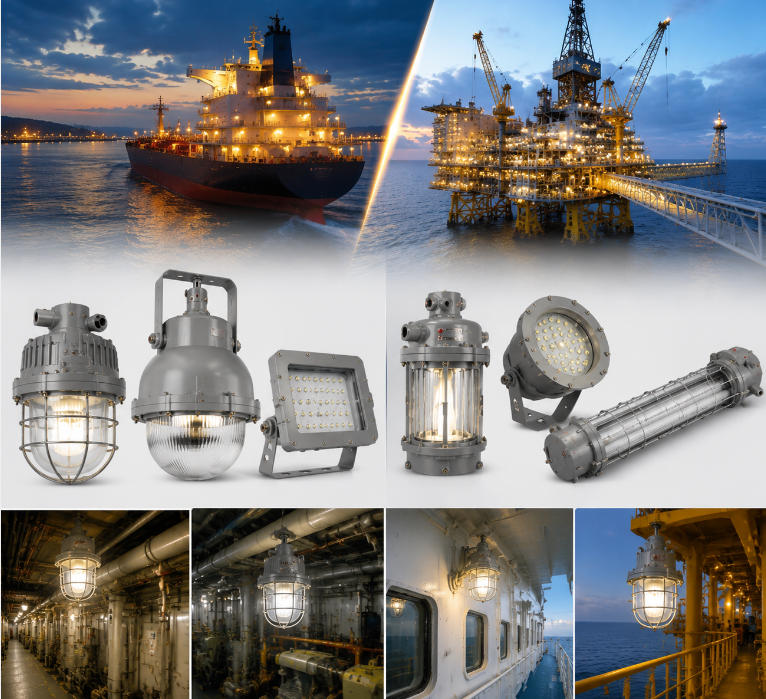
2. Hazardous Area Classification and Safety Requirements
Safety certification is one of the most important factors when picking explosion-proof lighting gear. For marine operators, it matters a lot that the working area has the right hazardous classification, and the lights must really satisfy the needed explosion protection requirements.
If the area has flammable gases, vapors, or combustible dust, then the lighting system should be made to prevent ignition. Fixed explosion-proof lights are often put in permanently classified hazardous zones, like engine rooms, fuel storage sections, and offshore processing units.
Portable explosion-proof lights are frequently chosen for maintenance tasks inside hazardous zones because they let technicians bring a certified illumination unit straight into temporary work areas. Still, they have to meet the same safety requirements as fixed systems while operating in those hazardous locations.
3. Lighting Application and Purpose
The intended application plays a huge role in deciding if portable or fixed explosion-proof lights are the better choice and honestly, it depends on use. Fixed explosion-proof lights work best when the lighting needs to stay on all the time. In places like engine rooms, control stations, walkways, and production facilities, permanent lighting makes sense because workers must have stable visibility during activities.
Portable explosion-proof lights fit better when the job is more task-focused. Maintenance teams often want extra illumination while inspecting machinery, repairing equipment, stepping into confined spaces, or running emergency operations. Since they can deliver more direct, targeted light, they become useful for specialized duties.
4. Installation Requirements and Space Limitations
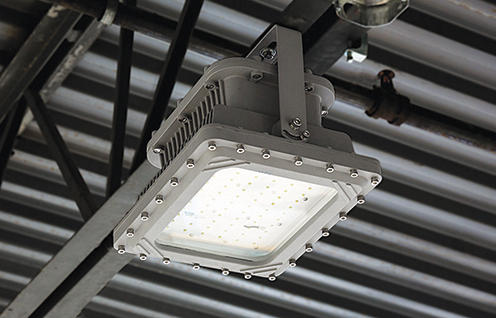
Installation conditions are another key thing to think about. Fixed explosion-proof lights really need permanent mounting supports, electrical connections, and professional installation, so it is not something you do casually. This means they fit planned projects and long-term facilities where the lighting locations are known up front, and there is time to coordinate everything.
Still, in some marine areas, you can run into limited room or shifting layouts, so a permanent setup becomes hard to keep in place. In those cases, portable explosion-proof lights become a workable alternative, mainly because they do not depend on complicated wiring or structural modifications, and that helps when changes happen.
When you are building a new vessel or developing an offshore platform, fixed lighting systems can usually be built into the general layout from the start. But for maintenance work, or temporary operations, portable lighting typically gives more convenience in daily use.
5. Mobility and Operational Flexibility
Mobility is one of the biggest differentiators between portable and fixed explosion-proof lights.
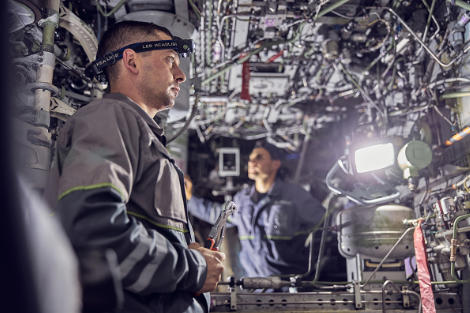
Portable explosion-proof lights let workers carry the lighting kit wherever it is needed. That freedom matters a lot on ships and offshore installations, because maintenance activities can pop up in different places, all the time. Workers can quickly angle and reposition the light based on what the job needs in that moment.
Fixed explosion-proof lights usually give less flexibility, since their mounting position cannot be easily changed once they are installed. Even so, a fixed location can deliver dependable illumination, and it does not force the crew to keep moving lamps around during everyday operations.
Marine operators should think ahead about whether lighting needs stay steady or shift frequently, before deciding on a particular system.
6. Power Supply and Operating Duration
How much power is available and how long the lights can keep running are also critical.
Portable explosion-proof lights usually depend on rechargeable cells or a portable power setup, so they do not need the main electrical system. That independence comes in handy during emergency situations, or when people work in remote locations. Still, their runtime is tied to how much battery capacity they have, and then regular charging is simply needed.
Fixed explosion-proof lights are wired straight into the vessel, or facility electrical supply. Because of that they can keep running for long stretches without worrying about battery life. For zones where lighting must stay steady without interruptions, fixed arrangements are generally the better choice.
7. Environmental Durability and Marine Protection
Marine environments are extremely demanding, and lighting gear needs to resist harsh conditions, not just briefly. Saltwater contact, high humidity, vibration, and temperature swings can influence performance and the expected service life of the equipment.
Fixed explosion-proof lights are usually engineered for long-term exposure to marine environments. Because they are installed permanently, the designers can tune the layout for corrosion resistance, sealing quality, and overall structural endurance, which tends to make the whole setup more stable.
Portable explosion-proof lights also have to handle marine conditions but they need extra care since they get moved around and handled more often. For portable units, impact resistance, water-tight protection, and lightweight building matter a lot, especially during rough use near water.
8. Maintenance and Service Requirements
Maintenance in an explosion-proof lighting system should be reviewed before making a choice.
For portable explosion-proof lights, you typically need routine battery inspections, careful charging management, plus physical examinations so the unit stays ready for immediate operation. If the battery care is weak, operating time drops and the system reliability can suffer too.
Fixed explosion-proof lights generally need less frequent attention, but there is still periodic checking required, especially for electrical connections, mounting structures, and the protective housings. In marine settings, corrosion checks become really important in order to sustain long-term performance, because the environment can be harsh.
Some facilities that have limited maintenance resources may lean toward systems that fit what their service team can actually support and service on a regular basis.
9. Cost Considerations
Cost is another major element in the whole decision process.
Portable explosion-proof lights often come with lower upfront pricing since they usually do not demand installation work. They tend to be a cost-effective option for temporary activities, upkeep tasks, and emergency readiness.
Fixed explosion-proof lights typically require a higher initial investment, because mounting, wiring, and installation steps must be handled. Even so, in locations that need continuous lighting, they can deliver better value over time, mainly because they keep operating steadily and they lessen manual handling.
The total cost has to account for installation, upkeep, energy use, replacement components, and the anticipated service life.
10. Emergency Preparedness Requirements
Marine sites should be ready for surprise scenarios like power outages, equipment damage, or rescue actions. Explosion-proof lighting has a meaningful role during emergency response, because it helps maintain visibility.
Portable explosion-proof lights are especially useful in these moments, since they can run on their own, and they can be moved fast to the impacted location. Explosion-proof emergency lights are often treated as part of marine safety gear, and they are easy to deploy.
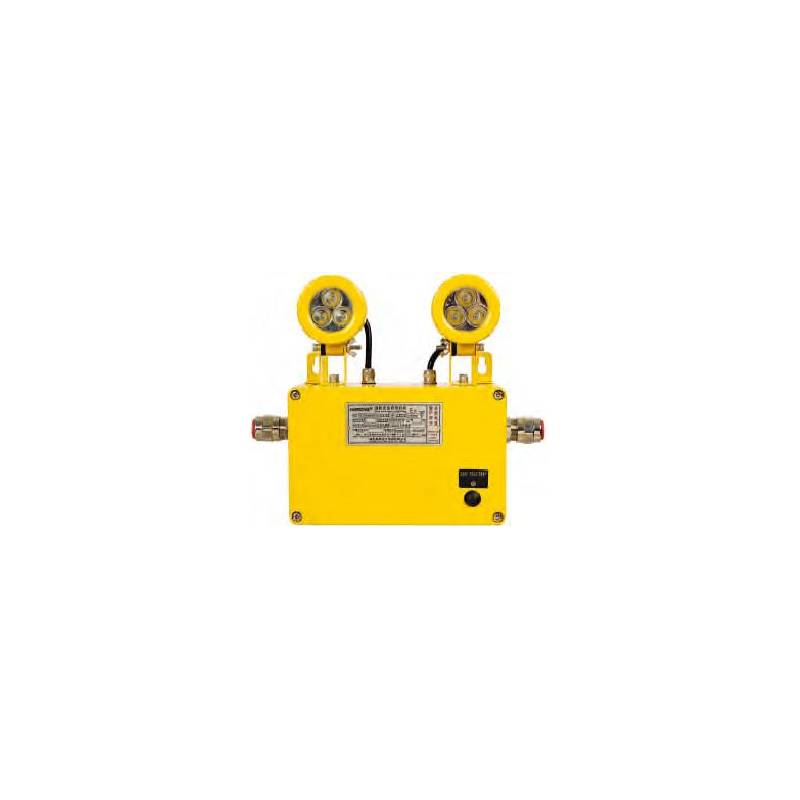
Fixed explosion-proof lighting supports routine operations and it may include an emergency reserve capability. However, it relies more on the facility’s electrical infrastructure, so the overall outcome is tied to that system.
Using a mix of both portable and fixed lighting is frequently the most reliable approach for emergency preparedness.
11. Getting the Right Balance Between Portable and Fixed Solutions
In many marine environments, the best approach is not just picking one type of explosion-proof light, but building a balanced lighting arrangement, that stays practical.
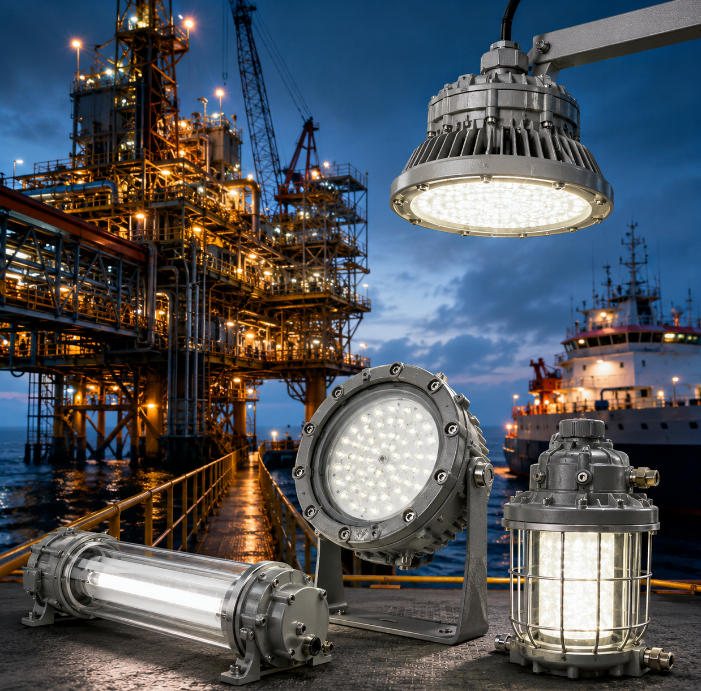
Fixed explosion-proof lights can give the primary illumination for permanent areas like engine rooms, cargo spaces, and offshore production zones. Portable explosion-proof lights can act as an addition, during inspections, maintenance activities, and in emergency situations, when extra brightness is required.
With this combined approach, marine operators get dependable lighting, while keeping the needed adaptability for shifting operational conditions.
Summary
- Portable explosion-proof lights are ideal when workers need additional illumination in different locations or when operations are temporary. They provide excellent support for repair activities, inspections, and emergency situations.
- Fixed explosion-proof lights provide reliable, continuous illumination for permanent working areas such as engine rooms, offshore facilities, and cargo zones.
- Combining portable and fixed explosion-proof lights By using fixed systems for everyday operations and portable units for specialized tasks provides the most effective approach for achieving safety, efficiency, and reliability in challenging marine environments.
Final Thoughts
Portable and fixed explosion-proof lights both provide essential lighting solutions for hazardous marine environments, but they serve different purposes. When choosing between them, marine operators should look at things like what the lighting is needed for, safety requirements and approvals, power source, the surrounding conditions, etc. By doing this carefully, it becomes easier to select the more suitable explosion-proof lighting option.
