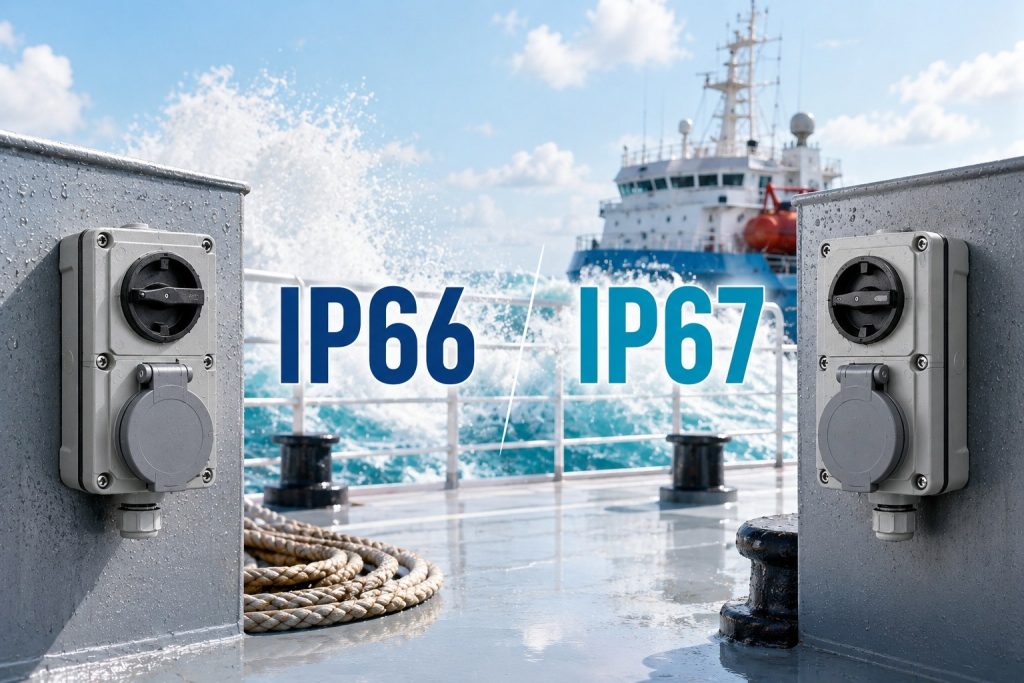
IP66 vs IP67 Waterproof Switch Socket: Which Is Better for Marine Use?
When selecting a water-resistant switch socket to use in marine applications A lot of buyers think that an IP rating higher implies greater security. In the end, IP67 products are frequently thought of as superior over…
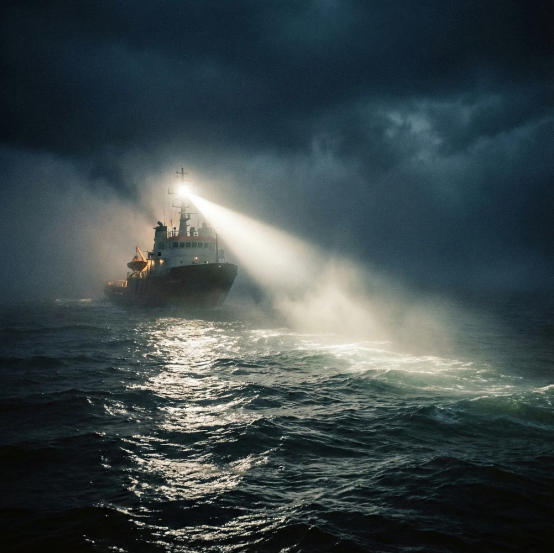
Marine Searchlights: Standards and Regulation Compliance
Marine searchlights are widely applied for making sure safety, navigation and efficiency at sea. Their performance, reliability and durability are essential, not only when everything is normal for day-to-day maritime operations but also when it turns into an emergency. But if…
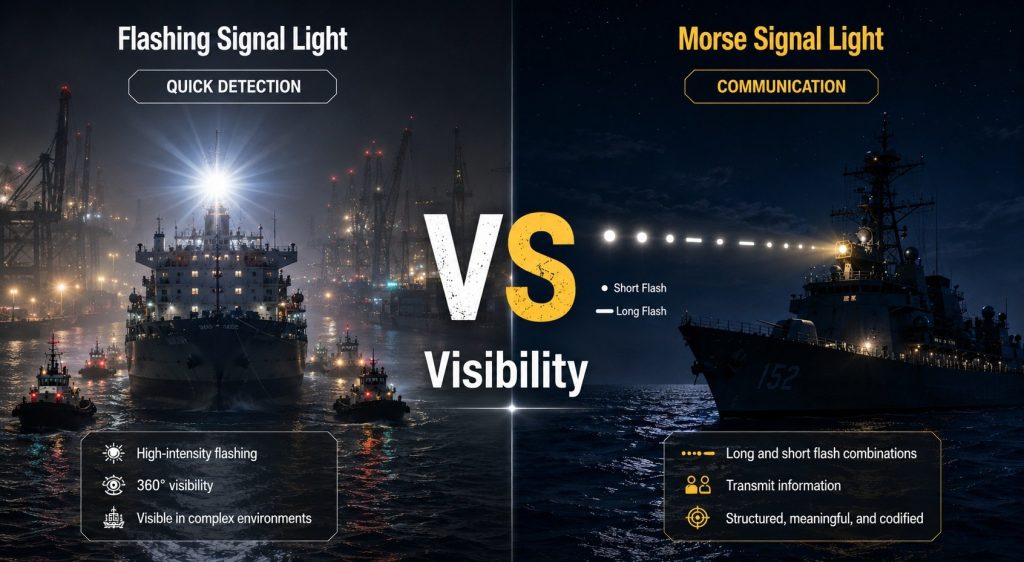
Flashing Signal Light vs Morse Signal Light: Which Marine Signal Light System Is More Suitable for Modern Vessels?
In many vessel procurement projects, Flashing signal light and Morse signal light are often grouped into the same category of marine signal lights. However, once they are used in real maritime operations, shipowners quickly realize that…
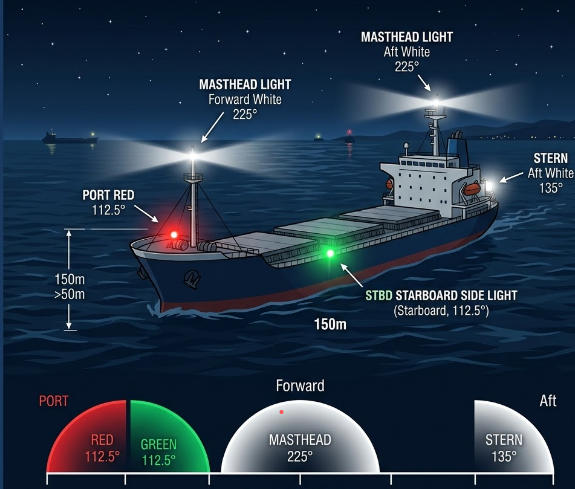
How to Comply COLREG Regulations for Navigation Lights
Navigation safety at sea is fundamental for maritime operations, and complying with international regulations makes it possible for vessels to move without causing trouble and avoid collisions. The International Regulations for Preventing Collisions at Sea (COLREGs), which…
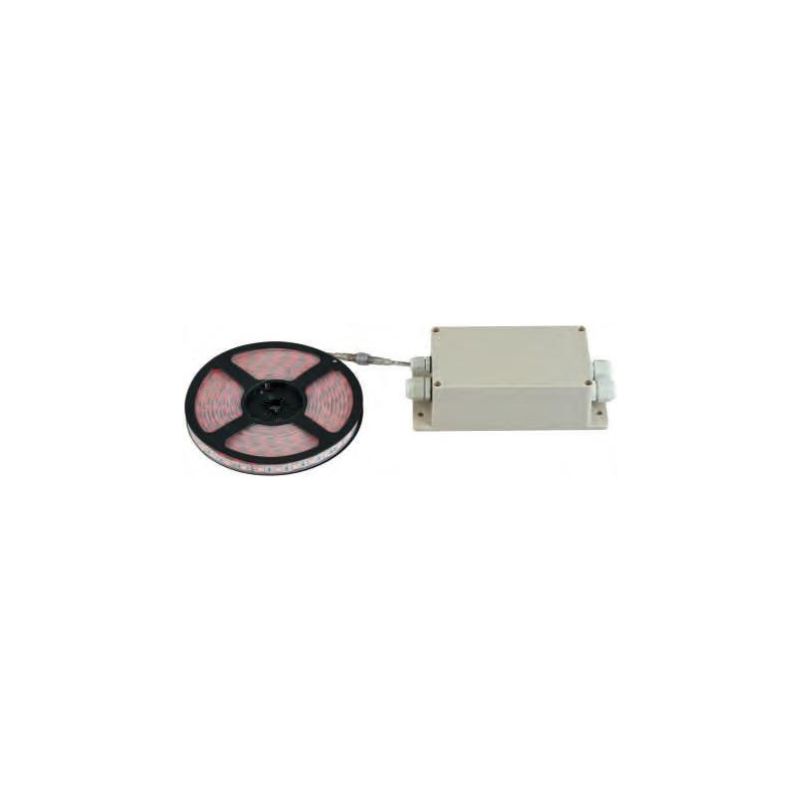
Marine LED Light Stripsvs Ordinary LED Light Strips
There are numerous choices available when it comes to LED light strips, and each manufacturer offers distinct products for diverse applications. In this article, we will explore how regular LED light strips differ from marine LED…
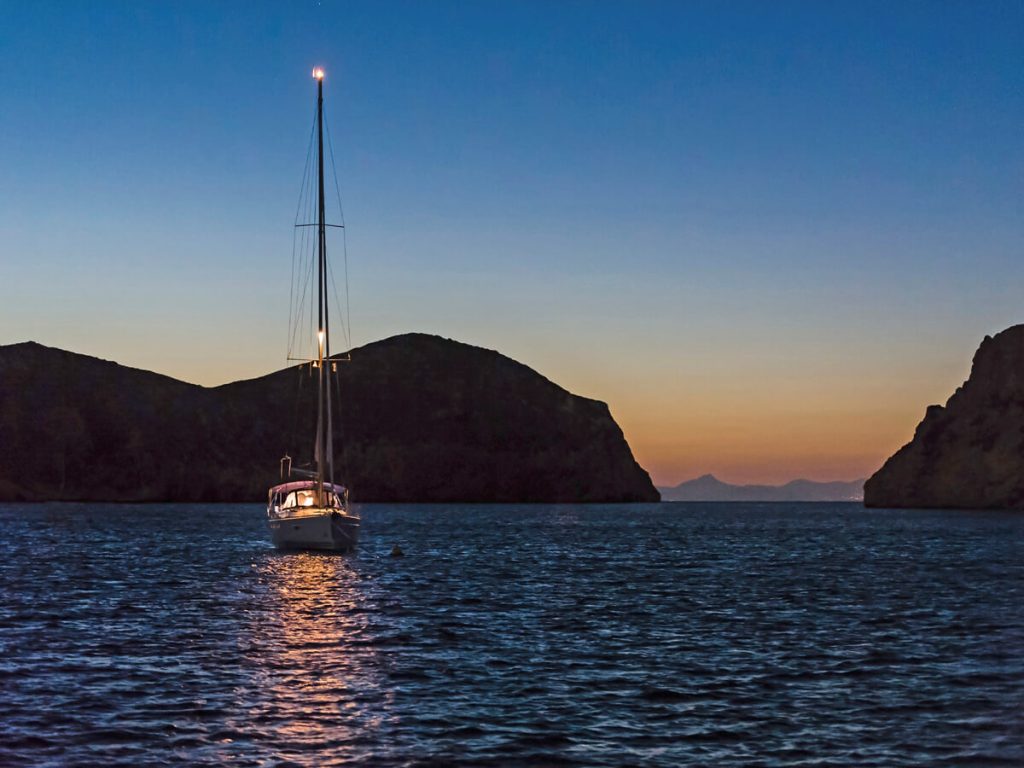
The Regulations of Marine Lighting for Night Boating
Night boating can provide a calm and picturesque experience to everyone, but it basically runs under the influence of a heap of safety and regulatory concerns. One of the most critical components of night boating is the regulations of…
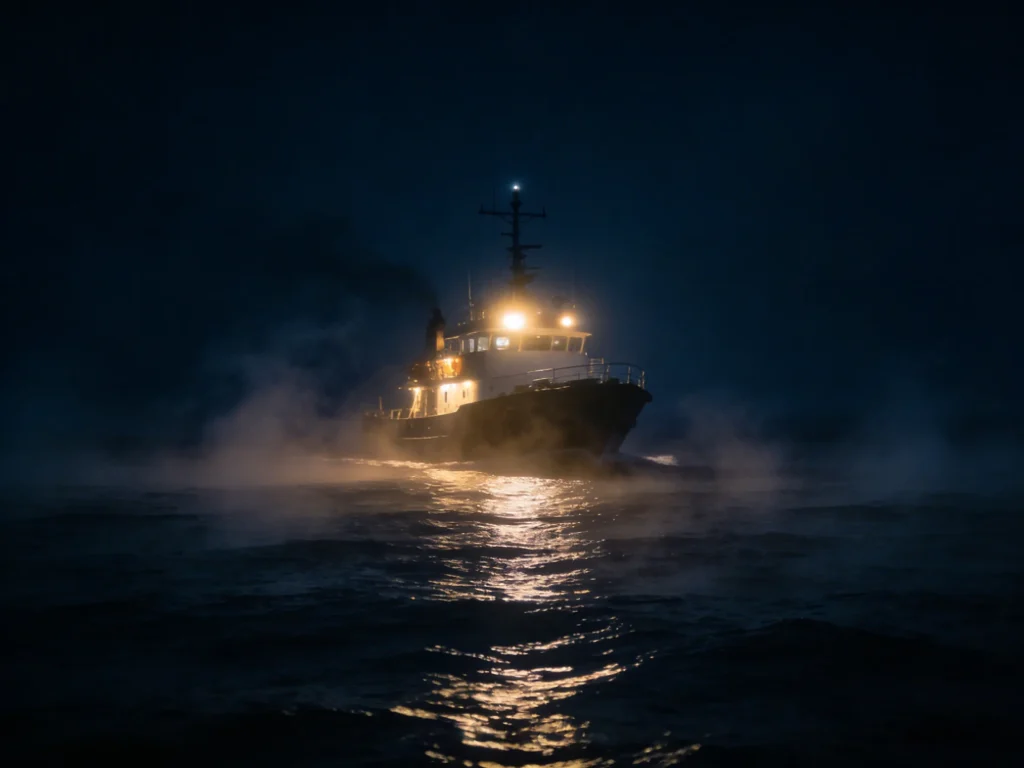
Nighttime Boating Safety: 10 Tips to Prevent Ship Navigation Light Accidents
U.S. Coast Guard and maritime safety agencies have released data showing that most ship accidents are due to human error and visibility issues, with nighttime navigation posing particular danger due to reduced visibility, distortions in distance perception…
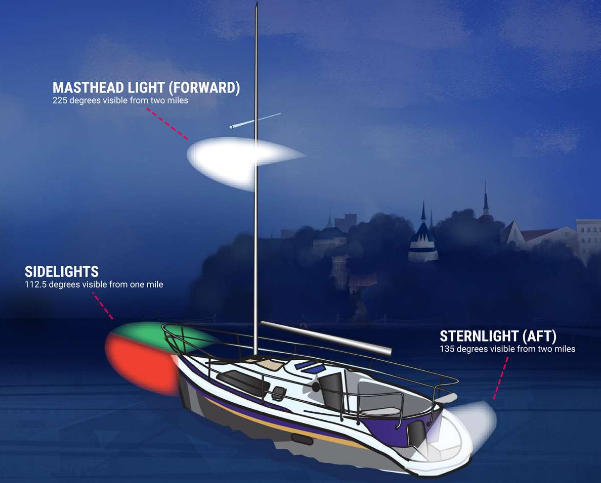
Regulatory Standards for Marine Navigation Lights: Compliance and Updates
Vessels operating in open waters during nighttime and low visibility conditions require marine navigation lights to maintain their safety. The lights serve two purposes by enabling identification of the vessel’s location and movement while also helping to…

ABYC C-5: The Contemporary Navigation Light Standard Superseding UL 1104
In the maritime navigation world, the safety of navigation lights is a major factor in a ship’s ability to navigate safely. Not long ago, the U.S. Coast Guard (USCG) confirmed that the ABYC C-5 standard would replace…
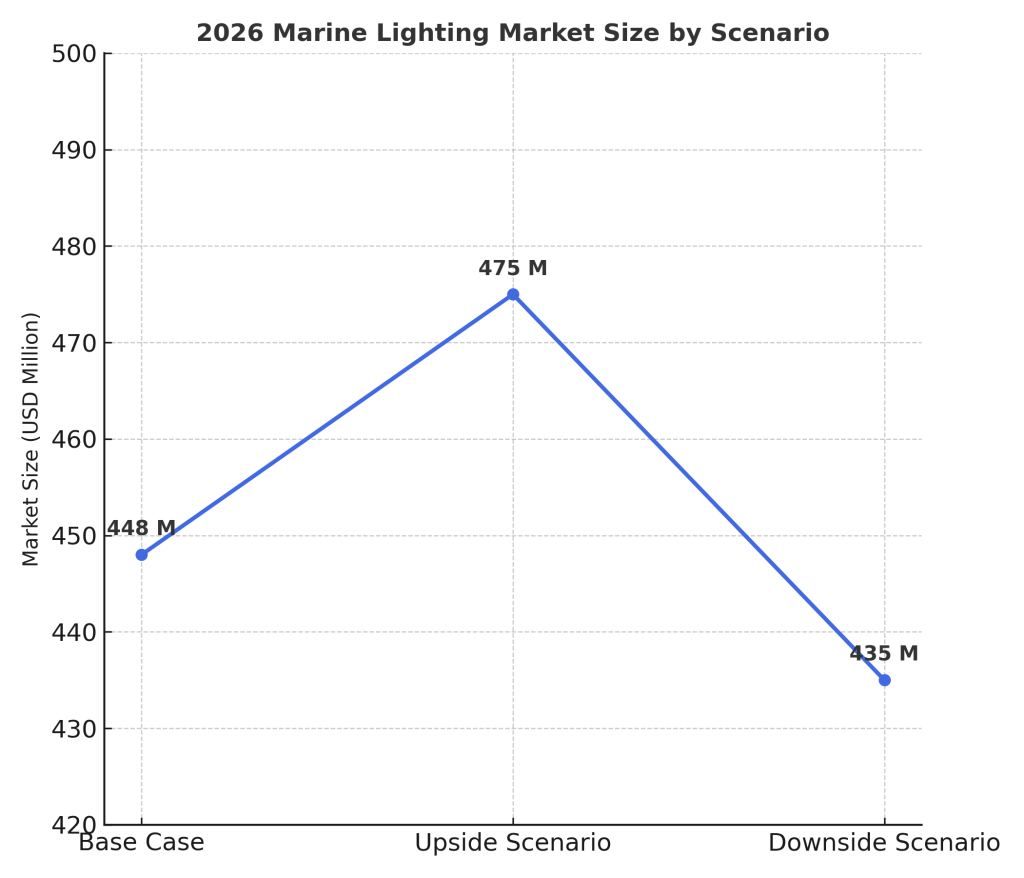
2026 Global Marine Lighting Market Forecast
The state of the cruise industry, as shipbuilding cycles continue, recoveries, and as the International Maritime Organization (IMO) gets closer to finalizing regulations, along with investment in offshore engineering and wind power, the marine lighting market…
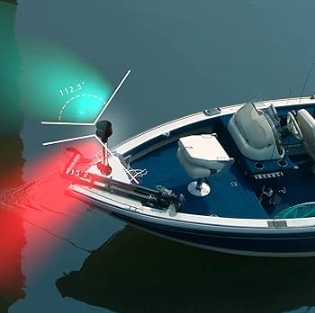
Regulations for Inland vs. Sea Marine Navigation Lights
The marine navigation lights are vital safety elements that allow vessels to recognize each other’s location, direction and operational status at low or no-visibility times at night. While the fundamental principles of navigation lights are consistent throughout all waterways,…
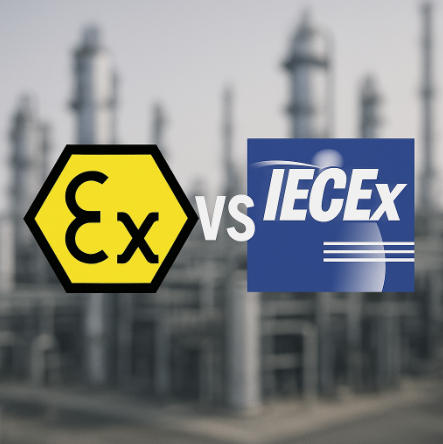
ATEX and IECEx Certifications in Explosion-proof Lights
Explosion-proof lights ensure safety in hazardous environments such as oil refineries, chemical plants, mining, and offshore platforms. For these lights to be reliable and show compliance to safety standards, they need to be ATEX and IECEx certified. For…
