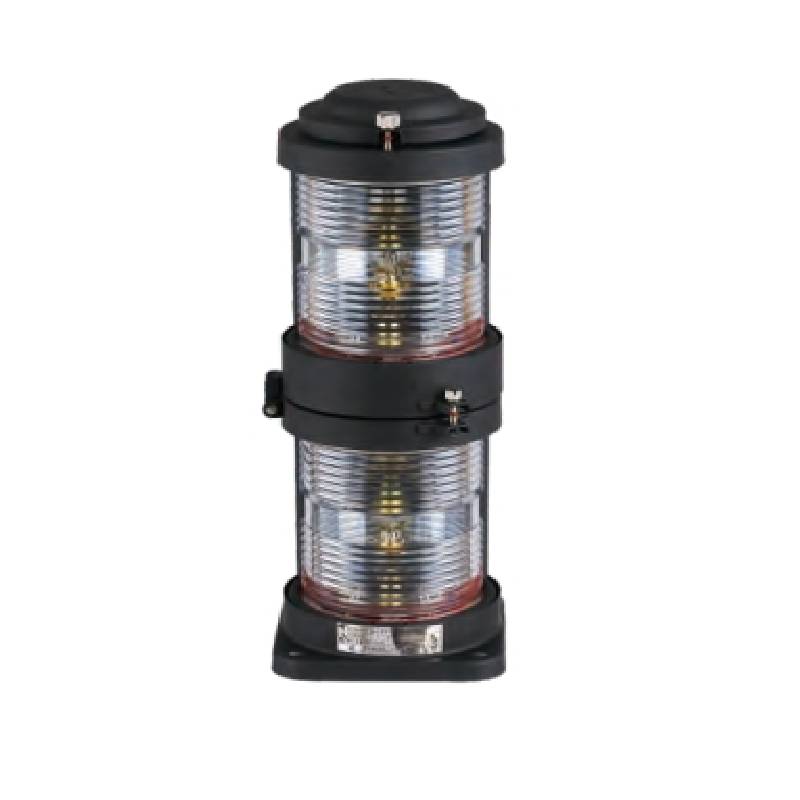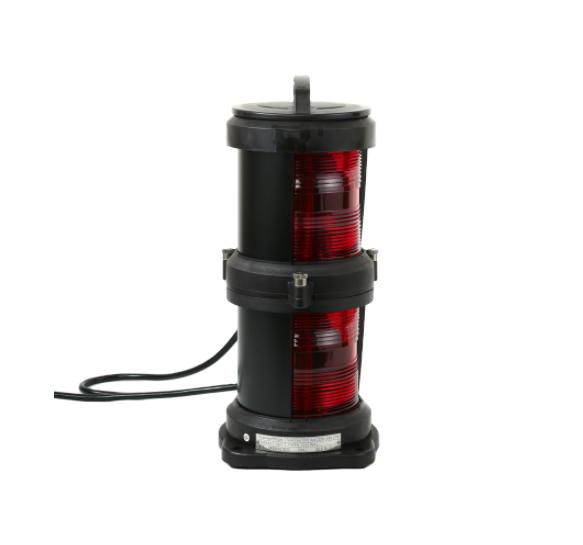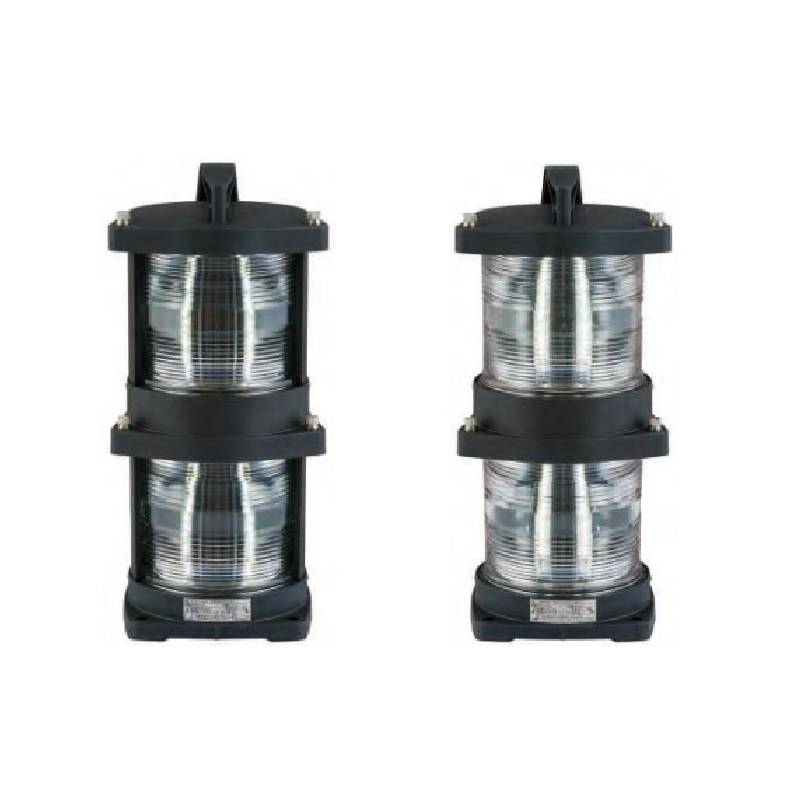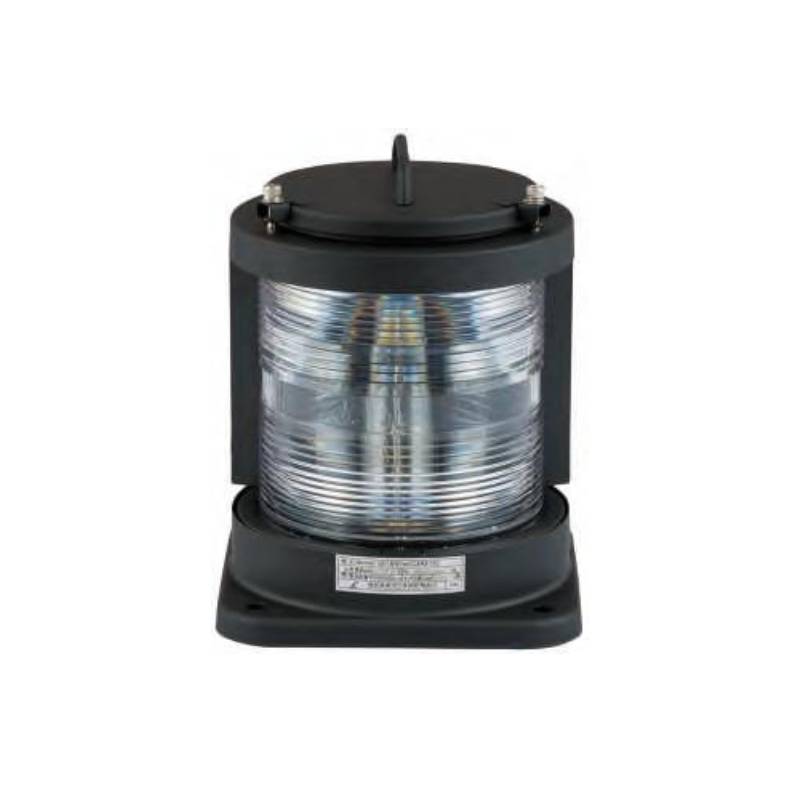
ABYC C-5: The Contemporary Navigation Light Standard Superseding UL 1104
In the maritime navigation world, the safety of navigation lights is a major factor in a ship’s ability to navigate safely. Not long ago, the U.S. Coast Guard (USCG) confirmed that the ABYC C-5 standard would replace the enduring UL 1104 standard. But, what is it that makes the ABYC C-5 standard to be accepted by the authorities and what are the modern advantages it has over UL 1104? Let’s go through the specifics.

Table of Contents
Background and Official Policy Basis for Standard Adoption
The Limitations of the Old Standard: UL 1104
UL 1104 (Standard for Marine Navigation Lights), the last revision of which was made in 1998, has been the American standard for the performance and certification of navigation lights for a long time. It laid down the requirements for optical performance, electrical safety, and durability, which made nighttime vessel navigation safer in a basic way, and it was there for decades.
Despite this, the U.S. Coast Guard (USCG) has declared via Policy Letter 01-25 that UL 1104 is no longer maintained or updated by UL. As a result, the standard is essentially a reflection of technology that is almost 30 years old and fails to consider the performance testing and failure modes of modern navigation lights, particularly LED lights, to a considerable extent. To illustrate, UL 1104 only stipulates very general requirements for light distribution accuracy, color stability, LED lifespan, and electromagnetic compatibility, which might not be enough to assure the reliability of modern lights under conditions of high-speed navigation or even very harsh marine conditions.
Introduction of the New Standard: ABYC C-5
ABYC C-5 standard is designed to meet the demands of modern vessel lighting technology and covers design, construction, performance testing, and environmental durability evaluation of electric navigation lights. The standard takes into account both conventional light sources and contemporary LED fixtures, with a thorough analysis of the optical properties, stability of the electrical system, waterproofing, resistance to vibrations, and reliability over a long period of time.
USCG Policy Letter 01-25 states that navigation lights which are in compliance with ABYC C-5 standard are deemed to be equivalent to UL 1104. Thus, they can be used to meet the performance and certification requirements laid down in Titles 33 and 46 CFR. This policy not only confirms the regulatory power of ABYC C-5 but also provides a contemporary framework for design and compliance to manufacturers and suppliers while pushing the industry toward the use of safer, more reliable, and scientifically backed navigation light technology.
Key Advantages of ABYC C–5
Navigation lights are essential for safe maritime operations. With the U.S. Coast Guard officially accepting ABYC C-5 as a modern alternative to UL 1104, boat manufacturers and light suppliers now have a clear path for designing and certifying advanced navigation lighting. Let’s explore why ABYC C-5 is a game-changer.
More Precise Optical Performance
ABYC C-5 sets strict requirements for luminous intensity, light distribution, and color stability, ensuring LED and traditional lights remain clearly visible even in high-speed navigation and harsh marine conditions. Unlike UL 1104, which provides only broad minimum requirements, C-5 ensures light is uniform, glare is minimized, and visibility is maximized.
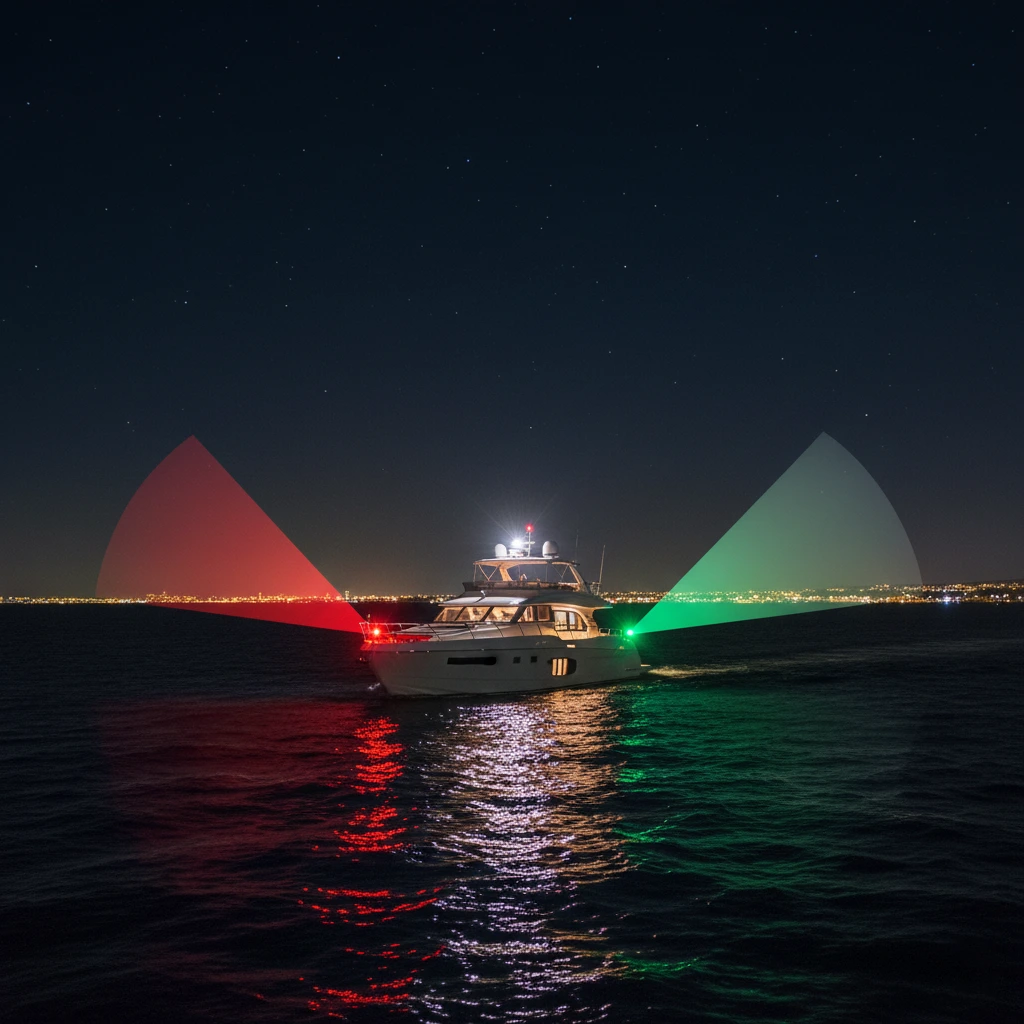
- LEDs remain highly visible at high speeds and in rough seas
- Reduces collision risks at night
- Ensures uniform light distribution and minimizes glare for operators
Enhanced Durability and Reliability
On a vessel, lights must not only shine but also remain stable.
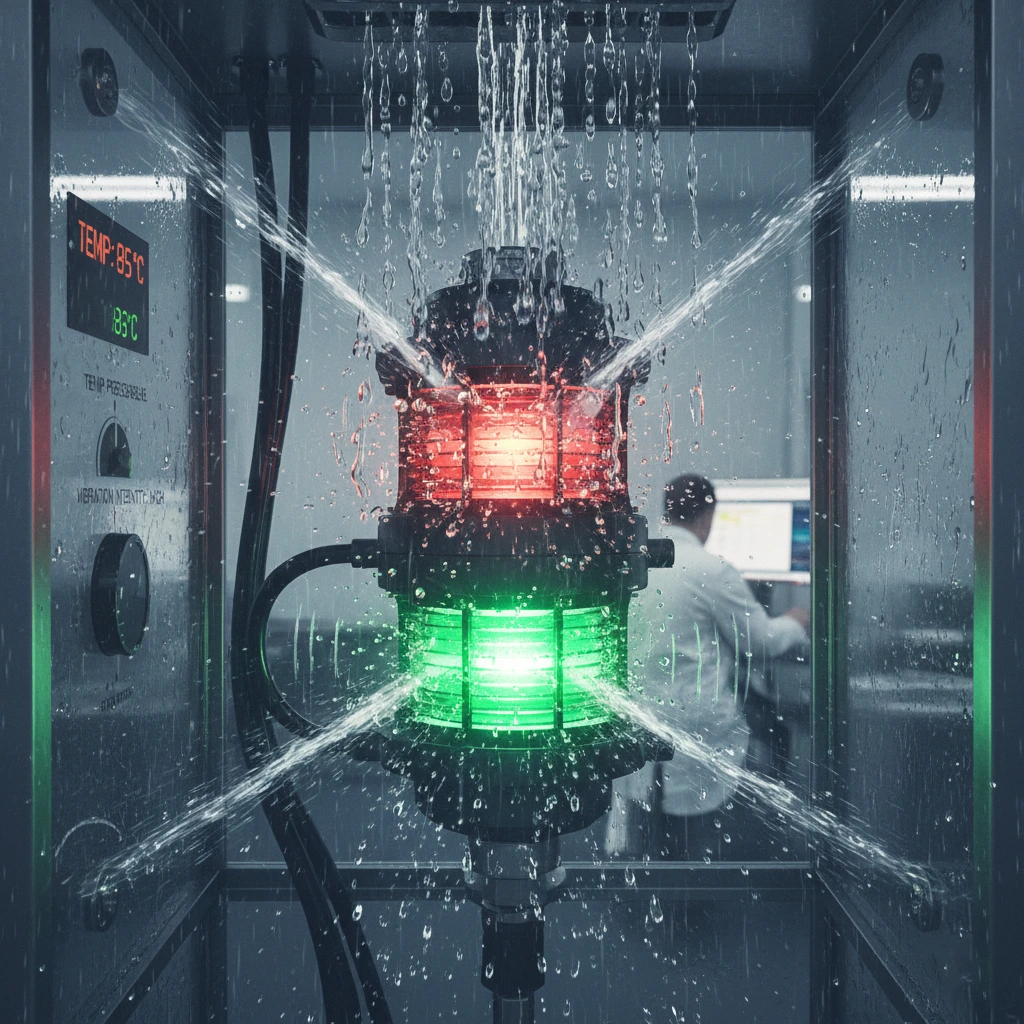
ABYC C-5 requires rigorous testing for waterproofing, dustproofing, vibration resistance, and high-temperature tolerance, whereas UL 1104 sets looser conditions. In short, navigation lights that meet the ABYC C-5 standard are designed to withstand harsh marine conditions and ensure long-term reliability.
International Standard Compatibility
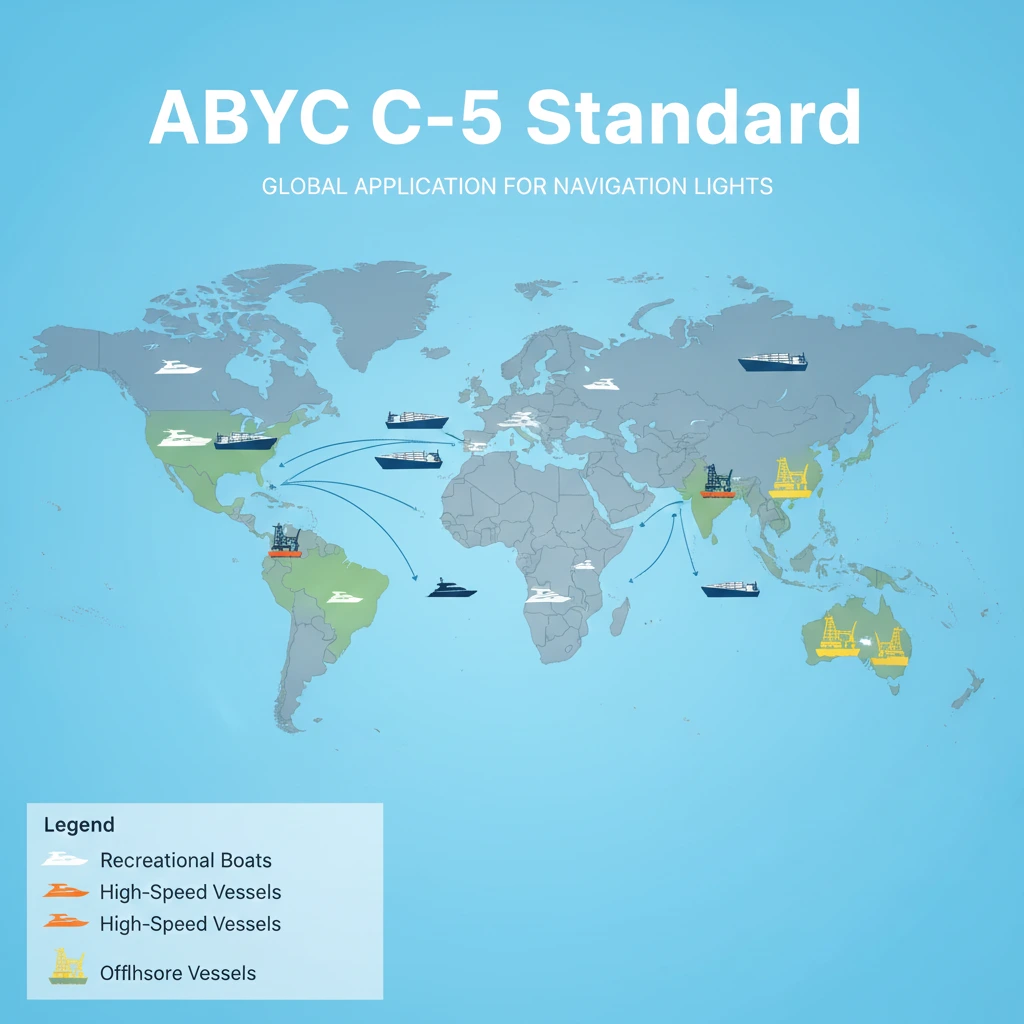
ABYC C-5 aligns with international standards such as ISO, making it suitable for global vessel markets. Manufacturers can design and test products under one unified framework, reducing repeated certifications and costs.
Regulatory Recognition Simplifies Compliance
The USCG confirms that lights designed and tested under ABYC C-5 meet the regulatory requirements of CFR Titles 33 & 46. This means manufacturers no longer need to rely on the outdated UL 1104 testing framework while still achieving full compliance.
Comprehensive Coverage for Modern Lighting Technology
ABYC C-5 is designed to cover both traditional incandescent and halogen navigation lights as well as modern LED fixtures. The standard includes detailed testing for light distribution, chromaticity, luminous intensity, and environmental durability, ensuring that lights perform reliably under a wide range of conditions.
This comprehensive approach is particularly important for adapting to the latest LED technology trends. By specifying rigorous testing methods, ABYC C-5 ensures that all navigation lights meet real-world performance requirements, providing manufacturers with a scientific, data-driven foundation for product design and development.
Scope and Applicability
| Standard | Applicable Vessel Types | Navigation Light Categories | Notes |
| UL 1104 | Small to medium-sized vessels (recreational boats, yachts, small commercial craft) | Masthead lights | Primarily for traditional light sources (incandescent/halogen), with broad testing requirements; does not differentiate by vessel size or modern LED characteristics |
| Port/Starboard lights | |||
| Stern lights | |||
| Towing lights | |||
| All-round lights for small vessels | |||
| ABYC C-5 | All vessel types (from recreational boats to large commercial vessels, including high-speed and specialized vessels) | Masthead lights | Covers both traditional and LED lights, including testing for light distribution, chromaticity, intensity, and environmental durability; wider and more modern applicability |
| Port/Starboard lights | |||
| Stern lights | |||
| Towing lights | |||
| All-round lights | |||
| LED and modern electric lights |
Conclusion
ABYC C-5 is not simply a substitute; it is a new version of the lighting tech for vessels:
- Scientific optical performance: LEDs assert their superiority with respect to visibility and uniformity and the like.
- Better durability and higher reliability: water-resistant, shock-proof, fire-proof.
- Sync with global standard: consolidated platform for the global market.
- Policy recognition: approved by USCG, hence, easier to comply with regulations.
For the manufacturers of modern vessels and the suppliers of navigation lights, the use of ABYC C-5 is not only compliance but also an important step towards making products more competitive and providing safer maritime operations.