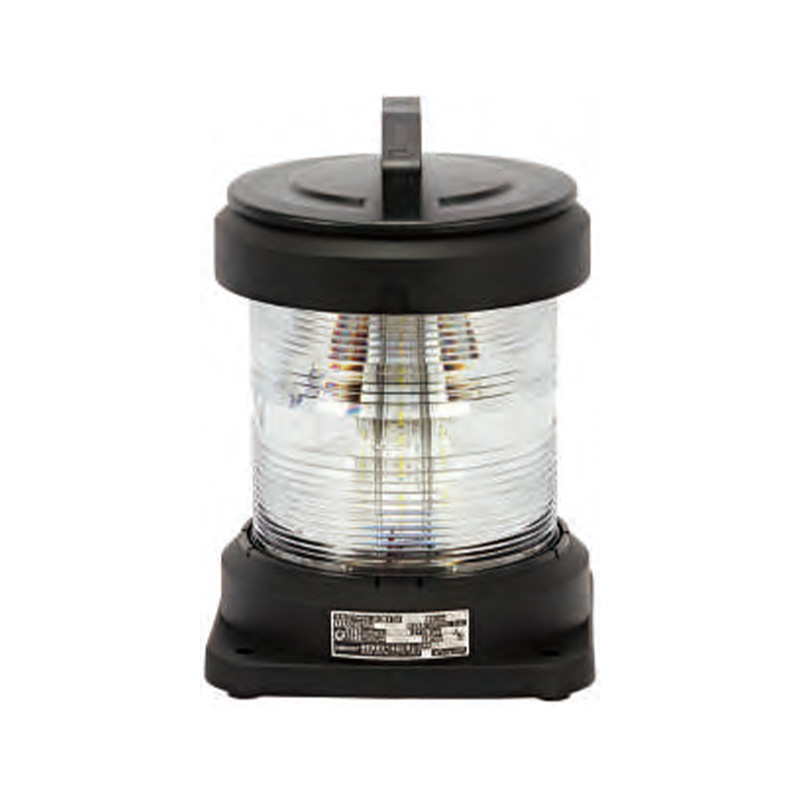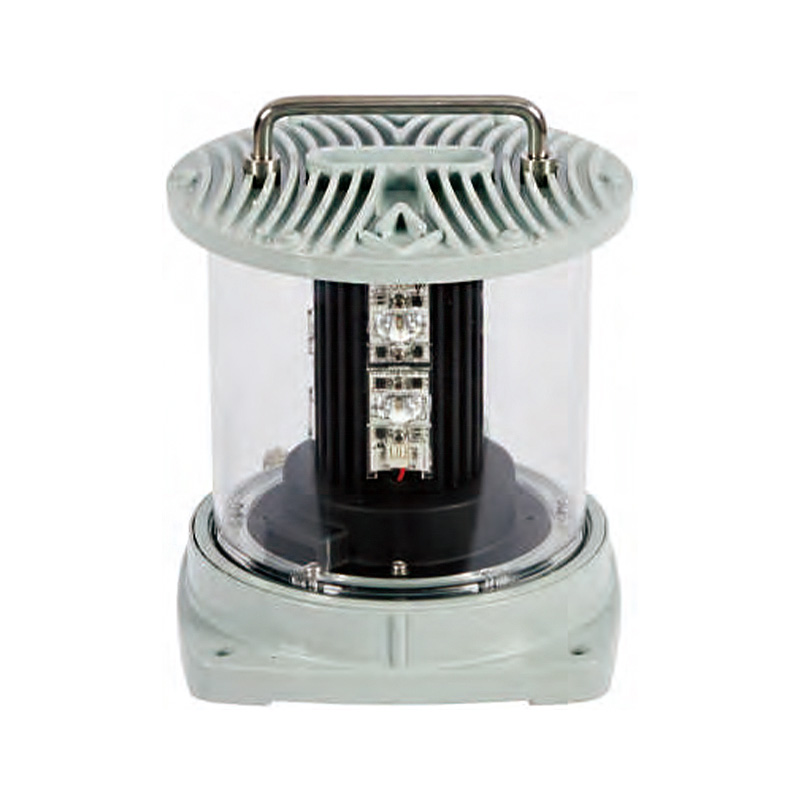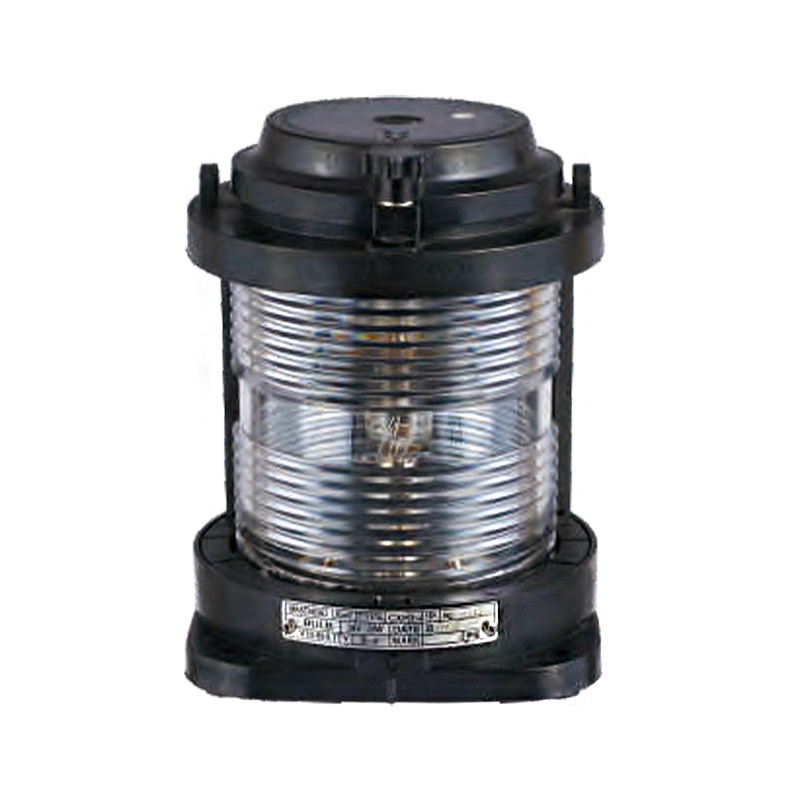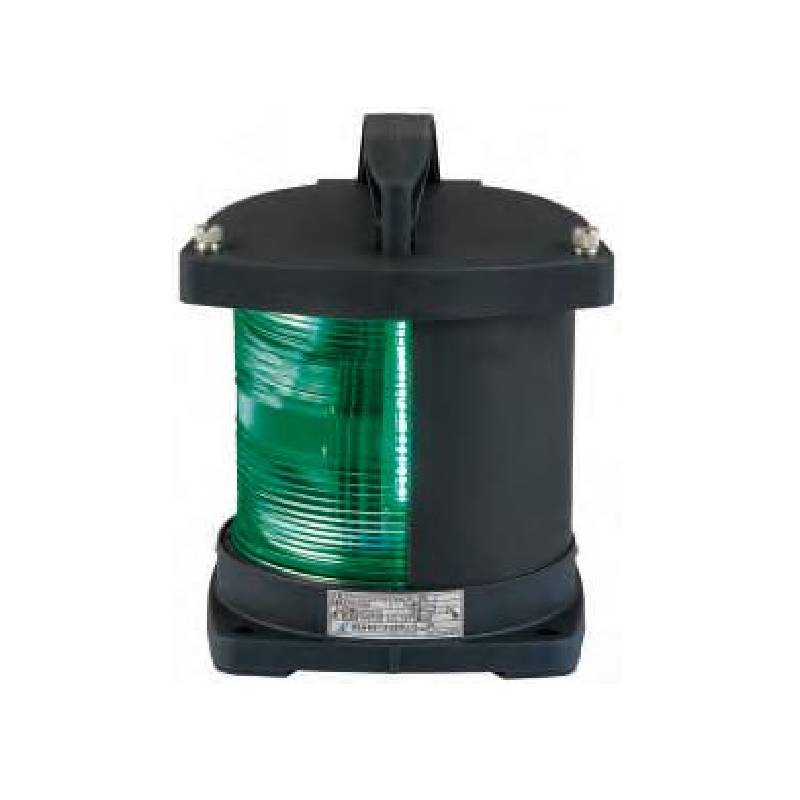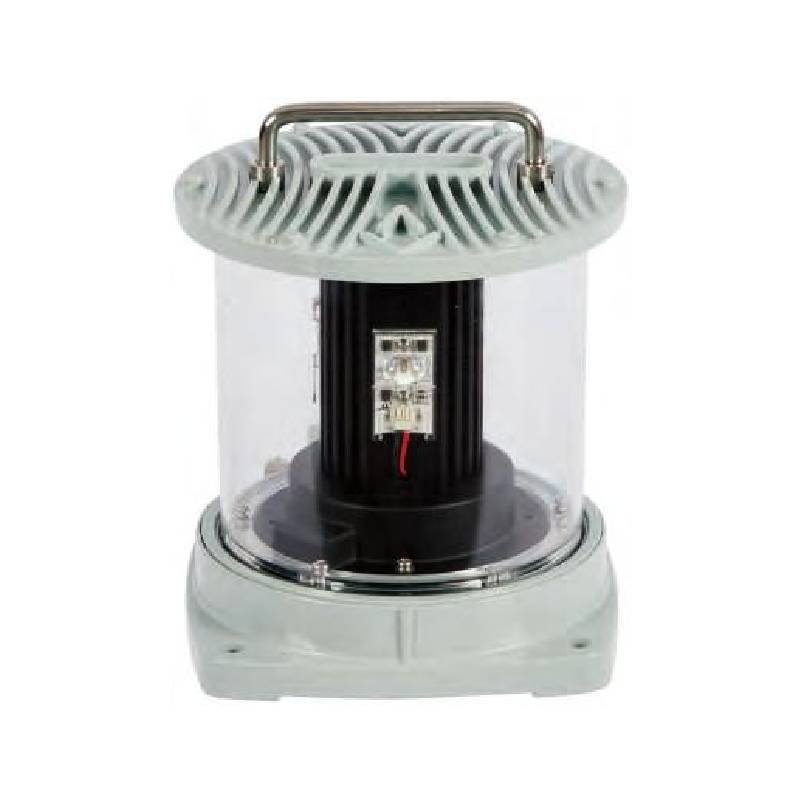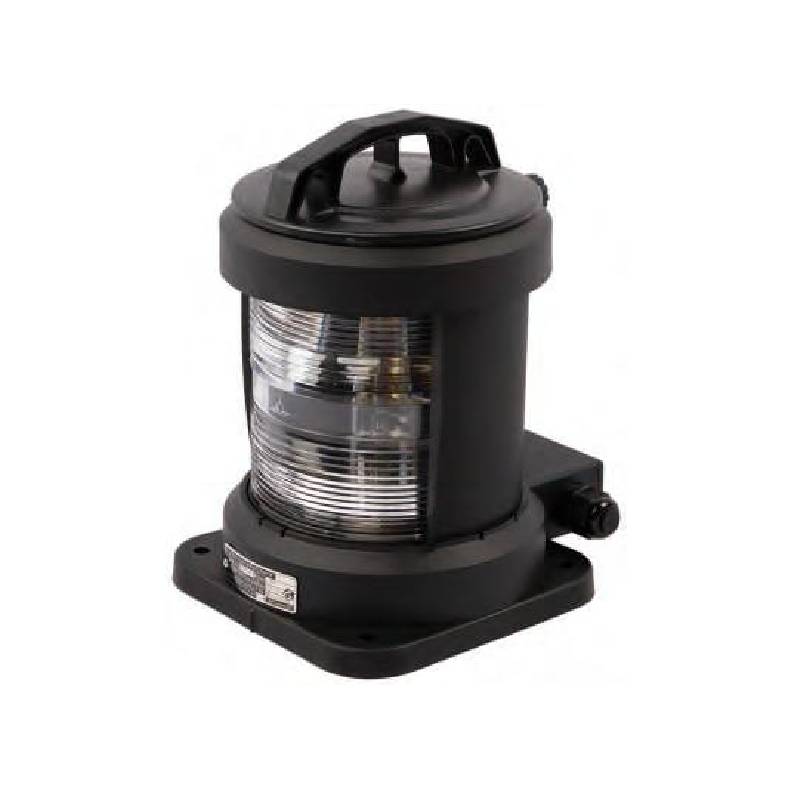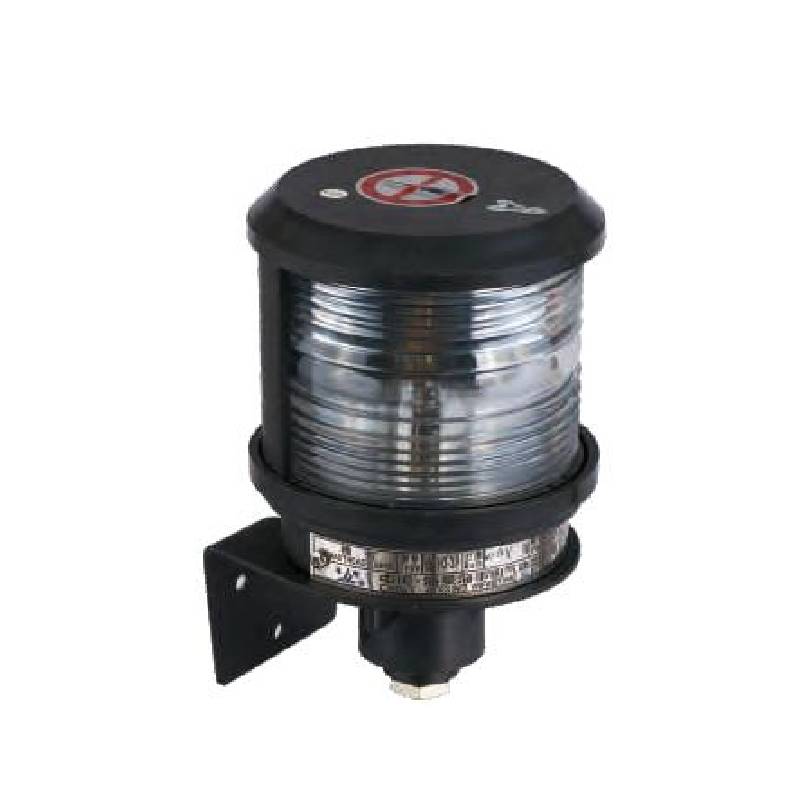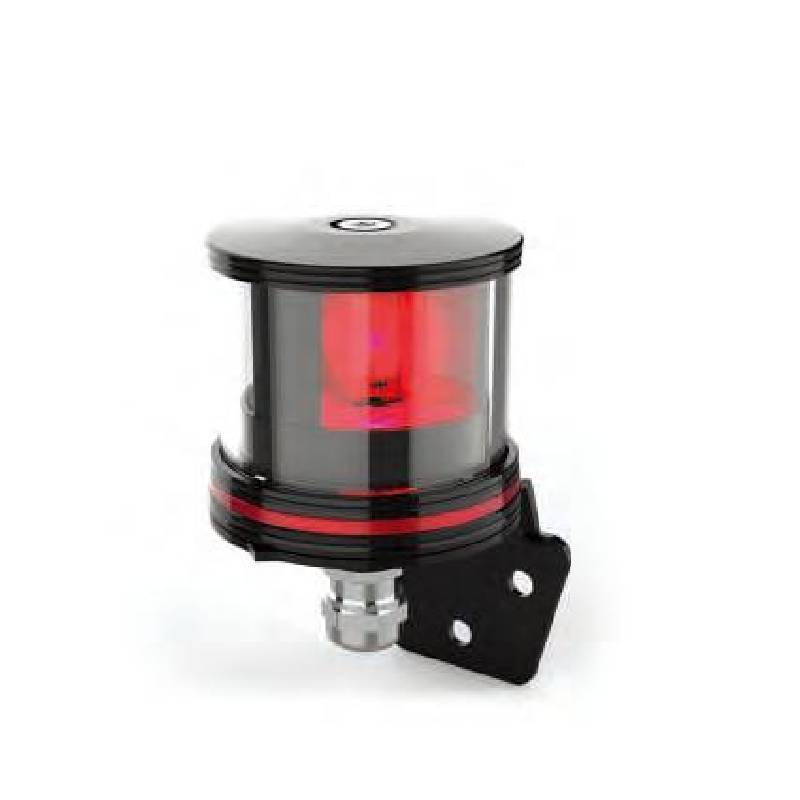
The Regulations of Marine Lighting for Night Boating
Night boating can provide a calm and picturesque experience to everyone, but it basically runs under the influence of a heap of safety and regulatory concerns. One of the most critical components of night boating is the regulations of marine lighting. These regulations are put into place to ensure the night boating safety of all vessels on the water and to prevent accidents, so it is important on the part of the boater to comply with these standards. Here is a look at the importance of marine lighting regulations and how these lights are regulated for night boating.
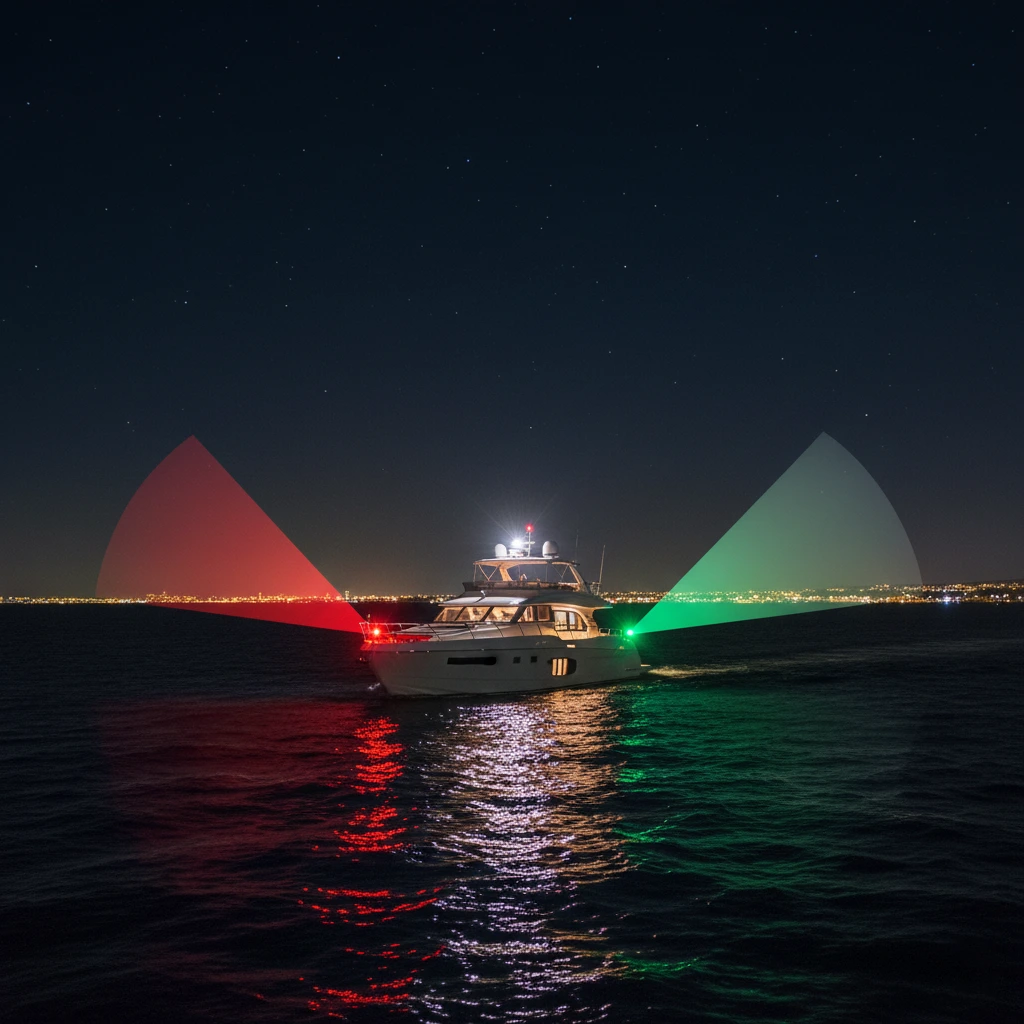
Table of Contents
Why Marine Lighting Regulations are Important Night Boating
1. Visibility and Vessel Identification
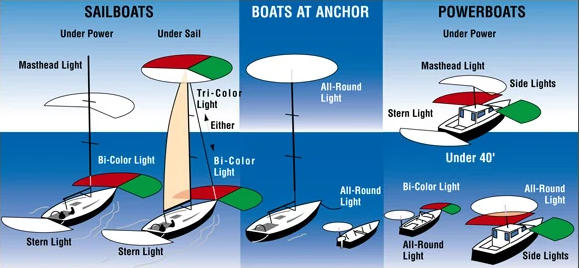
The purpose of maritime lighting regulations is to ensure full visibility of all vessels at night. The risk of collisions becomes extreme at night because of the restricted visibility. Proper lightings help easy identification of vessels, thus reducing the chances of accidents. For example, the running lights like red and green (port and starboard) allow others to gauge on which side of the vessel they are meeting. Masthead and stern lights help in identifying the direction and location of the vessel.
Properly lit vessels can be spotted from a distance by other boats, and this is of prime importance in collision avoidance. Achieving this visibility through these rules is helpful in increasing water safety and in allowing boaters to avoid potential hazards or navigate safely in heavily congested areas.
2. Safety in Busy Waterways
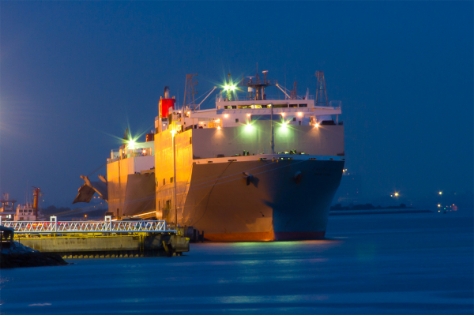
The quality of lighting is even more crucial in heavy maritime traffic areas. Congested waterways-crucial to some of the more important and busier harbors, rivers, and boating corridors-may become entirely obscured in vessels of all configurations. Amid such an onslaught of vessels, lacking bright and well-regulated lighting, one would find it painfully hard to distinguish vessels from one another. The possibilities of accidents taking place would be seriously high, particularly where vessels come alongside each other or travel from opposite directions.
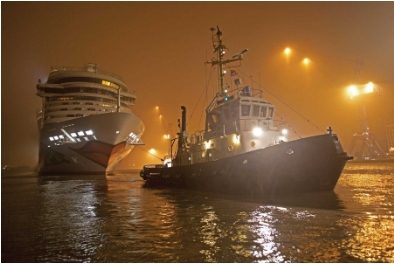
Lighting rules are crucial in indicating the presence of a vessel (showing its direction and movement) as well as its operational status. For instance, commercial passenger vessels usually operate an array of lights-probably with the hazard signal, which keeps it visible for a small recreational boat. In the same way, trawlers have their own lightning, usually lighting up advertisement signals for other vessels to steer clear of netting or lines. When it comes to high-traffic areas at nighttime, such rules become the essence to keep everyone safe.
3. Directional Clarity and Collision Prevention
It is crucial in darkness that you take note of which way all other vessels are steering. The rules regarding navigation lights in marine action address this directly. These are the red and green port and starboard lights that are as visible from a distance that help the skipper determine which side of another vessel he is closing in on. This simple but highly effective signaling system allows the two boats to pass each other without any confusion or ambiguity.
The masthead light (white) and stern light (white)-apart from side lights-further help identify the position and direction of the vessel. This system communicates that the vessel is underway and not staying in its moorings to the rest of the nautical community. Identifying in which direction another vessel is going is important if catastrophic circumstances are to be avoided with them looming head-on in the dark.
4. Emergency Communication and Distress Signaling
Perhaps the critical aspect or one of the critical aspects of marine lighting regulations has to do with the emergency function of these signals. A well-illuminated vessel in distress can cry for help when needed, signaling an accident, mechanical failure, or a medical emergency. Vessels may need emergency signals as beacons of a kind, such as flashing white or red. These would grab the attention of nearby vessels that may not be equipped with electronic monitoring services.
Should any existing artificial lighting, alarms, warning lights, or even signaling a distress signal be obstructed in the time of emergency, the message does not get passed to rescue units, hence minimizing chances for a search and rescue operation.
5. Legal Compliance and Liability Protection
Obviously, following these regulations to the letter is not only considered a necessity for safety precautions but in essence, a legal ordeals as well. Boaters need to conform to such lighting standards to lawfully use highways of the water. To violate these regulations could incur fines, penalties, or legal consequences if involving an accident scenario.
Compliance with marine lighting regulations can very well serve to get the boater out of a tight spot in an incident. The bunch of navigation lights could serve as evidence that the vessel has conformed to marine law if a mishap occurs. Such an evidence can actually play a significant role in determining the fault. Therefore, the boater is thus absolved in a lawsuit merely on account of technicalities including the failure of the said lighting system on part of another party.
Types of Marine Lighting for Night Boating
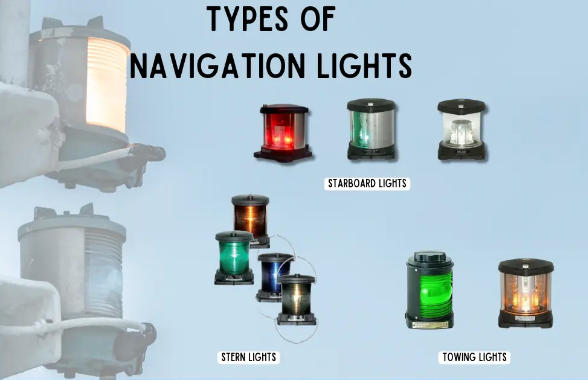
This chart provides a clear overview of the various types of marine lighting used during nighttime boating and their respective functions to enhance safety.
| Type of Marine Lighting | Description | Color | Purpose |
| Navigation Lights | Required on most vessels operating at night and during reduced visibility. | Red, Green, White | Indicates the vessel’s position and direction, ensuring safe navigation. |
| Port (Red) Light | Indicates the left side (port side) of the vessel when facing forward. | Red | Helps identify the side of the vessel for approaching vessels. |
| Starboard (Green) Light | Indicates the right side (starboard side) of the vessel when facing forward. | Green | Helps identify the side of the vessel for approaching vessels. |
| Masthead Light (White) | A white light located at the front of the vessel, visible from all directions. | White | Signals the forward direction of the vessel to avoid collisions. |
| Stern Light (White) | A white light located at the rear of the vessel, visible from behind. | White | Indicates the presence of the vessel from behind and prevents rear collisions. |
| Anchor Light | A white light used when a vessel is anchored, indicating its stationary position. | White | Alerts other vessels to the stationary position of the vessel, reducing collision risk. |
| Towing Light | A light displayed when a vessel is towing another, often in addition to other navigation lights. | White (typically) | Signals that the vessel is towing another boat. |
| Signal Lights | Flashing or specific color lights used to communicate special situations (e.g., distress). | Red, White, Green | Used for emergency signals, indicating distress or special maneuvers. |
| All-around White Light | A light visible from all angles, often used in distress signals. | White | Used to signal distress or other important situations requiring immediate attention from other vessels. |
Key Regulations of Marine Lighting in Night Boating for Specific Vessel Types
There are various kinds of vessels, with each of them being mandated to follow certain rules with respect to their lighting in order to ensure safety in the sea, avoid collisions and help them indicate their position and intentions. The regulations of marine lighting is primarily guided by the International Regulations for Preventing Collisions at Sea (COLREGs) and national maritime authorities like the U.S. Coast Guard.
1. Small Vessels (Under 12 Meters)
Differentiating between smaller vessels like yachts and larger vessels, there spotlight rules have been made somewhat easy. However, they still offer great protection for small vessels during night operations.
Required Lights:
- Masthead Light (White): A sailboat must display a white color masthead light when running at night or when under conditions of limited visibility. This gives an indication of its direction and helps other vessels know its position.
- Stern Light (White): The stern light signifies the vessel from the aft side.
- Alternative Lighting: On the odd occasion, small boats might employ portable light devices like flashlights and lanterns. However, these appliances have to meet lighting requirements for visibility on board, and the direction from which the light should be displayed so diverging boaters know whether they are heading toward the stern, boat center, or bow.
Small vessels are freakishly more maneuverable than large vessels and can be difficult to see in the nighttime. By following usting these navigational regulations that apply to small vessels, they can secure the attention of large vessels as well as other smaller boats, and reduce the chance of a collision.
2. Large Vessels (12 Meters and Above)
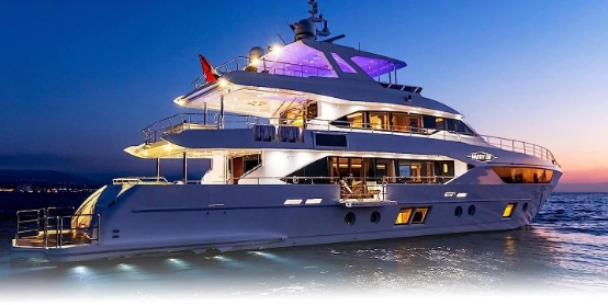
Larger vessels, including yachts, commercial craft, and passenger vessels, should be seen displaying the entire set of lights, and their instructions are rather detailed to cater to the large size and inherent increased risk in their use.
Required Lights:
- Port (Red) Light: On the port side of the vessel, this light is visible from a distance so that approaching vessels can recognize which is the safe side to pass.
- Starboard (Green) Light: Green, and on the right side of the direction of motion, is a brightness that allows for direction signals with the port light.
- Masthead Light (White): Vessels of a certain size present a white light in mauve at night, from everywhere. This light goes ahead of the boat.
- Stern Light (White): On the hull’s back, this one serves another ship’s interest to recognize something big and lurking ahead of it.
- Towing Lights: When a larger vessel maneuvers in order to pull out another smaller boat, extra towing lights are installed to make this intention visible.
Large boats have more complex light combinations because they have to make their heading, size, and the mode of operation of the vessel quite clear to the observer. It is imperative, over populated seas where collision probabilities are much greater due to the size and the number of vessels.
3. Fishing Vessels
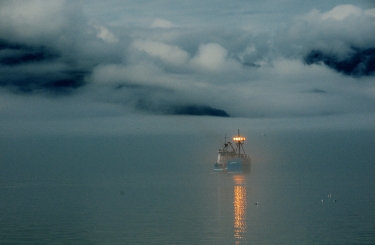
Fishing vessels have specific lighting requirements specifying that they should use lights that help demonstrate their fishing activities. All the lights have been assigned very specific functions, and they prevent accidents with other boats sailing over the same waters.
Required Lights:
- Fishing Lights: In addition to the standard navigation lights, fishing vessels are required to display specific lights when they are engaged in fishing activities, such as a green over white light to signal that they are fishing with trawls.
- Towing Lights: Fishing vessels must show lights for fishing vessels in distress to allow vessels using proper navigation lights to see them. Lights for fishing vessels in distress are: a yellow light all around; two red lights in a vertical line. Besides the red and yellow lights required for vessels, vessels may only have manifest emergency lighting in addition that do not tier.
- Anchor Lights: When stationary, fishing vessels must display an anchor light to signal that they are at anchor.
Many fishing boats often have to operate in areas where there are high number of commercial and recreational traffic. There can be other assistance lighting such as fishing lights and towing lights which enable other vessels to know about the running of the net while being vigilant and cautiously guarding all other things such as the highlighted marker lights used for guidance during fishing operations.
4. Commercial Vessels
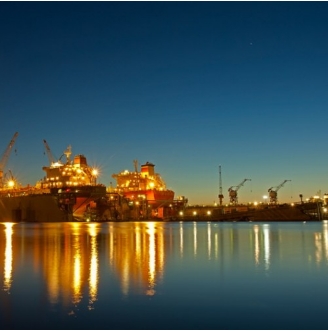
Commercial Vessels , including cargo ships, oil tankers, and container ships, are under the stiffest lighting regulations because of their large sizes, operational complexities, and the sheer number of people on board. The purpose of these regulations is so that a vessel remains visible and safe while reducing the likelihood of a collision.
Required Lights:
- Port and Starboard Lights (Red and Green): These lights indicate the sides of the vessel and are visible from a significant distance.
- Masthead Light (White): The masthead light, visible from all directions, points to the forward direction of the vessel.
- Stern Light (White): The white stern light is placed at the back end of a vessel to help in identifying the vessel from behind.
- Towing Lights: Supplementary lighting is also required in cases where a large commercial vessel is towing another vessel or object.
- Flashing Lights: The flashing light is displayed on a commercial vessel in busy areas and areas where limited visibility exists; it helps in enhancing its visibility to other vessels.
Commercial vessels are considerably large and can be accidents waiting to happen in busy waterways. Making sure that the vessels, both tiny and large, meet adequate light requirements not only makes them visible to the oncoming traffic but greatly reduces the chances of any collision.
5. Passenger Vessels and Ferries
The regulations lay down specific lighting requirements to be met by passenger and ferry vessels to safeguard passengers and prevent any accidents.
Required Lights:
- Navigation Lights (Port, Starboard, and Masthead light): Small passenger vessels are supposed to follow normal municipal navigation rules with the full-range of lights properly displayed on the port/starboard and masthead lights.
- Passenger Safety Lighting: Many passenger vessels need the boats to signal any required adventure just in case in emergency lighting; this is in case of a loss of power.
- Flashing Emergency Lights: They are used for attracting attention or signaling distress may be provided on board the pleasure craft in an emergency.
Passenger vessels carry many people on board, therefore, their lighting system is implemented to help passengers in case of evacuation in case of an emergency. The use of guided guides, emergency signals and emergency signs is necessary to assure that any potential hazards or accidents are quickly recognized by nearby vessels.
6. Sailing Vessels
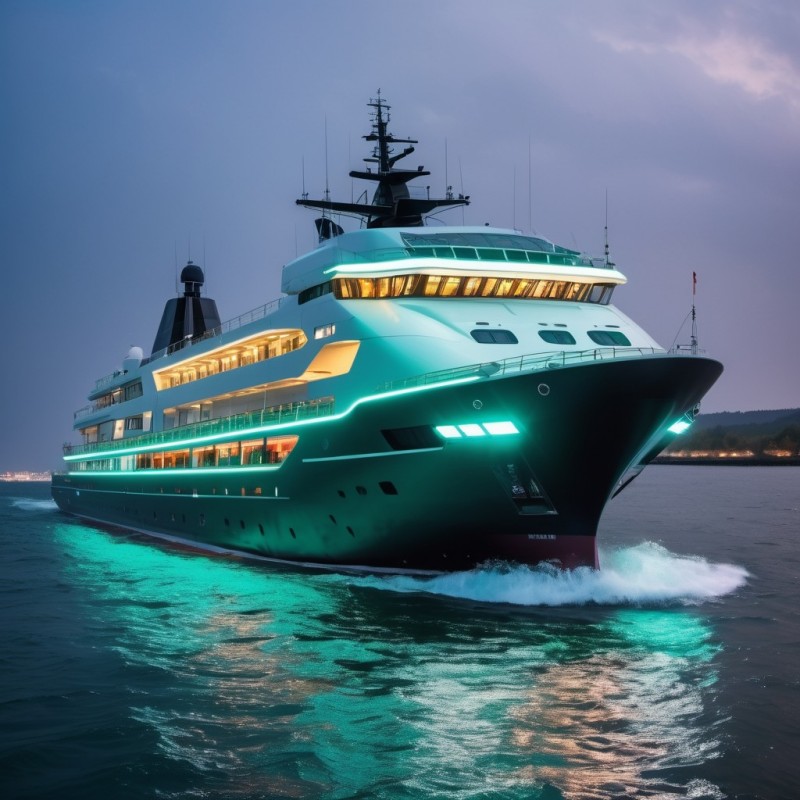
Specific lighting requirements apply to sailing vessels being underway from sunset to sunrise when not propelled by any mechanical means.
Required Lights:
- Port and Starboard Lights (Red and Green): Like all types of vessels, a sailing vessel must display port and starboard lights to show the direction of its movement.
- Masthead Light (White): The display of a white masthead light is required when the sailing vessel is being navigated.
- Sailing Vessels Under Engine Power: If the sailing vessel is maneuvering under engine drive, a additional stern light should be displayed indicating the motor situation.
Power vessels can be erratic just like, a sailing vessel can be incredibly predictable and difficult to guess. With the help of proper lighting, the sailing vessels don’t cause any problems in obstructing the passage of the other boats by their unpredictable movement but rather let the other boats read their intent, and in turn, possibly avoid any collision.
International and National Regulations of Marine Lighting for Nighttime Boating
This chart provides the key international regulations under COLREGs alongside national-specific requirements to ensure safe navigation and visibility for night boating, protecting both vessels and marine life.
| Regulation | Description | Applicable Areas |
| International Regulations for Preventing Collisions at Sea (COLREGs) | A set of guidelines for vessel operation to avoid collisions, including lighting requirements for nighttime boating. | Applies to all vessels operating internationally, ensuring uniformity of lighting systems. |
| Navigation Lights (COLREGs Rule 20) | Specifies the types, colors, and placement of lights on vessels to ensure visibility at night. | All vessels, including sailboats, motorboats, and large ships, must comply with this rule for nighttime navigation. |
| Sidelights and Sternlight (COLREGs) | Requires vessels to display a red light on the port side and a green light on the starboard side, along with a white sternlight. | Ensures that vessels are easily identifiable from a distance during night operations, reducing collision risks. |
| Masthead Lights (COLREGs Rule 21) | Vessels must display a white masthead light visible from a certain distance depending on the vessel’s size. | Required for motorized vessels or vessels with a length of over 50 meters. |
| National Lighting Standards (U.S. Coast Guard Regulations) | Specifies additional lighting requirements under U.S. regulations, including for recreational boats. | U.S. waters, applies to vessels under U.S. jurisdiction or flagged in the U.S. |
| Anchor Light (COLREGs Rule 30) | Requires vessels at anchor to display an all-round white light visible from all directions. | Ensures that anchored vessels are visible to other mariners at night to avoid collisions. |
| Underwater Lights (National Regulations) | Some countries, such as the U.S. and UK, regulate the use of underwater lights to avoid disturbing marine life. | Primarily applies to recreational vessels using underwater lights for aesthetic or functional purposes. |
| Vessel-Specific Lighting (National Regulations) | National laws may define specific lighting for different types of vessels (e.g., fishing boats, ferries, yachts). | Varies by country; specific guidelines may exist for smaller vessels or specialty crafts. |
| Infrared Lighting (U.S. & Other National Regulations) | Infrared lights for night vision on military and some specialized vessels are regulated. | Applies to military vessels or vessels requiring night vision technologies for operations. |
| European Union Recreational Craft Directive | Regulates lighting for recreational boats within EU member states, including visibility and energy-efficiency standards. | Applies to all recreational vessels operating within the European Union. |
| Lighting for Small Vessels (National Regulations) | National regulations often allow more lenient lighting requirements for small, non-motorized vessels like kayaks and canoes. | National-specific, typically applies to small, non-powered vessels for safety purposes. |
Environmental Considerations in Marine Lighting Regulations for Nighttime Boating
Artificial light can severely change the pattern of marine ecosystems, affecting behavior, reproduction, and survival of many aquatic and coastal species. As the seriousness of these impacts has grown more apparent, marine lighting regulations have been elevated into an important and integral environmental chapter of the amendment.
| Environmental Aspect | Key Considerations in Marine Lighting Regulations | Purpose |
| Light Pollution Reduction | Limits on excessive brightness, encouragement of shielded and downward-facing lights, and restriction of unnecessary deck lighting. | Reduces artificial glow over water and prevents disruption of natural night conditions. |
| Protection of Marine Wildlife | Controls on lighting near sensitive habitats such as nesting beaches, coral reefs, and migration routes; restrictions during breeding or spawning seasons. | Prevents disorientation and behavioral disruption in species like sea turtles, fish, and seabirds. |
| Wavelength Sensitivity Management | Encouragement or regulation of specific light colors (often warmer or less disruptive wavelengths) to minimize ecological disturbance. | Reduces impact on species sensitive to blue/white high-intensity lighting. |
| Marine Protected Areas (MPAs) | Stricter lighting rules in designated conservation zones, including reduced intensity or limited operational lighting. | Preserves biodiversity and protects fragile ecosystems from human activity. |
| Energy Efficiency Requirements | Promotion of LED marine lighting and energy-efficient marine fixtures. | Lowers energy consumption while maintaining required visibility for navigation safety. |
| Directional Lighting Control | Requirement for focused beam angles and shielding to prevent horizontal and upward light spill. | Minimizes environmental light spread and maintains natural darkness above and around water. |
| Seasonal Lighting Restrictions | Temporary lighting limitations during critical periods such as nesting, migration, or spawning seasons. | Reduces human disturbance during biologically sensitive timeframes. |
| Balance of Safety and Ecology | Regulations ensure essential navigation lights remain mandatory while minimizing auxiliary lighting use. | Maintains maritime safety without compromising ecosystem health. |
Summary
The regulations of marine lighting for nighttime boating serve as protection for anyone operating the vessel and its environment. By understanding these provisions and acting on them, we best protect the safety and enjoyment of all water users. However, to stick to the laws and promote safety at sea, it is essential, whether for operating a small recreational boat or a large commercial vessels. Carefully read and obey the lighting regulations. Awareness of the rules and enforcement could prevent lots of mishaps and make waterways a lot safer.