How Marine Cabin Lights Perform Under 80°C Engine Room Conditions
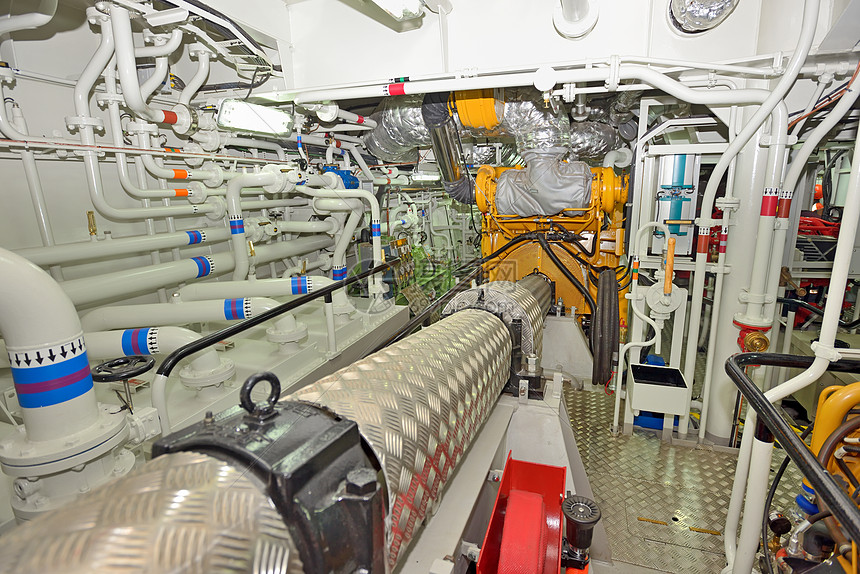
The cabin conditions in the marine environment place very high expectations on the performance of the lighting system for marine use. If ambient temperatures reach 80°C or higher, conventional lighting equipment is often unable to perform correctly. High-performance marine cabin lighting have to maintain steady operation even in these harsh conditions.
As a leading marine lighting company in China, Yushuo optimizes its structure, materials selection as well as LED technologies to guarantee the reliability and efficiency of the cabin light solutions even in extremely hot environments.
Table of Contents
What Does a High-Temperature Engine Compartment Environment Imply?
The cabin environment isn’t only about high temperatures, it’s an extremely complex operating environment with a variety of harsh conditions. In this case, the temperature is usually between 60°C to 90°C and is accompanied by high-frequency mechanical vibrations emitted by the operating equipment, and constant exposure to corrosive salt spray, oil mist and other corrosive materials. Additionally, the confined cabin and the limited air circulation hinder heat dispersal and increase the burden of heat.
In this kind of environment the lights for marine cabins are required to not only offer basic lighting, but have excellent environmental sensitivity and long-term stability.
Key Challenges Marine Cabin Lights Face at High Temperatures
Lighting cabins in marine conditions that are hotter than 80°C can pose numerous challenges that overlap. A high degree of heat, in conjunction with moisture, vibration and airflow issues, can drastically reduce lighting efficiency and extend the life of.
1. Thermal Stress and LED Degradation
Higher temperatures can raise LED junction temperature, resulting in decreased efficiency, higher lumen depreciation and an acceleration of component aging.
2. Driver Reliability Under Heat
LED drivers are extremely susceptible to temperature. Long-term exposure to heat can result in damage to the capacitor or voltage instability. It could also cause even total failure of the fixture.
3. Vibration and Structural Fatigue
The constant vibration of the engine can loosen parts, cause damage to internal connections, and contribute to structural instability that lasts for a long time.
4. Corrosion and Moisture Exposure
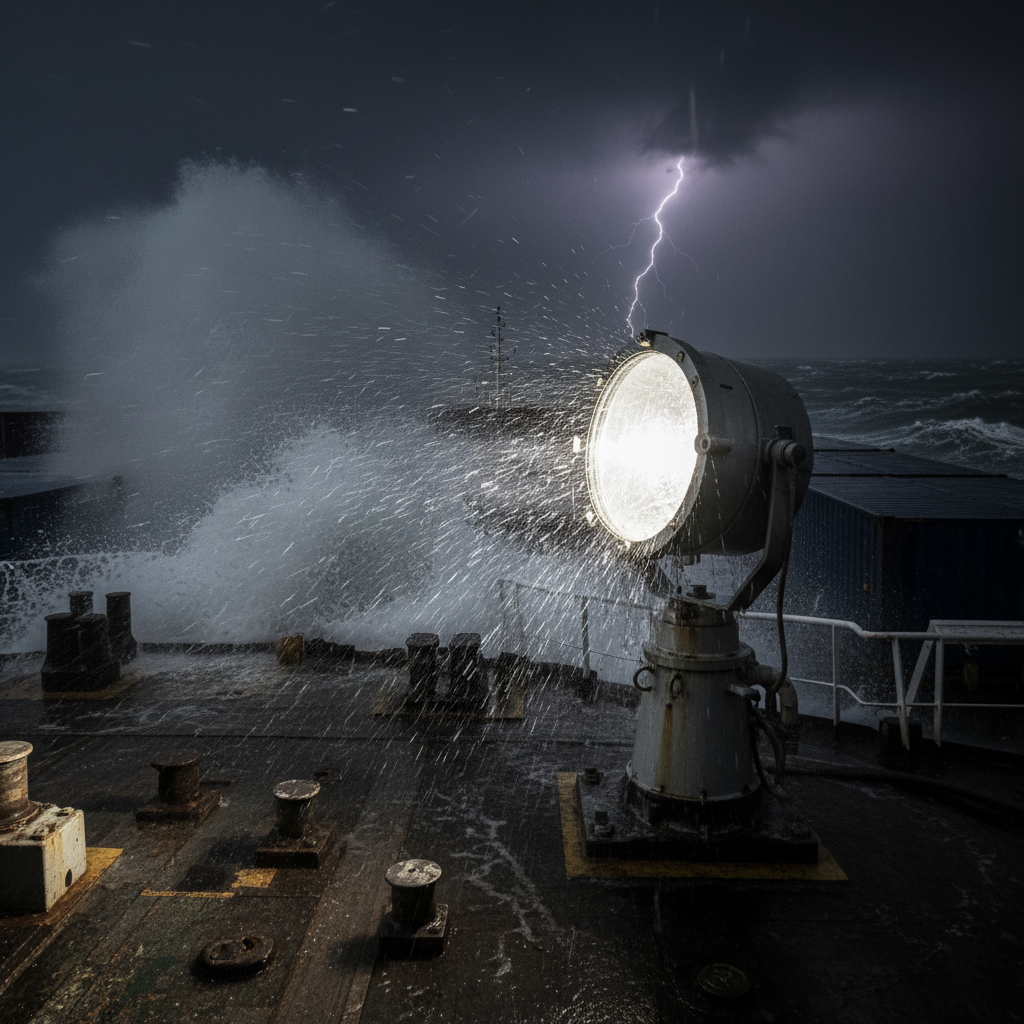
The vapors of fuel, oil mist and salt-laden humidity could damage the integrity of seals and corrode the materials and increase the chance of short circuits and eventual failure.
5. Limited Heat Dissipation
Spaces in the engine room that are constrained restrict airflow, which causes heat buildup and stressing internal components.
Core Advantages of Yushuo Marine Cabin Lights
In response to the high temperatures in conditions, Yushuo optimized its marine cabin lighting system starting at the stage of design, granting it the ability to withstand high temperatures.
LED: Low Heat Generation + High Efficiency
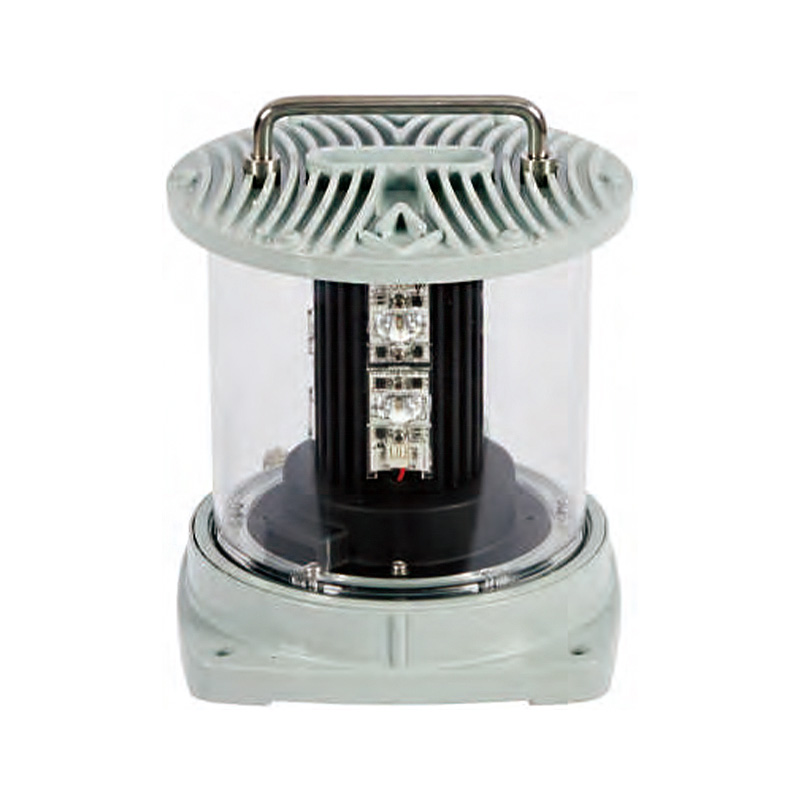
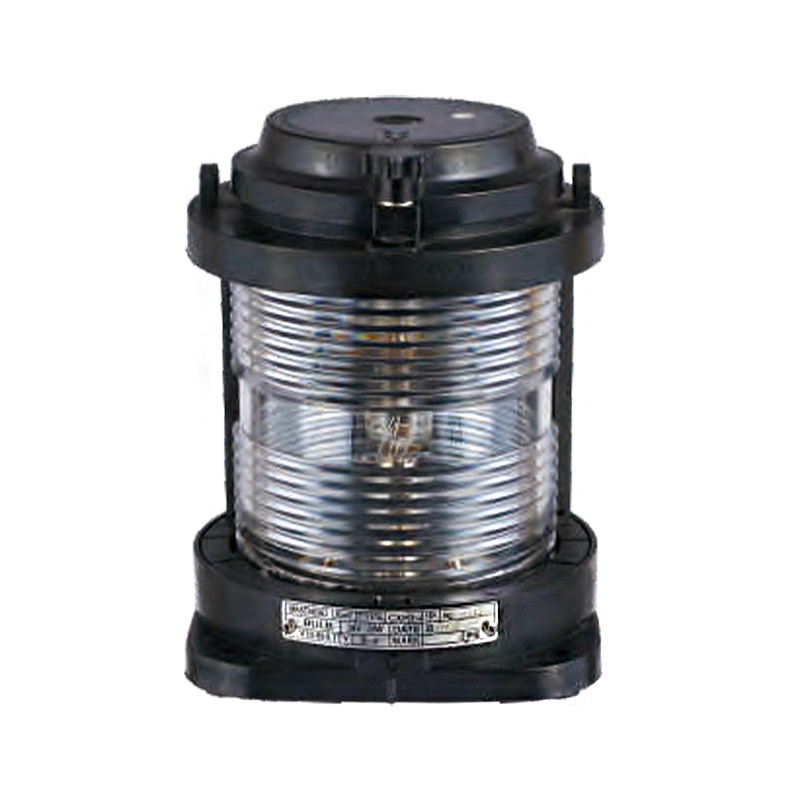
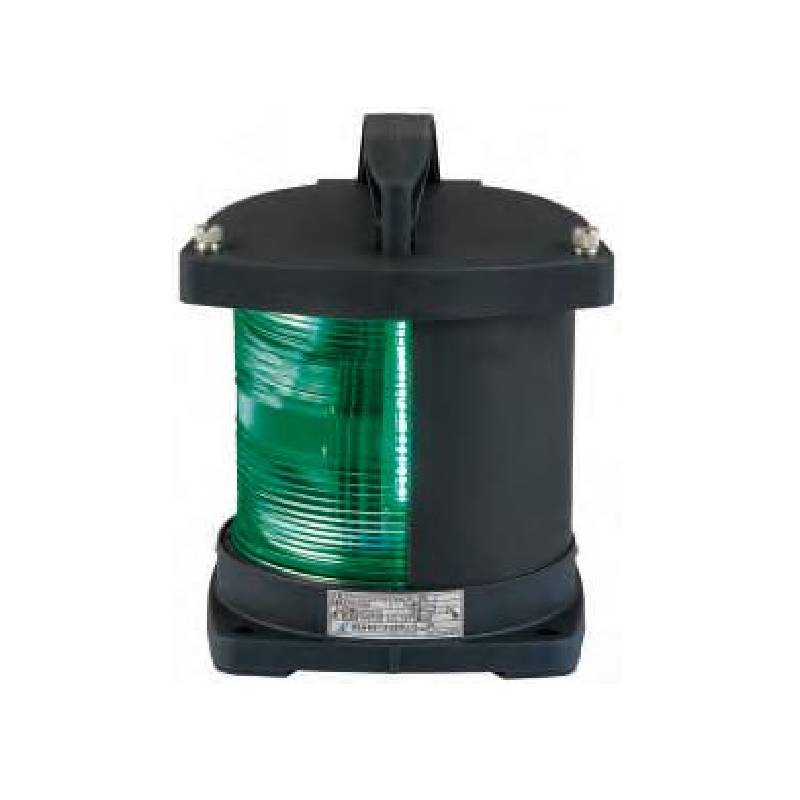
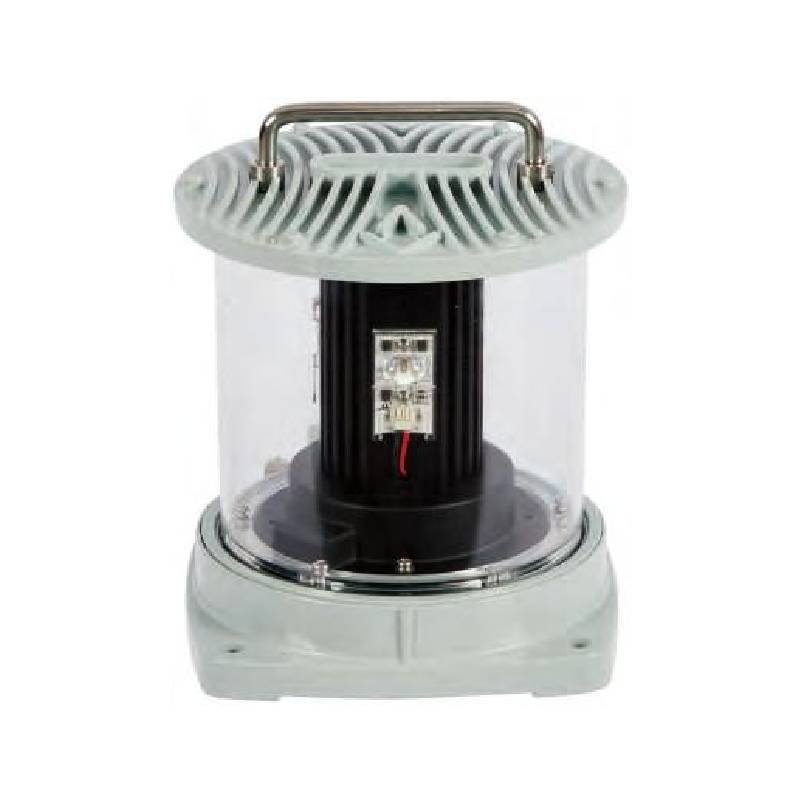
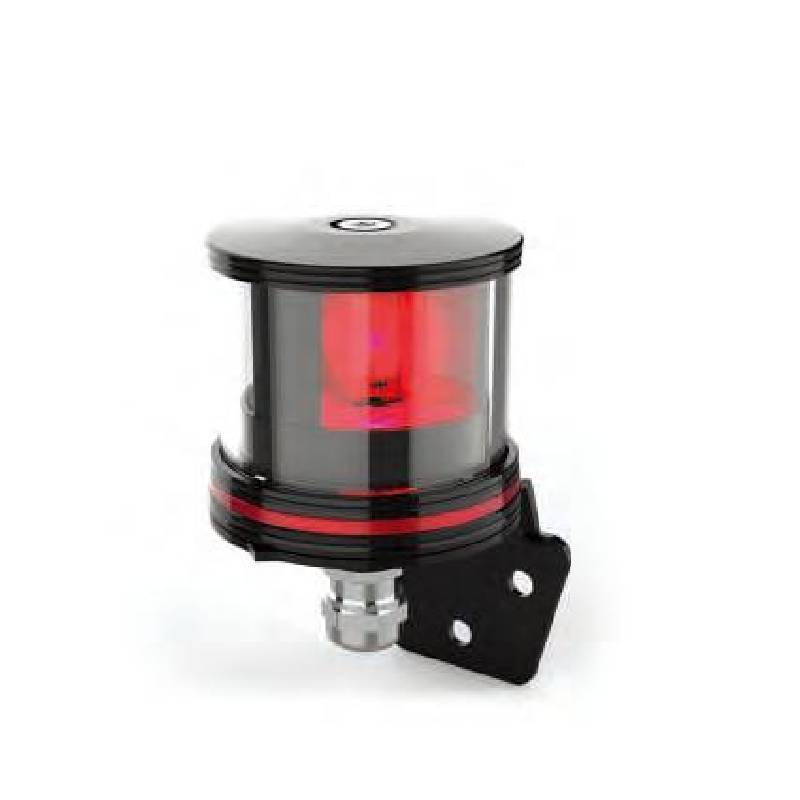
Replace traditional xenon lamps using bulbs made of LED, the lights produce less heat, however they offer higher luminosity and a slower decay. In extreme temperatures they decrease natural heat production, thus prolonging the life of.
.jpg)
Marine-Grade Material Structure
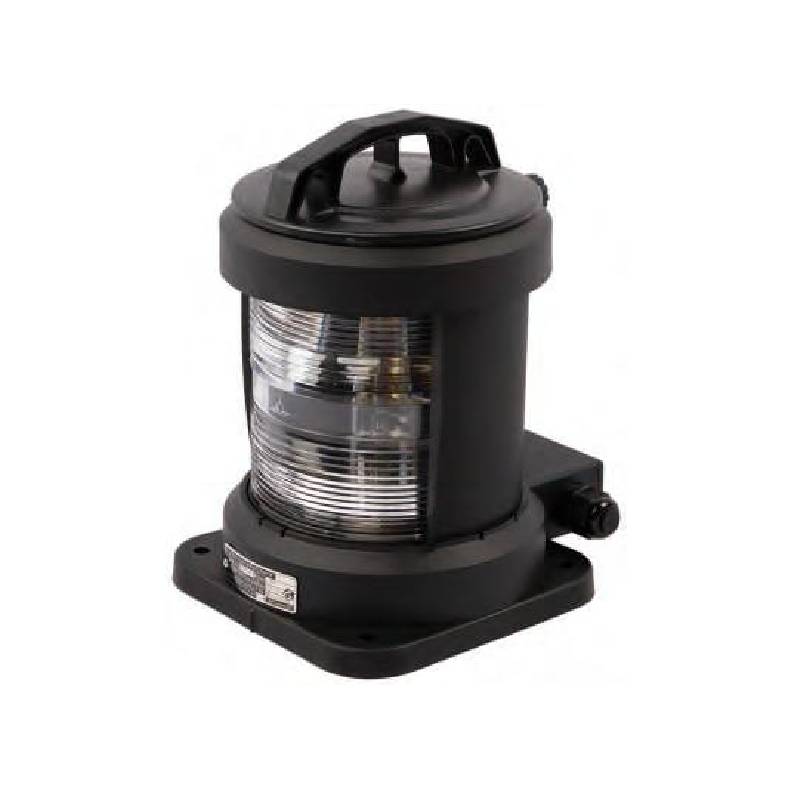
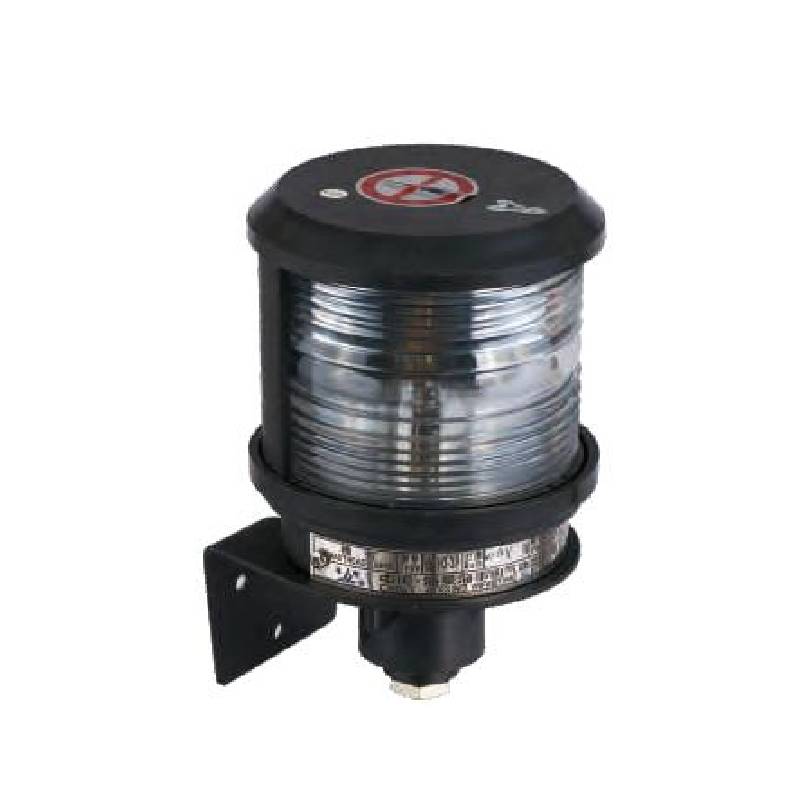
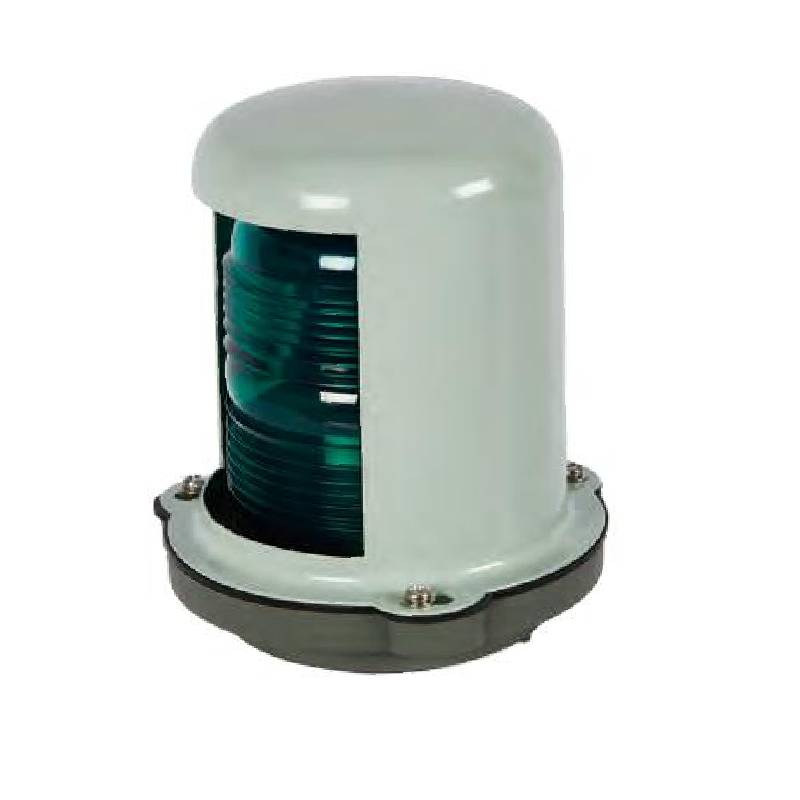
When designing the lamp, Yushuo took into account the corrosion prone nature of the marine environment. He also tried a variety of different materials. Then, he selected marine-grade aluminum alloy for the shell material, and PC engineering plastic for the lamp shade. It is a sealed structure design that can provide the highest temperature conductivity and corrosion as well as resistance to impact.
Long Lifespan and Operational Stability
Yushuo’s LED marine cabin lighting have a lifespan of more than 50,000 hours, ensuring steady lighting even in harsh environments such as high temperatures, vibrations and humidity. The long-lasting advantage allows them to function consistently and reliably in stressful areas like engine rooms, drastically decreasing maintenance frequency and cost of replacement.
Best Practices for Ship Marine Cabin Lights Installation
Installation is as crucial as choosing the right product for lighting for cabins in the marine environment. Even high-quality fixtures can underperform or fail prematurely if installed incorrectly–especially in high-temperature marine environments.
The following best practices can help to ensure the highest level of performance security, safety, and long-term reliability
Avoid Direct Heat Sources
In the vicinity of machines rooms and mechanical machinery, the lighting fixture must be set in a secure distance from equipment. Lighting fixtures for cabins must be placed in areas that have steady temperatures.
The reduction in direct heat exposure prolongs the life of fixtures and ensures the lighting’s performance.
Optimize Ventilation and Heat Dissipation
The cabins of ships and the adjacent areas typically lack ventilation, which may result in heat accumulation. When deciding on the best locations to install lights, spaces that have forced or natural ventilation must be considered. It is best to avoid installing within enclosed areas.
A good ventilation system prevents heat accumulation and also protects internal parts of the lighting system.
Select the Right Fixture Type for Each Area
A separate lighting system should be designed for specific zones. In consideration of the needs of the specific scene ceiling lights are utilized to provide general lighting, as well as recessed downlights to provide even lighting. There should also be task lights to be used for specific work.
The right lighting fixtures will increase the efficiency of lighting and decrease unnecessary heating load.
Ensure Secure and Vibration-Resistant Mounting
When you are navigating the marine environment can be complex. If you are installing lighting devices ocean waves and currents should be considered and mounting brackets should be strengthened, and loose fasteners as well a stable electrical connections should be utilized.
Choosing the right components for mounting and suppliers is essential to avoid mechanical breakdowns and ensure steady operation.
Maintain Proper Sealing and Protection
To stop moisture and other pollutants from entering the lamp and damaging critical components, be sure to inspect all gaskets and seals prior to installation. Avoid damage to the protective coating during the installation.
Plan for Maintenance Accessibility
Once the lighting system of the ship is set up, the maintenance and upkeep needs to be taken into consideration. Do not install it in difficult to reach areas, allow to inspect and replace, and make use of standard lamps in the best way to allow for replacement in the future.
FAQ
Q1: Do standard marine cabin lights function effectively in engine rooms that are heated to 80°C?
A: Generally, standard lighting fixtures aren’t designed to endure prolonged exposure of 80°C. The high temperatures can increase LED degradation along with driver failure, as well as structural fatigue. Only specially designed marine cabin lights equipped with heat resistance, thermal control elements and sealed housings are able to keep their performance stable in these conditions.
Q2: What is it that makes Yushuo Marine cabin lighting appropriate for extreme temperatures?
A: Yushuo is a reputable marine lighting manufacturer produces lights using:
- Housings with advanced heat dissipation technology
- High-temperature-rated LED drivers and components
- Structural elements that resist corrosion and vibration
- Long lifespans exceeding 50,000 hours
These features provide steady lighting, even in high-temperature engine locations.
Q3: How can light fixtures for cabins in the marine area be positioned close to engines?
A: The best practices are:
- Avoid direct contact with exhausts or engines
- Ensure sufficient ventilation
- Using vibration-resistant mounts
- Properly sealing the area to prevent the ingress of oil and moisture
A properly installed system will maximize both longevity and performance.
Q4 What is the longest time the lights in the cabins of ships last under high temperature conditions?
A: Premium marine cabin lights, such as Yushuo’s LED series, will last for more than 50,000 hours, even when subjected to constant high temperatures or vibrations. They can also withstand humidity and humidity. The lifespan of lights is dependent on the quality and the correct installation.
Q5 Do I require a marine lighting manufacturer that is specialized for high-temperature use?
A: Yes. Professional marine lighting companies have the experience, expertise, know-how and certifications (ABS DNV, ABS IMO conformance) to create fixtures that stand up to vibration, heat and harsh marine environments. Commercial lighting that is used in a standard manner can lead to damage to the fixture and high costs for maintenance.
Q6. Do these light sources work in hot areas of a ship?
A: Absolutely. Yushuo Marine cabin lighting can also be used for:
- Control rooms near engine compartments
- The passages that are adjacent to high-heat equipment
- Equipment spaces for auxiliary equipment
They’re built for the totality of environmental protection and not only direct proximity to engines.