Nighttime Boating Safety: 10 Tips to Prevent Ship Navigation Light Accidents
U.S. Coast Guard and maritime safety agencies have released data showing that most ship accidents are due to human error and visibility issues, with nighttime navigation posing particular danger due to reduced visibility, distortions in distance perception and slow reaction times.
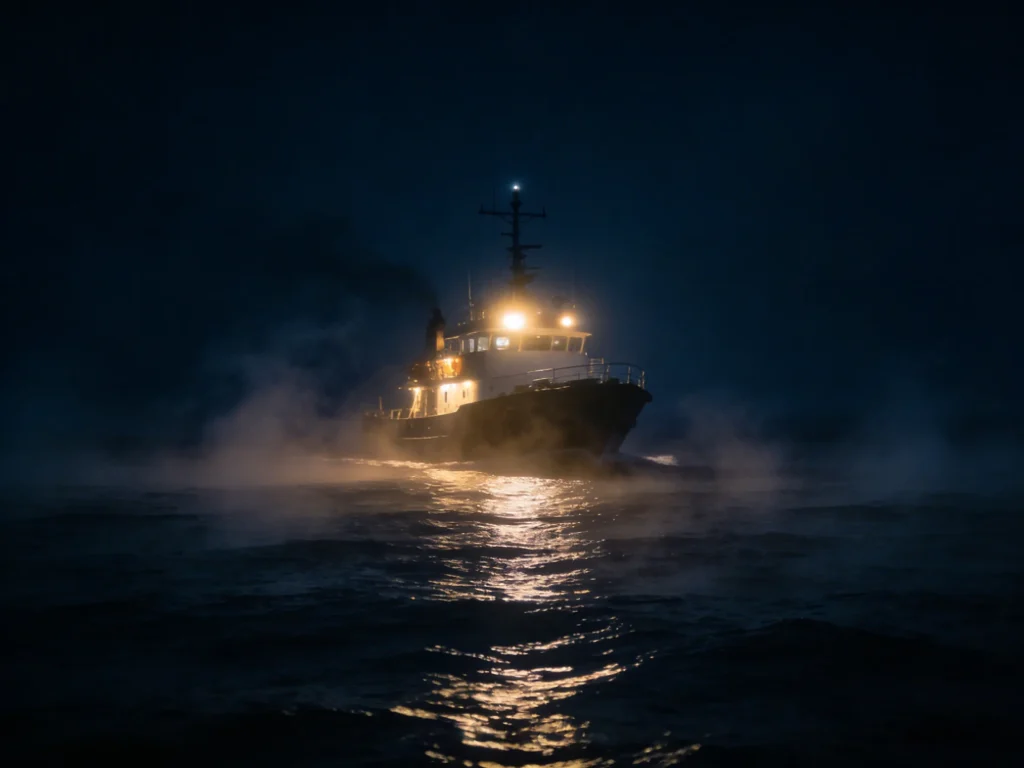
Navigating after dark requires both navigational skills as well as making real-time decisions with limited visual signals.
Table of Contents
What Makes Night Navigation Difficult
Nighttime navigation poses unique risks due to reduced lighting and its surrounding environment, compared with daytime navigation where visual perception is significantly enhanced. Four factors increase risk in nighttime navigation:
Reduced visibility means objects, debris or vessels on the sea surface can only be seen with close proximity; secondly, reduced depth perception makes it hard to accurately judge distances and speeds visually; Thirdly, heavy reliance on ship navigation lights as the primary communication method; and nighttime fatigue leading to reduced alertness reducing reaction time and speed when danger arises.
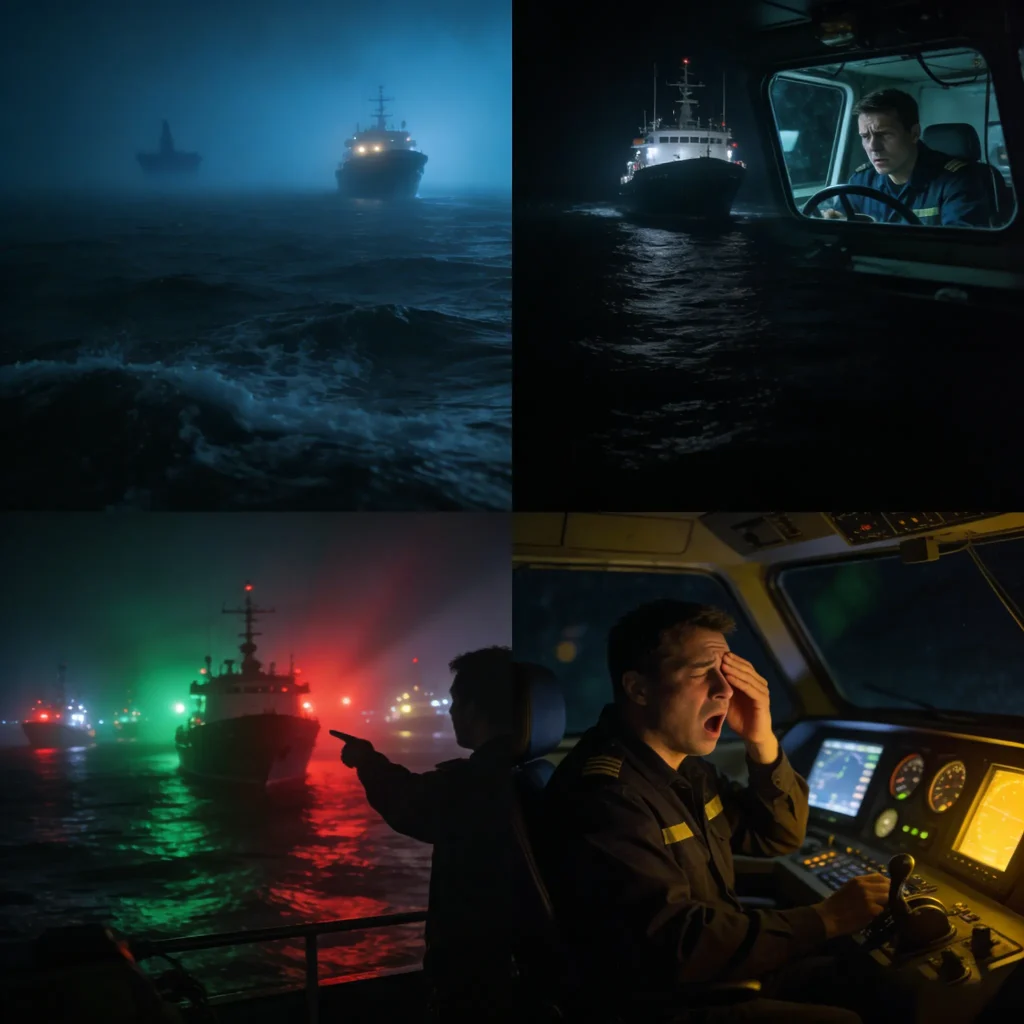
Therefore, even experienced seafarers who are unprepared will struggle with such scenarios.
10 Smart Rules to Consider for Nighttime Boating
1. Always Check Ship Navigation Lights Before Departure
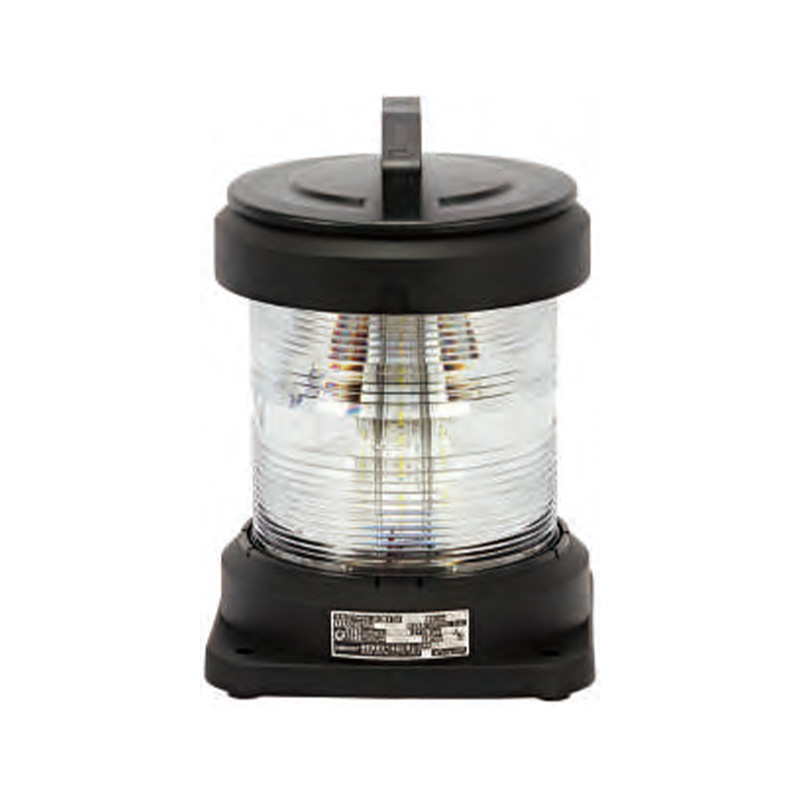
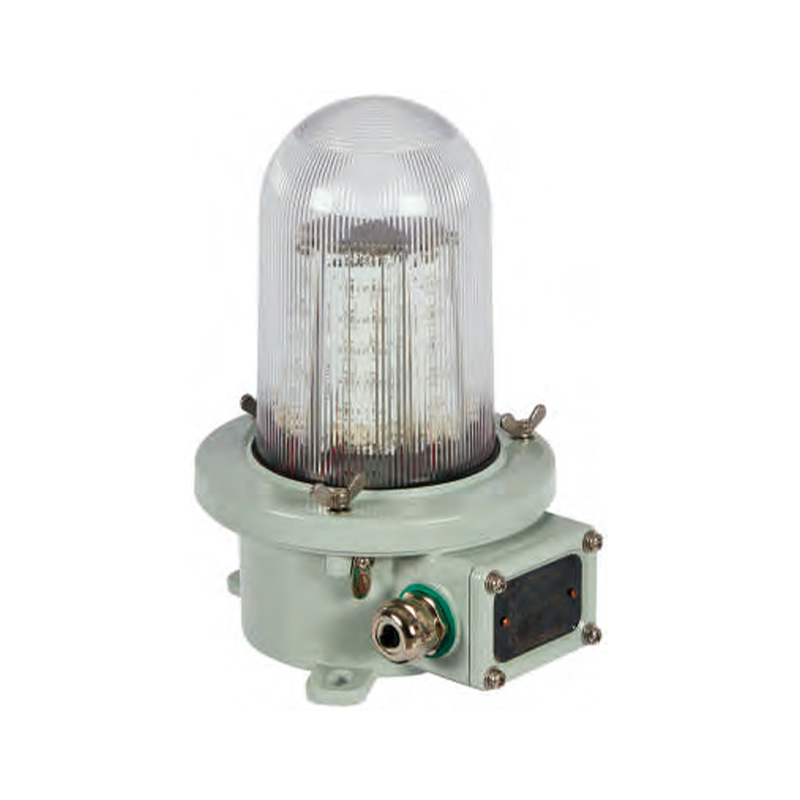
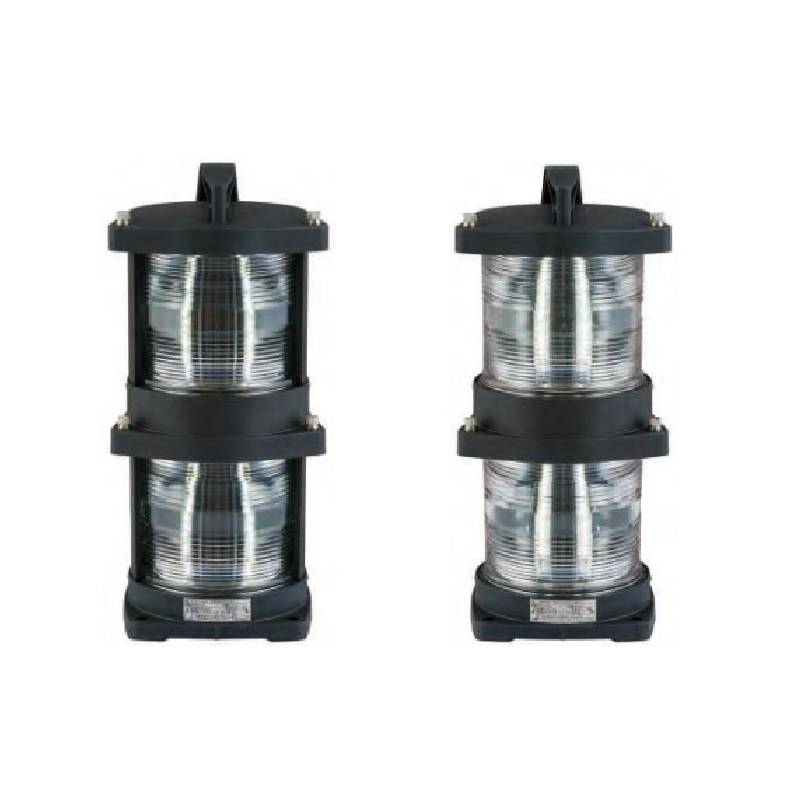
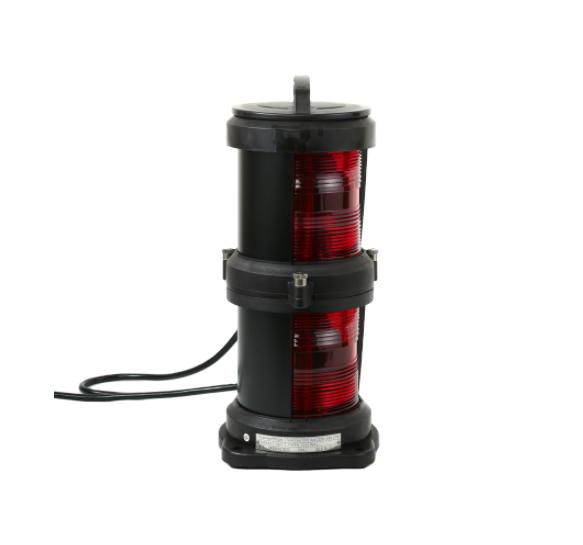
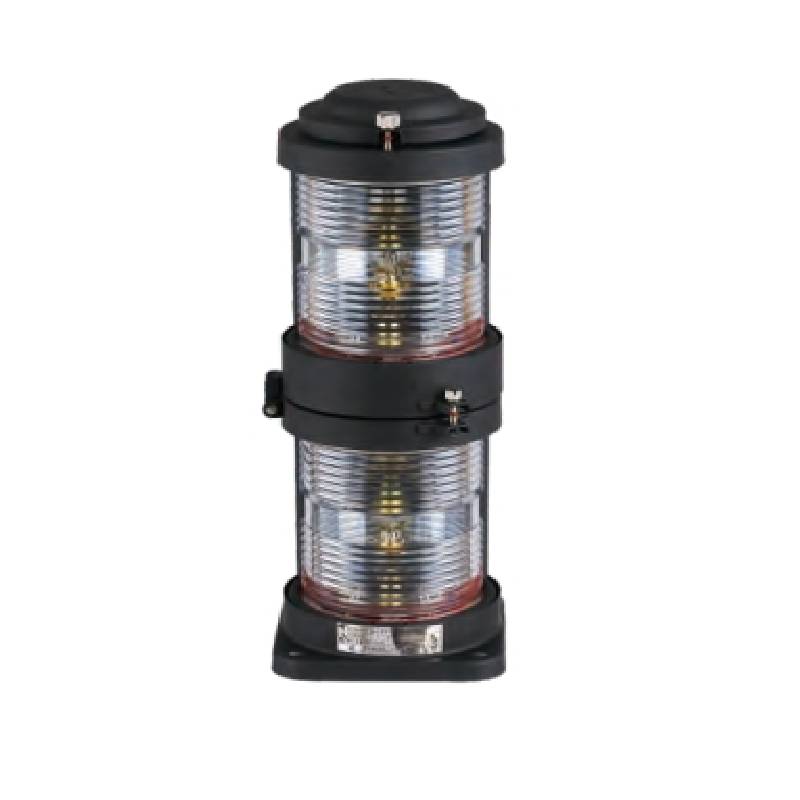
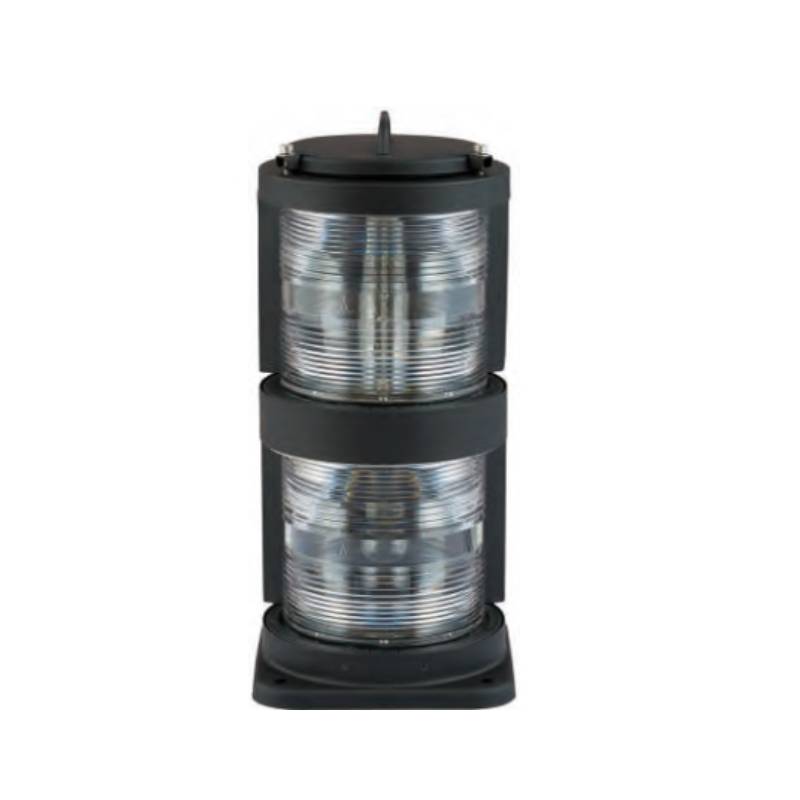
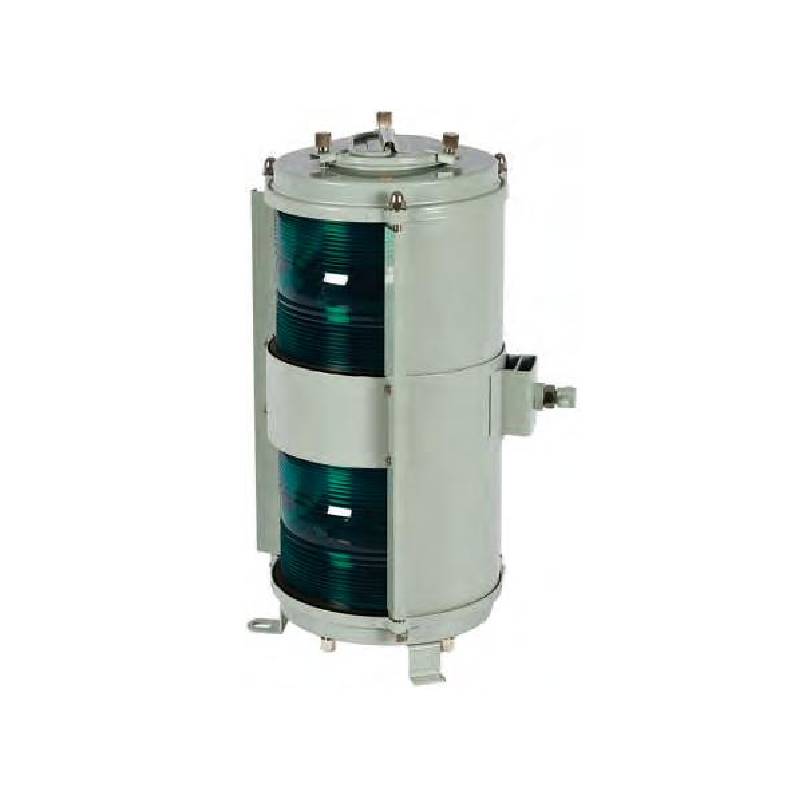
Before departing the dock, please conduct a comprehensive inspection of all ship navigation lights to ensure they are working as they should, with enough brightness for long distance viewing, and unobstructed by equipment or structures. These navigation lights not only meet regulatory requirements; they’re also your primary method of communicating your position and course to other vessels on the water – keeping proper lighting levels ensure no misunderstandings or collisions during nighttime navigation.
2. Reduce Speed—More Than You Think
Operating at night requires significantly reduced speeds compared to daytime boating. Due to reduced visibility, hazards tend to appear later and give operators less time to react or maneuver safely before becoming hazards themselves. Furthermore, stopping distances increase significantly when operating on unfamiliar waters; according to Boating Safety Magazine, excessive speed in low light conditions is one of the primary contributors to nighttime accidents.
3. Keep a Regular Lookout
At night, effective lookout involves more active than passive observation. You should constantly scan your surroundings, listen out for sounds such as approaching engines and interpret the movement and color of distant lights. Enlisting help from another observer may significantly enhance situational awareness on crowded or poorly marked waterways.
4. Avoid Overusing Bright Lights
Although it may seem that bright lights are safe, too much brightness may have negative effects. Bright beams may affect night vision, cause glare on the water surface, and make it harder to distinguish ship navigation lights from other vessels. For optimal safety, it is highly recommended to avoid using forward-facing lighting systems as much as possible and to use navigation lighting systems instead.
5. Understand Navigation Light Signals
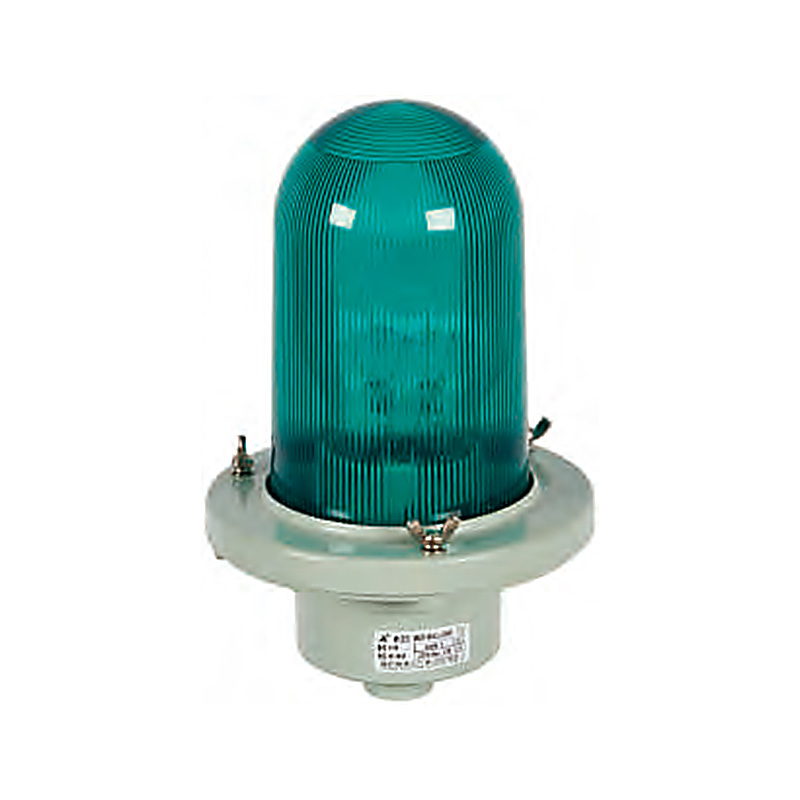
Ship navigation lights serve as a visual language used by vessels to convey their direction and status. Understanding red, green and white lights quickly allows you to determine how another vessel is moving or taking action; misinterpreting signals could result in dangerous assumptions which lead to nighttime collisions according to legal safety analyses by Hornwright.
6. Use Navigation Equipment—But Don’t Rely on It Alone
The use of electronic navigation tools such as GPS, radar, and chart plotters is a useful aid in safe navigation; however, it is not a replacement for direct observation. The reason for this is that sometimes the information provided by the technology is not available or is incomplete in a complex environment. Therefore, it is necessary to use technology along with human judgment while keeping in mind that there is more than what is displayed on the screen.
7. Prepare for Emergencies in Advance
As response times and visibility diminish during night operations, proper preparation is of utmost importance. Reliable communication tools, lifesaving equipment and emergency signaling devices should always be readily available; Boatsetter emphasizes this point as being properly equipped before leaving is vital when operating after dark.
8. File a Float Plan
It would be a good idea to share your plans, route, and schedule with someone on land before you leave, in case something goes wrong; this way, in case of an emergency, rescue teams will be able to locate you faster. A float plan will serve as an extra precaution, which will increase your chances of getting assistance in case of emergency situations.
9. Dress for Night Conditions
The nighttime conditions on the water can become unexpectedly cold and damp even on a pleasant day. Being exposed to wind and moisture increases the risk of hypothermia and diminishes physical performance; however, wearing layers of weather-resistant clothing will help keep you at a body temperature that will keep you alert and responsive on the journey.
10. Stay Sober and Alert
Accurate judgment and rapid reaction times are essential components of safe nighttime navigation, with fatigue and alcohol both impeding your ability to accurately assess situations, interpret signals, and react effectively. Accident reports demonstrate how human factors often play a major role in nighttime incidents – making it essential to stay fully alert and focused when operating vessels after dark.
Pro Tips for Safer Night Navigation
To further improve safety:
- Use red light flashlights to preserve night vision
- Keep cockpit lighting low
- Avoid unfamiliar or congested waterways
- Learn to quickly interpret navigation light patterns
- Regularly clean and maintain light lenses
These small adjustments can significantly reduce risk in real-world conditions.
Conclusion
Nighttime boating demands an entirely different mindset than daytime navigation. Instead of simply operating the vessel, nighttime navigation involves accurately interpreting limited visual data while responding quickly.
Most accidents don’t result from total darkness; rather they happen because of miscommunication, poor judgment and avoidable mistakes.
At sea, and especially after dark, what other vessels see determines their reaction. Ensuring your boat is visible, predictable, and appropriately interpreted are essential ingredients of successful navigation.