How Does A Marine Searchlight Signal Work?
Modern maritime communication systems depend on radio and satellite communications as their primary technology. Ships use traditional searchlight signals for communication in environments where radio transmissions are blocked and their equipment is not working and they must keep silent.

The communication method which uses bright light flashes to send messages has existed for more than one hundred years. The searchlight signal system operates through which mechanism. The searchlight system enables ships to send messages through its operation.
Table of Contents
What is Searchlight Signal?
Searchlight signals serve as maritime signaling which uses high-intensity directional light beams for visual messages. Ships operate searchlights to create short and long light flashes which they use to transmit information that typically uses Morse code for letters numbers and emergency signals.
The United States Navy, in its maritime communications guidelines, states that searchlights achieve rapid flashing encoding through directional beams and deactivation devices which enable receivers to identify the signal content at a considerable distance. The flashing beam searchlight system functions as a maritime signaling system which enables long-distance visual communication through its controlled beam flashing system.
How Does a Marine Searchlight Signal Work?
Searchlight signal communication operates through its method of sending messages which uses predetermined light patterns for transmission. The signal operator uses a strong searchlight to point at either a different ship or a coastal control center while sending coded messages through programmed light flashes that the receiver can decode.
How are Signals Generated?
A signal searchlight produces a high-intensity, directional beam of light. Searchlight operators direct the beam toward their intended target, which can be either a vessel or a shore station, to confirm its visibility.
Searchlights require shutter or quick-switch systems for standard signal transmission. Operators use beam switching to create identifiable signals through their control of the light’s flashing pattern.
The process converts a fixed light beam into a signal that can be controlled to produce flashing lights.
How are The Signals Controlled?
The first step of marine searchlight communication requires the ability to manage light beam patterns. The signal searchlight operators can activate and deactivate the searchlight beam through its shutter or fast switch mechanism.
- Short flash (dot): quickly turning the beam on and off
- Long flash (dash): keeping the beam on for a longer duration
- Pause: separates letters or words
This method converts the light beam into Morse code signals which enable the receiver to decode the message with accuracy from great distances. The direction control system enables operators to direct the beam towards the receiving ship or shore station which guarantees both visibility and accurate transmission.
How are Signals Encoded?
The process first generates a flash of light, which must then be converted into transmittable information. The maritime industry uses Morse code to transmit searchlight signals; this is its standard communication method.
Morse code uses two basic signals to represent information:
- Short flashes (dots)
- Long flashes (dashes)
Different combinations of short and long flashes represent different letters, numbers, or commands.
For example, the most common distress signal, SOS, has the following Morse code:
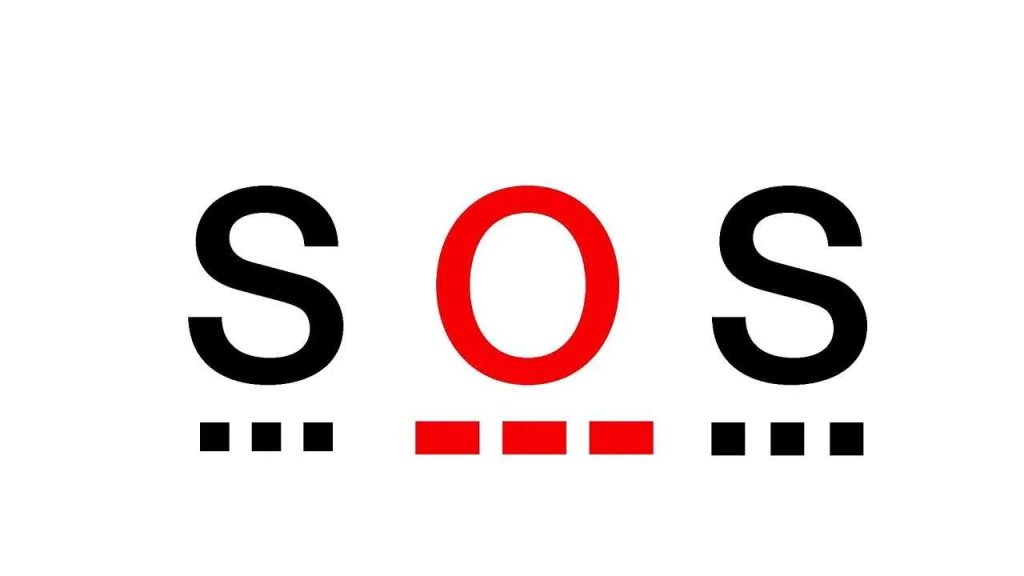
In searchlight signals, this means:
- Three short flashes
- Three long flashes
- Three short flashes
In this way, simple flashes of light can convey a complete message.
How are Signals Received and Interpreted?
The sender must first send a flashing signal which the receiver must then watch and decode.
The operators stationed at receiving ship and shore station observe the searchlight’s flashing rhythm through direct vision or optical equipment and they use a Morse code table to transform these flashes into their matching letters and numbers.
The bright searchlight signals combined with their particular directional beam characteristics enable observers to detect these flashing signals from several kilometers away when weather conditions are clear.
The receiver achieves complete visual communication after he finishes decoding which enables him to understand all information that the sender transmitted. The working principle of a searchlight signal is actually a simple and efficient communication process.
The searchlight system enables ships to establish dependable visual communication over extended distances when all radio contact becomes impossible.
Key Equipment for Searchlight Signal Communication
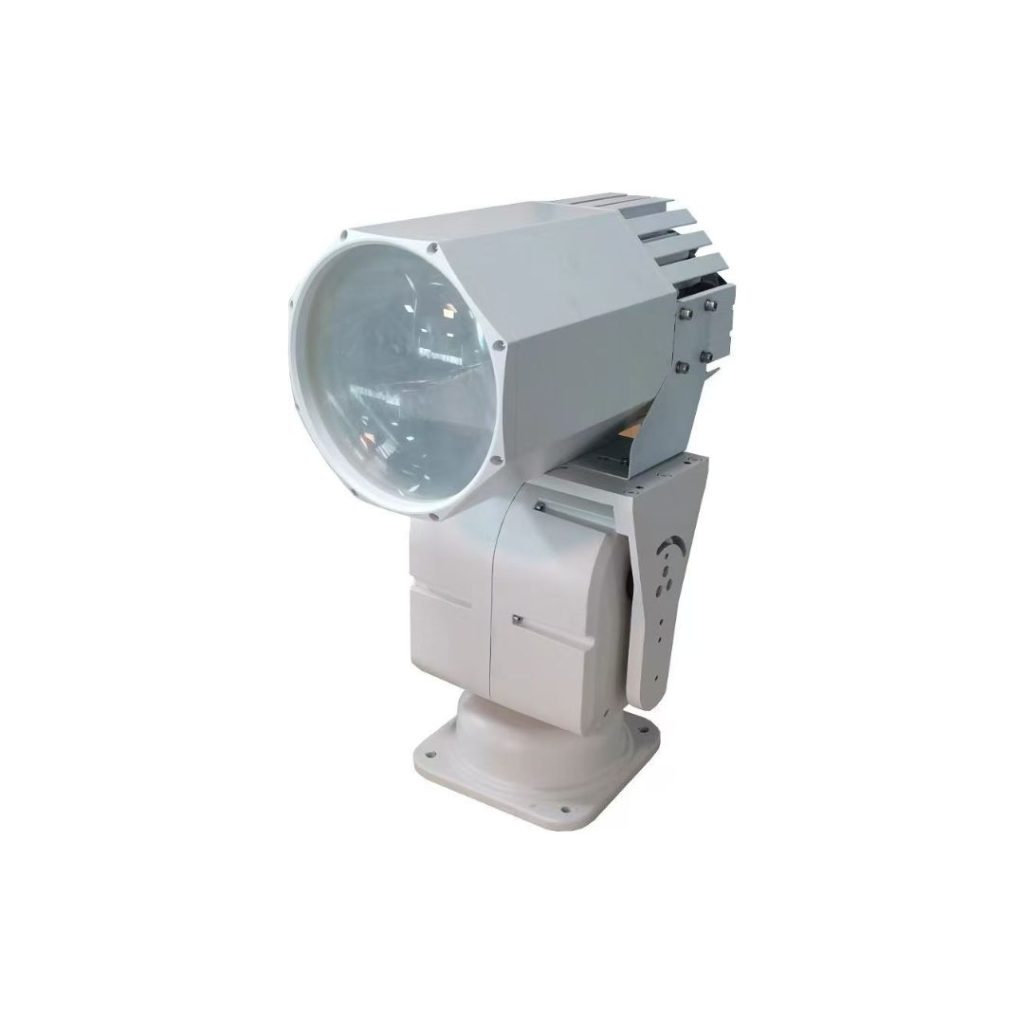
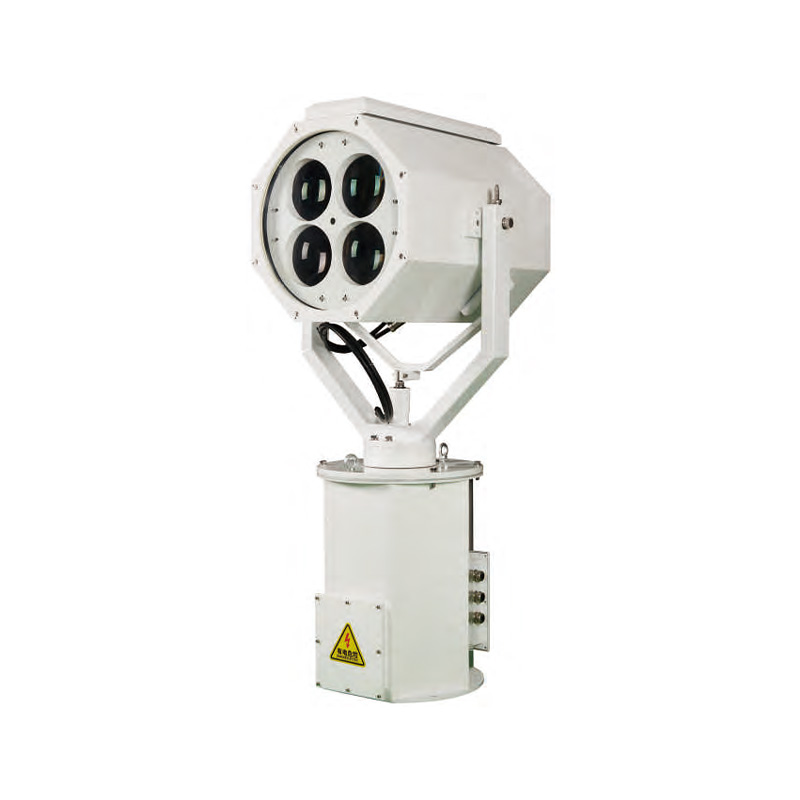
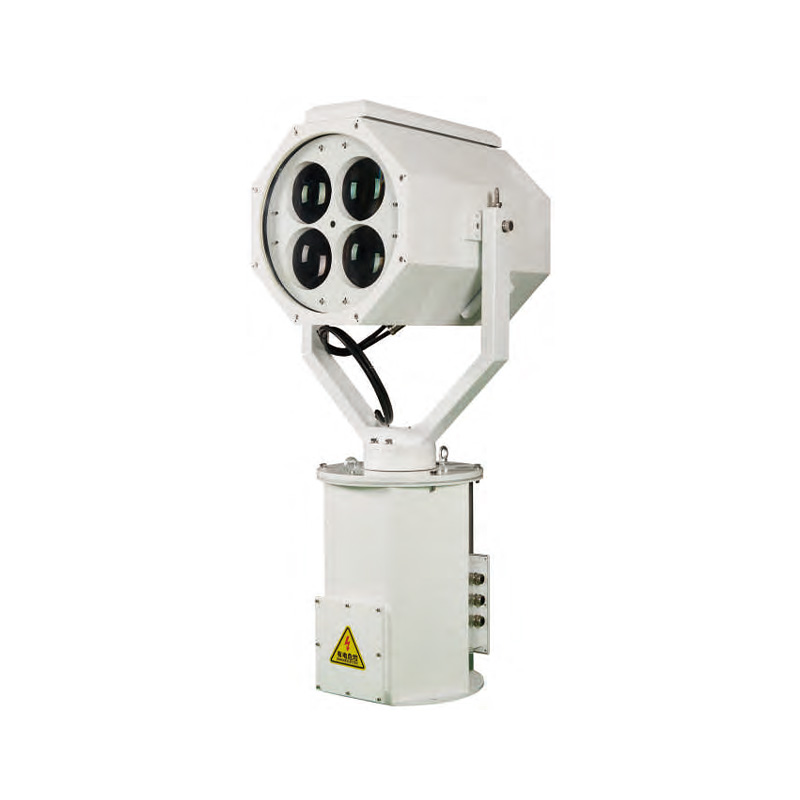
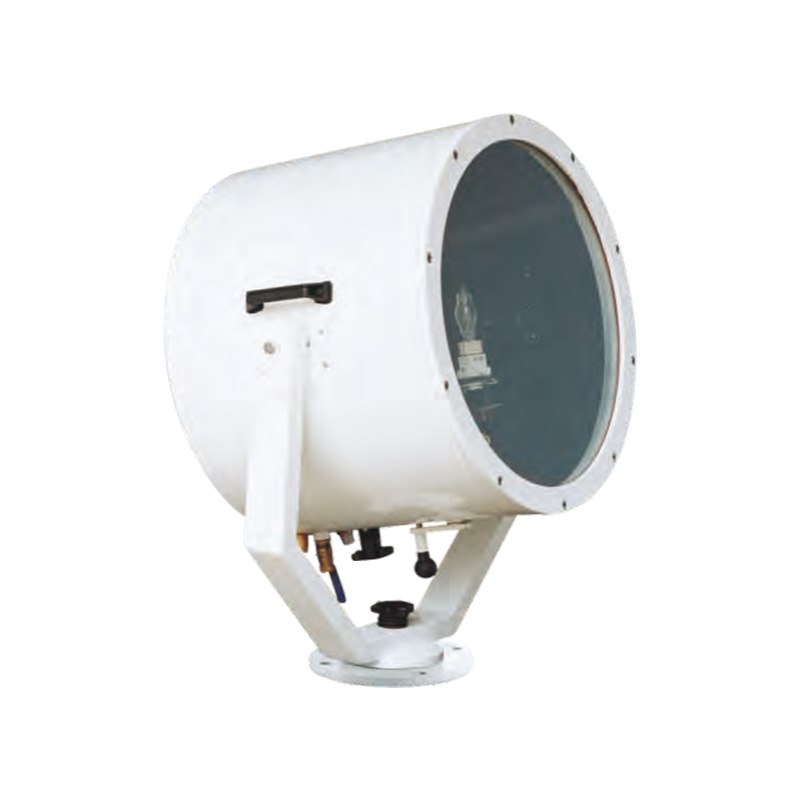
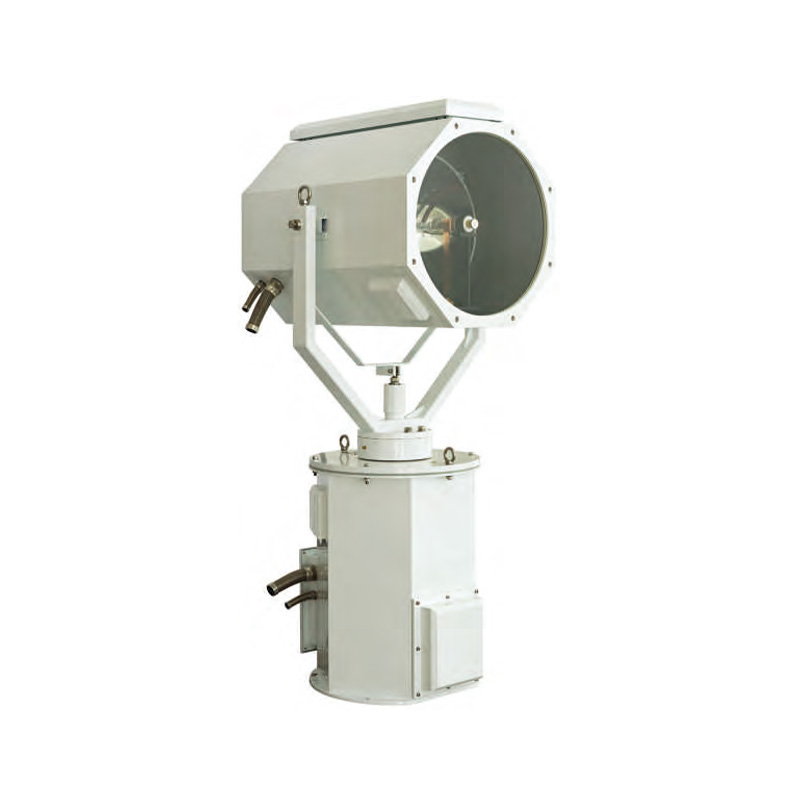
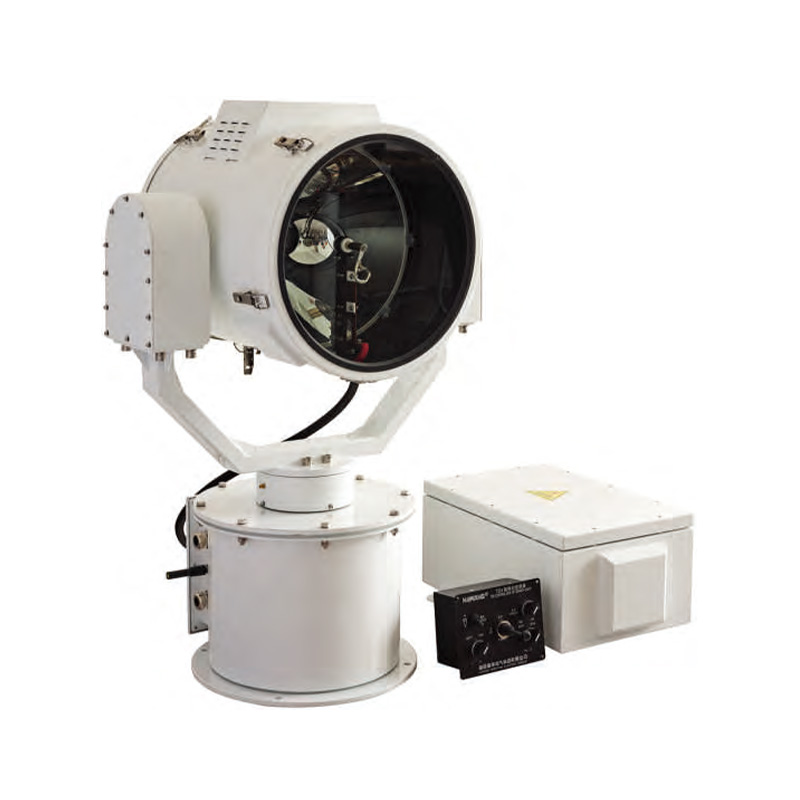
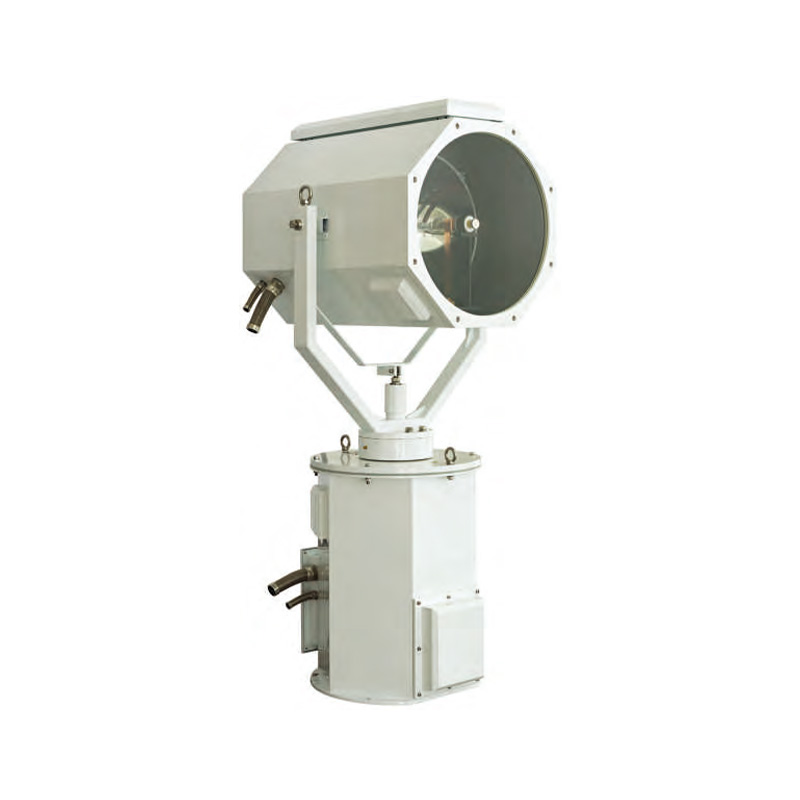
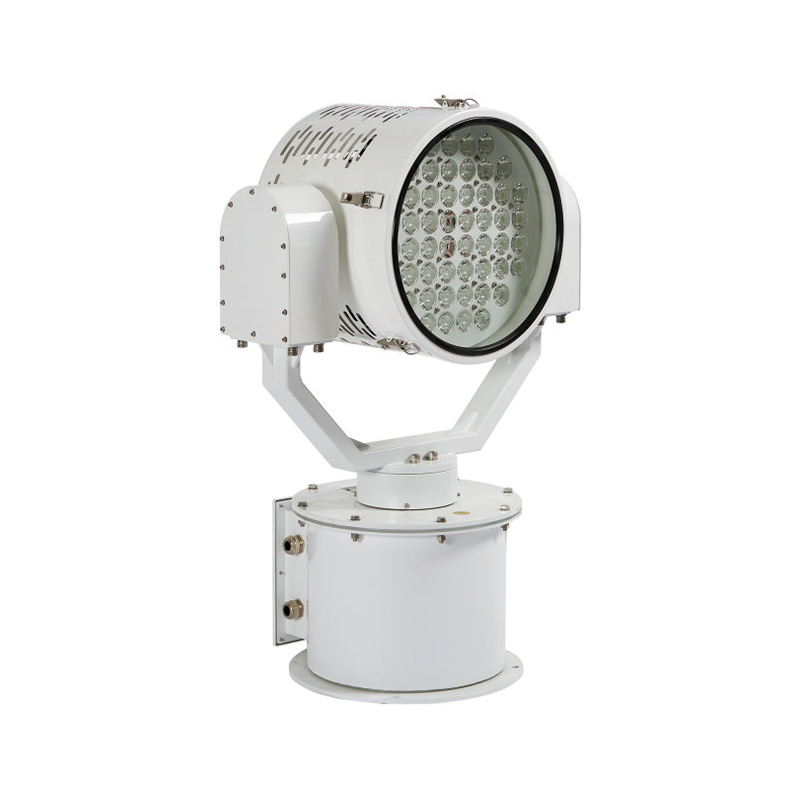
To achieve stable and reliable optical signal communication, ships typically use specially designed signal searchlights. These devices usually include the following core components:
| System | Description | Function / Feature |
| Light Source System | The searchlight typically uses high-intensity LEDs or traditional halogen lamps | Produces a powerful beam, ensuring visibility over long distances |
| Optical System | Mirrors and lenses inside the searchlight focus the light into a narrow beam | Increases signal visibility and directs the light precisely |
| Signal Control Device | Equipped with a shutter or fast switch mechanism | Allows operators to quickly turn the beam on and off, creating short and long flashes for signaling |
| Direction Control System | The searchlight is mounted on a rotatable base | Enables precise aiming at receiving ships or shore stations for directional communication |
FAQ
- What is a searchlight signal used for on ships?
Used for visual communication between ships or ship-to-shore, especially when radio is unavailable or restricted.
2. How does a searchlight signal work with Morse code?
By creating short and long flashes that represent dots and dashes, which the receiver decodes into letters and numbers.
3. Can searchlight signals be used for SOS?
Yes. SOS signals are transmitted as three short, three long, three short flashes, universally recognized for emergencies.
4. Do modern ships still use searchlight signals?
Yes. They are a backup communication method for emergencies or radio silence situations.
5. How far can a searchlight signal be seen?
Depends on light power and visibility, but high-intensity marine signal lamps can be seen several miles away.