LED vs. Xenon Marine Searchlights: Choosing the Right Solution for Your Vessels
Your choice in searchlights can make a big difference when in coastal waters, carrying out an offshore task, or modifying a pleasure craft as far as safety, visibility, and overall performance is concerned. Of the two major technologies used in marine searchlights today are LED (Light-Emitting Diode) and Xenon. While these two have proved reliable over time, they vary from each other in such well-pronounced ways as efficiency, brightness, longevity, durability, and long-term costs of operation.
Table of Contents
Understanding LED Marine Searchlights
Technology Overview
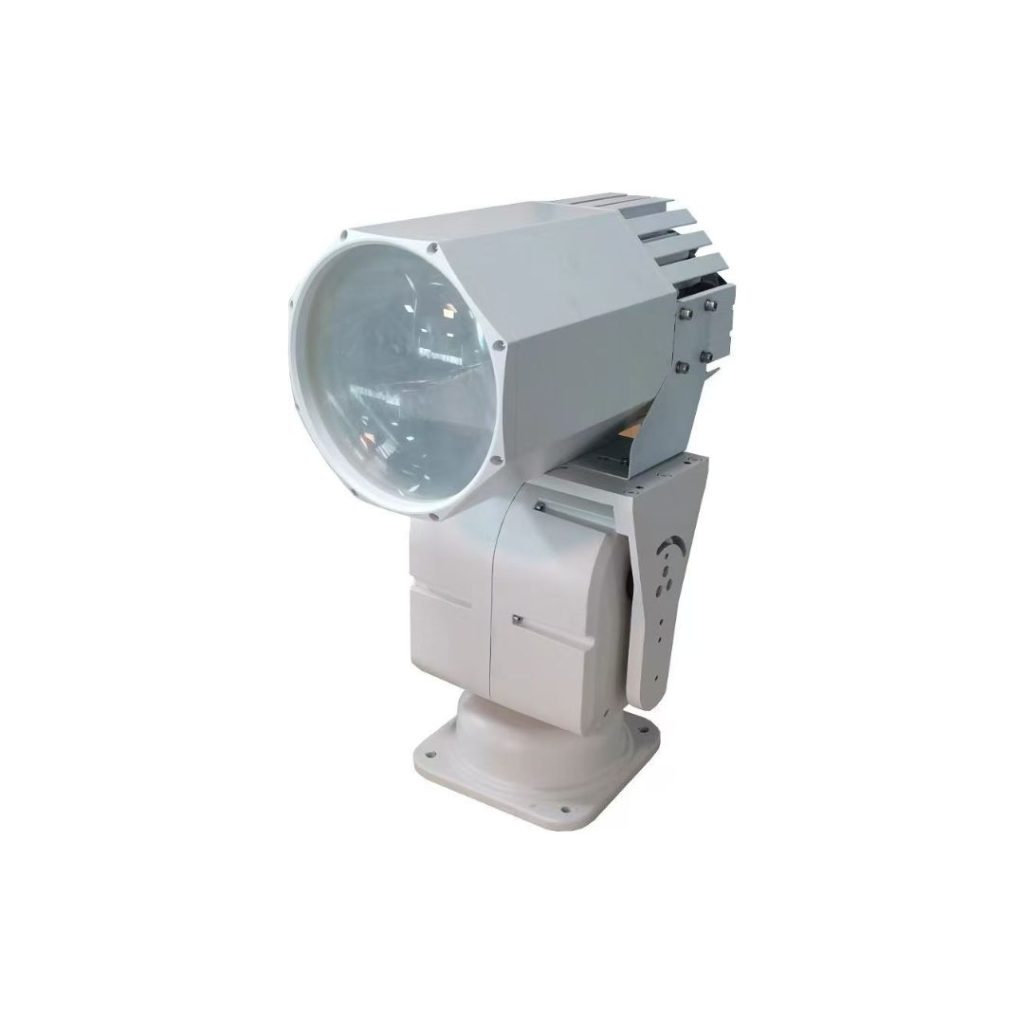
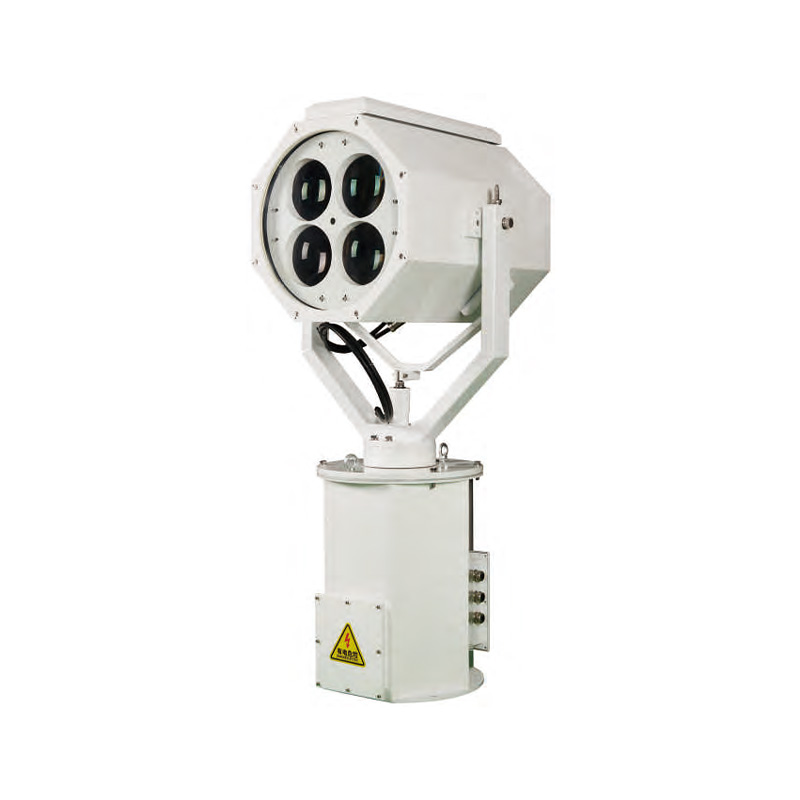
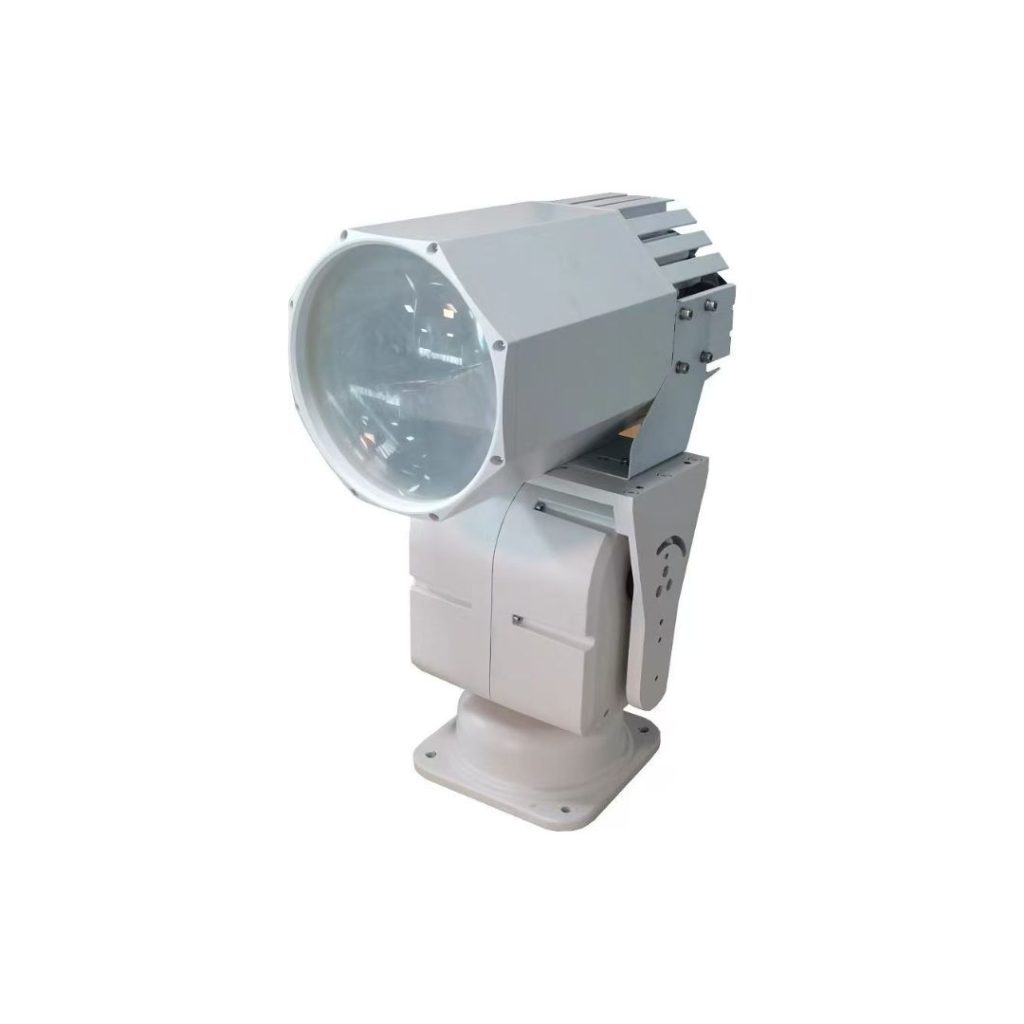
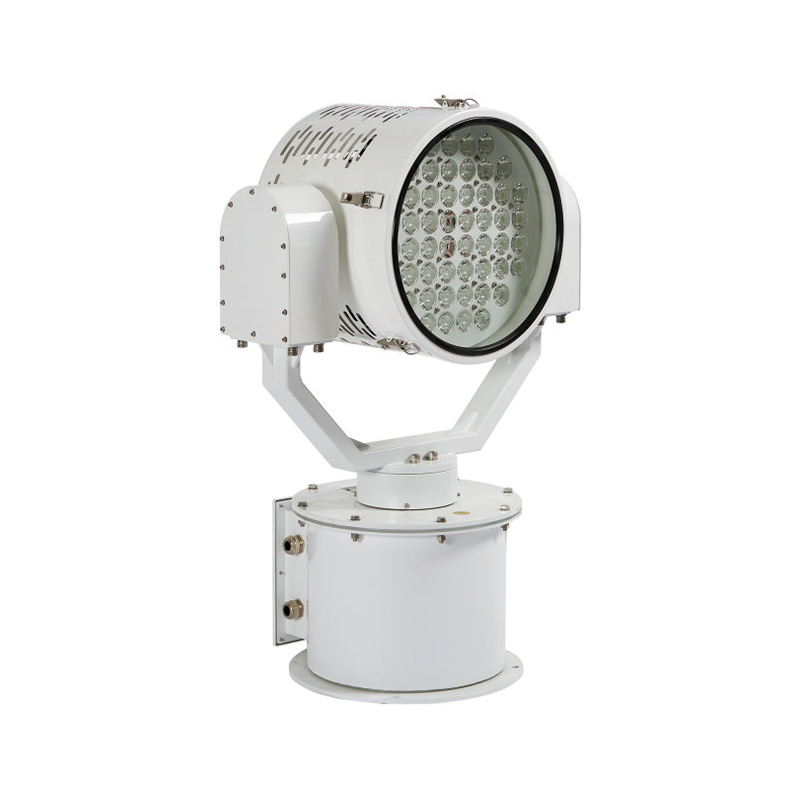
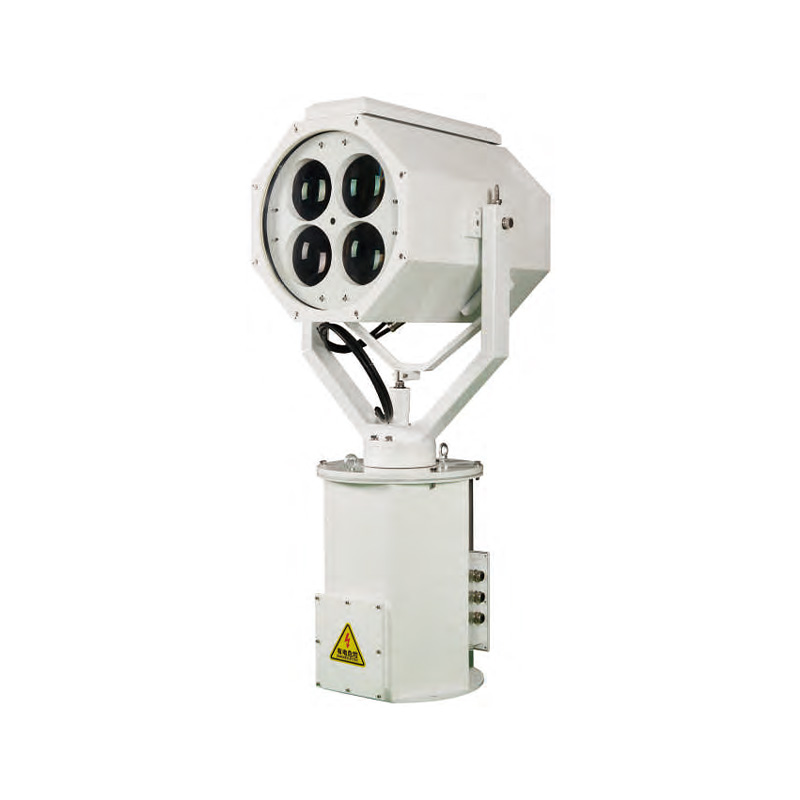
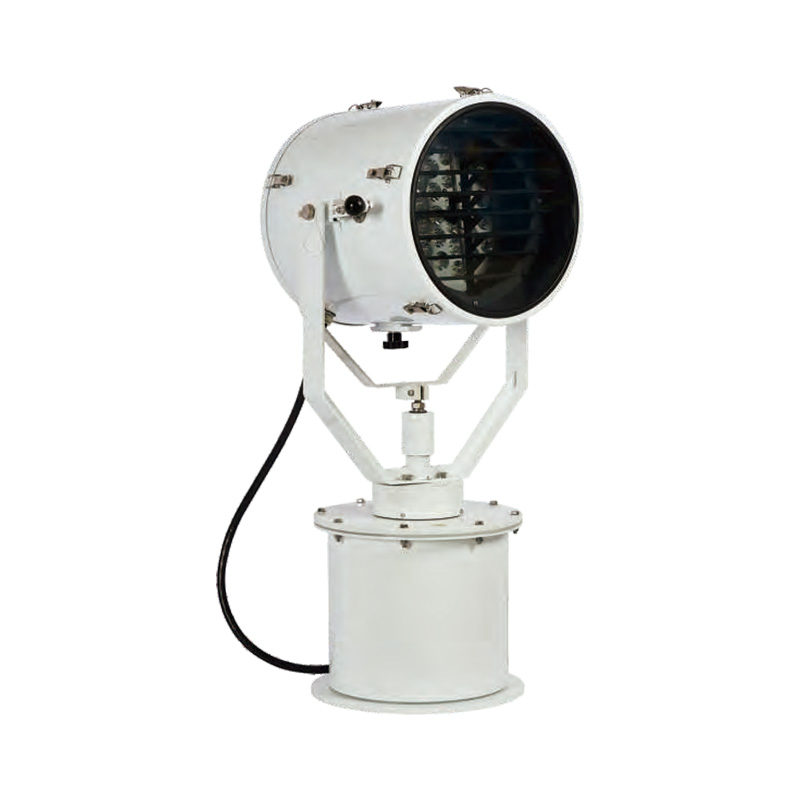
LED searchlights use utilizes semiconductor diodes that glow through the emission of light when there is an electrical current passage activated to circulate from these diodes. Advanced optics, thermal management, and waterproof coating should endure the severe marine environmental conditions of marine LED lighting systems.
Pros
- Extremely efficient with little power usage
- Lasts a long time (usually 30000-50000 hours)
- On/off operation works instantaneously without any warming process
- Generates minimal heat
- Resistant to external shock and vibration
- Requires minimal maintenance
Cons
- More expensive to install than the ordinary technology
- The beam intensity found on lower-end models might not be sufficient for the powerful xenon systems
- Thermal management for high-output and compact designs is required
Applications
- Vessels embodying commercial applications with many operating hours
- Yachts and pleasure boats
- Patrol and other coastguard ships
- Offshore platforms
- Ships having energy constraints on power requirements
Understanding Xenon Marine Searchlights
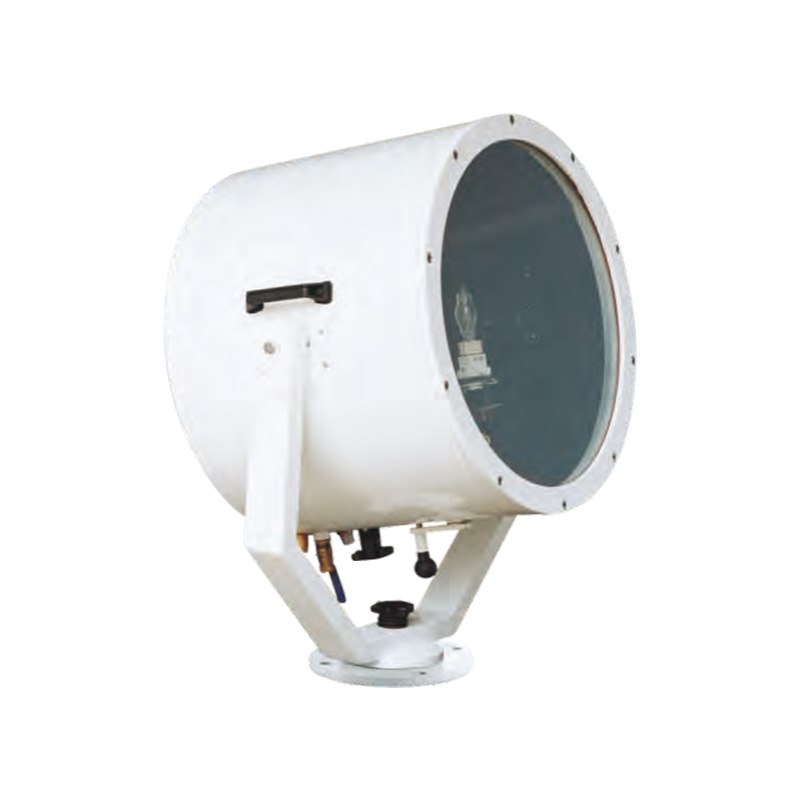
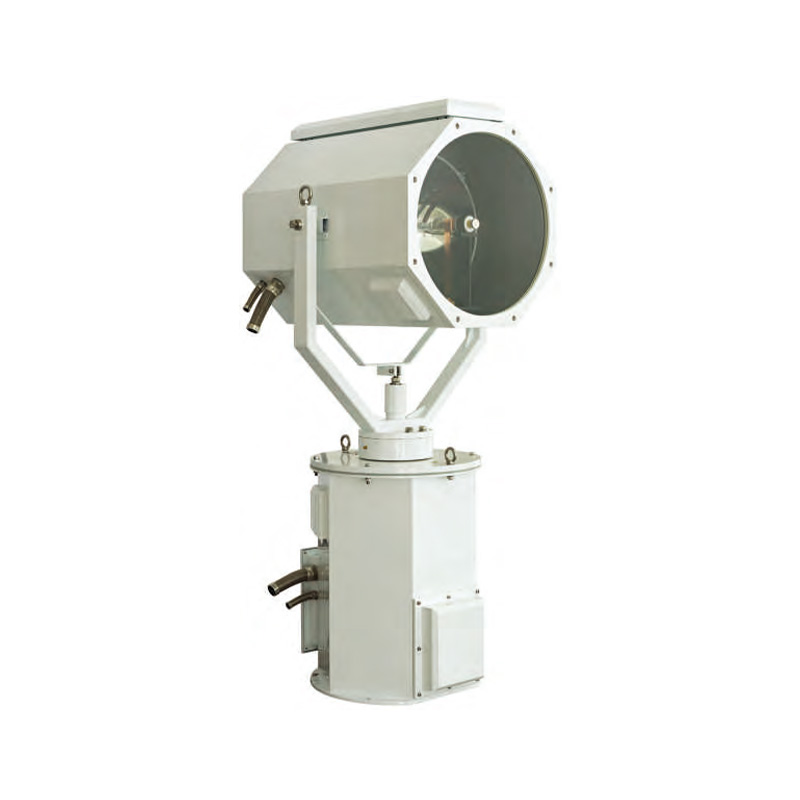
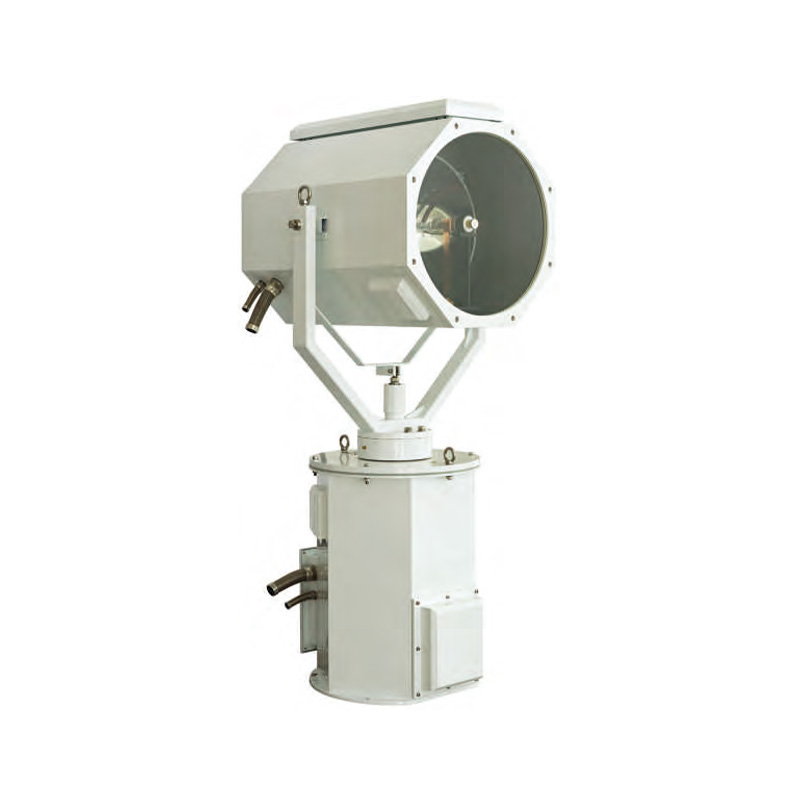
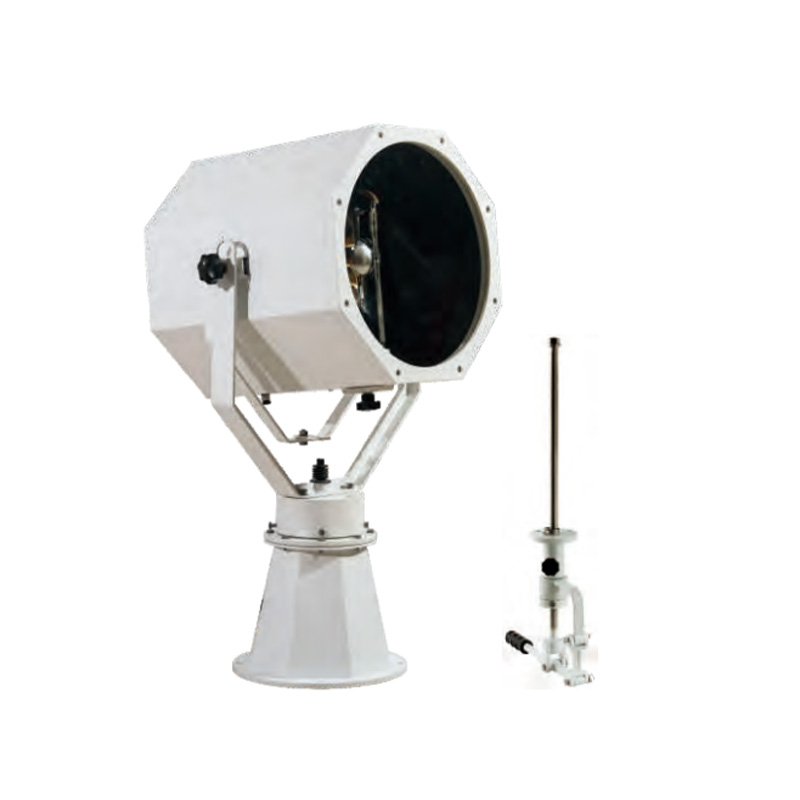
Xenon searchlights create vivid and bright white light using an arc between ionized xenon gas. For a number of years, this technology has been the go-to means for high-intensity marine illumination at range.
Advantages
- No extra luminous intensity is left out
- Projection of the beam over long directions
- Color rendering that is significantly close to natural daylight
- Has excellent capability to penetrate fog and mist, depending on specific conditions
Limitations
- The short lifespan of the bulb, typically lasting between 1000 and 3000 hours
- High power consumption
- High heat-generating process
- Frequent replacement of bulbs
- Ripplability and vibration friendly
Usage Scenarios
- The most effective in search and rescue operations
- For naval and military applications
- Spotting on long ranges
- High-intensity offshore operations
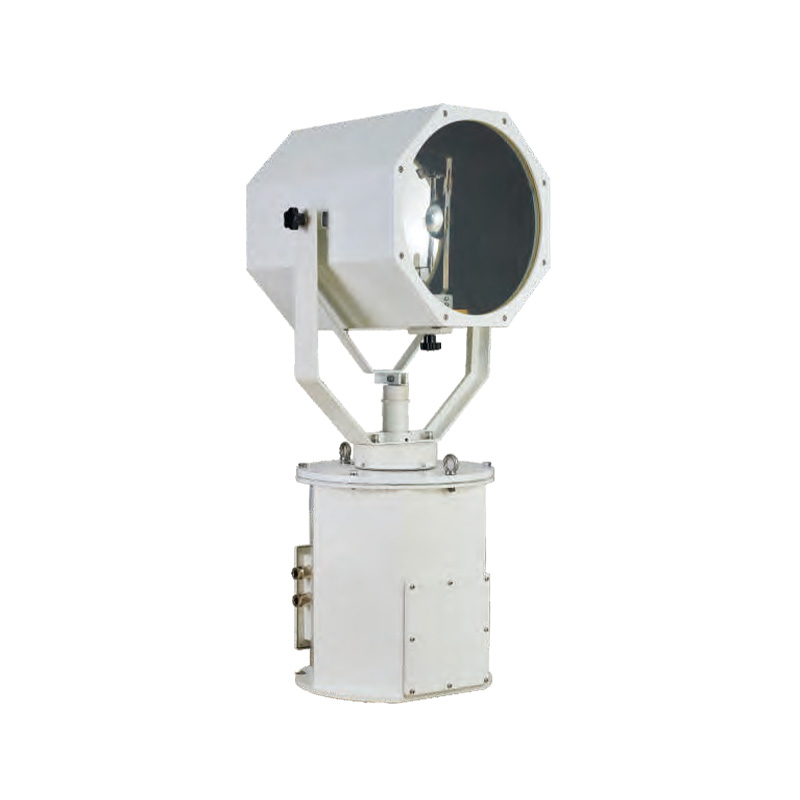
The Comparison Between LED and Xenon Marine Searchlights
| Comparison Factor | LED Marine Searchlights | Xenon Marine Searchlights |
| Light Generation Principle | Semiconductor-based light emission (solid-state technology) | Arc discharge through ionized xenon gas |
| Brightness (Lumen Output) | High (modern high-power LEDs can rival xenon) | Very high, traditionally known for extreme intensity |
| Beam Distance | Long-range with advanced optics; adjustable beam options available | Excellent long-range projection with concentrated beam |
| Energy Efficiency | Very high; low power consumption | Moderate to low; high power draw |
| Power Requirements | Suitable for vessels with limited electrical capacity | Requires stronger electrical systems |
| Lifespan | 30000–50000+ hours | 1000–3000 hours (bulb dependent) |
| Maintenance | Minimal; rarely requires light source replacement | Regular bulb replacement required |
| Heat Generation | Low heat output | High heat output; may require cooling systems |
| Shock and Vibration Resistance | Excellent (solid-state design) | Moderate; bulb more sensitive to vibration |
| Warm-Up Time | Instant on/off | May require short warm-up time |
| Initial Cost | Higher upfront investment | Moderate initial cost |
| Long-Term Operating Cost | Low due to energy savings and long lifespan | Higher due to bulb replacement and energy use |
| Environmental Suitability | Ideal for harsh marine environments | Suitable but bulb fragility is a concern |
| Typical Applications | Commercial vessels, yachts, patrol boats, offshore platforms | Search and rescue, naval vessels, long-range spotting |
Key Factors to Consider for Choosing Between LED and xenon Marine Searchlights
1. Operational Requirements and Mission Profile
The first consideration would be the purpose for which the searchlight would be employed. General-purpose vessels frequently requiring extensive surveillance such as long duration vocations, offshore pursuits, or commercial maritime endeavors often employ lighting systems that work all the time drawing power without any hard strain on the ship’s power system. In these cases, the LED marine searchlights would take precedence on the basis of their high efficiency in power and practically lower electric current.
Whereas operations demanding extreme visibility, such as search and rescue at sea or surveillance for the navy, might still prefer xenon. History tells us that xenon lights have always been a good thing for making intensely bright and focused beams, capable of piercing through tremendous distances with clarity in visual discrimination. So the operational conditions of the boat should be there guiding this technology onto the right podia.
2. Power Availability and Energy Efficiency
Marine vessels have only a finite amount of electric power; thus, energy conservation becomes of utmost priority. LED search lights use an energy level far lower than the ordinary xenon systems to produce as much light, making them suitable for modern high-luminance models as well. Lowering power also leads to a reduction in the generator load, thereby supporting battery life and overall ship power management.
The vibrant xenon searchlights require operations in higher voltages and amp. Getting such a large power run onboard is sometimes strangled by decision-making in favor of navigational, communication or auxiliary activities when the ship has an electrical system already overwhelmed. Therefore, fitting a high-powered xenon lamp might demand serious action to enhance, then; power generation and distribution, or maybe more careful load planning.
3. Lifespan and Maintenance Considerations
Maintenance intervals and equipment life affect operation costs. LEDs have a lifetime that exceeds thousands of hours in most cases. Since LEDs are solid-state devices featuring no filament, they are not as fragile as a gas bulb of a lamp. They work well against vibration and shock, which can occur during sea voyages.
On the other hand, xenon lamps possess an ordinarily short lifespan of operation and require bulb replacement every so often; replacements can be more resource-intensive and sometimes may entail operational downtimes. In remote sections and for those running tough schedules, fewer repair visits could significantly tip the balance.
4. Heat Generation and Safety
Yet, the thermal management is a main determining factor in vitiating at marine settings. Xenon-heavy bulb searchlights create a good deal of heat due to an energetic arc discharge within the lamp during operation, which may demand the inclusion of heat-resistant casings or even active cooling provisions, diluting the apparatus’s simplicity in design.
In comparison, marine LED searchlights operate at generally much lower temperatures, further alleviating any heat loading on inner components and unitary structures. For the same reasons, minimal heat output enhances safety in enclosed bridge installs or areas susceptible to flammable materials.
5. Environmental Durability and Marine Conditions
Marine hardware must withstand all that ocean elements imply: sea spray, humidity, and vibrations, not to overlook temperature extremes. LED searchlight systems built of solid-state constituents afford better endurance to the rigours of the climatic and mechanical exposures. Through a hermetically sealed construction, they result in long-term corrosion protection, especially when combined with marine-grade enclosures.
While xenon search lights are made for marine usage, the arc bulb is hence more fragile than LED modules. In fastly traveling vessels or rough sea conditions, handling vibrations is an important differentiator.
6. Initial Investment Versus Long-Term Value
One aspect to be considered is a long-term cost analysis beyond base purchase. In several configurations, some configuration of marine xenon searchlights can come at cheaper upfront costs but prolonging power consumption costs, say, bulb life, recurrent replacement costs.
LED systems normally represent a higher initial investment, but in the long run, they come up with significant electrical savings along with much less robust support requirements. Over the lifecycle of the vessel, a properly installed LED system is found to be more economical.
7. Technological Integration and Future Readiness
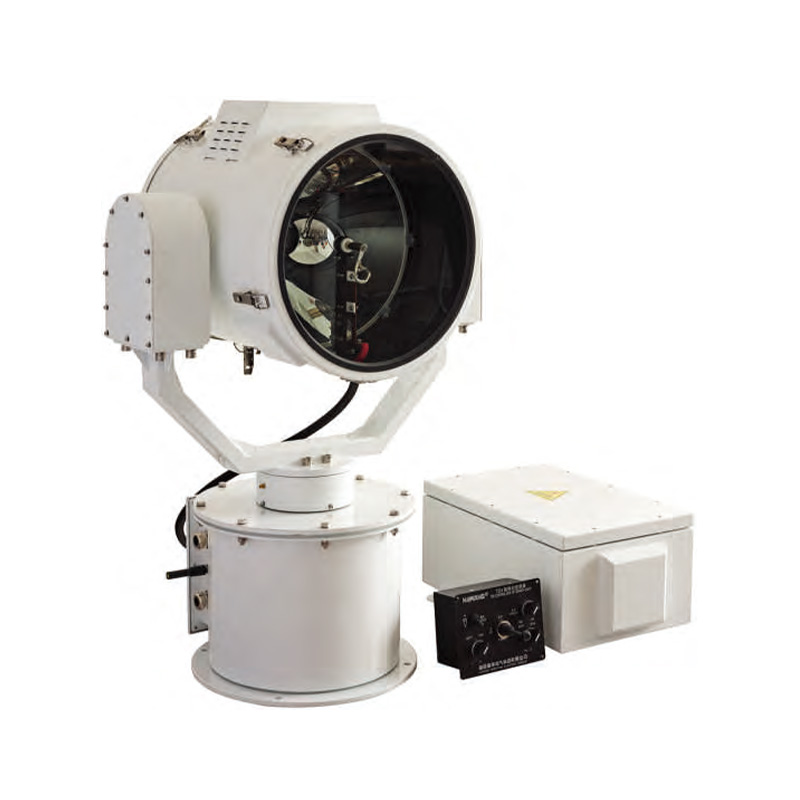
More and more vessels in the current era are nowadays using integrated bridge systems, remote-control capabilities, and digital monitoring technologies. Those searchlights benefit much from electronic drivers with advanced intellectual rights, programmable beam control, and user-friendly compatibility with smart control interfaces. Hence, the marine LED searchlight gives in very readily to integration with contemporary maritime automation systems.
The best high-intensity searches in the world still belong to xenon search lights, but marine LED lighting technology is gaining strong ground in pole position in terms of beam precision, brightness output, and systems integration. Hence, ship designers should always have LED searchlights as the primary set of lights to be installed on board in an ever-evolving world where flexibility and open-mindedness essentially determine the functionality of devices and systems, including lighting.
Summary
- Multiple reasons constantly underscore LED’s advantages for marine applications. There is no doubt that the LED searchlights offers a robust platform and illuminates with greater luminous efficacy while approximating energy-saving practices to reduce power consumption-rightly a financial benefit for someone.
- The xenon marine searchlights would prove to be useful in cases where there is an extreme need for high beam intensity and long visibility; unfortunately, the higher maintenance and operational costs erase away much desirability.
Final Thoughts
When choosing LED or xenon marine searchlights, you are generally facing just the operational demands of the boat, the power you can manage, and/or the time you want to spend on maintenance. In today’s era, searching for an era where marine operations are becoming more energy-conscious and technologically combined, the solution offered by LED technology is becoming the preference across both commercial and recreational vessels, in view of its reliability and lifecycle advantages.