
Explosion-proof vs. Flameproof Lights for Maritime Use
Marine lighting is not only about visibility, but it is a critical safety component, really. Ships, offshore platforms, and port facilities often keep working in hazardous zones where flammable gases vapors or even dust may be present. In those conditions, specialized lighting, like explosion-proof and flameproof lights, is essential so no one triggers an ignition risk. Even if the two terms get used like they mean the same thing, they are not quite identical. Knowing how they differ matters a lot when you are picking the right type of lighting for maritime applications.
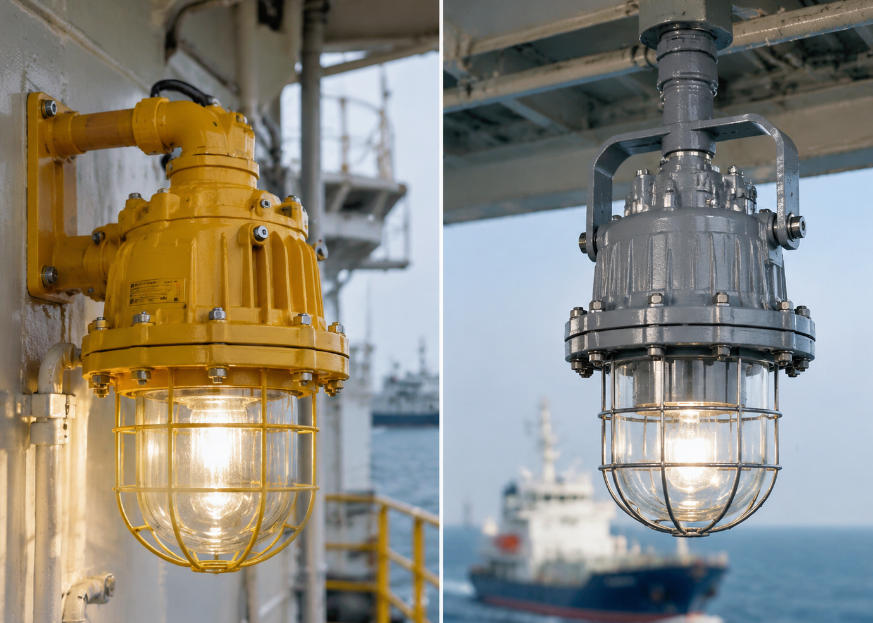
Table of Contents
Understanding Explosion-proof Lights
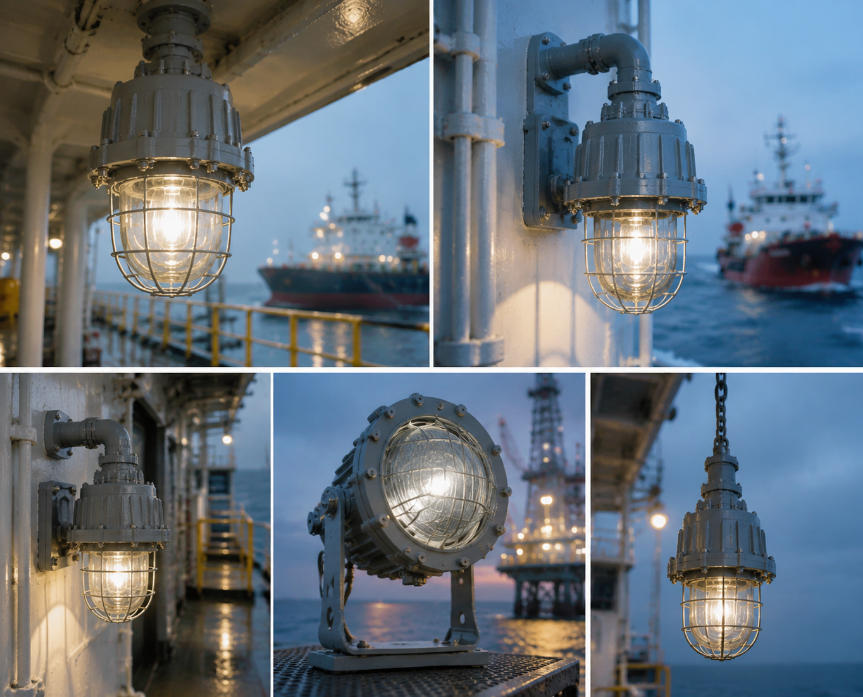
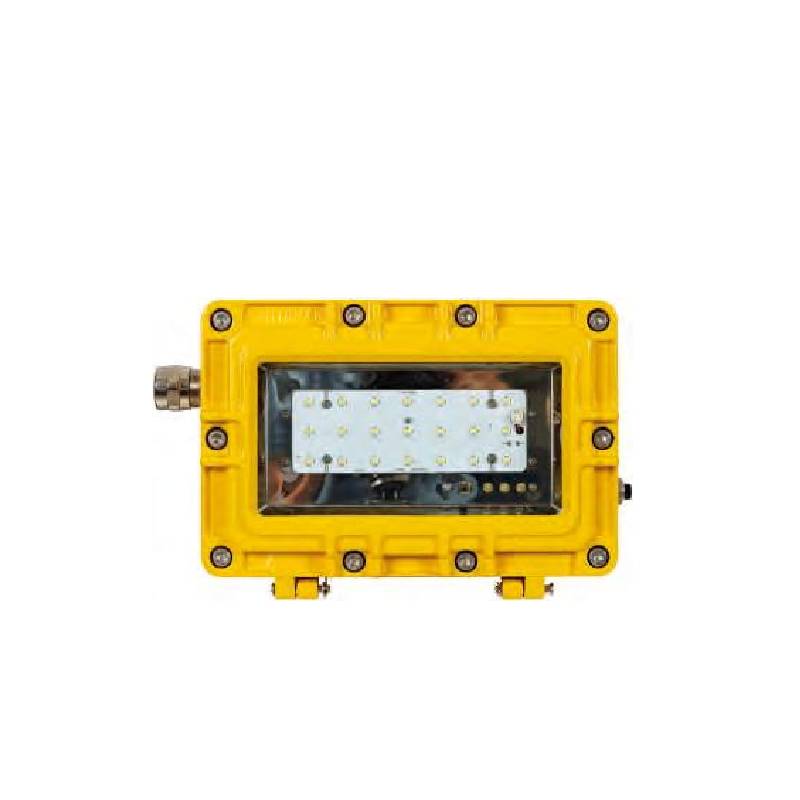
Explosion-proof lights are specialized lighting systems made for work in dangerous locations, where flammable gases vapors, or combustible dust might be in the air. In seaborne and offshore jobs, marine explosion-proof lighting is often set up in places like engine rooms, pump rooms, cargo handling areas, and fuel storage compartments. The main idea is that if something inside the light causes an ignition event, it stays trapped inside the luminaire housing, so it can not ignite the surrounding atmosphere.
How They Work
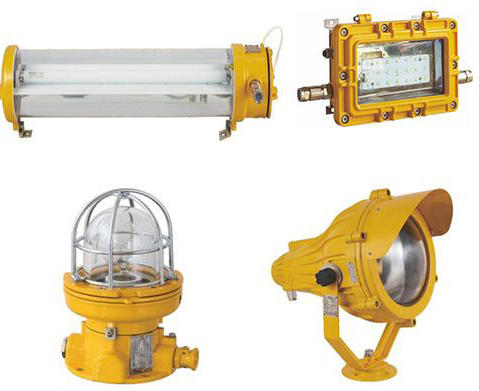
The fundamental safety concept behind explosion-proof lighting is more about keeping the hazard contained rather than stopping ignition in the first place. The fixture comes with a sturdy sealed housing that can withstand an internal explosion, without giving way. At the same time it uses precisely designed flame routes and joint surfaces that pull heat out of the vented gases so they cool down, and they lose their ability to ignite before anything reaches the outside atmosphere. Together, the hard structure and that controlled release of gas make this method especially reliable in areas where even a tiny spark could trigger catastrophic consequences.
Advantages
- High level of operational safety in hazardous zones: These lights are made for spaces where explosive atmospheres might be present, they lower the ignition danger in enclosed marine environments, even when conditions change.
- Robust mechanical and environmental durability: Their reinforced housings let them endure vibration, shock, corrosion caused by saltwater, and also rough, extreme weather, so they end up being fit for long-term use in the sea.
- Compliance with international safety standards: Explosion-proof lights are built to satisfy rigid certification rules like IECEx, ATEX, UL, and NEC , so they can be deployed in controlled maritime areas with confidence.
- Stable performance in critical shipboard areas: They deliver steady visibility in key spaces such as engine rooms, pump rooms, and areas for hazardous cargo, where consistent lighting matters for safe operations.
- Improved efficiency through modern LED technoloy: LED explosion-proof lights reduce energy consumption, extend service life, and lower maintenance frequency compared to traditional lighting.
Limitations
- Higher upfront cost investment: The specialized materials, engineering precision, and certification procedures lead to meaningfully higher up front costs when compared to ordinary industrial lighting.
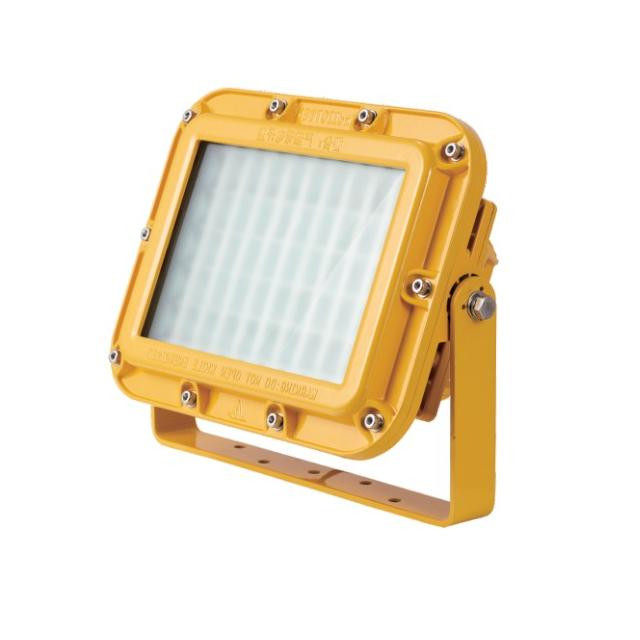
- Bulky and heavy construction: The strengthened housing needed for flame and explosion containment adds extra weight and overall dimensions, this can make placement and mounting harder in tight shipboard areas.
- More complex installation and maintenance requirements: Keeping the flameproof boundary requires strict steps, with certified parts and trained staff, which can turn day to day operations into something more intricate than usual.
- Thermal management constraints: Since the fixtures are sealed for safety, getting rid of heat can be more difficult, especially in high power uses, so the design must be managed with extra care.
- Limited design flexibility: Safety obligations often lock in the structure and the external look of these lights, so there is less flexibility for custom styles or compact space optimization.
Understanding Flameproof Lights
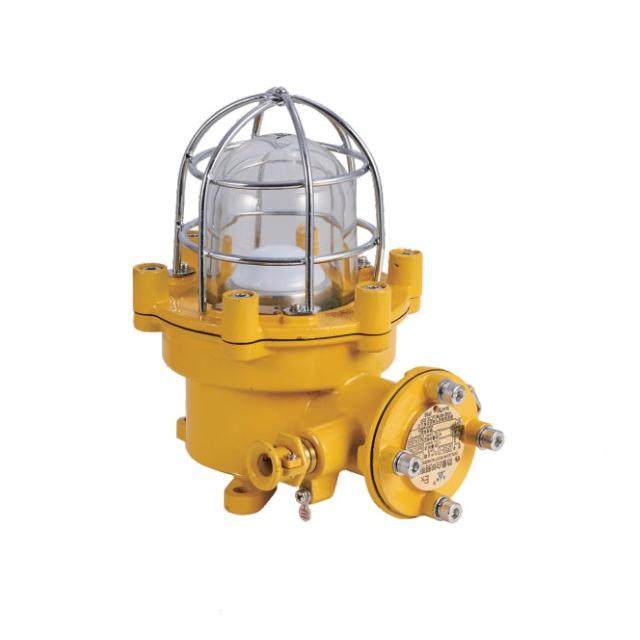
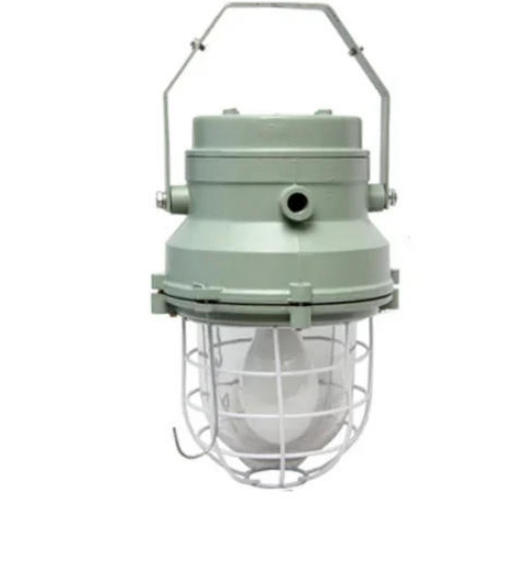
Flameproof lights are specialized safety lighting setups made for hazardous environments, where flammable gases or vapors can be in the air, like on maritime vessels, offshore platforms, chemical plants, and fuel storage sites. Their main job is to stop any internal ignition from spreading outward, so that potentially explosive conditions outside the luminaire never get activated by the electrical equipment inside it.
The expression “flameproof” is commonly used within IEC and ATEX certification systems, and it is mostly about keeping a flame contained, and then extinguishing it in a controlled way, using deliberately engineered enclosure construction. Rather than letting flames or heated gases escape freely, flameproof housings push them through tight, carefully planned joints and flame routes, where the gases cool down fast. Once the gases manage to leave the enclosure, their temperature and energy are reduced under the ignition threshold for the surrounding area.
How They Work
Flameproof lighting depends on both sturdiness and thermal control a little at the same time. Basically the enclosure is made to handle the internal pressure coming from an explosion, and the flame paths work as if they were cooling passages. Those passages are crafted with tight tolerances, so that the hot gases lose energy when they touch metal surfaces while moving outward. With this arrangement, even if ignition happens inside the luminaire itself, it still will not go on to ignite combustible vapors outside the enclosure.
In maritime environments, this is why flameproof lights are especially useful in places where an explosive atmosphere may show up sometimes, for example at fuel transfer stations, on tank decks, and within enclosed machinery spaces.
Advantages
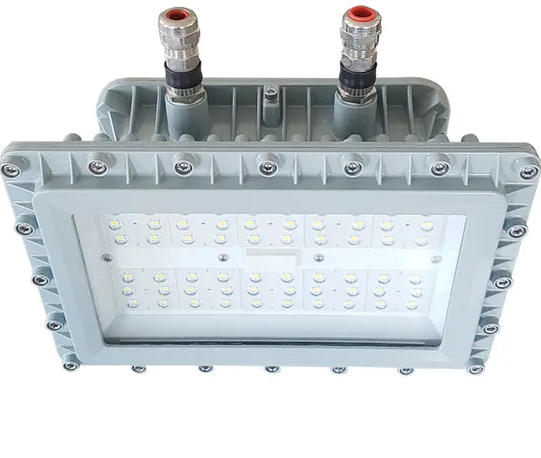
- High level of safety in hazardous zones: They are made to work safely inside zones where there might be an explosive gas atmosphere, which really reduces the ignition risks in marine and industrial use.
- Compliance with international standards: Flameproof lights get certified through IECEx and ATEX frameworks, so they tend to be accepted across worldwide maritime operations and offshore facilities, even when procedures are strict.
- Effective flame containment and suppression design: The internal flame routes are engineered so that any accidental ignition is quenched inside before it can reach the outside environment, and that improves operational safety in general.
- Strong resistance to harsh marine conditions: These fixtures are built using corrosion resistant materials, so they keep performing well in saltwater, high humidity, vibration, and temperature swings.
Limitations
- Higher acquisition and installation costs: Because of precision engineering and certification needs, flameproof lights tend to cost more than standard industrial lighting systems.
- Heavy and rigid structural design: The reinforced housings add weight and decrease flexibility, which may make installation tricky in tight shipboard areas.
- Complex maintenance procedures: Any servicing must keep the flameproof joints and certified parts intact, so it calls for trained personnel and strict adherence to safety requirements.
- Thermal management challenges: The sealed setup can limit heat dissipation, particularly in high-power uses, so a careful design is needed to prevent overheating.
- Limited customization options: With the certification rules in place, flameproof lights usually come as standardized designs with fewer possibilities for compact upgrades or aesthetic modifications.
Key Differences Between Explosion-proof and Flameproof Lights
While both of explosion-proof and flameproof Lights serve the same core purpose, preventing ignition in hazardous environments and the differences lie mainly in terminology and certification standards.
| Aspect | Explosion-Proof Lights | Flameproof Lights |
| Definition | Broad term for lighting designed to contain internal explosions and prevent ignition of surrounding hazardous gases | Specific IEC/ATEX term focusing on preventing flame transmission through engineered flame paths |
| Core Principle | Containment of an internal explosion within a robust enclosure | Quenching and cooling flames through precision-machined joints and flame paths |
| Standards System | Commonly associated with North American standards (NEC, UL) | Commonly associated with IECEx and ATEX standards |
| Terminology Usage | Widely used in general industrial and U.S. contexts | More precise and formal term used in international and maritime standards |
| Design Focus | Strong enclosure integrity and pressure resistance | Flame arresting through controlled gas cooling and gap design |
| Certification Regions | Primarily U.S. and some global industrial applications | Europe, international offshore, and marine classification systems |
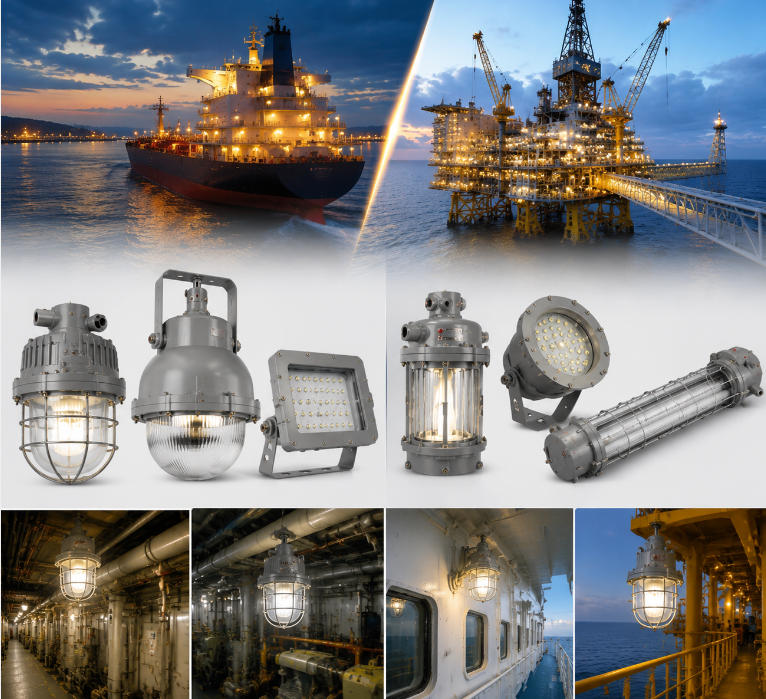
| Maritime Use | Used in engine rooms, pump rooms, and hazardous ship zones | Common in offshore platforms, tankers, and classified hazardous ship areas |
| Technical Emphasis | Explosion containment strength | Flame propagation prevention mechanism |
| Interchangeability | Often used as a general umbrella term | Considered a subset/specification of explosion-proof design |
| Typical Misconception | Assumed to be a different product category entirely | Sometimes misunderstood as separate from explosion-proof systems |
Key Considerations for Choosing Between Explosion-Proof and Flameproof Lights for Maritime Use
1. Understanding the Regulatory Framework First
When you’re choosing between explosion-proof and flameproof lighting for maritime use, the very first big thing is the regulatory environment where the ship, or offshore setup, operates. Different regions use different naming styles and they also handle certification rules differently. Explosion-proof lighting is more often mentioned under North American standards like NEC and UL, while flameproof lighting tends to match IECEx and ATEX frameworks, which are commonly used across international maritime and offshore work. In actual selection, the decision is often less about performance differences and more about meeting the correct certification pathway that flag states and classification societies require.
2. Assessing the Hazardous Zone Classification
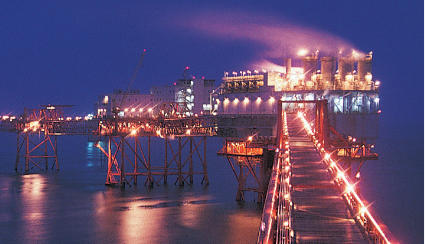
Another critical factor is the classification of the hazardous area where the explosion-proof and flameproof lighting will be installed.
| Zone Category | Hazard Level Description | Maritime/Offshore Examples | Lighting Requirements |
| Zone 0 | Area where an explosive gas atmosphere is present continuously or for long periods | Inside fuel tanks, oil cargo tanks, enclosed chemical storage tanks | Requires the highest level of protection; equipment must remain safe even under continuous explosive conditions |
| Zone 1 | Area where an explosive gas atmosphere is likely to occur during normal operation | Pump rooms, drill floor areas, fuel transfer stations, venting areas | Requires explosion-protected or flameproof-certified lighting designed for frequent hazard exposure |
| Zone 2 | Area where an explosive gas atmosphere is not likely to occur in normal operation, and if it does, it exists only for a short time | Adjacent areas to Zone 1, open deck spaces near fuel systems, ventilation outlets | Requires certified safety lighting, but with less stringent protection compared to Zone 0/1 |
3. Evaluating Environmental and Operational Conditions
Marine environments can be a bit of a nightmare for electrical gear, there’s constant pressure from saltwater, humidity, vibration, and those temperature swings. Because of that, lighting systems really need strong corrosion resistance plus mechanical strength that holds up over time. Explosion-proof and flameproof lights are both made for these situations, but they are built a little differently, and that can affect how they perform in real use. Typically, explosion-proof versions tend to use heavier housings and they help with impact resistance, while flameproof designs usually emphasize precise sealing and flame route integrity. So the real place, and its hazards, should lead the decision, depending on whether you need mechanical robustness more or whether a tighter precision seal matters more.
4. Considering installation space and structural constraints
Space limitations on ships and offshore platforms also matter a lot when it comes to the lighting selection. Explosion-proof lights tend to come with bulkier housings because their design is all about containment, so fitting them can be a bit difficult in cramped compartments or under overhead structures. Flameproof lights are still very sturdy, but they may give more streamlined, compact layouts depending on the supplier and the certification constraints. Looking at the available installation space, plus how accessible it will be for servicing later, helps make sure the lighting system can be mounted properly without reducing safety or making future maintenance harder.
5. Balancing Maintenance Requirements and Lifecycle Costs
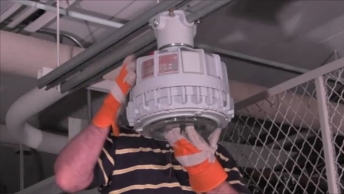
Maintenance considerations are especially important in maritime operations, where downtime can be pricey. Both explosion-proof and flameproof lights need certified maintenance procedures so the safety integrity stays intact. Still, the design variations can matter, and they may change the long-term servicing needs a bit. LED-based systems in both groups typically reduce maintenance frequency, yet sealed flameproof joints and the more heavy-duty explosion-proof housings can still call for routine inspection, plus specialized handling. The full lifecycle cost, including replacement parts, labor, and adherence to certification rules, ought to be reviewed alongside the initial purchase price.
6. Ensuring Compatibility with Safety Systems and Standards
Modern vessels integrate lighting system into broader safety and observation frameworks, like emergency illumination, fire detection, and automated control systems. The selected lighting type should be in line with these arrangements and satisfy the maritime safety conventions requirements, including SOLAS. Also classification bodies can set special requirements for housing types, ingress protection ratings, and thermal performance. Making sure the compatibility is handled from the start helps prevent redesign or replacement later on, during inspection or certification audits.
Final Thoughts
Explosion-proof and flameproof lights are both extremely important safety technologies for maritime work. In a sense, explosion-proof is broader, talking about containment of hazards, while flameproof feels more standardized and technically defined within IEC-based schemes. In the real world, they do the same mission anyway: make sure the lighting equipment does not become an ignition source in dangerous marine surroundings. Choosing the right solution depends on regulatory frameworks, the kind of vessel involved, and the operational risk zones you are working in, but everywhere these specialized lamps show up, they are a core component of maritime safety engineering.
