
How to Choose Marine Spotlights Based on Vessel Size
Marine spotlights help ships see clearly at night. They support safe travel, docking, anchoring, search work, and other tasks at sea. Even so, choosing a spotlight is not just about getting the brightest light. The vessel size, its operating environment, electrical system, mounting location, and required illumination range, all shape which spotlight is most suitable.
A spotlight meant for a small pleasure craft may fall short on a bigger commercial ship. A very large, high-output searchlight can also be more than what a small boat needs. When the spotlights fit the vessel size, the result is usually steadier performance, energy efficiency, and reliability.
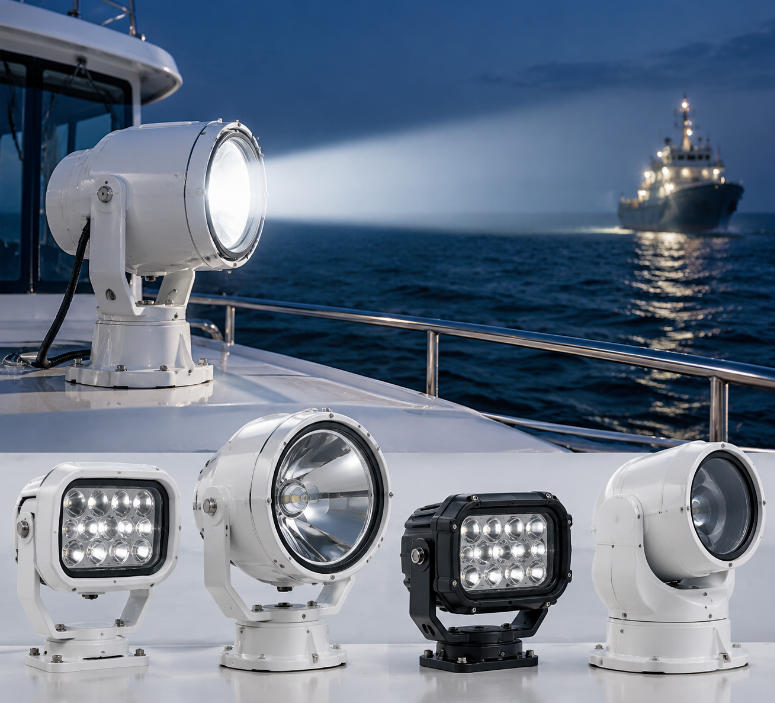
Table of Contents
Understanding the Relationship Between Vessel Size and Spotlight Choice
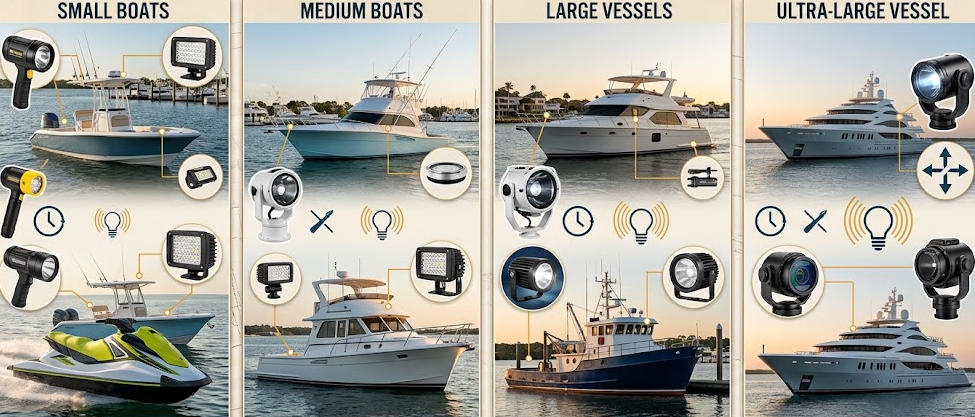
Vessel size changes how far people must view objects and how much room exists for lighting equipment. On small boats, space and available power are often tight. Because of that, small LED spotlights with efficient output are usually a good fit.
On medium boats, there is more room to mount equipment and more electrical capacity. These vessels may need brighter lights, with beam control, for navigation, docking, fishing, or work tasks.
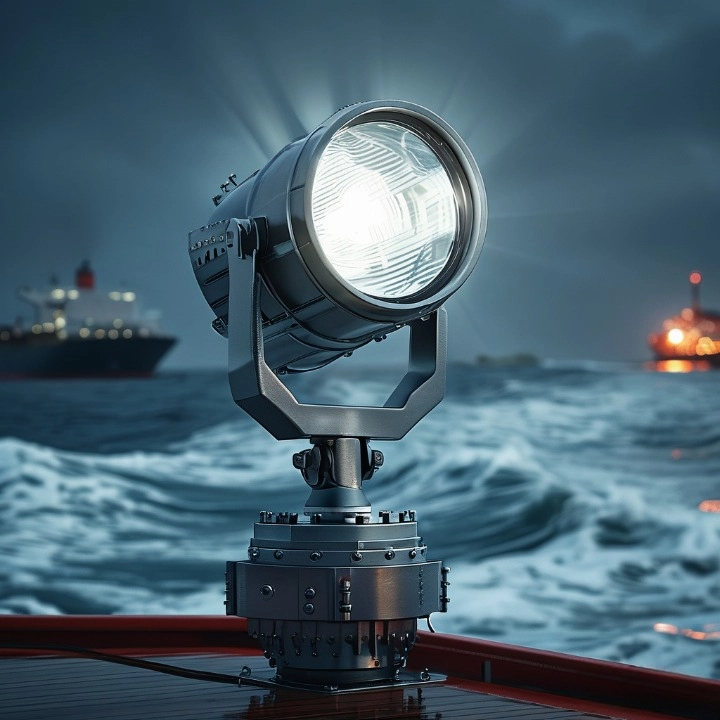
On large commercial and offshore ships, long-range lighting matters more. Strong spotlights can be needed to cover far distances. Some of these ships also use pan and tilt units from a remote station, since the lights can be mounted higher above the deck or positioned away from the operator.
Key Factors to Consider for Choosing Marine Spotlights Based on Vessel Size
Choosing marine spotlights according to vessel sizes supports clear visibility while keeping energy use in check and keeping the unit working as expected. Look at the items below before choosing a spotlight.
1. Small Vessels
Small recreational boats, fishing boats, and service craft usually need light units that fit in tight spaces. They also need to avoid heavy power draw.
In these cases, LED marine spotlights can balance brightness with low power use. They also stay compact. Often, a medium beam distance is enough to spot nearby hazards, navigation marks, docks, and other boats.
A lighter spotlight helps during installation. It can also reduce extra mounting needs and avoid adding unnecessary stress to the structure.
2. Medium-Sized Vessels
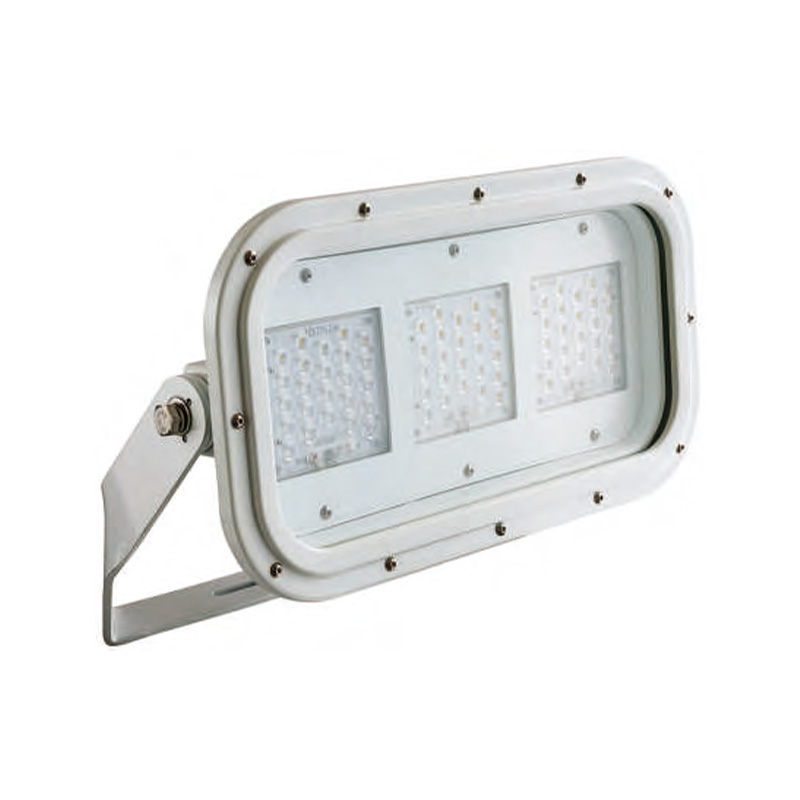
Medium yachts, patrol boats, fishing vessels, and workboats may travel through more varied areas. They often need light that reaches farther, yet still covers areas used for docking and onboard work.
A stronger LED spotlight with a movable beam can help in more situations. If the beam is thin, it reaches farther. If the beam is broader, it can be easier to manage close to the boat when space is tight.
As the vessel gets bigger, a remote control system can matter more. Rather than walking to the unit, the operator can steer the light from the helm or another work area.
3. Large Vessels
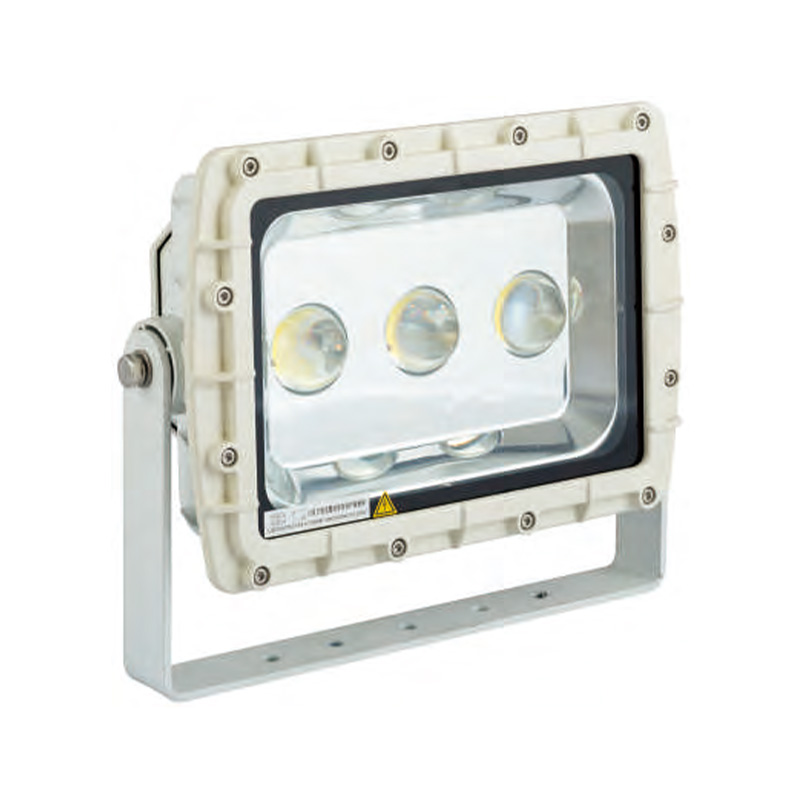
Large vessels like cargo carriers, ferries, and offshore workboats usually need brighter marine searchlights. They often run at higher speeds and from a higher position, so seeing far out becomes important.
LED spot lights with high output can shine for long distances. The outer shell should also hold up. Corrosion resistance matters because commercial boats spend lots of time in harsh salt water conditions.
On large vessels, pan-and-tilt control can be a big plus. The operator can aim the lamp left to right and up or down from the same station. More than one spotlight may be used as well, so coverage can spread across several directions.
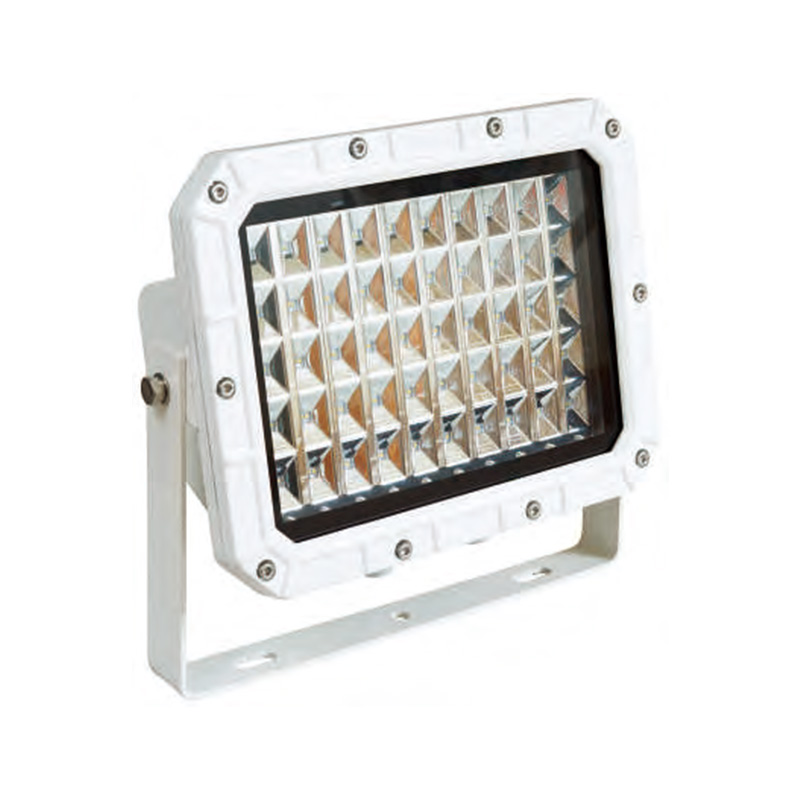
4. Vessel Type along With Size
Vessel size by itself does not fully set the spotlight needs. Two vessels that look similar may still want different lighting, depending on what they do.
A leisure yacht may mostly need lights for docking and basic navigation. A fishing boat often needs illumination for night work. An offshore service vessel may want focused light for the job area, while a rescue boat may need quick and accurate beam changes.
So the marine spotlight choice should start with both size and the real mission of the vessel.
5. Required Beam Distance
Beam distance has to fit how the boat operates. Too little reach can mean targets are not lit in time. Too much reach can mean wasted power and extra cost.
In marinas or along the coast, small craft may only need short to medium range light. Mid-sized vessels can use longer beams. Large offshore vessels often need powerful spotlights with long beam capable of illuminating distant targets.
It helps to check the listed specs such as beam distance, light output, beam angle, and optical design. Watt rating alone is not enough.

6. Matching Spotlight Power to the Electrical System
Electrical match is also key. The spotlight must fit the vessel’s voltage and the available electrical capacity.
Smaller boats often run more on batteries, so low energy use matters. A lower-watt LED spotlight can still give clear brightness without draining the battery more than necessary.
Larger marine vessels often allow more electrical output. Still, efficiency matters a lot, mainly to keep power use down and help balance the electrical system.
Prior to fitting the spotlight, verify these items. Look at the operating voltage. Check the power draw. Confirm the current needs. Then review the wiring demands.
7. Mounting Space and Installation
Available installation space changes a lot with vessel size. On smaller boats, the bow area, cabin, mast, and console may leave little clearance. In those cases, tighter designs usually work better.
On larger vessels, you can often fit bigger spotlights. Even so, the install spot may face stronger wind, extra vibration, and harsher mechanical stress. Use a mount that is strong enough for the spotlight you chose.
Also, confirm the beam path stays open. It should not be blocked by masts, rails, antenna gear, or nearby equipment.
8. Prioritizing Marine Durability
Spotlight parts for marine use need to handle saltwater and spray. They must also handle high humidity, rain, vibration, and temperature swings. If the spotlight lacks good protection, corrosion and failure can follow.
If the vessel works offshore more often, pick equipment with a tough marine housing. It should use corrosion-resistant parts and sealed connection points. Ingress protection ratings should match the environment too.
Durability matters even more for commercial and specialized vessels. A lighting failure at night can interrupt work. It can also lower visibility for the crew.
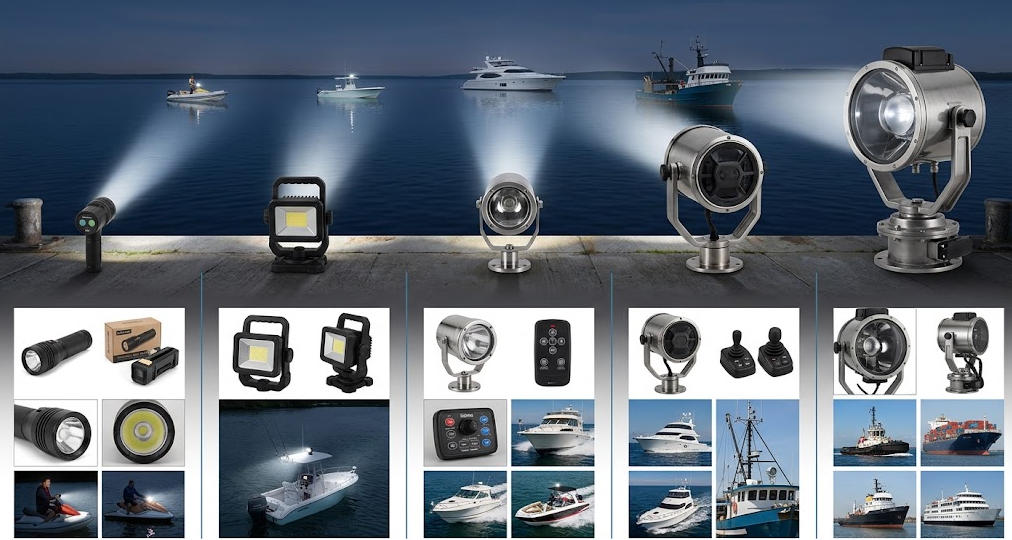
Comparing Marine Spotlight Requirements by Vessel Size
| Vessel Size | Typical Vessel Types | Lighting Requirement | Recommended Spotlight Features | Key Selection Focus |
| Small | Recreational boats, dinghies, small fishing boats | Short- to medium-range visibility | Compact LED, lightweight housing, moderate output | Low power consumption and easy installation |
| Medium | Yachts, patrol boats, workboats, fishing vessels | Medium- to long-range illumination | Higher-output LED, adjustable beam, remote control | Brightness, flexibility, and durability |
| Large | Cargo ships, ferries, offshore vessels | Long-range illumination and large-area coverage | High-output LED spotlight, narrow beam, pan-and-tilt control | Range, power, and rugged construction |
| Extra-large | Tankers, container ships, large commercial vessels | Very long-range visibility and extensive coverage | Heavy-duty spotlight system, multiple lighting units | Reliability, coverage, and environmental resistance |
| Specialized | Search-and-rescue, emergency, offshore service vessels | Rapid and precise target illumination | High-performance directional spotlight with advanced controls | Fast positioning, reliability, and operational flexibility |
Balancing Performance and Cost in Choosing Marine Spotlights
A most powerful spotlight is not always the best deal. If you buy a light far above what the vessel needs, the upfront price can rise. Energy use can climb too. Installation can also become harder.
Instead, review the full set of needs. Think about night operation frequency. Consider the viewing distance operators require. Check how much electrical power is available. Then factor in how tough the marine conditions are.
For occasional trips and recreational use, a compact LED spotlight that works reliably can be a strong value. For commercial boats that run for long stretches, a durable high-performance searchlight can cost less over time.
Final Thoughts
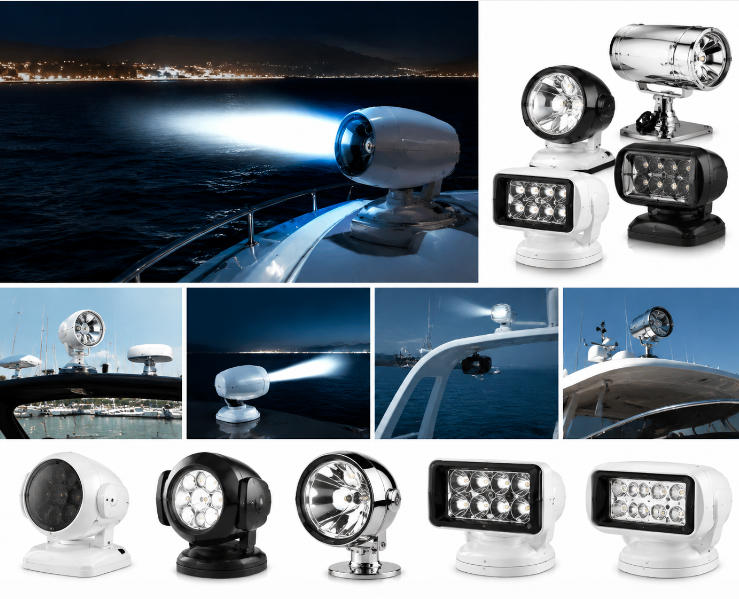
Choosing marine spotlights based on vessel size requires a balanced approach. Small boats usually do well with compact, lighter, and efficient LED options. Medium vessels may need more reach, along with beams that can adjust or be controlled from a distance. Large commercial and offshore vessels often require strong, long-range spotlights, designed for rough use and with improved aiming control.
Vessel size can’t be evaluated alone. It needs to be weighed with vessel type, operating environment, beam distance, electrical capacity, mounting requirements, durability and the available budget. When those points line up with what the vessel actually needs, the right marine spotlights can be chosen. The result is steady illumination, smooth day to day use, and dependable performance over time in marine conditions.
