
What Determines the Performance of Marine Searchlights
The performance of a marine searchlight determines how effectively it can support vessel operations. Factors such as illumination distance, beam quality, the efficiency of the light source, how well it holds up against weather and salt, the control ability, and mechanical reliability all kind of add up to the final result. High-performance marine searchlights usually give clearer visibility, quicker response in emergencies, and safer operations when conditions get rough out there on the sea.
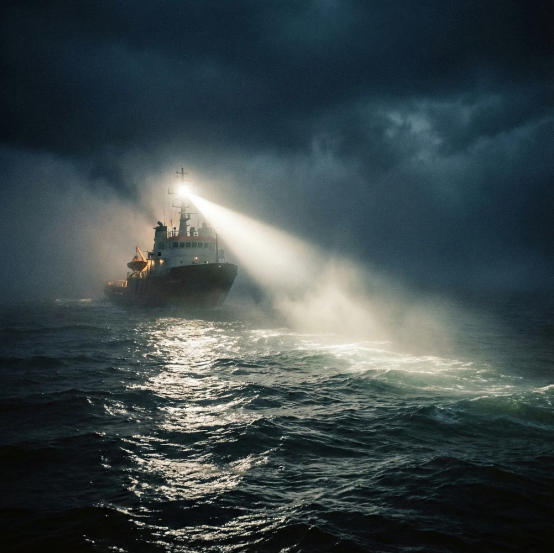
Table of Contents
Understanding the Functions of Marine Searchlights
Marine searchlights are specialized lighting systems meant to deliver strong, long-distance illumination for ships, offshore platforms, and various maritime locations. Their core job is to improve what the crew can see during night navigation, so they can spot obstacles, other vessels, navigation markers, and possible dangers when the light is weak, or the weather is less cooperative.
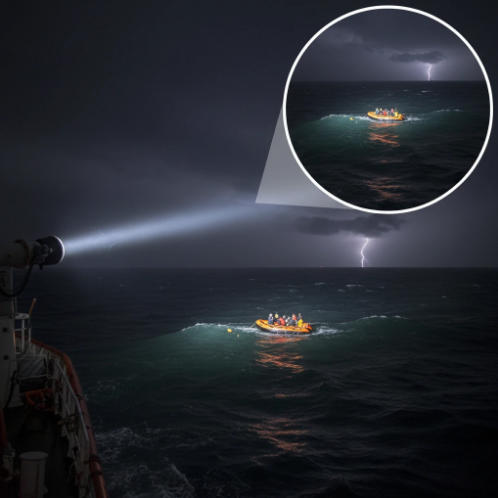
Also, marine searchlights do more than just assist with navigation. They’re also used for search and rescue, deck inspections, security watch, and emergency response. With adjustable beams and remote control and durable waterproof construction, modern marine searchlights can work in a flexible way and still keep steady performance even in demanding marine surroundings.
Key Factors Affecting the Performance of Marine Searchlights
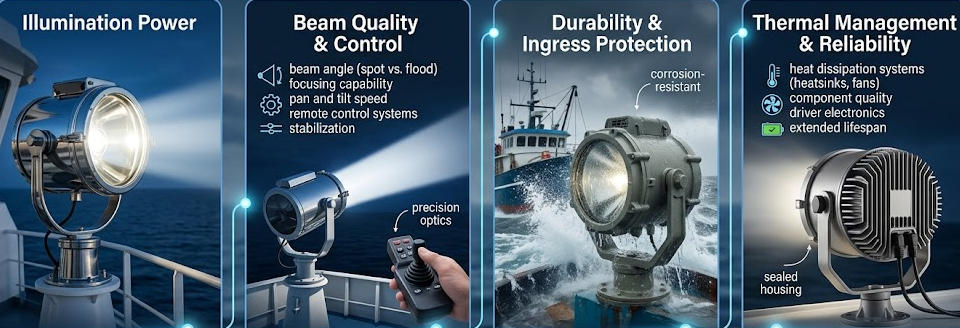
Understanding these factors helps operators select the searchlights that provide better visibility, longer service life and improved operational safety.
Knowing these factors really helps the people using the lighting devices to choose the marine searchlights that actually give better visibility, last longer, and support safer operation overall, even when conditions turn difficult.
1. Light Intensity and Long-Range Visibility
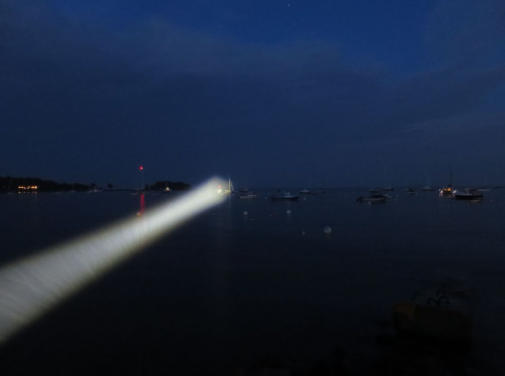
One of the key signs that a marine searchlight works well is how well it can throw light effectively across long distances. When ships are moving at night, or when visibility drops because of fog, rain, or darkness, crews depend on these searchlights to spot hazards, recognize nearby vessels, keep an eye on offshore structures, and support rescue tasks.
What you get for illumination is tied to how powerful the light source is, plus how efficiently the optics guide that light. Top marine searchlights are built to push more usable light outward while reducing energy losses. When the beam is strong, operators can spot objects sooner which improves judgment, and it also lowers the chance of incidents.
Long-distance visibility for marine searchlights is really important for things like coast guard missions, offshore patrols, and emergency search efforts. A strong searchlight can push the line of sight farther, so the crew can find the objects faster in tough surroundings, where you might not see much at first
2. Optical System and Beam Quality
The optical layout basically decides how well a sea searchlight actually turns the provided light output into a useful beam. Reflectors, lenses, and those beam-shaping parts all need to work together, to deliver something focused, and controlled.
| Optical Component / Feature | Function | Impact on Beam Quality | Performance Advantages |
| Precision Reflector | Collects and redirects light from the source into a focused beam. | Improves beam concentration and reduces light loss. | Provides longer illumination distance and higher brightness. |
| Lens System | Controls light distribution and shapes the projected beam. | Creates uniform and clear illumination without excessive scattering. | Enhances visibility and improves target recognition. |
| Beam Focus Adjustment | Changes the beam width according to operational needs. | Allows switching between narrow and wide lighting patterns. | Supports both long-range detection and close-area illumination. |
| High-Quality Optical Materials | Uses durable glass or advanced optical materials to transmit light efficiently. | Reduces optical distortion and improves light transmission. | Maintains consistent performance in demanding marine environments. |
| Beam Angle Control | Adjusts the spread of the projected light. | Determines coverage area and illumination range. | Provides flexible lighting for navigation, inspection, and rescue tasks. |
| Light Distribution Design | Optimizes how light is spread across the target area. | Prevents dark zones and uneven brightness. | Improves operational visibility and reduces eye strain. |
| Anti-Glare Optical Design | Controls unwanted reflected or scattered light. | Reduces glare for operators and nearby vessels. | Improves safety during nighttime navigation. |
| Long-Distance Projection System | Combines powerful light sources with optimized optics for extended reach. | Maintains beam intensity over long distances. | Helps detect obstacles, vessels, and hazards earlier. |
| Adjustable Zoom Function | Changes the optical focus to adapt to different distances. | Provides flexible beam control for various scenarios. | Enables rapid switching between wide-area search and focused observation. |
| Optical Sealing and Protection | Protects lenses and reflectors from seawater, dust, and contaminants. | Maintains optical clarity and prevents performance degradation. | Extends service life and ensures reliable operation offshore. |
| Heat-Resistant Optical Structure | Protects optical components from high temperatures generated by powerful lamps. | Maintains stable light output during continuous operation. | Improves durability and prevents optical damage. |
| Advanced Beam Control Technology | Uses electronic or automated systems to manage beam direction and intensity. | Provides precise illumination control. | Enhances efficiency in search, rescue, and navigation operations. |
3. Light Source Technology and Efficiency
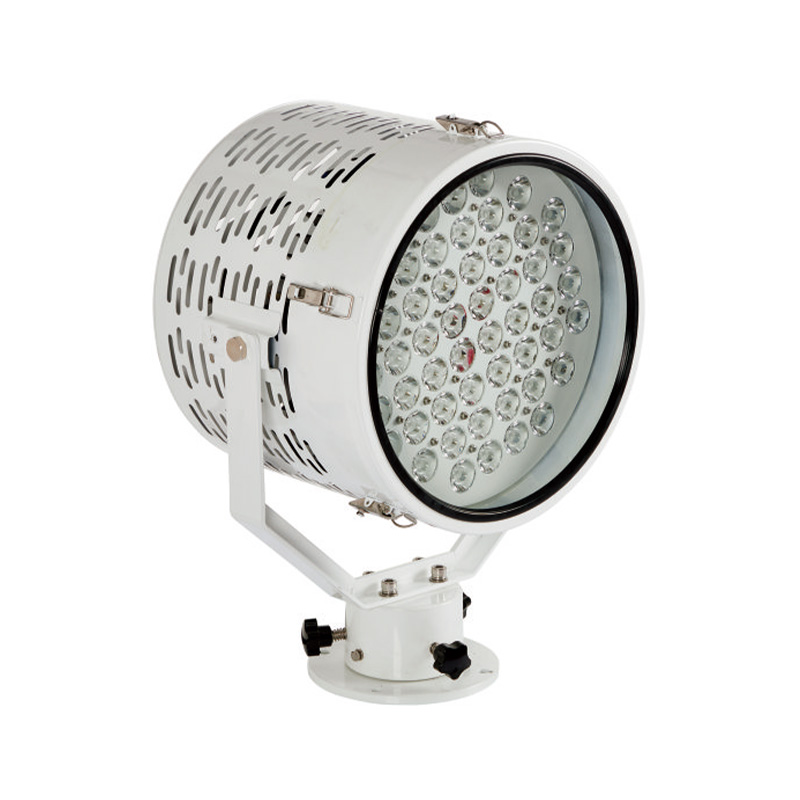
What type of light source you choose affects brightness, dependability, and day to day operating cost. Traditional choices like halogen and xenon lamps, have often been used for marine duties, because the illumination is strong and straightforward. Still, recent LED technology has been gaining popularity for its energy savings and longer service life, which helps maintenance planning
LED marine searchlights deliver pretty steady light output; they also flip on fast, use less power, and they tend to handle shock and vibration much better. This stack of benefits makes them a good fit for boats or ships where the lighting is needed often, or even nonstop.
Also, when the light source is efficient, it usually throws off less heat and you end up replacing components less frequently. That translates to lower maintenance work and better reliability for the whole lighting system.
4. Weather Resistance and Marine Protection
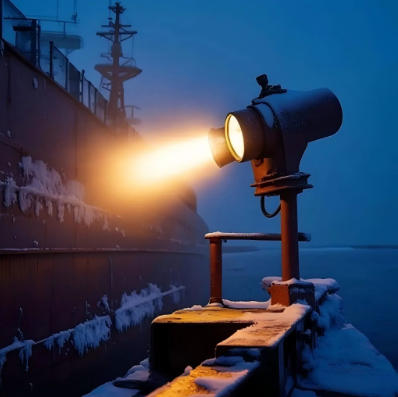
The sea environment brings real problems for lighting devices. Saltwater, high humidity, rain, and extreme temperatures can trigger corrosion and reduce performance, unless the searchlight is protected the right way.
The casing and housing matter a lot for overall strength. Many weatherproof searchlights are made with corrosion-resistant materials, like marine-grade aluminum alloys or stainless steel. Protective coatings, along with proper sealing technologies, help block salt spray damage and moisture intrusion.
Ingress protection ratings like IP65 or higher, show how well a marine searchlight housing can push back against dust and water coming inside. A tightly sealed build matters a lot, it helps keep things working right when there are storms, heavy rain and offshore conditions too, even when the weather feels relentless.
5. Heat Dissipation and Operating Stability
Powerful marine searchlights generate a fair amount of heat while running. If thermal control is weak, the extra warmth can reduce the brightness you get, wear down components faster, and trigger unwanted failures.
Most modern searchlights rely on heat sinks, ventilation setups, or an active cooling system to keep temperatures steady. LED searchlights, in particular, need strong heat removal because too much heat can hurt LED performance and reliability in real use.
When thermal management of the searchlights stays stable, the brightness tends to remain consistent through long runtime. That consistency is very important for search and rescue work, offshore inspection tasks and also for nighttime navigation.
6. Mechanical Strength and Vibration Resistance
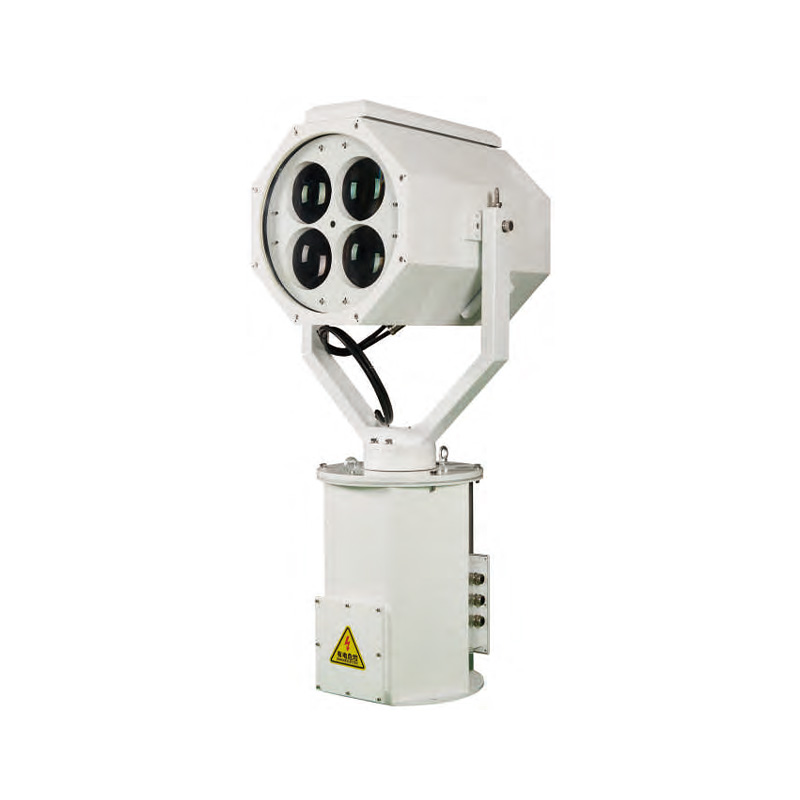
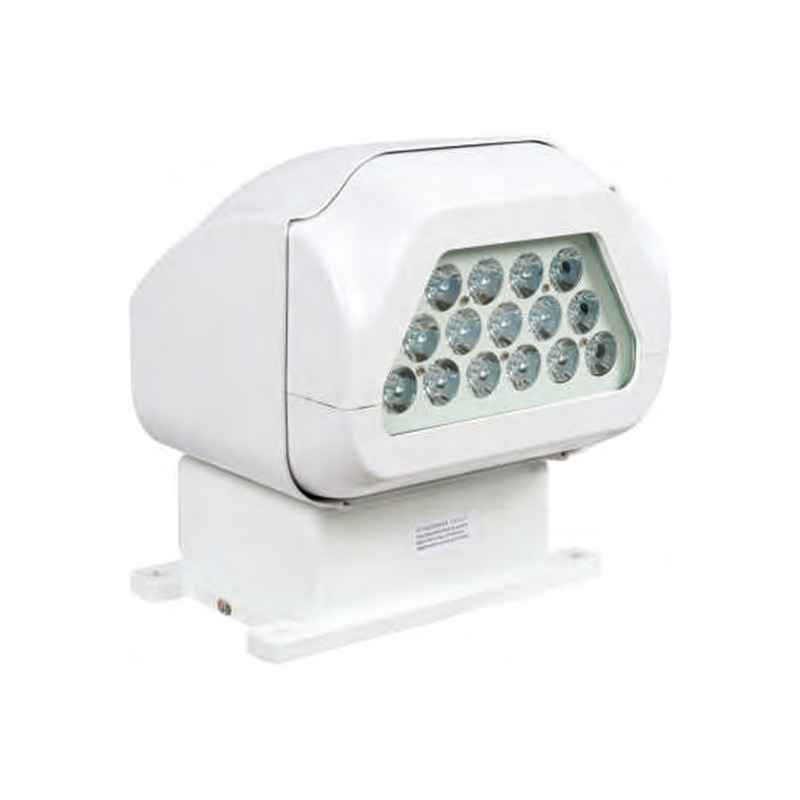
Ships and offshore structures are always moving, thanks to waves, wind, and engine vibration; yes, it happens all the time. Marine searchlights therefore need strong mechanical structures so they can keep their exact positioning and still work dependably even in rough conditions.
A durable mounting setup helps prevent misalignment and lowers damage coming from vibration. Good motors combined with the rotation mechanism enable smooth motion in both horizontal and vertical directions, while still keeping the beam direction accurate.
For vessels that work in demanding surroundings, shock-resistant layouts and strengthened parts support long-term dependability and lower how often maintenance is needed.
7. Control Systems and Automation Features
Advanced control technology has become an important factor in marine searchlight performance.
| Control System / Automation Feature | Description | Performance Benefits | Typical Applications |
| Remote Control System | Remote control searchlights allows controlling from the bridge, control room, or remote station without manually adjusting the unit. | Improves safety, reduces response time, and enables convenient operation in harsh conditions. | Commercial ships, offshore platforms, rescue vessels |
| Pan-Tilt Positioning System | Uses motorized mechanisms to rotate the searchlight horizontally and vertically for accurate beam direction. | Provides flexible coverage and allows operators to quickly focus on specific targets. | Navigation, surveillance, search and rescue |
| Digital Control Interface | Provides electronic control through buttons, touch panels, or integrated vessel management systems. | Enables precise adjustment of lighting functions and improves operational efficiency. | Modern ships and automated marine systems |
| Wireless Control Technology | Wireless remote control searchlights enables to operate from different locations on a vessel. | Reduces wiring complexity and provides greater operational flexibility. | Small vessels, patrol boats, emergency response units |
| Programmable Position Memory | Allows users to save frequently used lighting positions and quickly return to them. | Speeds up operation and improves response efficiency during repeated tasks. | Harbor operations, security monitoring, rescue missions |
| Integration with Navigation Systems | Connects with radar, GPS, cameras, and bridge control systems to support coordinated operation. | Enhances situational awareness and enables more intelligent lighting control. | Large commercial vessels and offshore facilities |
| Automatic Tracking Function | Uses sensors or cameras to track moving objects and keep the beam focused. | Improves target detection and reduces manual adjustment requirements. | Search and rescue, maritime security |
| Brightness Control System | Allows operators to adjust light intensity based on visibility conditions and tasks. | Saves energy, reduces glare, and extends light source lifespan. | General navigation and inspection operations |
| Fault Monitoring and Diagnostics | Detects system problems such as motor faults, overheating, or electrical issues. | Reduces downtime and supports preventive maintenance. | Long-term vessel operations |
| Sensor-Based Automation | Uses environmental sensors to adjust lighting according to weather, visibility, or surrounding conditions. | Provides adaptive lighting performance and improves operational safety. | Advanced ships and smart marine systems |
| Intelligent Control Software | Uses digital algorithms to manage multiple lighting functions automatically. | Improves efficiency, reliability, and integration with future smart vessel technologies. | Autonomous vessels and advanced offshore platforms |
8. Energy Efficiency and Power Management
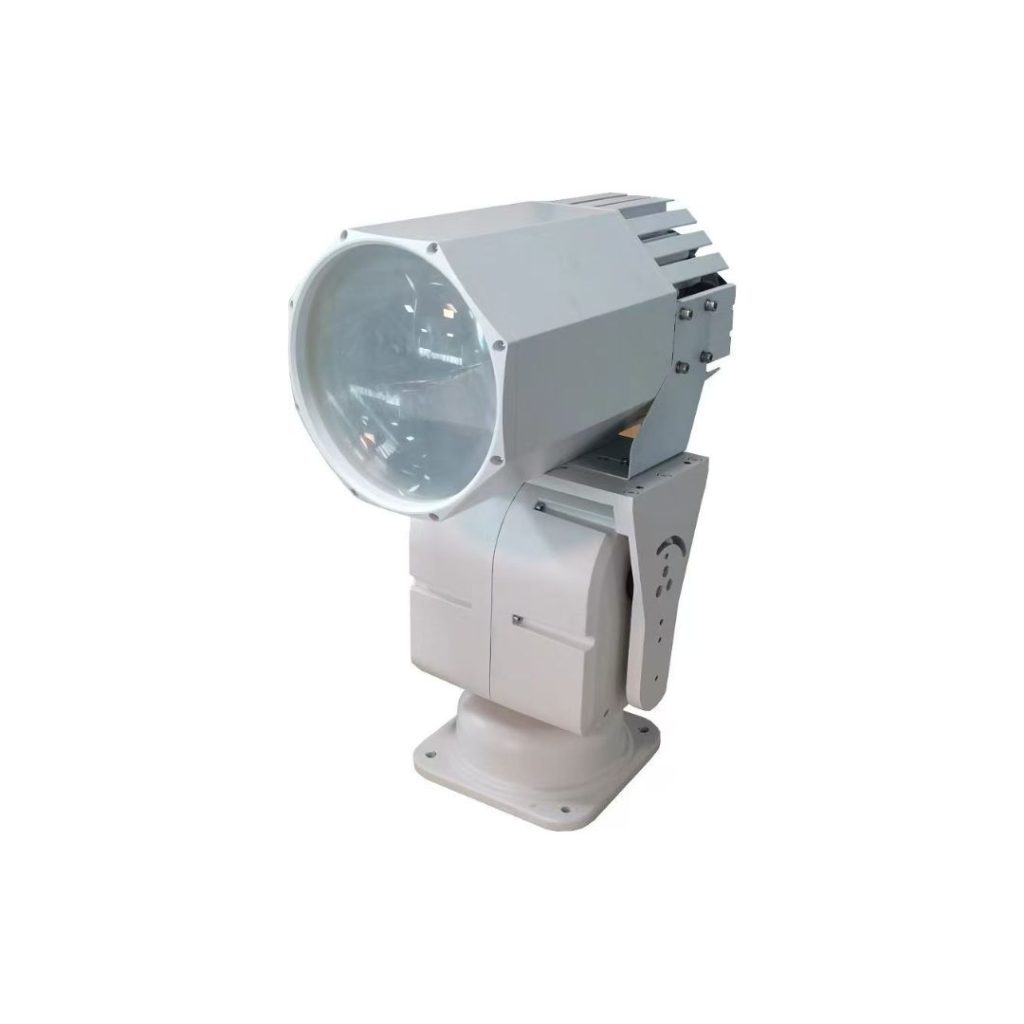
Energy use is a further factor that influences marine searchlight performance, especially on ships where power reserves must be handled with care. More efficient lighting systems decrease fuel consumption and help support sustainable marine work.
Marine LED searchlights can bring real energy benefits because they deliver strong brightness while using less electrical power. With decent power management, you also avoid wasting energy, by fine tuning brightness levels, or by automatically controlling operation based on what is actually required at the moment.
Lower energy consumption also reduces heat generation, which contributes to longer equipment life and improved reliability.
9. Maintenance and Service Life
Even top-level marine searchlights still need consistent inspection and service, to keep them running near their best. The maintenance of marine searchlights usually includes lens cleaning, corrosion checks, electrical reviews, and mechanical servicing, all of which help stop gradual loss of performance.
Marine salt deposits and other contaminants can limit light transmission and weaken beam intensity. If you clean regularly, optical parts keep functioning efficiently. Also inspect seals and protective coatings, since this helps preserve true waterproof performance.
The availability of replacement parts, and the technical support around it also affects how much the marine searchlight system is worth over time. If the equipment is built for easy maintenance it can cut down the downtime and, in the end, lower the operating costs. You end up spending less time waiting, and more time working.
Future Developments in Marine Searchlight Performance
Marine searchlights are expected to feel more intelligent, efficient, and connected. Progress in LED technology, automation tools, sensors, and digital control systems keeps pushing the lighting capability forward.
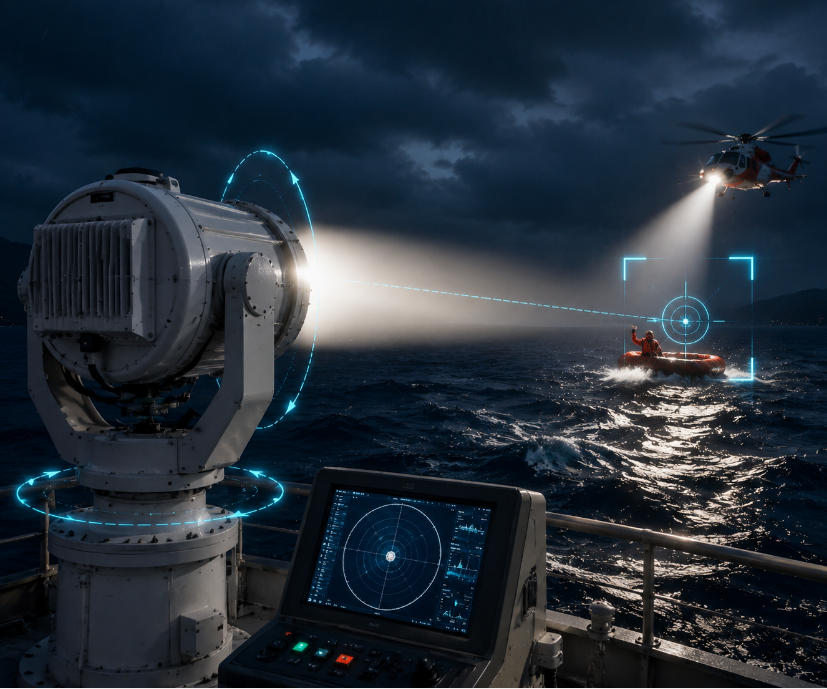
A smart searchlight might include automated beam adjustment, environmental sensing, and linkage to artificial intelligence monitoring programs. With these updates the lighting setup can react by itself when conditions change, and that helps maritime safety. Also the system may handle tasks more fluidly, rather than relying on manual corrections all the time.
Energy-saving configurations, and environmentally friendly technologies will matter even more too, since the marine industry is focused on reducing operational impact.
Final Words
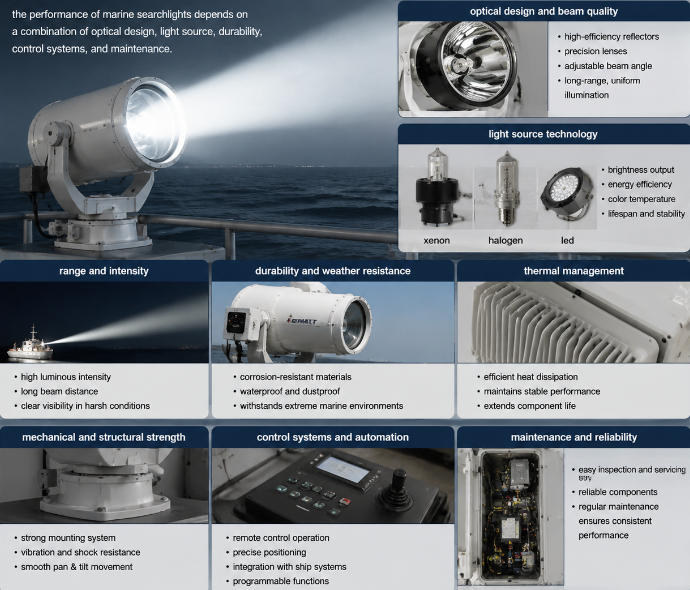
The performance of marine searchlights depends on a bunch of connected factors, like optical efficiency, light source technology, how far the beam reaches, weather resistance, heat management, mechanical durability, control systems, energy efficiency and daily maintenance. A properly designed marine searchlight has to throw solid illumination but also stay dependable even when conditions in the sea are harsh.
As ships become more advanced and offshore operations keep expanding, marine searchlights keep moving forward too, mostly thanks to LED tech, more intelligent controls, and automated systems. Those upgrades can lead to stronger visibility, better safety, and higher operational efficiency for today’s maritime tasks, which in practice helps crews respond faster and manage workloads more smoothly.
