
Marine and Offshore Explosion-proof Lighting Solutions
In the harsh and unpredictable environments of marine and offshore operations, ensuring safety and overall reliability are paramount. From oil rigs and offshore platforms to ship decks, even marine terminals, the need for sturdy and dependable explosion-proof lighting solutions is critical. Explosion-proof lighting is designed for actually running safely where flammable gases, vapors, or dust could be present, which reduces the chances of a fire or explosion.
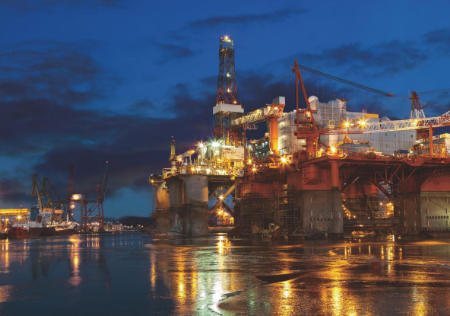
Table of Contents
Understanding the Basics of Explosion-proof Lighting
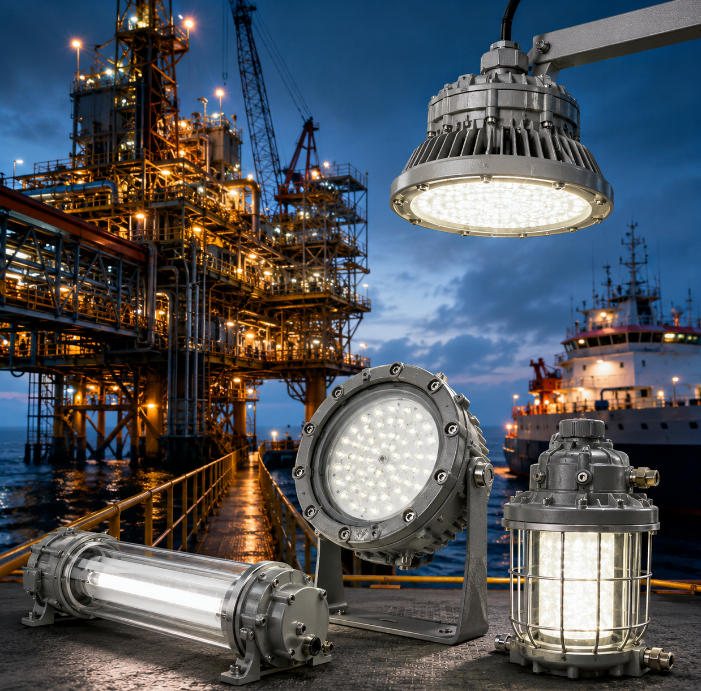
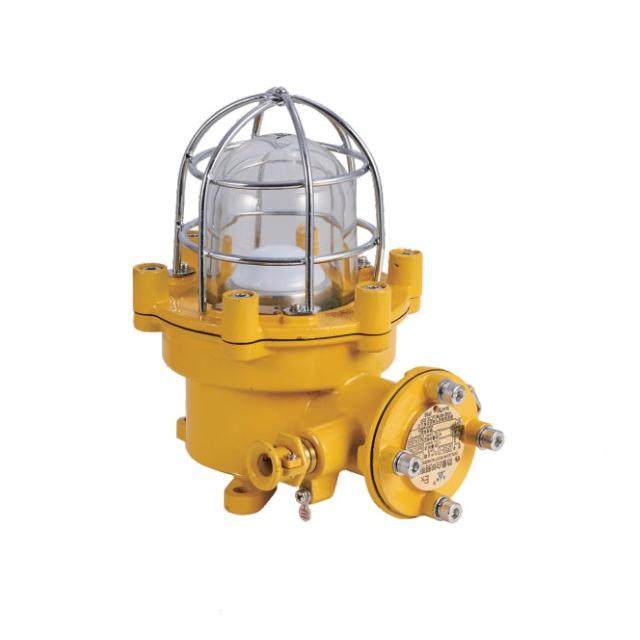
Explosion-proof lighting usually means fixtures made to hold back any sparks or heat that are created inside the lamp itself, so they do not become a cause of ignition for flammable atmospheres outside the enclosure. And compared with standard lighting, these setups have reinforced housings, strong sealing, and special materials that can handle rough conditions like saltwater corrosion, high humidity, and heavy mechanical strain, yeah even when things get severe.
Key Features of Explosion-proof Lights for Marine and Offshore Applications
1. Hazardous Area Protection
The most important feature of explosion-proof lights is their ability to operate safely in hazardous environments.
The following chart provides how explosion-proof lighting delivers essential hazardous area protection by controlling ignition sources, maintaining compliance with safety standards, and ensuring reliable operation in the demanding conditions of marine and offshore environments.
| Hazardous Area Protection Feature | Description | Benefit in Marine and Offshore Applications |
| Explosion-proof Enclosure | Designed to contain internal explosions and prevent flames or sparks from escaping the fixture. | Reduces the risk of igniting flammable gases and vapors commonly found on offshore platforms and vessels. |
| Ignition Source Containment | Prevents electrical arcs, sparks, and hot surfaces from coming into contact with hazardous atmospheres. | Enhances operational safety in areas with hydrocarbon gases, fuel vapors, and combustible dust. |
| Certified Hazardous Area Compliance | Meets international standards such as ATEX, IECEx, and UL for hazardous locations. | Ensures regulatory compliance and safe operation in classified marine and offshore zones. |
| Gas and Vapor Protection | Engineered for environments containing flammable gases such as methane, propane, and hydrogen. | Provides reliable lighting in drilling, production, storage, and fuel handling areas. |
| Dust Ignition Protection | Prevents ignition of combustible dust particles that may accumulate around equipment. | Suitable for cargo handling areas, marine terminals, and industrial processing facilities. |
| High Surface Temperature Control | Maintains external surface temperatures below ignition thresholds. | Minimizes the risk of triggering explosions in temperature-sensitive hazardous environments. |
| Sealed Electrical Components | Electrical circuits and connections are isolated within sealed compartments. | Protects against moisture, saltwater intrusion, and accidental ignition sources. |
2. Corrosion-resistant Construction
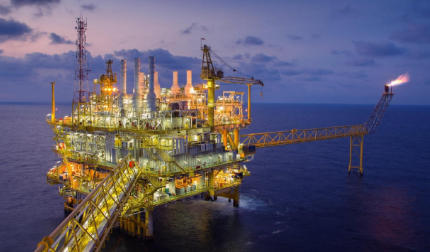
Marine environments are rather corrosive, because it is always soaked up by saltwater moisture and sea air . Normal lighting housings can start to wear out pretty fast in this kind of setting, so performance drops, and then maintenance ends up being more, and more often.
Explosion-proof lights meant for marine and offshore work usually come with enclosures made from marine-grade aluminum, stainless steel, or other materials that actually fight corrosion. On top of that there are special surface treatments plus protective coatings, which help with rust resistance and also chemical attack. So overall you get longer service life, even when things get really harsh out on the offshore sites.
3. High Ingress Protection Ratings
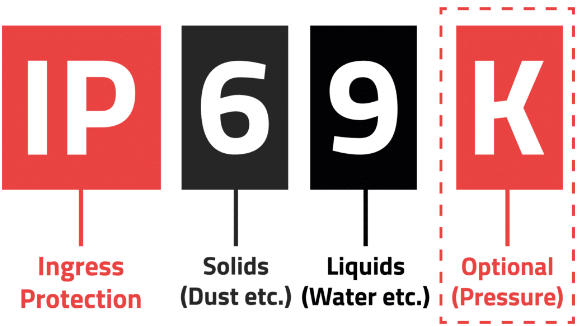
This chart provides how high ingress protection ratings in marine and offshore explosion-proof lighting help maintain safety, reliability, and durability in environments exposed to moisture, salt spray, dust, and extreme weather conditions.
| IP Rating | Level of Protection | Protection Against Water | Marine and Offshore Applications |
| IP65 | Dust-tight and water-resistant | Protection against low-pressure water jets | Indoor hazardous areas, sheltered marine equipment rooms |
| IP66 | Heavy-duty environmental protection | Protection against powerful water jets and heavy seas | Ship decks, offshore platforms, dockside facilities |
| IP67 | Temporary immersion protection | Protection against temporary immersion in water up to specified depths | Offshore maintenance areas, exposed marine structures |
| IP68 | Continuous immersion protection | Protection against prolonged immersion under manufacturer-specified conditions | Subsea support areas and highly exposed offshore environments |
| IP69K | Maximum ingress protection | Protection against high-pressure, high-temperature water jets | Extreme offshore wash-down areas and specialized marine installations |
4. Exceptional Mechanical Strength
Marine and offshore operations often have vibration, impacts, and mechanical strain triggered by heavy machinery, choppy seas, and severe weather conditions. For that reason, explosion-proof lighting fixtures are built to handle these hard requirements without sacrificing safety, or overall function.
With heavy-duty housings, reinforced mounting systems, and impact resistant lenses, the lights are kept working even when they face serious physical stress. That kind of durability lessens downtime and lowers upkeep costs while also supporting smoother operational reliability.
5. Energy-efficient LED Technology
Today, many LED explosion-proof lighting brings multiple benefits compared with older lighting methods. In practice, LED fixtures draw far less energy yet deliver stronger and more even illumination.
For offshore facilities where energy efficiency is the top priority, LED explosion-proof lights can meaningfully cut power consumption and also lower the operating costs. Also, LEDs create less heat, which in turn adds to safety in hazardous spaces. Because they have a long service life, you replace them less often, so the maintenance burden drops, especially in hard-to-reach areas.
6. Wide Temperature Tolerance
Marine and offshore setups frequently face extreme temperature swings. The lighting fixtures may be under strong direct sunlight in tropical zones, or in freezing weather in arctic and subarctic regions too.
Explosion-proof lights are built so they keep steady performance across a broad temperature span. Advanced thermal management systems help pull heat away efficiently, safeguarding internal parts and keeping the illumination consistent no matter what is happening outside.
6. Compliance with International Safety Standards
Safety certification is a critical feature of explosion-proof lighting systems. Reputable products are tested and certified according to internationally recognized standards such as ATEX and IECEx.
This chart provides how adherence to international safety standards is a critical factor in ensuring that explosion-proof lighting for marine and offshore environments operates safely, reliably, and legally across different regions and hazardous locations.
| Standard / Certification | Region | Purpose | Relevance to Marine and Offshore Applications |
| ATEX | European Union | Ensures equipment is safe for use in explosive atmospheres (gas and dust) | Mandatory for offshore platforms and vessels operating in EU waters; verifies protection against ignition in hazardous zones |
| IECEx | International | Provides global certification for equipment used in explosive atmospheres based on IEC standards | Widely recognized for offshore installations worldwide; ensures consistent safety performance across international operations |
| UL (Underwriters Laboratories) / cUL | United States / Canada | Safety certification for electrical and hazardous-location equipment | Required for marine and offshore facilities operating under North American regulations; confirms electrical and mechanical safety in hazardous areas |
| NFPA (National Fire Protection Association) Standards | United States | Provides guidelines for electrical systems, fire prevention, and hazardous area protection | Supports safe lighting design and installation in offshore platforms and ship engine rooms |
| CSA (Canadian Standards Association) | Canada | Certifies electrical and hazardous-location equipment | Ensures compliance with Canadian safety regulations for marine and offshore environments |
| EN / IEC Standards (e.g., EN 60079 series) | Europe / International | Defines requirements for equipment in explosive atmospheres, including construction, testing, and marking | Validates explosion-proof design for marine platforms, terminals, and vessels exposed to flammable gases or dust |
| ISO 9001 (Quality Management) | International | Certifies manufacturing quality processes | Guarantees that explosion-proof lighting is produced under consistent, high-quality standards, reducing failure risks in offshore applications |
| IP / NEMA Ratings | International / US | Specifies protection against water, dust, and mechanical ingress | Ensures lighting fixtures maintain explosion-proof integrity under marine environmental exposure, including heavy rain, sea spray, and wash-down operations |
8. Flexible Mounting and Application Options
Marine and offshore facilities need lighting solutions for many uses, not just one, like explosion-proof floodlights, linear lights, high-bay fixtures, emergency lights, and also portable lighting units.
When it comes to placement, there are several mounting options, so the fixtures can go on walls, ceilings, poles, handrails, or even equipment structures. With that kind of flexibility, operators can end up with good illumination for work zones, escape routes, machinery spaces, and outdoor platforms.
9. Low Maintenance Requirements
Keeping everything running at sea can be a problem, especially when access is limited and the operating conditions are rough. Explosion-proof lights are built for long service life, and they tend to need very little maintenance.
The mix of durable materials, sealed housing, and long-lasting LED tech really helps cut down the need for frequent inspections and component replacements, too. That way, operators can boost efficiency while paying less on maintenance costs for explosion-proof lights and also reducing operational disruptions.
Applications in Marine and Offshore Settings of Explosion-proof Lighting
The uses of explosion-proof lighting in marine and offshore settings are quite broad and critical to both safety and operational efficiency..
1. Oil and Gas Platforms
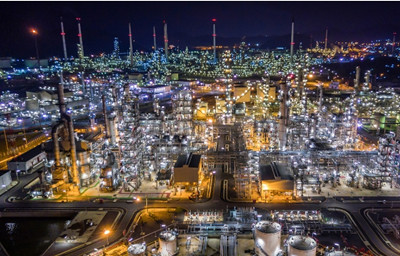
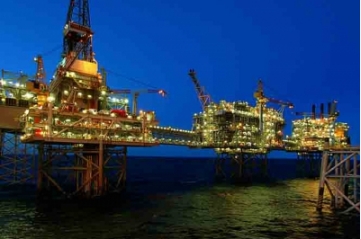
Offshore oil and gas platforms are one of the clearest locations where explosion-proof lighting is needed. On drilling decks and in production zones, hydrocarbons plus flammable vapors are present, so there is a continual possibility of ignition. Explosion-proof lights bring the required visibility for work tasks, gear monitoring, and routine safety checks, so staff can carry out responsibilities safely even in areas where explosive atmospheres can form. In control rooms and maintenance pockets, these lights stay dependable even with high humidity and salt-heavy air, which makes standard lighting fade much quicker.
2. Ship Decks and Engine Rooms
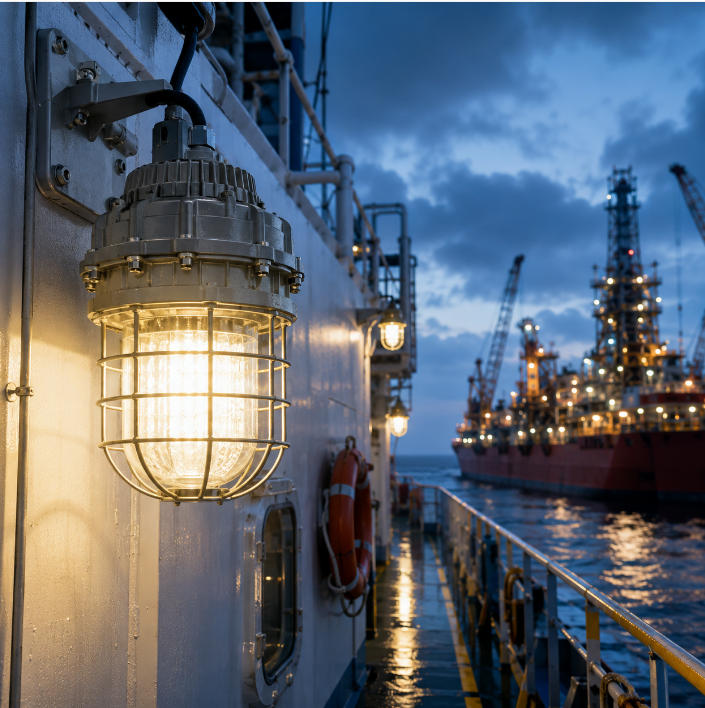
Ships also need explosion proof lighting in key areas, like decks, fuel handling zones, and engine rooms. On deck, light is needed for safe navigation, cargo handling, and crew movement, especially during night operations or when the seas are rough. In the engine rooms, where heat, vibration, and flammable gases show up together, explosion proof fixtures stop sparks or excessive heat from igniting a hazardous atmosphere. When illumination stays steady, these lighting systems improve operational safety and efficiency in areas where standard lighting would be inadequate or unsafe.
3. Offshore Wind Farms
As renewable energy expands into offshore locations, wind turbines and those maintenance platforms also need explosion-proof lighting solutions. Workers often carry out inspections, repairs, or adjustments in places with strong winds, heavy rain, and salt spray. Explosion-proof lights give a durable and dependable glow, so tasks can keep running safely even when conditions get rough. Because they can handle vibration and impact, the illumination stays usable for long stretches without constant upkeep, and that matters a lot in remote offshore settings.
4. Dockyards and Terminals
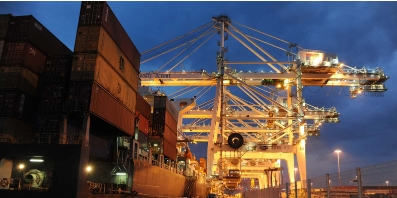
Marine terminals, dockyards, and ports deal with flammable cargo, do fuel transfers, and run other industrial processes that can turn into explosion hazards. Explosion proof lighting helps keep the loading and unloading activities safe, it also lights pedestrian ways so people can navigate, and it gives solid visibility for equipment operation too. Their corrosion resistant build, and this high ingress protection, lets the lights handle water, dust, and mechanical impacts quite well. That is why they work well for open air marine facilities where the weather exposure stays constant.
5. Emergency and Evacuation Areas
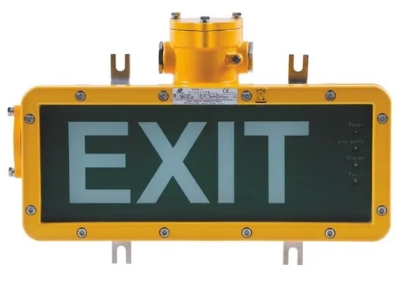
In a marine or offshore setting, emergency preparedness is pretty crucial, like seriously. Explosion-proof emergency lights are often placed along escape routes, stairwells, and at muster stations, so people can still get out during emergencies such as fire, gas leaks, or sudden equipment failures. The lights keep shining when power flickers, when the surroundings are extreme, or when there’s mechanical stress. That way, personnel can find their way even when things are critical.
6. Portable and Temporary Applications
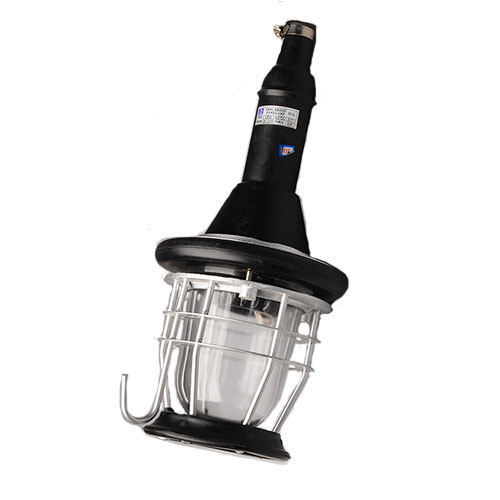
Explosion-proof lighting is not only for fixed installations. Portable units and temporary fixtures are used a lot for inspection work, maintenance tasks, and emergency response in offshore and marine environments. The portable explosion-proof lights give flexibility, so crews can light up specific zones without reducing safety. The robust build plus sealed housings mean these stopgap lighting options can be deployed in harsh conditions without ignition risk
Final Thoughts
Marine and offshore contexts need lighting setups that are reliable, and also safe, always. Explosion-proof lighting systems handle these demands well, because they provide sturdy dependable designs, durable and compliant for hazardous atmospheres. Investing in high-quality explosion-proof lighting fixtures helps protect staff and equipment, but it also drives operational efficiency, so marine and offshore work can keep going safely day or night, even when the conditions are most challenging.
