How to Prevent Moisture Ingress in Marine Spotlights
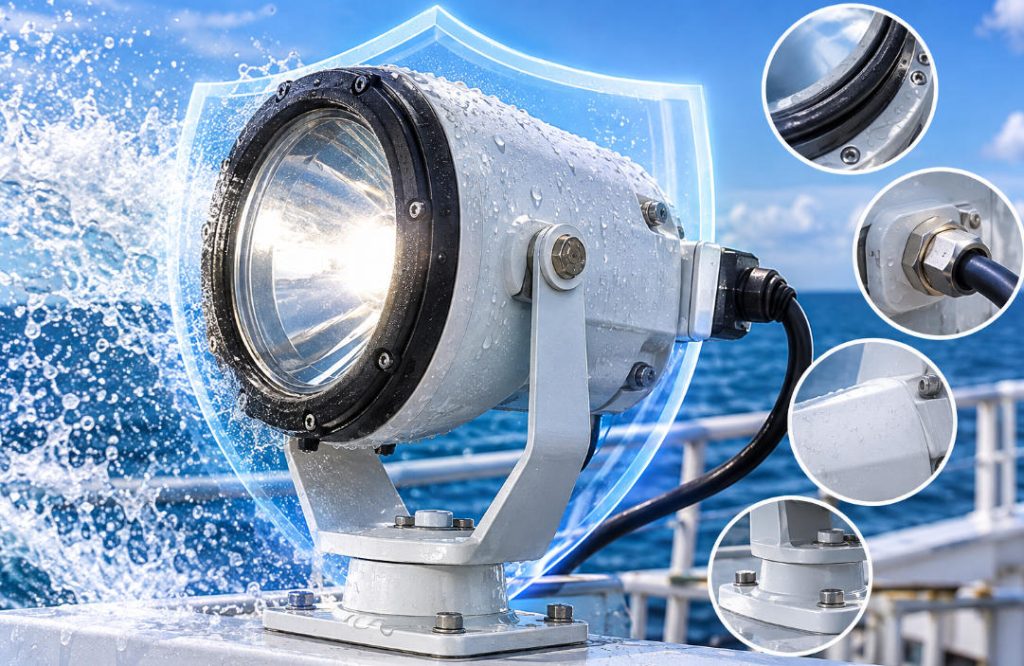
Marine spotlights serve multiple purposes and are necessary on most types of marine equipment including fishing vessels, offshore platforms, ships, and yachts. They provide powerful illumination for navigation assistance, deck operations, search and rescue activities, and nighttime visibility. However, marine environments expose lighting equipment to harsh conditions, including seawater spray, high humidity, heavy rain, temperature fluctuations, and salt-laden air.
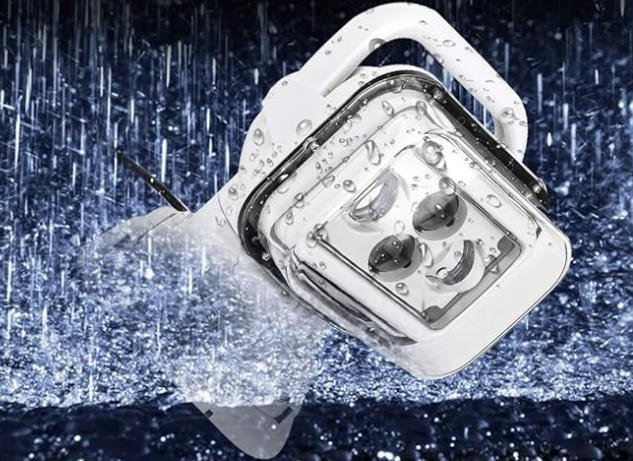
One common and major problem for marine spotlights is the moisture ingress. When moisture enters the unit, the spotlight’s lens may fog, parts can corrode, short circuits may cause electrical failure, lighting performance may be significantly reduced, and the unit may have to be replaced prematurely.
Preventing moisture ingress is therefore essential for maintaining the reliability, safety, and service life of marine spotlights. Effective moisture control involves good design, high quality seals, high quality waterproof seals, proper installation, and regularly planned and carried out maintenance.
The article explores moisture ingress causes and gives some practical ways to prevent water penetration while sustaining reliable lighting.
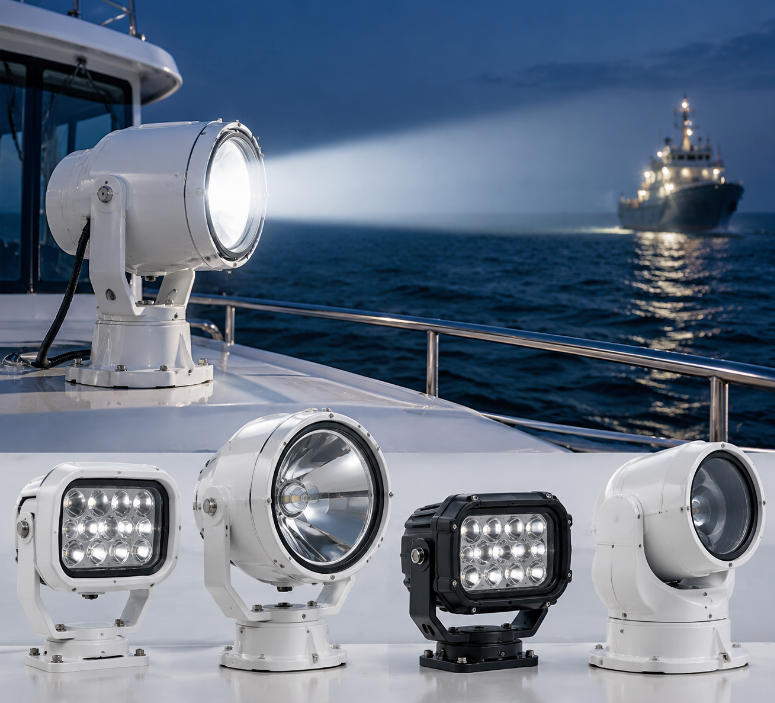
Table of Contents
Understand the Main Causes of Moisture Ingress
Before selecting preventive measures, it is important to understand how moisture enters marine spotlights. Even when a spotlight has a waterproof housing, improper sealing, material aging, and installation errors can create potential entry points.
| Main Causes | Detailed Explanation | Potential Consequences |
| Damaged or Aging Seals | Rubber gaskets and sealing rings deteriorate due to UV exposure, saltwater, heat, and long-term use. | Water leakage, internal condensation, and corrosion. |
| Improper Housing Assembly | Incorrect installation, loose screws, uneven tightening, or misplaced gaskets create gaps in the housing. | Reduced waterproof performance and water penetration. |
| Temperature Fluctuations | Rapid changes between operating temperatures and cold marine environments cause internal condensation. | Lens fogging, water droplets, and electrical component damage. |
| Poor Cable Entry Protection | Improperly installed cable glands and connectors allow water to enter through electrical openings. | Short circuits, insulation damage, and electrical failure. |
| Corrosion and Surface Damage | Saltwater, humidity, and airborne salt gradually damage metal housings, joints, and protective coatings. | Structural deterioration and weakened sealing performance. |
| Damaged Lens or Housing | Cracks, scratches, impact damage, or defective joints create pathways for moisture. | Water leakage, reduced illumination, and internal component damage. |
| Improper Installation | Incorrect mounting orientation, unsuitable installation locations, or unauthorized drilling can compromise waterproof protection. | Water accumulation and leakage around mounting or cable openings. |
| Poor Maintenance Practices | Neglecting inspections or reopening the housing without properly restoring its seals can introduce moisture. | Progressive water ingress, corrosion, and premature equipment failure. |
Effective Strategies for Preventing Moisture Ingress in Marine Spotlights
1. Choose Marine-Grade Waterproof Housing
The spotlight housing is the first line of defense against external moisture. Selecting a marine-grade enclosure with an appropriate waterproof design is one of the most effective ways to prevent water penetration.
Marine spotlights should use durable materials that can withstand seawater exposure, humidity, ultraviolet radiation, and mechanical impact. Common housing materials include marine-grade aluminum alloys and corrosion-resistant stainless steel.
The housing should also have a well-designed structure with minimal unnecessary openings. Precisely manufactured joints, reinforced connection points, and secure lens assemblies help reduce potential leakage paths.
Another important consideration is the Ingress Protection (IP) rating. The IP rating indicates the level of protection provided against solid particles and water.
| IP Rating | Protection Against Water | Typical Suitability |
| IP54 | Protection against water splashes from various directions | Protected marine equipment locations |
| IP55 | Protection against low-pressure water jets | General outdoor marine environments |
| IP56 | Protection against powerful water jets | Exposed marine installations |
| IP66 | Protection against powerful water jets and dust ingress | Harsh outdoor marine environments |
| IP67 | Protection against temporary immersion under specified test conditions | Equipment requiring temporary immersion protection |
| IP68 | Protection against continuous immersion under specified manufacturer conditions | Specialized marine applications |
It is important to note that an IP rating does not automatically guarantee resistance to every marine condition. Buyers should also consider salt spray resistance, vibration resistance, temperature performance, and the manufacturer’s testing specifications.

2. Use High-Quality Sealing Materials
Sealing components play a critical role in maintaining the waterproof performance of marine spotlights. Even a well-designed housing can experience moisture ingress if its gaskets or sealing rings are damaged or unsuitable for the operating environment.
Marine spotlight manufacturers should select sealing materials based on their resistance to water, salt, ultraviolet exposure, temperature changes, and long-term compression.
Common sealing materials include:
| Sealing Material | Main Characteristics | Advantages | Typical Applications |
| Silicone Rubber | Excellent temperature and weather resistance | Maintains flexibility under changing temperatures | Lens and housing seals |
| EPDM Rubber | Good resistance to water, ozone, and ultraviolet radiation | Suitable for outdoor marine environments | Waterproof gaskets |
| Nitrile Rubber (NBR) | Good resistance to oils and certain fuels | Useful in environments exposed to oil contamination | Cable and mechanical seals |
| Fluoroelastomer (FKM) | Excellent chemical and heat resistance | Suitable for demanding industrial environments | Specialized sealing applications |
| Polyurethane | Good abrasion resistance and mechanical strength | Durable under certain mechanical conditions | Protective sealing components |
In addition to selecting suitable materials, manufacturers should ensure that gaskets have consistent dimensions and are installed without twisting, stretching, or contamination.
Regular inspection is equally important. Cracked, flattened, hardened, or deformed seals should be replaced promptly rather than reused.
3. Improve Lens and Housing Joint Protection
The connection between the optical lens and spotlight housing is another important area where moisture can enter.
Marine spotlights often use glass or specially designed optical covers to protect internal reflectors, LED modules, and electrical components. If the lens assembly is not properly sealed, rainwater and seawater spray may penetrate through the joint.
To prevent this problem, manufacturers should use precision-machined contact surfaces and suitable sealing structures. The lens should fit evenly against the housing, while retaining screws should provide consistent compression without damaging the gasket.
For additional protection, some spotlight designs use waterproof bonding materials or specialized sealing compounds. These materials should be compatible with the lens and housing materials and should not interfere with future maintenance.
Proper assembly procedures are also essential. Excessive tightening can deform the gasket or crack the lens, while insufficient tightening may leave gaps that allow water penetration.
4. Protect Cable Entries and Electrical Connections
Electrical connection points are particularly vulnerable to moisture because water can penetrate through small openings and reach internal circuits.
Marine spotlights should use appropriately rated cable glands, waterproof connectors, and corrosion-resistant electrical terminals. These components help maintain a continuous moisture barrier between the external environment and the internal electrical system.
Cable installation should also follow good marine electrical practices. Cables should be routed to reduce direct water entry, and suitable drip loops can help prevent water from flowing along the cable into the connection area.
Connectors should be fully engaged, locking mechanisms should be secured, and cable glands should be tightened according to manufacturer specifications.
For additional protection, suitable marine-grade insulation and corrosion-resistant terminal treatments may be used where specified by the equipment manufacturer.
5. Reduce Internal Condensation
Not all moisture problems are caused by direct water leakage. Internal condensation can occur even when the spotlight housing remains completely sealed against external water.
When warm, humid air inside the housing cools, water vapor may condense on the inner surface of the lens or other components. This can result in fogging, water droplets, and corrosion.
Several design and maintenance measures can help reduce this risk.
7.Control Internal Humidity
Manufacturers can use appropriate drying procedures during assembly to minimize trapped moisture. Internal components and the housing should be clean and dry before final sealing.
Use Suitable Pressure Management Solutions
Some marine lighting products incorporate waterproof pressure-equalizing vents with hydrophobic membranes. These components allow pressure equalization while limiting liquid water penetration, helping reduce pressure differences caused by temperature changes.
Consider Desiccants Where Appropriate
Moisture-absorbing materials, such as silica gel, may be used in suitable sealed spotlight designs. However, they must be compatible with the product’s internal structure and maintenance requirements. They should not replace proper sealing.
Avoid Opening the Housing in Humid Conditions
When maintenance requires opening a spotlight, the work should be carried out in a clean, dry environment. Before reassembly, technicians should ensure that the interior is free from moisture and contaminants.
8. Apply Corrosion-Resistant Surface Treatments
Marine spotlights are continuously exposed to saltwater and salt-laden air. Corrosion can damage the housing surface, weaken fasteners, and eventually compromise waterproof protection.
Using corrosion-resistant materials in marine spotlights and suitable surface treatments helps maintain the structural integrity of the spotlight.
For aluminum housings, anodizing and marine-grade protective coatings can improve resistance to corrosion. Stainless steel fasteners, particularly suitable marine-grade stainless steel such as 316, can help reduce corrosion risks in many marine applications.
Protective coatings should be applied evenly, especially around mounting points, joints, and exposed edges. Damaged coatings should be repaired according to manufacturer recommendations.
It is also advisable to rinse exposed spotlight surfaces with fresh water periodically to remove accumulated salt deposits.
9. Ensure Correct Installation and Mounting
Even a high-quality marine spotlight may experience moisture ingress if it is installed incorrectly. Installation and mounting procedures in marine spotlights directly affect the performance of seals, cable connections, and housing joints.
Before installation, technicians should check the mounting surface, fastening components, cable openings, and sealing accessories. The installation location should also be suitable for the spotlight’s specified waterproof rating and operating conditions.
During installation, all screws should be tightened evenly and according to the recommended torque. Cable glands must be correctly positioned, and unnecessary drilling or modifications to the housing should be avoided.
For spotlights installed on exposed decks, masts, or other locations frequently exposed to seawater spray, additional attention should be given to cable routing and mounting orientation.
Following the manufacturer’s installation instructions helps maintain the original waterproof performance and reduces the risk of premature equipment failure.
10. Perform Regular Inspection and Maintenance
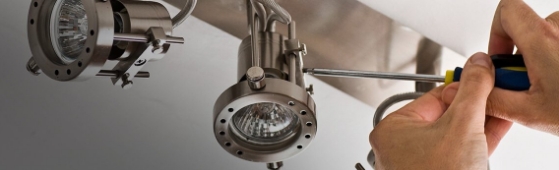
Preventive maintenance in marine spotlights is essential for identifying early signs of moisture ingress before they develop into serious electrical or structural problems.
Marine spotlights should be inspected regularly, especially when installed in exposed locations or used in demanding marine environments.
| Inspection Item | What to Check | Recommended Action |
| Lens Surface | Cracks, scratches, fogging, and water droplets | Clean or replace damaged lenses |
| Housing | Corrosion, cracks, and physical damage | Repair protective coatings or replace damaged components |
| Rubber Gaskets | Hardening, cracking, deformation, and aging | Replace deteriorated seals |
| Cable Glands | Loose fittings and damaged sealing surfaces | Tighten or replace according to specifications |
| Electrical Connectors | Corrosion, moisture, and loose connections | Clean, dry, and replace damaged connectors |
| Mounting Hardware | Loose screws and corrosion | Retighten or replace fasteners |
| Internal Components | Condensation, rust, and water traces | Investigate the moisture source and repair the sealing system |
Maintenance intervals should be based on the manufacturer’s recommendations, operating conditions, and applicable vessel maintenance procedures.
After maintenance, the spotlight should be reassembled correctly and checked using an appropriate inspection or waterproof verification procedure.
How to Select a Reliable Marine Spotlight Manufacturer
A critical factor in controlling moisture intrusion is selecting the right manufacturer. Product quality, from the choice of material and the design of the product, through manufacturing to sealing and quality control, greatly affects the end product quality.
In order to avoid bad quality products, customers must be aware of the below points:
- Waterproof Quality: Always make sure the supplier is providing documentation with a specific IP rating to back their claim.
- Product Quality for Use in Marine Environments: Look to see if the supplier claims to have considered the effects of salt spray, corrosion, exposure to sunlight, as well as changes in weather/ temperature, when designing their spotlight.
- Quality of the Enclosure: Take a look at the quality of materials and the quality of treatments (such as coatings), and how it is built.
- Sealing Quality: Take a look at the sealing systems (e.g. gaskets, seals around lenses, etc.) and the cables used to supply electricity, as well as the connectors.
- Quality of Electrics: Review the systems of electrical insulation and the grounding system to ensure safety. Check the connectors and their protection system, and check the applicable rules for the marine sector.
- Quality Testing: Check if the manufacturer carries out waterproofing tests, corrosion tests, vibration tests, and tests for changes in weather/ temperature (where applicable).
- After-Sales Support: How readily available are replacement parts (gaskets, lenses, connectors, etc.), and how accessible is technical support for installation and maintenance?
Experienced marine spotlight manufacturers design their products with the marine environment in mind, helping the vessel operators gain confidence in their lighting equipment and allowing operators to focus on their primary responsibility.
Summary
Preventing moisture ingress in marine spotlights involves good product design, high-quality material selection, and regular installation and maintenance practices. The spotlights require waterproofing components such as condensation control and anti-corrosion protection.
Vessel operators can use marine-grade spotlights with known and certified waterproofing performance. Operators must also properly follow maintenance practices to minimize equipment replacement, and reduce electrical failures and water penetration.
Marine lighting manufacturers can improve their products through advanced sealing technologies, refined housing structures, and the utilization of better lighting materials, while applying higher standards of testing to ensure greater reliability.
Ultimately, effective moisture protection improves the spotlight’s useful life and supports safer and more dependable lighting operations in extreme marine conditions.
