
Marine Lighting Replacement: How to Verify Electrical Compatibility
Replacing a damaged or outdated marine light may appear to be a simple maintenance task. However, a replacement fixture should not be selected based only on its appearance, mounting dimensions, or wattage.
The most important question is whether the new marine light is electrically compatible with the vessel’s existing lighting circuit.
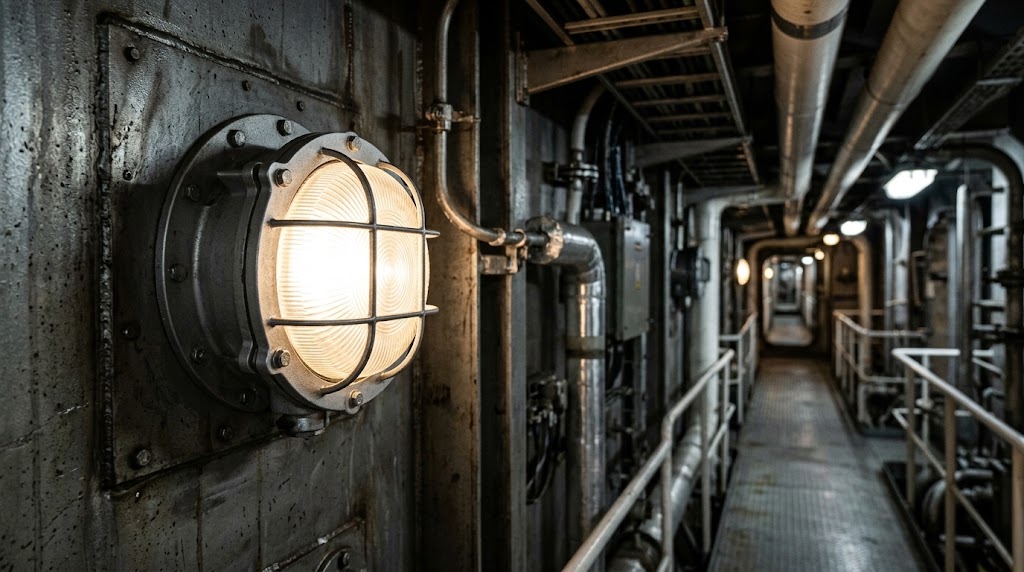
An incompatible replacement can result in poor lighting performance, premature failure, driver damage, circuit overload, or unsafe operation. For shipowners, shipyards, marine electricians, and purchasing teams, electrical compatibility should therefore be verified before placing a replacement order.
This guide explains the key electrical parameters to check when selecting a replacement marine light.
Table of Contents
Check the Rated Voltage First
The first step is to identify the voltage supplied by the existing lighting circuit.
Common marine lighting systems may use different voltage levels, including 12V, 24V, 110V, 220V, or other vessel-specific configurations. The replacement light must be designed for the actual voltage supplied to the fixture.
For example, a 24V DC marine light should not be connected directly to a 220V AC circuit. Similarly, installing a 220V fixture on a 24V circuit may result in insufficient output or failure to operate.
Before purchasing, check:
- Existing fixture nameplate
- Vessel electrical drawings
- Distribution panel specifications
- Maintenance records
- Original lighting specifications
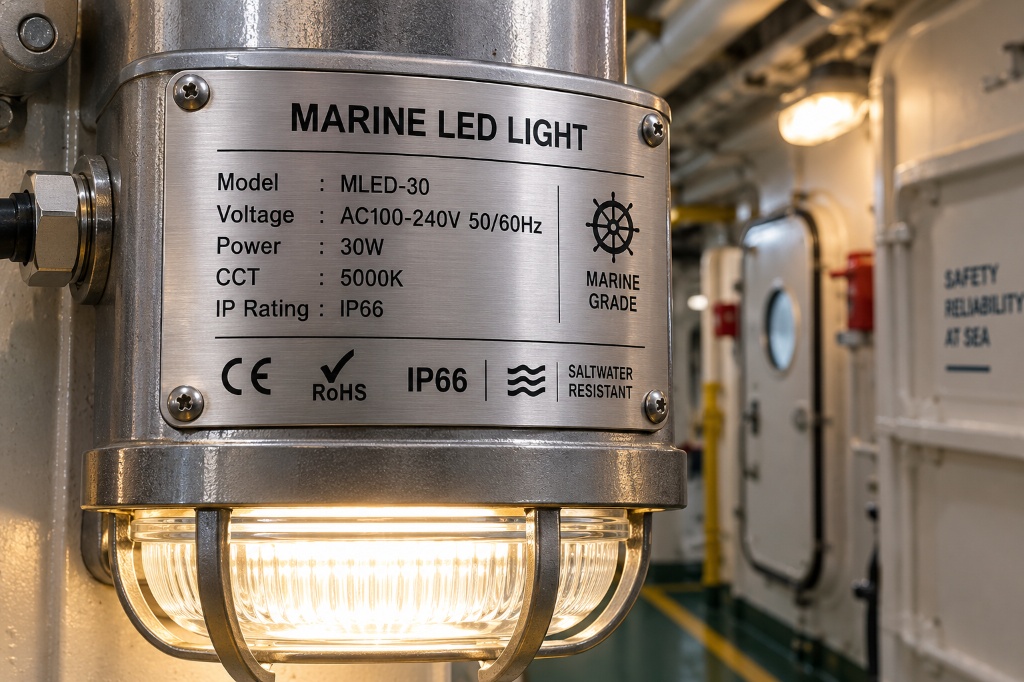
A wide-input fixture can sometimes simplify replacement. For example, some marine lighting models are designed for AC100–240V, 50/60Hz, while other versions are specifically designed for DC24V. These specifications must still be matched with the vessel’s actual power supply.
Confirm AC or DC Power
Voltage alone is not enough. The replacement light must also use the correct type of electrical supply.
Check whether the existing circuit provides:
- AC power
- DC power
- Single-phase AC
- Other vessel-specific configurations
This is particularly important when replacing older lighting with LED marine lights. An LED fixture may have an integrated driver or require a specific external power supply.
A DC24V fixture and an AC100–240V fixture are not interchangeable simply because they have similar dimensions or similar light output.
The AC/DC specification should therefore be confirmed before comparing products.
Check Frequency and Input Range
For AC marine lighting, frequency is another important parameter.
Many commercial marine fixtures are designed for 50Hz or 60Hz, while some products have a wider input frequency range. The replacement specification should be compared with the vessel’s electrical system.
For example, a fixture rated at AC100–240V 50/60Hz provides a different level of compatibility from a fixture designed for one specific voltage and frequency.
For replacement projects, purchasing teams should record the complete input specification rather than requesting a product based only on “220V marine light.”
Compare Power and Driver Requirements
Wattage should also be evaluated, but it should not be treated as the only electrical parameter.
When replacing a traditional lamp with an LED marine light, the new fixture may provide similar or higher light output with significantly lower power consumption.
The key parameters to compare include:
- Rated power
- Power factor
- Light output
- Driver type
- Input current
- Starting characteristics
For example, some marine LED fixtures incorporate electrical components designed to provide stable operation and may include power-factor compensation.
If the replacement involves a large number of fixtures, the total load on the lighting circuit should also be reviewed rather than evaluating each lamp independently.
Verify Protection and Marine Environmental Requirements
Electrical compatibility does not mean the replacement is suitable for the installation location.
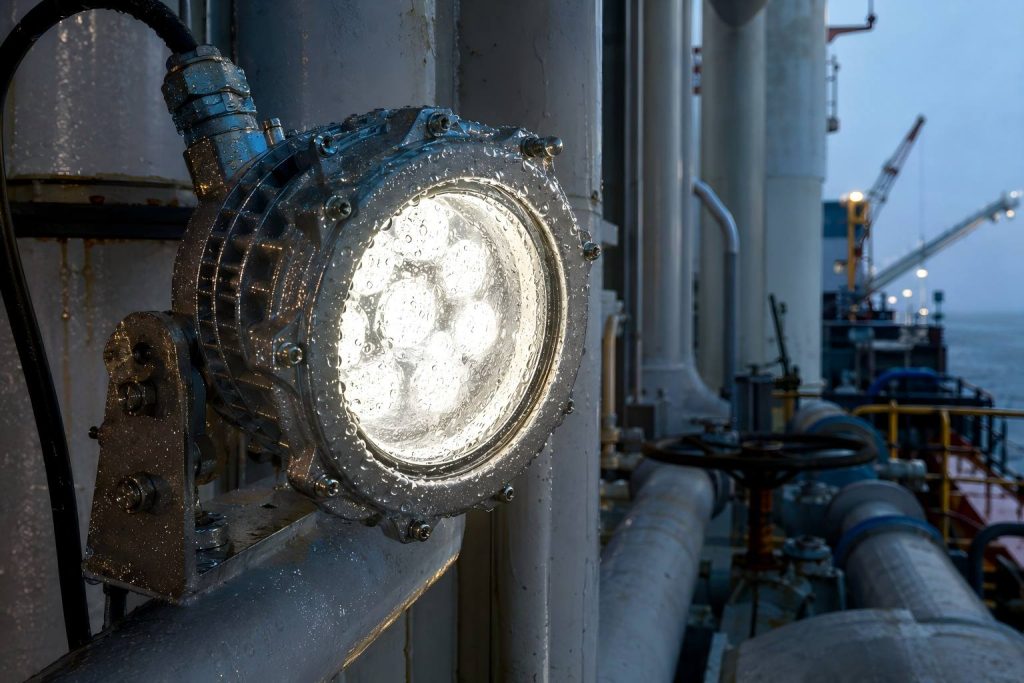
Marine lights may be exposed to condensation, dripping water, splashing water, seawater, vibration, temperature changes, and other demanding conditions.
The required protection level should therefore be checked against the installation environment.
For example:
- Engine rooms may require protection against moisture and condensation.
- Open decks may experience rain and seawater exposure.
- Cargo areas may require higher mechanical and environmental protection.
- Hazardous areas may require certified explosion-proof lighting.
Marine lighting products can have different IP ratings depending on their intended application. For example, certain Yushuo marine lighting models are rated IP56, while the CGD6 marine cargo light is rated IP66.
The replacement should therefore match both the electrical system and the environmental requirements of the installation area.
Check Wiring, Cable Entry and Installation
A replacement light can have correct electrical specifications but still create installation problems.
Before ordering, verify:
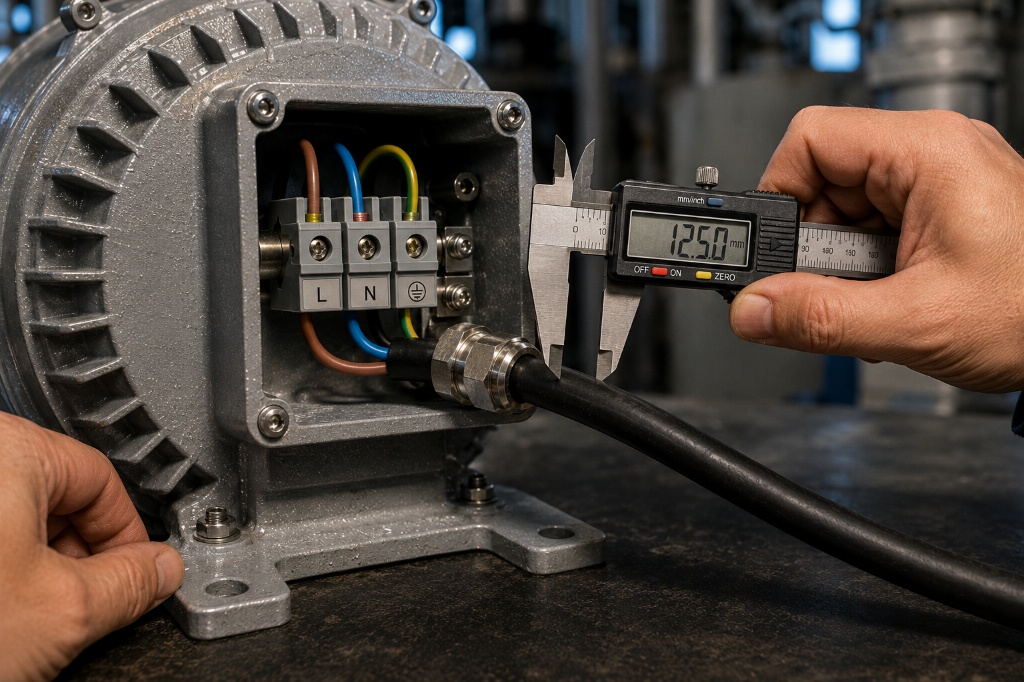
- Cable diameter
- Cable entry position
- Terminal or connector type
- Mounting method
- Mounting hole dimensions
- Available installation space
- Cable length requirements
For example, marine fixtures may specify compatible cable diameters such as 10–14 mm.
Checking these details before shipment can reduce modification work during installation and avoid unexpected delays during vessel maintenance.
Confirm Certification and Vessel Requirements
For commercial vessels and marine projects, certification can be an important part of replacement approval.
Depending on the vessel, project, and classification requirements, buyers may need to check certifications or approvals from organizations such as CCS, ABS, DNV, BV, LR, RINA, or other applicable bodies.
A replacement fixture should be evaluated against the requirements of the vessel and the installation project rather than selected solely on price.
For example, some Yushuo marine lighting products carry CCS approval, while the product range also references multiple marine-related certifications.
Marine Lighting Replacement Checklist
Before ordering a replacement marine light, verify the following:
| Parameter | What to Check |
| Voltage | 12V / 24V / 110V / 220V or other |
| Current Type | AC or DC |
| Frequency | 50Hz / 60Hz / applicable range |
| Power | Rated wattage and input current |
| Driver | Integrated or external |
| IP Rating | Suitable for the installation area |
| Cable | Diameter, entry and connection |
| Mounting | Dimensions and mounting method |
| Certification | Required marine/class approvals |
| Environment | Temperature, moisture, vibration and corrosion |
Conclusion
Marine lighting replacement should be treated as an electrical and application-matching task, not simply a product substitution.
The correct replacement should match the vessel’s voltage, AC/DC system, frequency, power requirements, driver characteristics, protection level, wiring configuration, installation conditions, and applicable certification requirements.
For shipyards, vessel operators, maintenance contractors, and marine equipment distributors, providing the existing fixture model, nameplate information, photographs, electrical specifications, and installation location to a marine lighting supplier can significantly simplify product matching.
A qualified marine lighting manufacturer can then evaluate the existing specification and identify a suitable replacement configuration before the order is finalized.
