
How Engineers Select Explosion-proof Lighting Equipment for Hazardous Areas
In offshore, marine oil and gas projects explosion-proof lighting is a part of the essential systems to be that are envisioned in the initial phases of design. While adherence to ATEX as well as IECEx certification is a vital prerequisite, experienced engineers realize that certification alone will not guarantee that the lighting solution is appropriate for long-term operations.
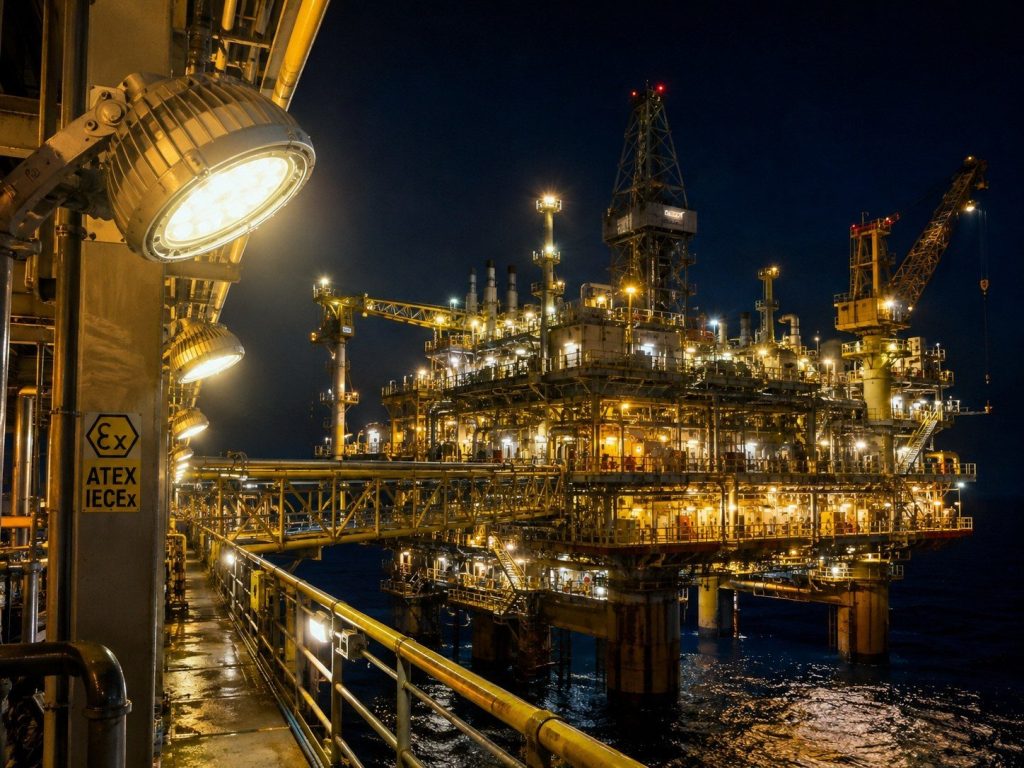
In actual applications there are instances where two installations with the same hazardous classification could require totally different lighting options. In addition to Zone classification, other factors like operating conditions and the possibility of corrosion, accessibility to maintenance and long-term reliability of equipment all affect the final choice for hazardous area lighting.
For companies that specialize in the field of explosion-proof lighting the primary goal of every review isn’t just providing a certified fixture rather, assisting engineers in identifying the right lighting solution that is compatible with the operating conditions of the life of the equipment.
Table of Contents
Hazardous Area Classification Is the Starting Point
Hazardous area classification is the first technical element engineers consider when they specify explosion-proof lighting. It defines the minimum level of protection from explosions that is that electrical equipment must have in areas of high risk.
However, in actual engineering projects Zone 0 or Zone 1 and Zone 2 classifications are rarely the only considerations when choosing lighting equipment.
A well-designed, hazardous area lighting solution usually takes into account various engineering aspects.
| Engineering Consideration | Why It Matters |
| Hazardous Area Classification | Confirms the required level of explosion protection. |
| Flammable Gas Type | Different gases require different protection methods. |
| Installation Environment | Evaluates the effects of salt spray, humidity, heat, vibration, and other environmental conditions. |
| Mounting Method | Influences fixture structure, mounting accessories, and future maintenance. |
| Explosion-Proof Certification | Ensures compliance with project specifications and applicable regulations. |
| Maintenance Requirements | Improves long-term reliability while reducing maintenance frequency. |
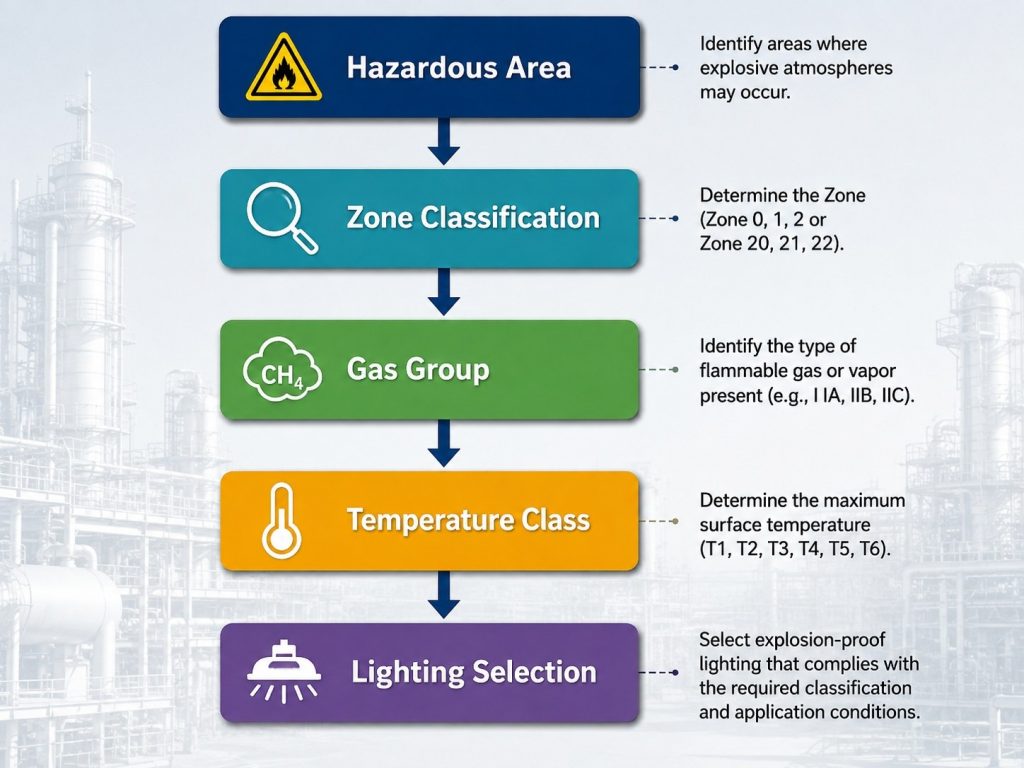
From a technical perspective The classification of hazardous areas is used to determine whether a fixture is appropriate for installation, and the operating environment is what determines how well it can endure over many years of use.
Similar Hazardous Areas May Require Different Lighting Solutions
One of the most neglected aspects of the hazardous area lighting is the fact that similar classifications don’t necessarily require identical lighting equipment.
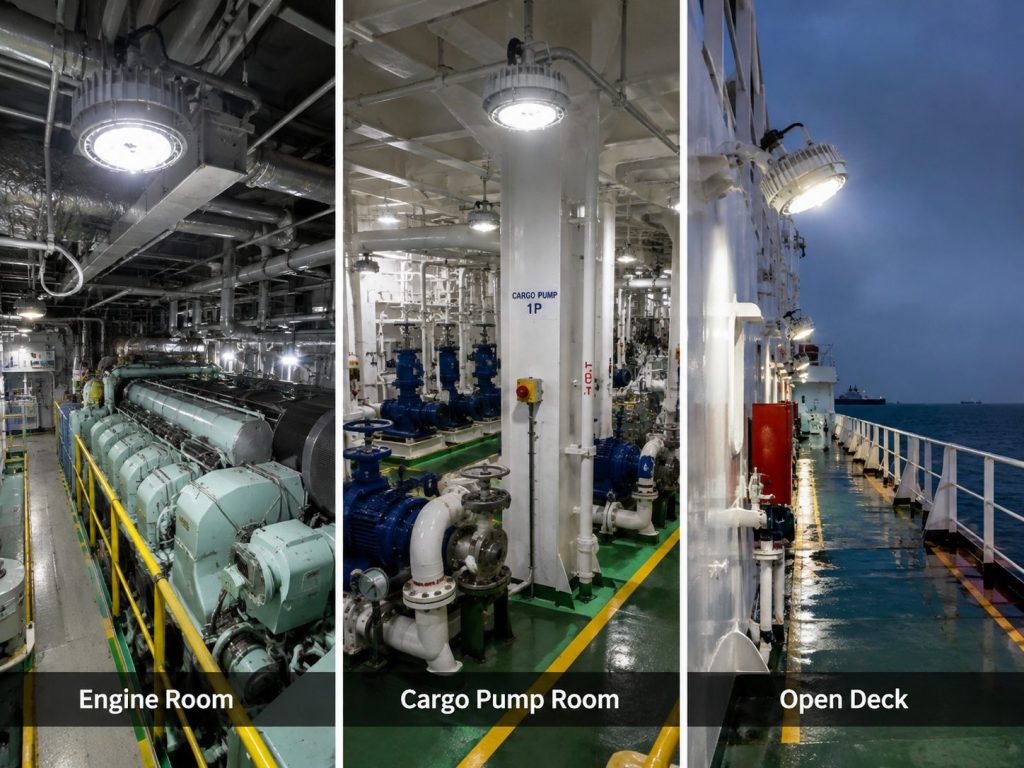
For instance, several locations on the same vessel could belong to Zone 1 but each one presents specific environmental challenges that impact the choice of explosion-proof lighting.
Engine Room
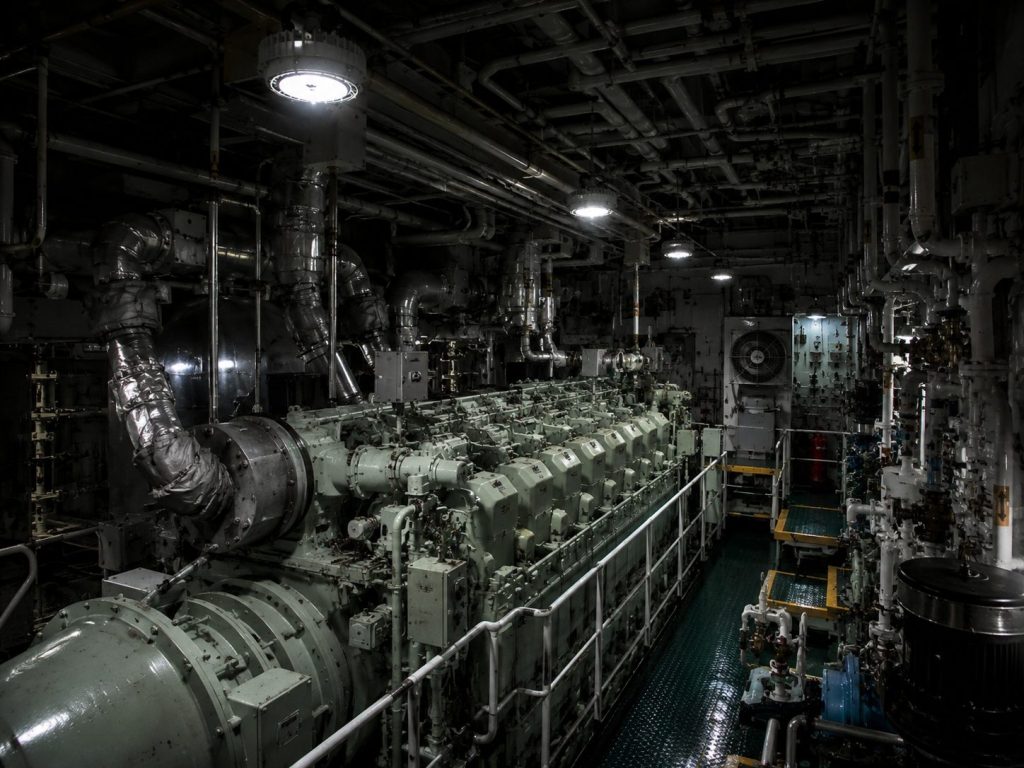
Engine rooms work under constant high temperatures or humidity, vibrations, and extended hours of operation. In these situations engineers pay focus on the management of thermal energy, structural strength and long-term stability of operation rather than solely focusing on the explosion protection ratings.
Cargo Pump Room
Cargo pump rooms can contain gases that are flammable during normal operation and maintain constant humidity levels. This means that the sealing efficiency along with corrosion resistance and long-term durability are important factors when choosing the right the lighting fixtures that are suitable for hazardous areas.
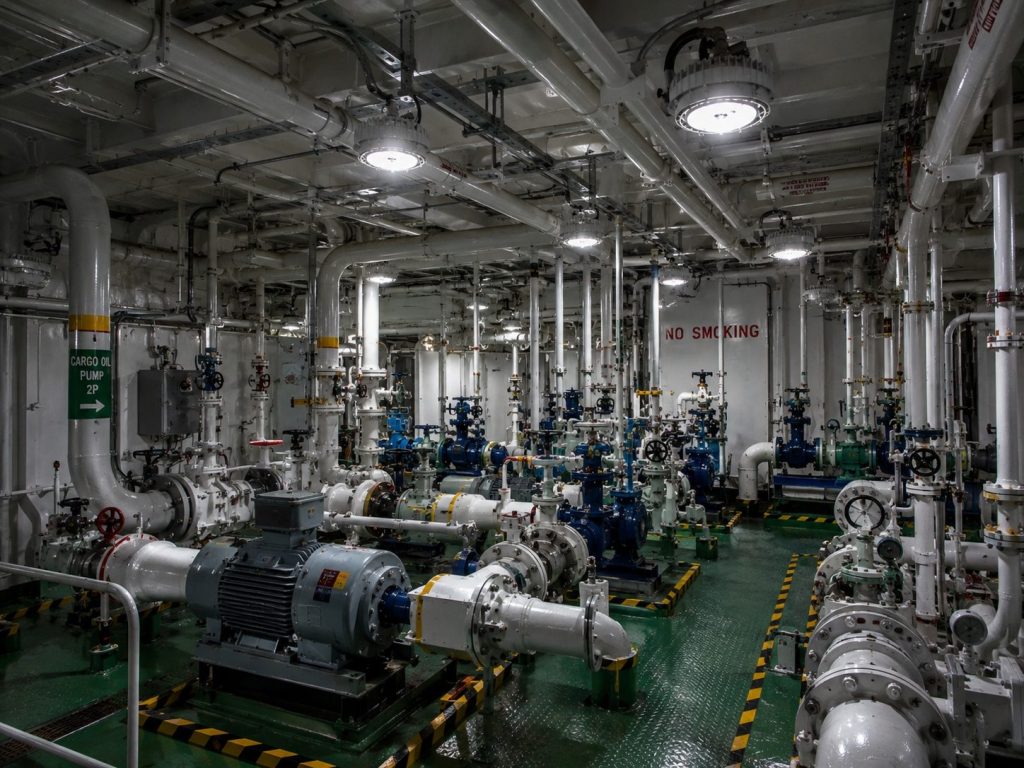
Open Deck
The lighting on decks that are open is exposed to constant ultraviolet radiation, salt spray as well as heavy rain and intense winds. In these conditions the materials used for housing, surface treatments and sealing systems typically affect the fixture life span than lighting performance itself.
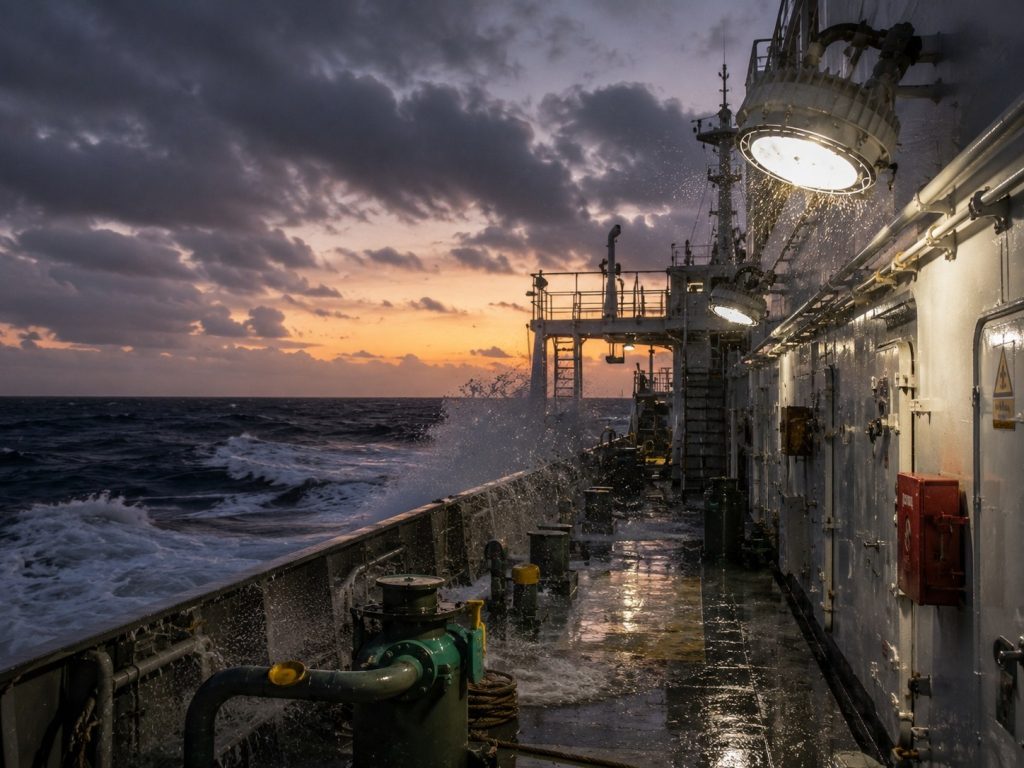
While these zones may have the same classification of hazardous areas however their working conditions are quite different. Therefore, the best lighting system may differ between different locations.
Long-Term Reliability Matters More Than Certification Alone
Certification is often the initial requirement that is checked during the selection of equipment. Once an operation begins in phase, reliability over time often becomes the primary determinant of the overall performance of the system.
For instance, the explosion-proof lighting that is installed on offshore platforms have to be able to withstand the rigors of sea salt, vibrating and high humidity, while ensuring constant performance. In the event that the housing of the light fixture or thermal management system or corrosion protection are not specifically designed to withstand the conditions that are encountered, the frequency of maintenance can increase despite complete conformance to standards for certification.
During project evaluation, engineering teams typically review additional factors such as:
- Whether the housing material is suitable for marine environments.
- Whether the corrosion protection system supports long-term outdoor exposure.
- Whether the sealing design can maintain reliable protection over time.
- Whether the thermal management system supports continuous operation.
- Whether future maintenance and fixture replacement can be carried out efficiently.
These engineering details may not appear on a certification document, but they directly influence the reliability and service life of the lighting system.
The Real Value of Explosion-Proof Lighting Extends Beyond Certification
Area lighting systems that are hazardous to the environment are generally expected to work in a reliable manner for many years.
While the initial purchase price is significant, maintenance costs such as equipment replacement and downtime during operation typically make up more of the total cost.
As an example replacement of an explosion-proof fixture on an offshore or vessel platform might require scheduling maintenance and permits for work safety inspections, co-ordination with the other operating tasks. An illumination system which reduces maintenance requirements could therefore offer more value over the lifecycle of the project.
In this regard, engineers are more likely to evaluate Hazardous Zone Lighting in a lifecycle view instead of comparing the products only on the specifications or purchase prices.
Building a Practical Lighting Selection Strategy
Each hazardous zone project faces particular environmental challenges. This implies that there isn’t always an all-encompassing solution to explosion-proof lighting.
A structured engineering evaluation generally considers the following questions:
- Has the hazardous area classification been verified?
- Have the flammable media and operating conditions been fully assessed?
- Will the installation be exposed to salt spray, vibration, heat, or other harsh environmental conditions?
- Does the equipment meet all required certification standards?
- Is the fixture designed for long-term operational reliability?
- Can maintenance and future replacement be carried out efficiently?
- Does the lighting solution support the expected service life of the project?
When analyzing these elements together, engineers can design a lighting system that is not just compliant with safety requirements, but also provides reliable performance throughout the project’s duration.
Conclusion
The selection of explosion-proof lighting is primarily an engineering procedure guided by requirements for the specific application and not based on product specifications alone. While the classification of hazardous areas lighting provides the basis for equipment selection Long-term performance is determined by the environmental conditions, the reliability of equipment accessibility to maintenance, and lifecycle aspects.
For offshore, marine, and other applications in hazardous areas A reliable Hazardous Area Lighting system must not only meet international safety standards, but also be able to handle harsh operating environments with dependable performance throughout its life. This design-oriented approach continues to guide the evolution of the design for lighting in hazardous areas throughout contemporary industrial projects.
