Remote Monitoring in Marine Navigation Lights
Marine navigation lights are essential safety elements that make sure vessels are visible and recognized at sea, especially in low visibility conditions. Traditionally,the monitoring and maintenance of these lights required physical inspections, which could be both labor-intensive and prone to delays in detecting failures. Thanks to the advent of digital technology, remote monitoring systems have transformed how marine navigation lights are managed, providing greater safety, efficiency, and reliability.
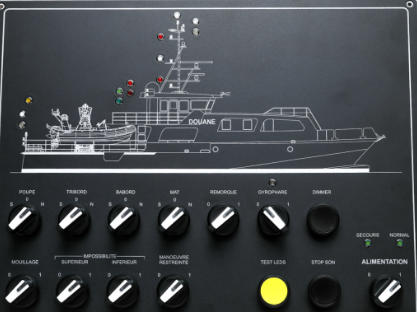
Why Need Remote Monitoring in Marine Navigation Lights
Enhancing Maritime Safety
The most important reason for implementing the remote monitor is in order to increase the safety in navigation lights. A light that is out of order on the on the sea or in a busy harbor might go unnoticed over prolonged periods, especially if inspections happen frequently. Remote monitoring can eliminate this danger by identifying malfunctions immediately and alerting the operators, ensuring that corrective actions are taken before any accidents happen. The real-time monitor increases security for the crew, vessels and the infrastructure around them.
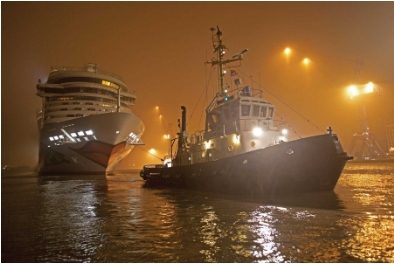
Reducing Operational Costs
Inspection of the marine navigation lights typically requires special teams, vessels and personnel, which makes it an expensive and unproductive procedure. Remote monitoring can reduce the frequency of inspections, allowing the users to monitor the status of lighting from central control centers. Maintenance efforts are then concentrated on the lights that require attention that can lower the operational cost while also ensuring high reliability.
Supporting Predictive Maintenance
Another benefits of remotely monitoring its ability to carry out pre-planned maintenance. Through the collection and analysis of information about the level of batteries as well as energy consumption and performance at light levels, technicians are able to identify early warning indicators of malfunction. This helps to plan maintenance prior to failures occur, which can extend the lifespan of equipment as well as reduce the cost of emergency repairs.
Ensuring Regulatory Compliance
Authorities in the maritime sector require absolute compliance with security rules and require evidence of navigation lighting working throughout the day. Monitoring systems for remote monitoring automatically produce reports and logs that could be used in inspections or audits. This is not just time-saving but also guarantees accuracy in compliance documents, decreasing the possibility of operational delays or penalties.
Improving Efficiency in Harsh Environments
The marine navigation lights are typically used in offshore, remote, or harsh environments, such as wind farms, oil platforms and coastal zones that are exposed. Regular physical inspections in these areas can be difficult and risky. Remote monitoring is a secure and efficient method of overseeing these systems, without the requirement for human involvement increasing operational efficiency and making maintenance crews less vulnerable.

The Core Components of Remote Monitoring System in Marine Navigation Lights
| Component | Description | Function in the System |
| Sensors | Devices that can detect certain parameters like light intensity or power status. the battery’s charge. | Real-time information about the operation status of the navigation lights. |
| Control Module | The unit for processing that gathers sensor data and evaluates the system’s performance. | Identifies anomalies, sets alarms and connects to external networks. |
| Communication Unit | It includes satellite, cellular or radio modules to facilitate data transfer. | Transmits information about performance and alerts to central monitoring stations. |
| Power Supply | Typically, solar panels, batteries or hybrid systems are used to power the lights and monitoring units. | It ensures constant operation and continuous monitoring in marine environments that are remote. |
| Monitoring Platform | The central software or dashboard is available to the operators who are onshore or onboard. | Provides real-time information, issues alerts, and allows for system adjustments or to control. |
| Security Features | Security protocols for encryption and backup systems. | Data transmission is protected and it ensures security against technical or cyber malfunctions. |
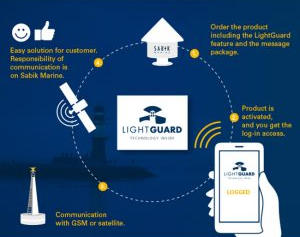
The Working Process of Remote Monitoring System in Marine Navigation Lights
1. Data Transmission and Communication
After the data has been gathered after which it is transmitted through the navigation light to people onshore or aboard vessels. The transmission is generally accomplished by satellite connections or cellular networks. radio frequency technology. The location of the communication is determined by the area–for example, ports that are busy or offshore, different methods of communication are employed to ensure continuous connectivity. The data is transmitted to central monitoring stations which operators are able to access via specific platforms, or through integrated fleet management software.
2. Real-Time Alerts and Notifications
One of the key characteristics in remote surveillance is its capability to send instant alerts. If a light on the navigation system malfunctions dims, turns off or ceases to function then an automatic notification is immediately sent. The alerts are sent via email, SMS or via direct dashboards of software that allow the operator to respond promptly and reduce the risk of injury.
3. Remote Control and Adjustments
Alongside monitoring capabilities, many systems permit remote control. Operators are able to turn lights on and off or adjust the brightness level or alter settings without being physically present at the location. This feature is particularly beneficial in the case of solar-powered navigation lights, since the energy consumption can be controlled by remote control based on the weather conditions.
4. Integration with Maintenance Systems
The information collected from remote monitoring is more than simply provide real-time monitoring. It is then stored and analysed to anticipate maintenance requirements. The performance logs from the past enable operators to identify patterns, like the decline in battery efficiency, or repeated power-related faults. This ability to predict problems ensures maintenance of navigation lights is scheduled in advance which reduces downtime and helps prevent breakdowns during crucial operations.
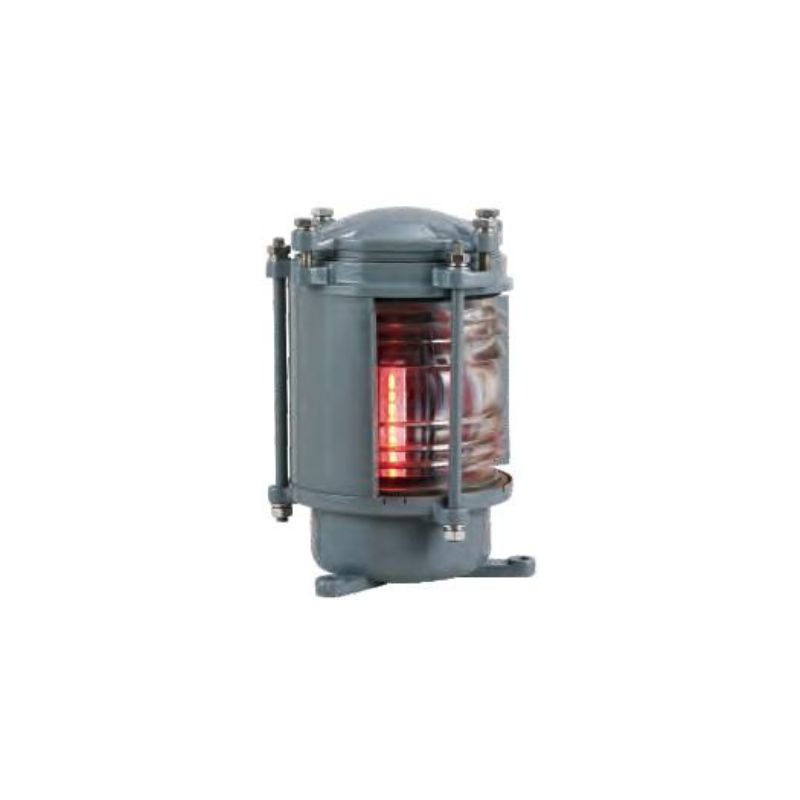
5. Ensuring Security and Reliability
Since remote monitoring is dependent on the transmission of data, security and reliability of the system are crucial factors. Modern systems include encrypted communications and redundant power sources in order to guarantee that the monitoring is continuous, even in extreme marine conditions. This ensures that security is not at risk.
Marine Applications of Remote Monitoring in Marine Navigation Lights
| Application Area | Description | Benefits |
| Ports and Harbors | Monitoring of beacons, buoys and jetty lighting in busy ports. | This ensures that operations are uninterrupted, minimizes accidents, and aids in the control of vessel traffic. |
| Offshore Installations | Control of the lights used for navigation on wind farms, as well as remote platforms. | Increases the safety of areas in danger reduces the need for inspections on-site. |
| Commercial Shipping | Integrating navigation lighting into central Fleet management software. | Provides real-time oversight for global fleets, reduces operational delays. |
| Naval and Coast Guard | Installation on ships for military and patrol and coastal security systems for coastal safety. | Increases readiness for mission, and ensures rigorous safety requirements. |
| Inland Waterways | Use river buoys as well as channel markers to aid in inland navigation of vessels. | Reduces the risk of collisions and increases security in high-traffic or narrow channels. |
Future Trends in Remote Monitoring System of Marine Navigation Lights
Future trends will see even more integration of digital technology, automation and sustainability methods that will redefine the way remote monitoring systems function in the field of navigation lights.
1. Integration with the Internet of Things (IoT)
One of the most important new developments in the near future is the more extensive incorporation of lights for navigation with the Internet of Things. Through connecting lights to larger maritime networks, the operators can manage numerous navigation aids in vast areas using a single platform. This will allow seamless data sharing among ports, ships along with maritime agencies, resulting in intelligent system for managing traffic that increase the safety of passengers and decrease congestion.
2. AI-Driven Predictive Analytics
Artificial intelligence is predicted to play an integral role in the advancement of the remote surveillance systems. By studying large volumes of data on performance, AI can detect subtle patterns and identify failures prior to they happen. This is in addition to traditional maintenance schedules, giving operators the ability to anticipate problems like a decrease in efficiency of batteries or malfunctioning sensors. AI-driven analytics can improve marine navigation lights’ efficient while reducing downtime that is unexpected.
3. Enhanced Energy Efficiency and Sustainability
Remote monitoring in the future will put more emphasis on sustainability. Navigation lights, specifically ones which are powered with solar panel will benefit from cutting-edge energy management systems which optimize power consumption in accordance with weather forecasts and the patterns of vessel traffic. This is not just a way to extend battery lifespan but also aids in the shift of the maritime industry towards more sustainable operations and a reduction in carbon footprints.
4. Satellite and 5G Connectivity
As the advancement of global communication technology the remote monitors will more often depend on high-speed satellites or 5G-based networks. These technologies will increase reliability of data transmission, even in remote ocean areas and will ensure uninterrupted connectivity for vessels and offshore installations as well as the transoceanic routes for shipping. The result will be quicker alerts, more precise data, and a better coordination between maritime participants.
5. Autonomous Fault Correction
A new trend is the creation of automated fault correction capabilities. Instead of simply alerting users to the presence of a problem, future systems will automatically adjust the brightness or switch to power sources that are backup, or calibrate sensors without the intervention of a human. This degree of autonomy can lower response times and decrease the risks of delay in repair.
6. Integration with Smart Maritime Traffic Systems
Monitoring systems for remote monitoring are anticipated to integrate with intelligent marine traffic control platforms. By integrating information from the navigation light together with vessel positioners, forecasts of weather as well as port activities, the authorities will be able to develop live traffic simulation models. It will also enhance the safety of navigation but also improve the efficiency of shipping logistics across the globe.
Final Thoughts
Remote monitoring has improved the effectiveness and reliability of marine navigation lights. By combining real-time supervision and automated alerts, the systems contribute significantly to maritime safety and cost-effective operations. As technology advances, digital systems continue to advance the remote monitoring system becoming an essential component of marine navigation infrastructure.