Explosion-proof vs. Intrinsically Safe Lights in Marine Applications
Lighting systems used in marine environments should comply with stringent safety rules, most notably in hazardous areas where flammable gases, vapors, or combustible dust might be present. Ships such as oil tankers, chemical carriers, offshore platforms, and LNG vessels often navigate through environments where ignition risks need to be very closely controlled. Explosion-proof and intrinsically safe lights are two increasingly used lighting safety solutions in these environments. They are used to prevent ignitions in hazardous atmospheres, but from a design perspective they use distinct safety principles and fulfill different applications in marine systems.
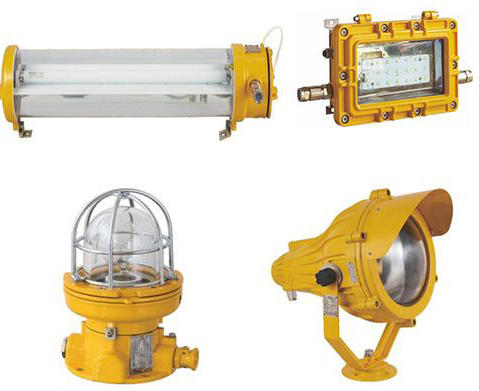
Table of Contents
Understanding Explosion-roof Marine Lights
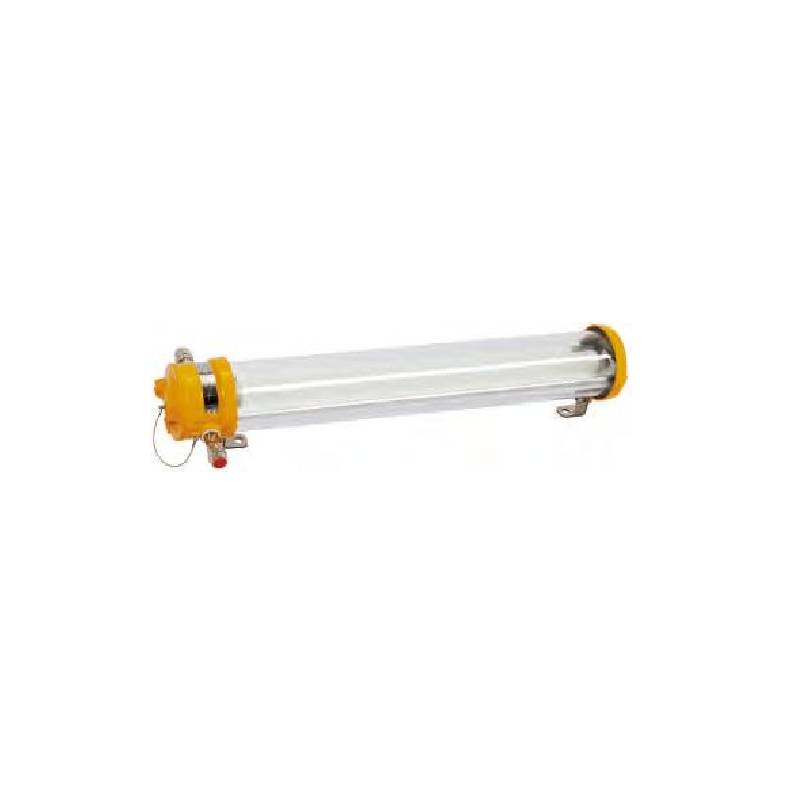
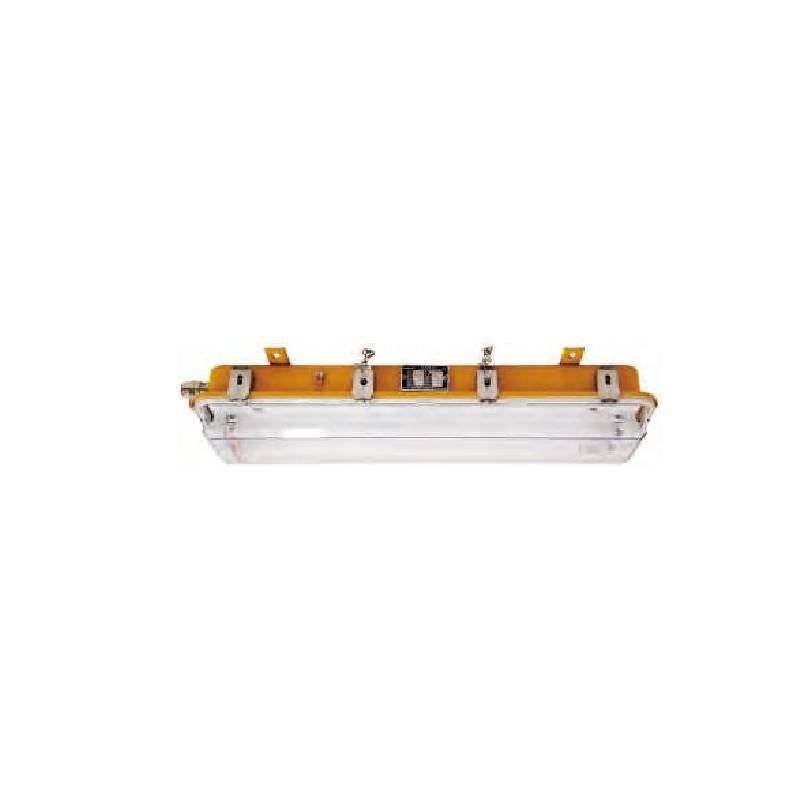
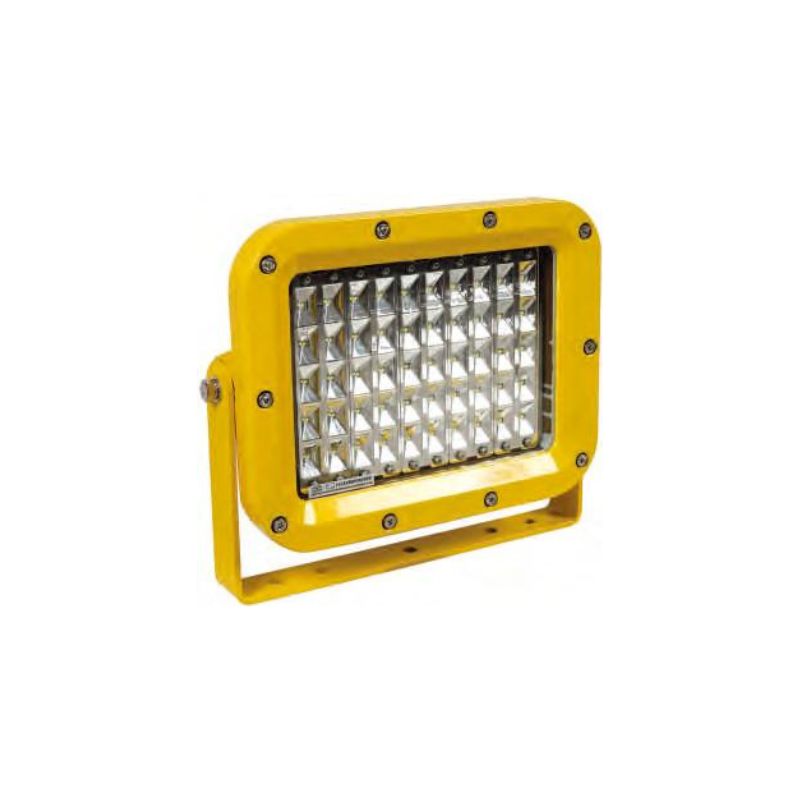
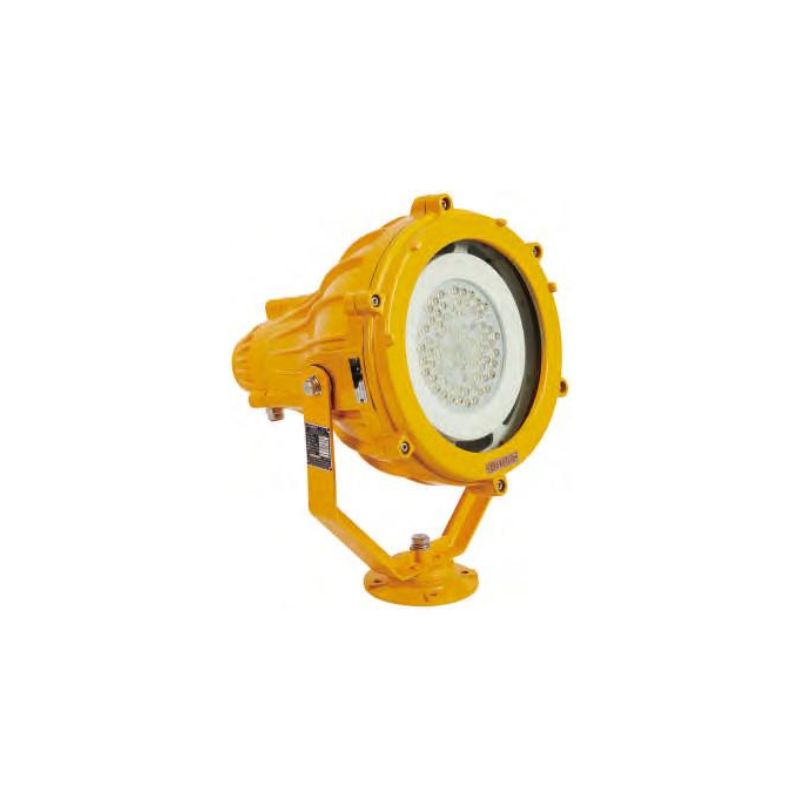
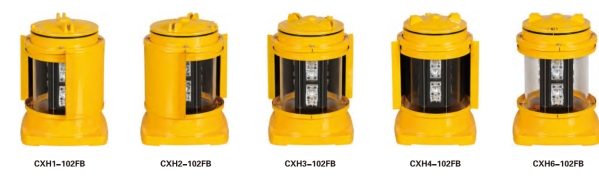
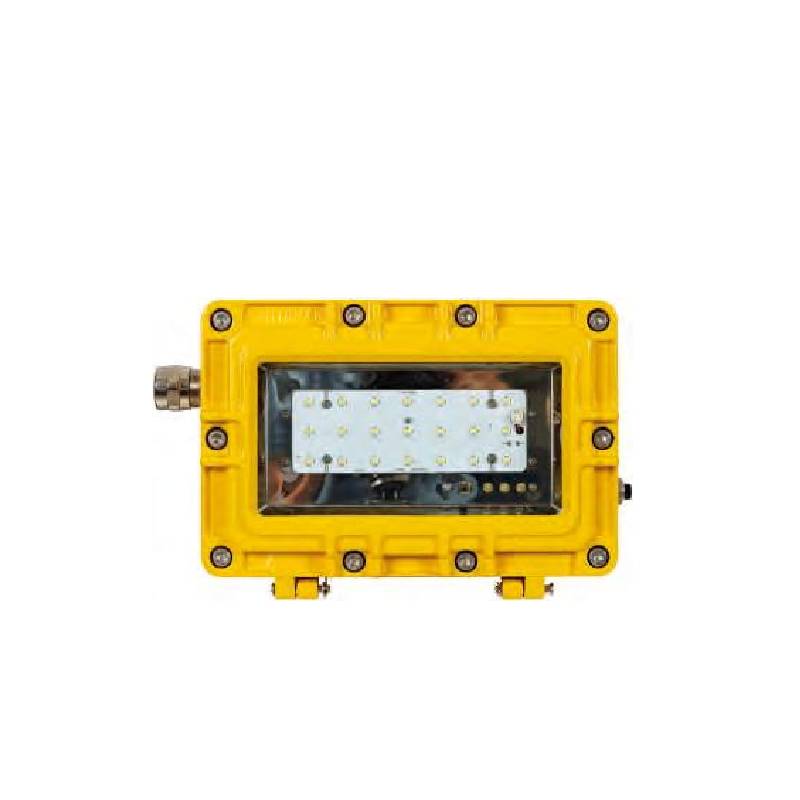
In gas lights manufactured semi-ready that makes the lamp withstand explosion is safe to use in places where explosive gases, vapors, and combustible dusts are present. An explosion-proof marine lighting fixture exerts a metallic seal in order to encompass smoky heated gases or explosion and contain it within the fixture by keeping pressure away from any external environmental sources.
It is quite a rare factory that someone becomes a victim to the explosion of an explosion-proof light, as tough materials are used for the encasement of the aforementioned novelty; also, the housing is hermetically sealed with a sparkably fused metal junction spanning all the openings. This is basically raising the consistently tight top descents on the prospective flame-have-cream to esprit expulsion respecting environmental solace, entirely containing any explosion within the lamp.
Advantages
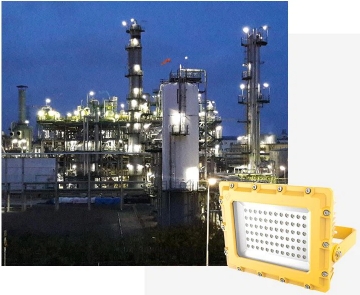
Explosion-proof marine lights offer multiple advantages to befit ships and offshore installations executing in hazardous conditions.
- High safety in Hazardous Areas: The most important aspect of explosion-proof lighting is that under an internal explosion, it protects the spreading of an ignition outside of the fixture, thereby decreasing the advantages in flammable gas areas; for fires and catastrophic explosions.
- Sturdy and Durable Construction: Explosion-proof lights are subject to marine environments with vibrations, salt air, humidity, and extreme temperatures. With rugged enclosures and corrosion resistance, explosion-proof lights can be left in such adverse conditions for a long period.
- High Illumination Performance: Explosion-proof lights are chosen for having very powerful lighting output that is suitable for larger working areas. This makes them a great choice for deck operations, handling cargo, and machinery spaces needing strong visibility.
- Compliance with Safety Standards: Explosion-proof marine lighting must adhere to international safety standards. Lighting features that comply with standards defined by the International Electrotechnical Commission or any other designated authority are good choices for equipment employed in explosive environments. The approval requirement for classification of lighting systems both on ships and offshore platforms is protected by marine classification societies like DNV and American Bureau of Shipping.
- Long Service Life: LED explosion-proof lighting has longer service life, lower consumption of consumption, and lower maintenance costs than traditional lighting systems.
Limitations
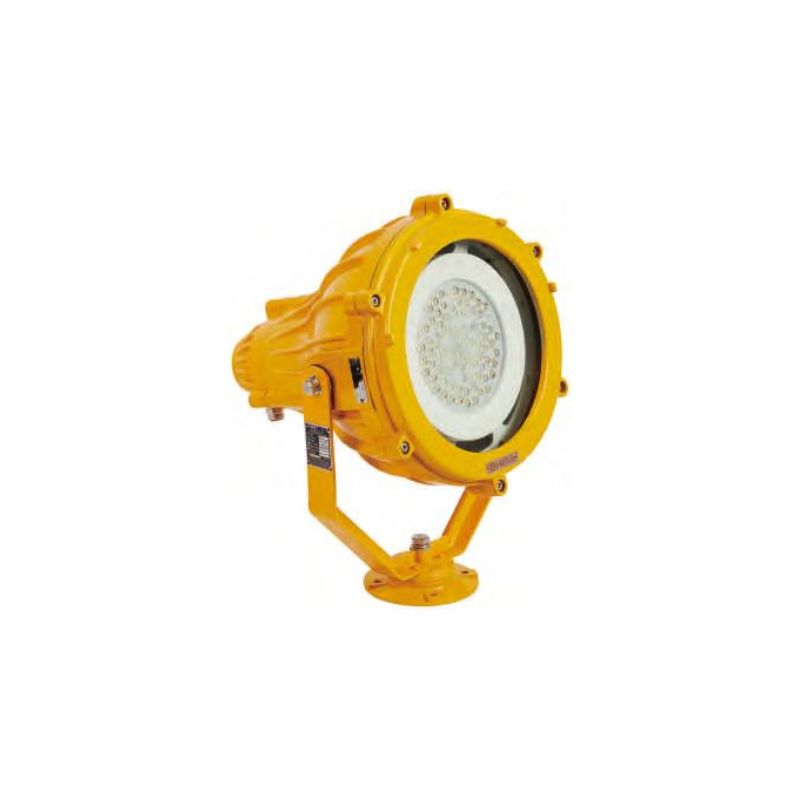
Explosion-proof marine lights come with certain limitations that one must remember while choosing between the various light products to be his or her lighting system.
- Heavy and Bulky Design: With respect to explosion-proof lights, these are characterized by very thick, very strongly constructed housings. These lights, by necessity, are heavier and larger in size compared to regular lighting. As a result, installing the lights will be more complicated-in a marine setting-compared to the standard types.
- Higher Installation Costs: Certification costs and the labor to install it can significantly increase the cost of using explosion-proof lighting fixtures compared to regular lighting systems.
- Strict Maintenance Procedures: For maintaining a safety cushion, the upkeep protocols of explosion-proof luminaires become very important. The protection against a flammable gas mixture can be rendered ineffective by the slightest damage to sealing surfaces, bolts, or flame paths. Thus, it is essential for maintenance staff to follow proper opening and reassembly procedures of fixtures of regard.
- Heat Management Requirements: Bright single-colored LEDs have won wide acclaim for their suitability as indicators in light-emitting devices. On the other hand, the white LED’s reliability is not as secure.
Understanding Intrinsically Safe Marine Lights
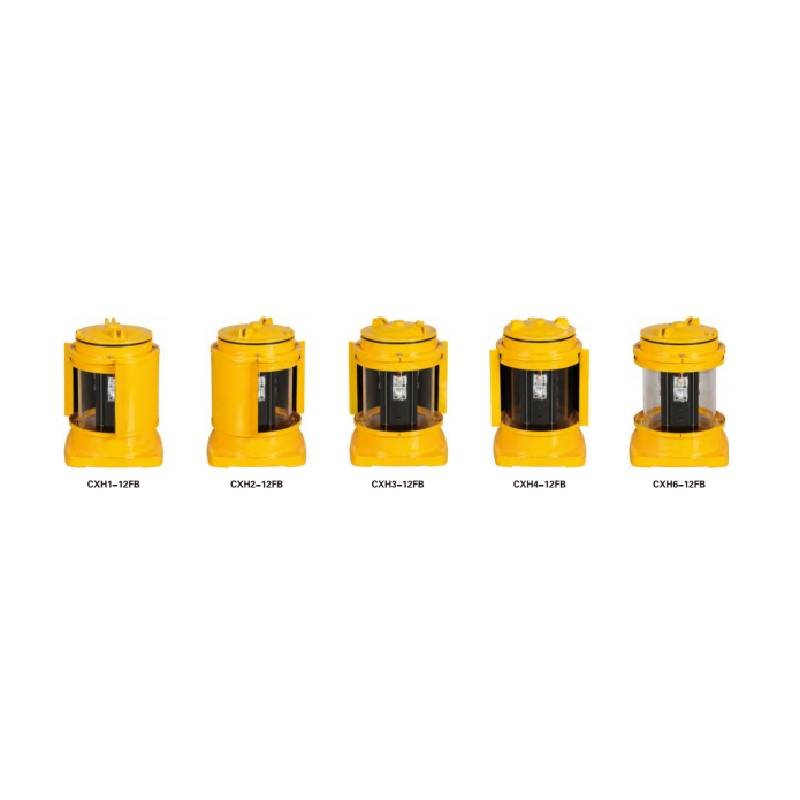
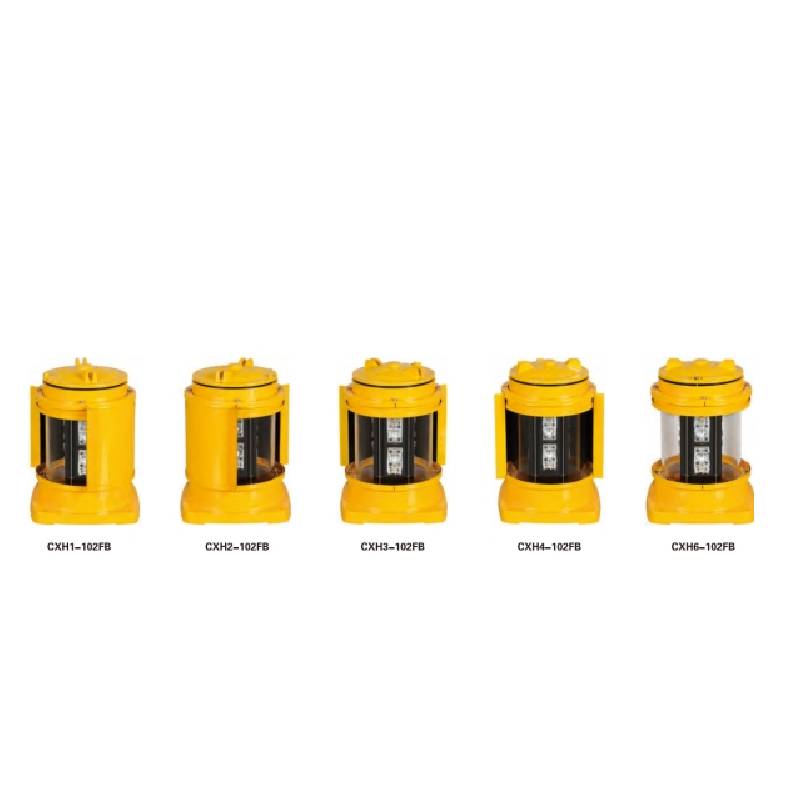
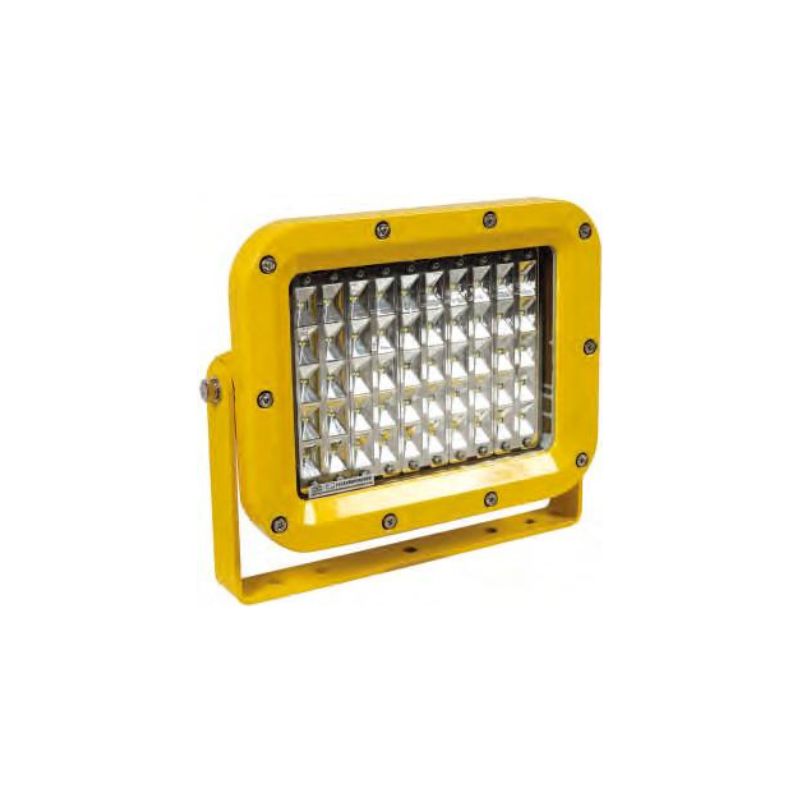
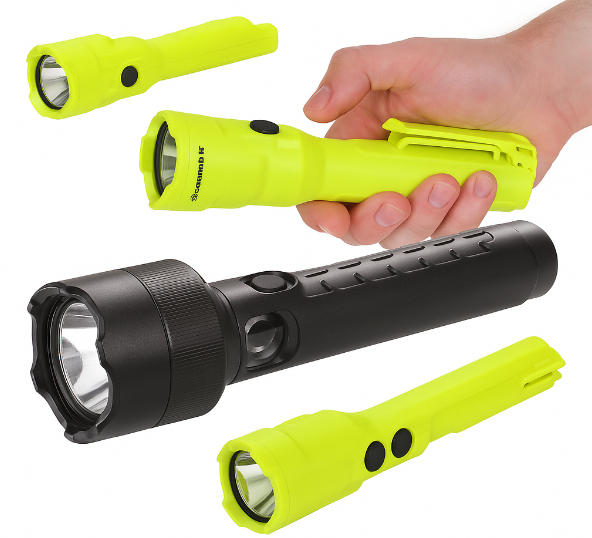
Intrinsically safe marine lighting is a type of light source created to prevent ignition in hazardous locations by limiting electrical and thermal energies. The concept mainly concerns the prevention of these electrical circuits from working at energy levels that promote the ignition of flammable gases, vapors, or dust.
Intrinsically safe lights prevent ignition rather than holding the explosion in a confined space, unlike explosion-proof lights. The design elements of these lights limit energy consumption, hence reducing voltage, current, and stored electrical energy. The energy released is obviously less than or below the threshold for ignition in case a component fails or a short circuit occurs.
Intrinsically safe lighting systems often comprise protective devices like safety barriers, current-limiting resistors, and separately protected power supplies that offer safety for normal and fault conditions.
Advantages
Intrinsically safe lighting systems provide several advantages to make them highly desirable for certain marine uses.
- High Operational Safety: The light prevents energy-related explosions because the energy on its end is limited rather than allowed to explode, thus making ignition less likely to occur. This aspect is grand for safety in hazardous places.
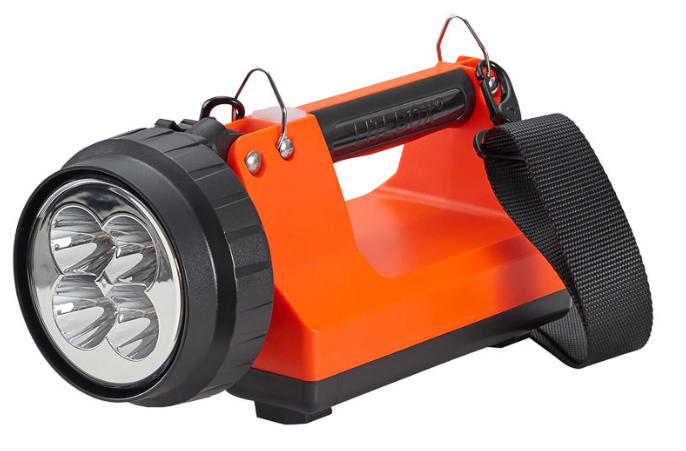
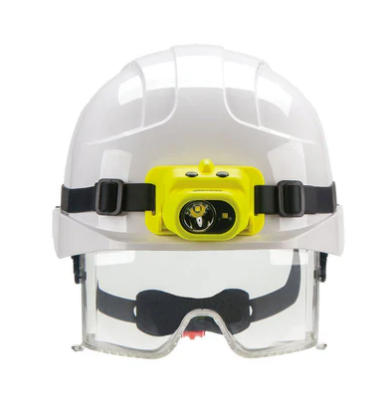
- Ideal for Portable and Inspection Lighting: Because of the lightweight quality of the intrinsically safe lights, they are commonly used as portable inspection lights for maintenance workers inspecting confined spaces and hazardous compartments.
- Lower Mechanical Complexity: Intrinsically safe lights do not require heavy-duty flame-proof or explosion-proof housing or technical flame path structures, simplifying mechanical designs and usually reducing mechanical abuse.
- Reduced Heat and Energy Consumption: Energy-limited circuits boast lower power consumption and by extension lesser heat generation, which combine to make the system safer and more efficient.
- Compliance with Hazardous Area Standards: Intrinsically safe lighting systems have to comply with the safety and performance criteria for equipment certification requirements for hazardous locations. International Electrotechnical Commission standards validate the compliance of this equipment for usage in explosive atmospheres.
Limitations
With all such advantages of safety, there come some associated disadvantages of intrinsic safety lighting systems.
- Limited Power Output: With a few watts or so, restricting the service life of intrinsically safe lighting devices focused on LED technologies. With the system having to limit the electrical energy, intrinsically safe lights cannot emit the same amount of light compared with explosion-proof versions and therefore may not be suitable in large work areas requiring high levels of illumination.
- Dependence on Certified Electrical Systems: In order to be safe, controllers designed and certified to operate in devices should be used along with safety barriers and power supplies. A poorly integrated system can create a compromise with safety.
- Not Suitable for High-Power Lighting Applications: In heavy lighting-demanding areas such as open deck operations or large industrial areas, the explosion-proof lights may be much more beneficial than the intrinsically safe version, due to the capacity to support higher power levels.
Key Differences Between Explosion-proof and Intrinsically Safe Lights in Marine Applications
In several important aspects such as design philosophy, installation requirements and typical usage environments, explosion-proof and intrinsically safe lights differ from each other.
| Aspect | Explosion-proof Lights | Intrinsically Safe Lights |
| Safety Principle | Designed to contain an internal explosion within a robust enclosure so that flames or sparks cannot ignite the surrounding hazardous atmosphere. | Designed to prevent ignition entirely by limiting electrical and thermal energy to levels below the ignition threshold of flammable gases or vapors. |
| Design Structure | Built with heavy-duty flameproof housings made from aluminum alloy or stainless steel to withstand internal explosions. | Uses energy-limiting circuits and protective barriers rather than heavy containment housings. |
| Size and Weight | Typically larger and heavier due to reinforced enclosures and flame path structures. | Usually smaller and lighter, since they rely on circuit protection instead of thick mechanical enclosures. |
| Power and Brightness | Can support higher power levels and brighter illumination, suitable for large work areas. | Generally lower power output, providing moderate illumination suitable for inspection or localized lighting. |
| Heat Management | Requires careful design to ensure the external surface temperature remains below ignition limits. | Naturally produces lower heat due to energy-limited electrical circuits. |
| Installation Requirements | Requires precise mechanical installation to maintain enclosure integrity and flameproof joints. | Requires proper integration with certified intrinsic safety barriers and circuits. |
| Maintenance Considerations | Maintenance of explosion-proof lighting must ensure seals, bolts, and flame paths remain intact to maintain explosion containment capability. | Maintenance focuses mainly on electrical circuit integrity and certified component replacement. |
| Typical Marine Applications | Commonly installed on cargo decks, pump rooms, drilling areas, engine rooms, and offshore platforms where strong illumination is required. | Commonly used for portable inspection lamps, handheld lighting, instrumentation panels, and confined space maintenance tasks. |
| Durability | Highly rugged and resistant to harsh marine conditions, including vibration and corrosion. | Generally durable but designed more for controlled low-energy operation rather than heavy industrial illumination. |
Key Considerations for Choosing the Right Solution Between Explosion-proof and Intrinsically Safe Lights in Marine Applications
Choosing the most suitable lighting system for hazardous marine environments requires careful review of operational conditions, safety requirements, and technical constraints.
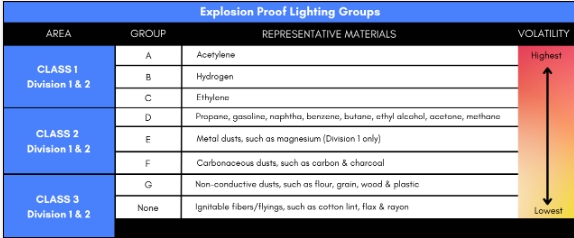
1. Hazardous Area Classification and Risk Level
The classification of the hazardous area where the lights are to be mounted is one of the most important factors in the proper selection of a suitable lighting system. Usually, respectively zones of levels of risk are triggered contingent on the likelihood and duration of presence of explosive gases or vapors in a particular environment. Areas with quite frequent explosive atmospheres require extremely reliable safety solutions; one needs to consider all associated factors when then deciding what exact activation or strategy to put into implementation.
In illumination-abundant spaces with an intractable internal sparking mechanism identifiable is explosion-proof lighting. The durable housing assures safe bounds on any in-board ignition. Intrinsically safe lighting fits the opposite category, where the available source of electricity is restricted enough to prevent any kind of ignition. The selection of the correct lighting technology matches the hazardous zone classification to be in alignment and adhere to safety norms laid down by several organizations.
2. Lighting Requirements and Illumination Intensity
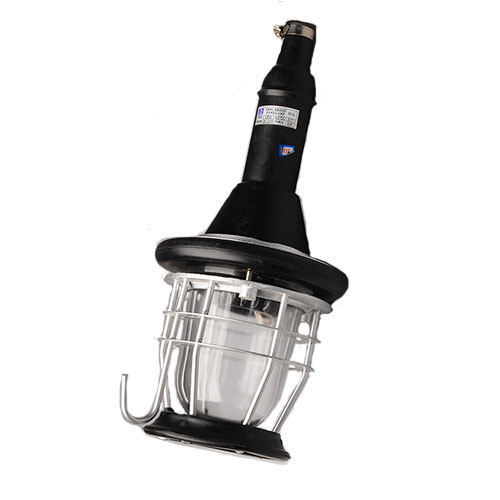
One key point to take into consideration is the level of illumination needed for the given marine operation. Big open spaces like cargo decks, loading areas, and offshore platform work zones demand powerful lighting systems to keep clear visibility for crew members and equipment operators. In such cases, an explosion-proof luminaire is a possible choice because these options back up higher power levels and support stronger illumination.
An intrinsically safe light generally works with lower power levels because the circuits of these must limit the supply of electrical energy to avoid ignition. Thus, they are used mainly for localized light tasks, inspection work, or portable lighting equipment and not ordinarily for large-scale area lighting.
3. Equipment Size, Weight, and Installation Constraints
Marine installations often involve limited space and strict weight considerations. Explosion-proof lighting fixtures require thick, durable enclosures capable of containing internal explosions, which makes them heavier and bulkier. Installing these fixtures may require stronger mounting structures and careful mechanical assembly.
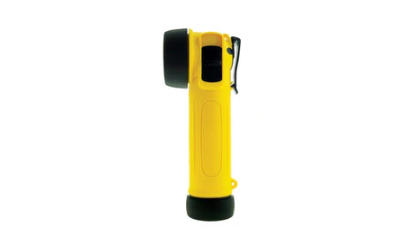
On the other hand, intrinsically safe lights have a metal housing with minimal protection against external hazardous elements below the defined T6 temperature marking. Hence, by doing electrical protection instead of thermal enclosure for the circuit, the weight of the equipment is reduced. This tallies quite well with portable work lighting equipment, indeed being practical for hasty installations and disapproving of the need for time-consuming installation.
4. Electrical System Design and Integration
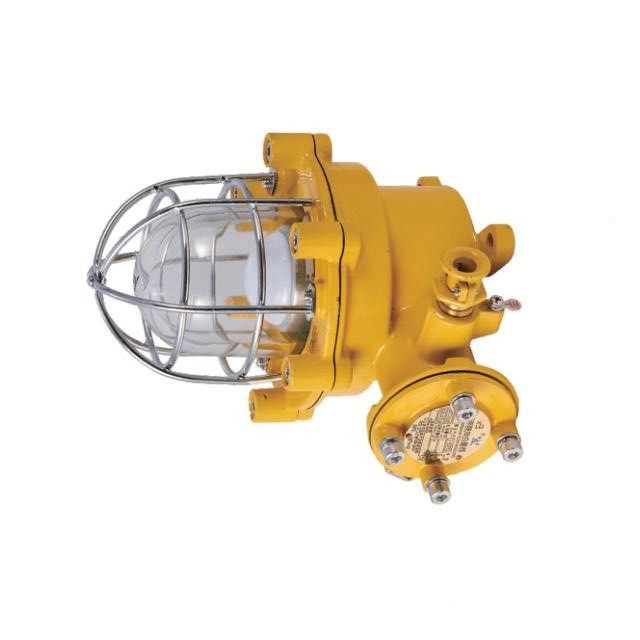
Lighting solution suitable for a vessel depends heavily on the design of the vessel’s electrical system. In general, explosion-proof lights are a better fit for integration into standard industrial electrical systems because they are basically designed to prevent mechanical containment, rather than restricting energy.
An intrinsically safe lighting system will need special electrical circuits, safety barriers, and certified components to keep the principle of energy limitation intact. Therefore, to be sure of proper integration into the vessel’s electrical infrastructure, one must be sure that such systems perform strictly within safe energy limits in all situations.
5. Maintenance and Operational Considerations
Environments present a significant division between explosion-proof and intrinsically safe lighting devices. Explosion-proof lights are set up to impart the excellence of their casings, flame paths, and their sealing surfaces. Damage or improper reassembly during maintenance can result in the safety against internal explosions being compromised for these luminaires.
Intrinsically safe lights systems are, by comparison of fewer mechanical parts to look after within explosion containment, very particular about their safety barriers and certified components for electrical protection. While doing replacements or repairs, the maintenance personnel must have due respect that these substitute and repair maintain intrinsic safety certification of the system.
6. Environmental Conditions in Marine Operations
Marine environments have strong conditions that provoke the tilted design with issues such as saltwater, high humidity, vibration, and extreme weather. Explosion-proof lights are conceptualized for those conditions with sturdy housing and corrosion-resistant materials, tough enough to perform well.
Further, intrinsically safe lights can be considered as well for marine environments; however, the more common practice is for them to be used in enclosed spaces or portable applications, as opposed to shining out on deck installations where heavy-duty construction is necessary.
Summary
- Explosion-proof lights are often preferred for high-power fixed lighting in hazardous areas.
- Intrinsically safe lights are ideal for portable equipment and low-energy applications.
Final Thoughts
Explosion-proof and intrinsically safe lights both are means to regulate the safety of an area at risk on account of the hazards in which they function. Explosion-proof lights limit and enclose potential ignition sources, while intrinsically safe lights limit electrical energy required for ignition. In both cases, these methods provide adequate protection whenever suited for the application involved. Educating on these types of technologies and evaluating the appropriateness of light pros and cons for each and every applicable marine application will enable ships and offshore facilities to improve work conditions. In fact, this for everybody would mean valuable protection from accidents in hazardous environments.