
Marine Lighting Solutions for Offshore and Deepsea Operations
In challenging ocean environments, reliable lighting systems are required to support navigation, operational safety, underwater inspections and emergency response. Marine lighting must withstand extreme conditions, like seawater corrosion, high humidity, strong vibrations, etc. With the expansion of offshore oil and gas exploration, renewable energy projects and subsea construction, the need for more advanced marine lighting solutions has increased a lot. Modern marine lighting systems are designed to deliver strong illumination, cut down energy use, and boost operational reliability in high demanding environments.
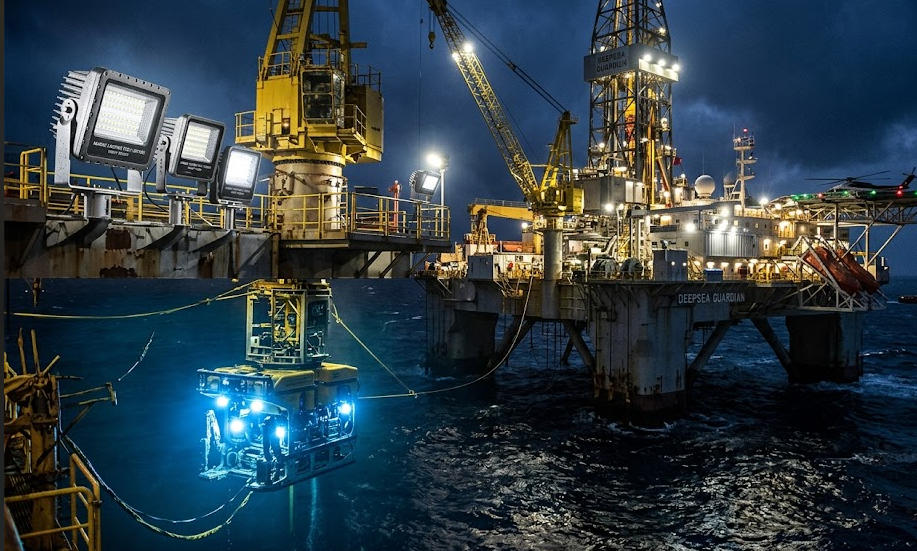
Table of Contents
Why Marine Lighting is Critical in Offshore and Deepsea Operations
Offshore and deepsea operations often happen in remote areas where natural light is limited or basically not there at all. In that situation effective lighting is kind of non-negotiable, it helps keep safe working conditions and lets crews carry out essential tasks with less delay.
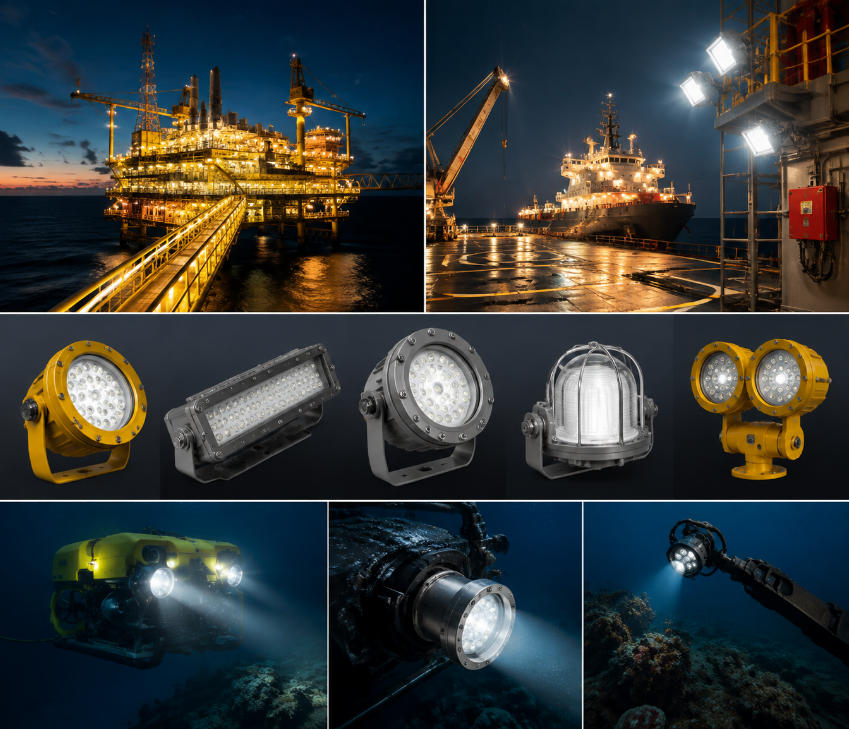
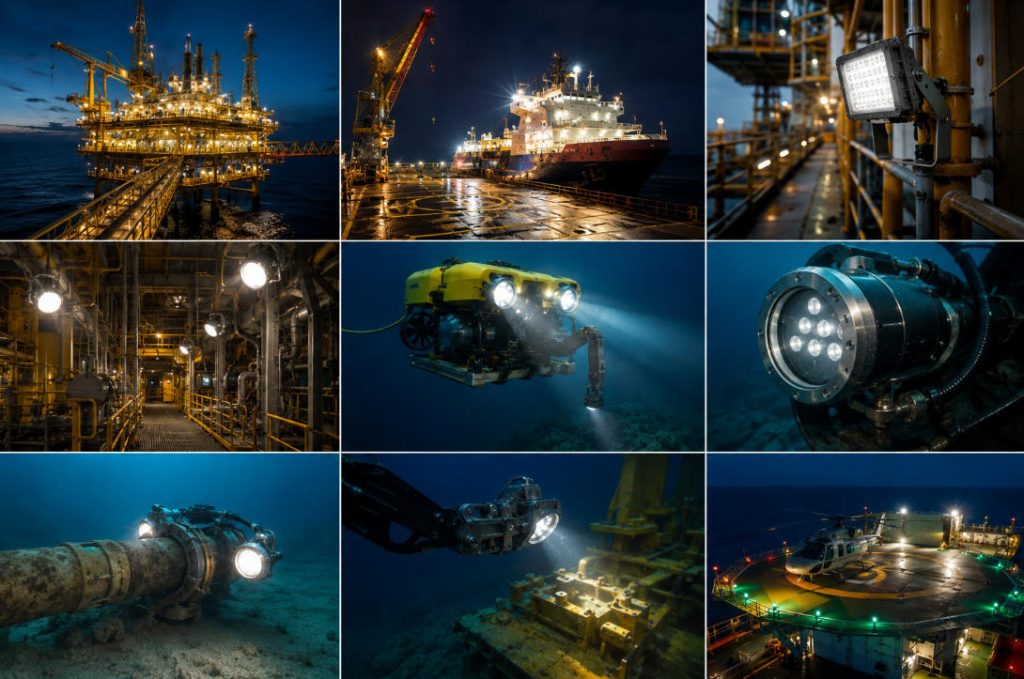
On offshore platforms, lighting systems assist with daily activities such as equipment inspection, drilling operations, maintenance work and emergency procedures. Good illumination around walkways, helidecks, machinery areas, and the main work zones helps lower workplace risk, and it also improves sightlines during night operations or when visibility drops.
For deepsea applications, marine lighting supports underwater exploration, subsea inspections, and remotely operated vehicle (ROV) tasks. High-performance underwater lights make it possible for cameras and operators to observe structures like pipelines, subsea cables, offshore foundations, and marine research equipment in dark water, where visibility is usually minimal.
Types of Marine Lighting Used in Offshore and Deepsea Operations
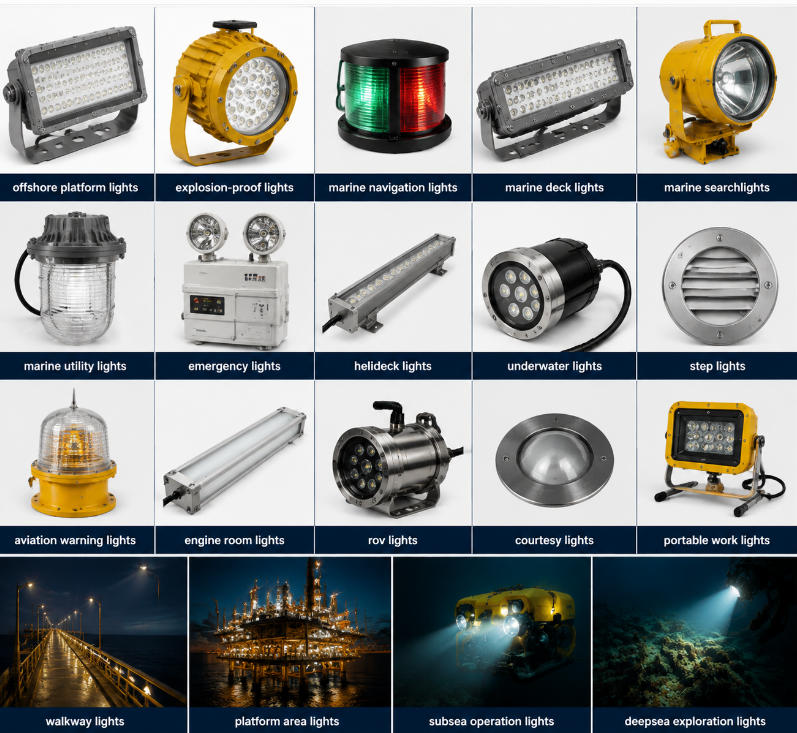
Marine lighting systems are designed according to specific operational requirements and environmental conditions. Different applications require different levels of brightness, durability, and protection.
| Type of Marine Lighting | Main Functions | Key Advantages | Common Installation Locations |
| Offshore Platform Lighting | Illuminating offshore platforms, drilling areas, production facilities, and working zones | High durability, corrosion resistance, continuous operation capability, wide-area illumination | Oil rigs, offshore production platforms, processing areas, equipment decks |
| Marine Navigation Lighting | Supporting vessel identification, positioning, and collision prevention | High visibility, long service life, low power consumption, compliance with marine navigation standards | Cargo ships, offshore vessels, workboats, supply vessels, marine structures |
| Subsea Lighting Systems | Underwater inspection, ROV operations, subsea construction, and deepsea exploration | Pressure-resistant housing, waterproof design, powerful underwater illumination, compact structure | ROVs, AUVs, subsea pipelines, underwater equipment |
| Marine Floodlights | Providing large-area illumination for offshore work and nighttime operations | High brightness, adjustable beam angles, energy-efficient LED technology | Ship decks, helidecks, offshore platforms, loading areas |
| Hazardous Area Lighting | Lighting areas with flammable gases, chemicals, or combustible materials | Explosion-proof design, flame-resistant housing, certified safety performance | Oil and gas facilities, drilling zones, chemical processing areas |
| Emergency Marine Lighting | Providing backup illumination during power failures or emergency situations | Automatic activation, reliable battery backup, high visibility, long operating time | Escape routes, emergency exits, lifeboat stations, offshore facilities |
| Deck Lighting | Supporting cargo handling, maintenance, and crew activities | Weather-resistant construction, vibration resistance, strong illumination coverage | Vessel decks, offshore service vessels, work platforms |
| Underwater Inspection Lighting | Improving visibility for underwater cameras and inspection tools | High-intensity beams, optimized underwater optics, stable color output | Subsea inspection equipment, underwater cameras, marine robots |
| Helideck Lighting | Guiding helicopter operations on offshore platforms | High visibility, weather resistance, precise light positioning | Offshore platforms, floating production units (FPSOs), marine terminals |
| Marine Searchlights | Long-distance illumination and navigation assistance | Powerful beam output, adjustable direction, rugged marine construction | Patrol vessels, rescue ships, offshore support vessels |
| Signal and Marker Lighting | Providing visual signals and location identification | Reliable operation, low energy use, high visibility in poor weather | Buoys, offshore structures, navigation markers |
| Engine Room and Interior Marine Lighting | Lighting enclosed areas on vessels and offshore facilities | Heat resistance, compact design, stable performance in confined spaces | Engine rooms, control rooms, cabins, technical compartments |
Key Features of Marine Lighting Used for Offshore and Deepsea Operations
The following key features define high-quality marine lighting systems used in offshore and deepsea environments.
1. Excellent Corrosion Resistance
One of the most important features of marine lighting is strong resistance to corrosion. In offshore and underwater environments there are high concentrations of salt, moisture and other corrosive elements that can damage ordinary lighting equipment fast, if it is not built for it.
Marine lighting fixtures are usually made using corrosion-resistant materials like stainless steel, marine-grade aluminum, and reinforced polymers. Protective coatings and surface treatments are also applied to prevent rust from starting and to keep structural integrity stable during long term exposure to seawater.
These corrosion-resistant designs help extend the service life of lighting systems on offshore platforms, vessels, and subsea equipment. At the same time they reduce how often maintenance is needed and they lower replacement costs.
2. Waterproof and Pressure-Resistant Design
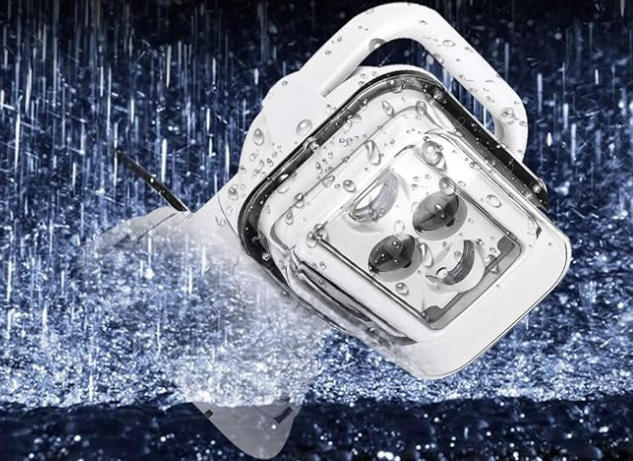
Marine lighting systems need to deliver dependable protection against water penetration, even when everything around it is wet. Offshore operations tend to include heavy rain , sea spray, waves, and steady humidity, while deepsea jobs demand resistance to extreme underwater pressure in a more demanding way than people expect.
Good marine lights rely on advanced sealing approaches, sealed housings, and purpose built gaskets. This is to keep moisture away from electrical parts. A lot of setups are built with strong ingress protection ratings, meaning high IP scores, so the equipment keeps working in soggy conditions without constant worries.
When you move into deepsea use, like ROV lighting or subsea inspection equipment, pressure-resistant housings become essential. These lamps must keep their performance steady at major depths, where the water pressure can climb to extremely high levels quickly.
3. High Brightness and Effective Illumination
Offshore and deepsea environments often have reduced natural light, so strong illumination becomes a major need. In marine lighting systems you really do need enough brightness, for safe work and also for precise inspections, without compromise.
LED based marine lighting solutions deliver high luminous output while keeping energy use lean. With advanced optical engineering, specialized lenses plus reflectors, the beam can be guided more cleanly and the coverage feels more uniform. That matters when you need dependable visibility in open water.
For underwater applications, marine lights are tuned to improve recognition of objects, taking into account how water absorbs and scatters light. When the beam direction is controlled properly, operators and cameras can see underwater structures as well as equipment in a clearer way.
4. Energy Efficiency and Low Power Consumption
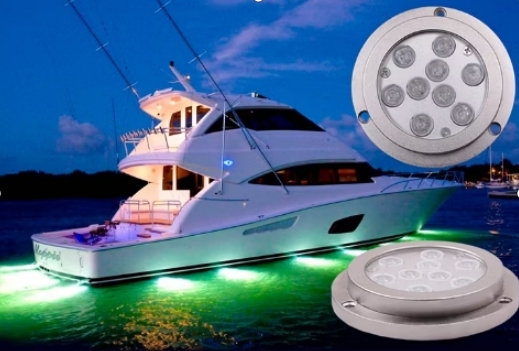
Energy efficiency is an essential feature for offshore and deepsea lighting because power resources are often limited and expensive, like really limited. Offshore platforms, vessels and underwater vehicles need lighting systems that keep working in a reliable way without burning through too much energy.
LED marine lighting has become widely adopted due to its low power use and long operational lifespan. Compared with older lighting technologies, LEDs generate less heat, consume less electricity, and they also reduce the frequency of replacements.
Energy-saving lighting solutions help offshore operators trim operational costs while also supporting more environmentally responsible marine work.
5. Long Service Life and Low Maintenance Requirements
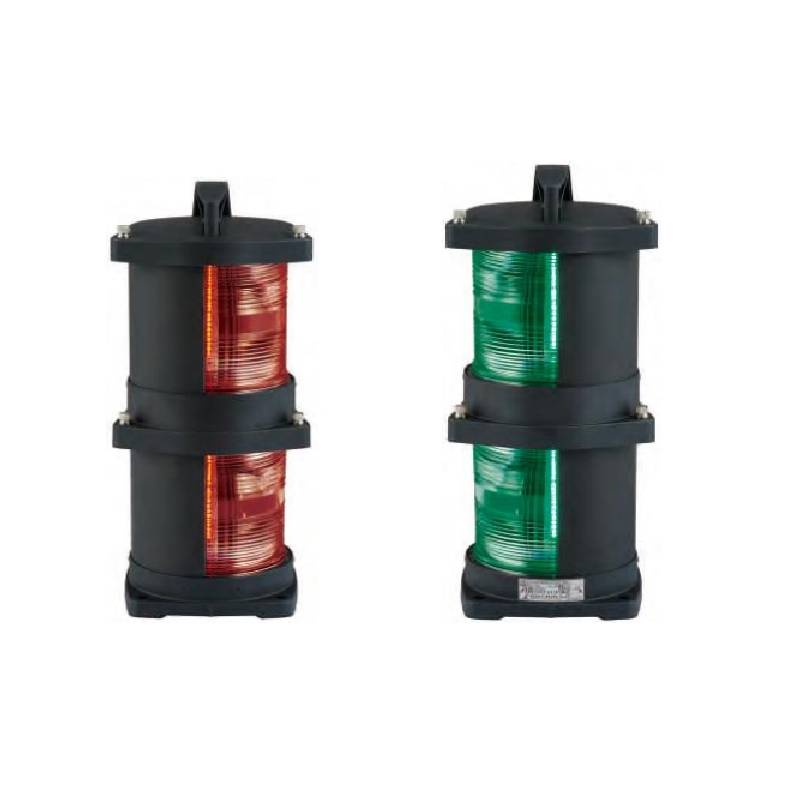
Maintenance in offshore and deepsea settings can get complicated and costly. Reaching remote platforms or underwater equipment often needs specialized staff, dedicated vessels or remotely operated vehicles.
Marine lighting systems are designed, for long service life and minimal maintenance, so on paper it makes sense: durable parts sealed housings and reliable LED technology reduce the need for frequent checks, and also swapping out components.
These long-lasting lighting solutions are especially valuable in deep-water settings where replacement can involve complex underwater procedures, sometimes a real headache.
6. Shock and Vibration Resistance
The marine environment is always being pushed around by mechanical motion. Ships deal with engine vibration and wave impacts. At the same time offshore platforms are exposed to wind, waves, and heavy machinery operation.
Because of that, marine lighting fixtures should be able to handle continuous vibration, plus sudden mechanical shock, without losing output or performance. Strong mounting structures, reinforced housings and impact-resistant components help keep dependable operation in place.
This feature is especially important for drilling rigs, offshore vessels, and construction machines, where lighting systems are constantly in contact with intense mechanical pressure, and even the small vibrations matter a lot.
7. Resistance to Extreme Temperatures
Offshore and deep-sea lighting systems may work across a broad temperature range. Units installed on open decks can be hit by strong sunlight plus heat, while deep underwater setups are dealing with very cold conditions.
Marine lights need thermal management, to keep their output steady, and the overall performance stable. LED lighting usually have heat dissipation layouts that are efficient enough to reduce overheating, and that also help the components last longer.
Heat-resistant materials and upgraded electronic parts make sure dependable use in both hot and cold sea conditions.
8. Explosion-proof and Hazardous Area Protection
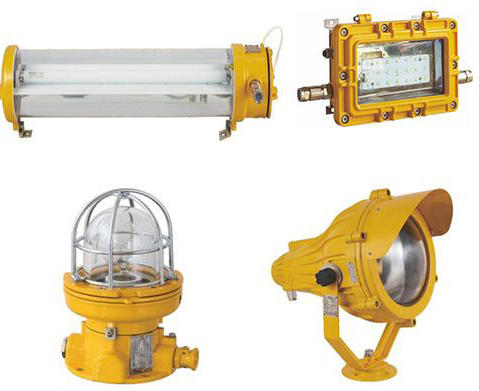
Many offshore oil and gas facilities operate in places where flammable gases, vapors, or various chemicals can be present. In these areas, lighting equipment has to meet strict safety requirements, and it is not optional.
Explosion-proof marine lighting is meant to stop internal sparks or excessive heat from becoming an ignition source. Typically, these lights have reinforced casings, plus dedicated electrical design choices that fit hazardous locations, even when conditions change.
You will see these lighting solutions around drilling zones, production platforms, processing facilities, and other high-risk offshore areas, where personnel and hardware need reliable illumination.
9. Advanced Optical Performance for Underwater Use
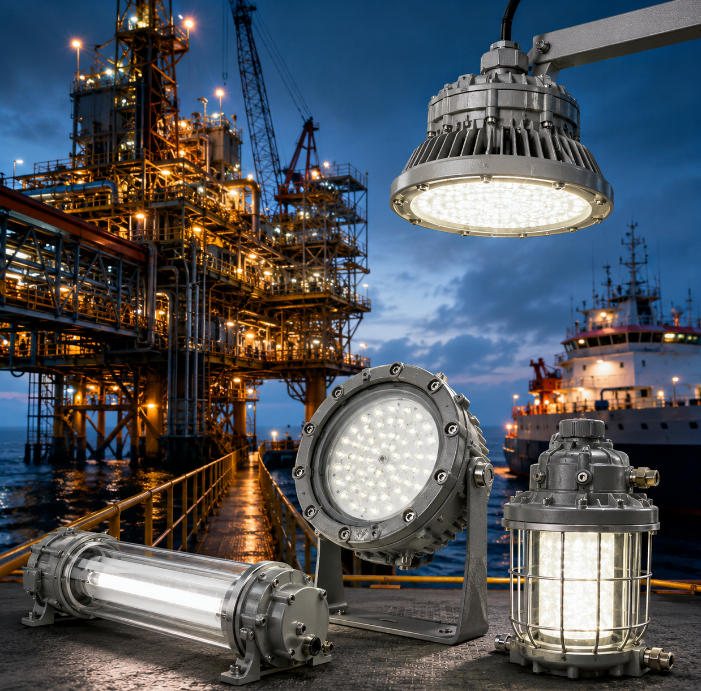
Deep-sea work needs specialized optical performance because light behaves differently underwater. Water absorbs certain wavelengths, and it can reduce visibility over distance, sometimes fast.
Subsea lighting systems are built with an optimized color temperature, beam angles, and light distribution so underwater visibility is better. It matters a lot for underwater cameras, ROV inspections, and also marine research even if the work is steady or quick.
Solid underwater lights give you sharper images and more faithful observation, and that helps with safer as well as more efficient subsea operations.
10. Compliance with Marine Safety Standards
Marine lighting equipment needs to follow strict industry standards so the operation stays safe, and dependable. Offshore platforms, commercial vessels, and subsea setups all need lighting solutions that match international marine safety requirements.
Doing that includes trials for things like waterproof performance, electrical safety, electromagnetic compatibility, mechanical strength, and hazardous area protection. When marine lighting systems are certified, they tend to be more reliable and they also help operators satisfy regulatory demands in difficult marine environments.
11. Compact but Flexible Installation Design
Space is often limited on offshore platforms, vessels, and underwater equipment. Marine lighting systems should support flexible installation choices while still delivering strong illumination in a way that feels dependable.
Compact designs let the lights fit in narrow sections, on moving equipment, or inside underwater vehicles. With adjustable mounting systems and modular structures, installation becomes easier, and maintenance goes more smoothly afterward.
Offshore and Deepsea Applications of Marine Lighting
Marine lighting supports a wide range of applications.
| Offshore and Deepsea Application | Role of Marine Lighting | Typical Lighting Solutions |
| Offshore Oil and Gas Platforms | Provides safe illumination for drilling, production, maintenance, and inspection activities | LED floodlights, hazardous-area lights, platform area lights |
| Drilling Rigs | Supports drilling operations, equipment monitoring, and worker safety during day and night operations | LED deck lights, mast lights, work lights, explosion-proof fixtures |
| Floating Production Storage and Offloading (FPSO) Units | Enables safe operation of processing equipment, storage areas, and vessel systems | Marine LED lighting, navigation lights, emergency lighting systems |
| Offshore Wind Farms | Supports turbine inspection, maintenance, and navigation safety | Turbine lighting, access platform lights, aviation warning lights |
| Subsea Pipeline Inspection | Improves underwater visibility for monitoring pipeline conditions and detecting damage | Subsea LED lights, ROV-mounted lights, underwater inspection lamps |
| ROV (Remotely Operated Vehicle) Operations | Provides illumination for underwater exploration, repair, and inspection tasks | ROV lighting systems, high-intensity underwater LEDs |
| AUV (Autonomous Underwater Vehicle) Missions | Supports autonomous underwater mapping, research, and data collection | Energy-efficient subsea LED lights, integrated camera lighting |
| Deepsea Exploration | Allows researchers to observe and record deep ocean environments | Deepwater imaging lights, scientific underwater lighting systems |
| Offshore Construction Projects | Provides visibility for underwater installation, lifting, and structural assembly | Construction floodlights, subsea work lights |
| Offshore Support Vessels | Assists supply transportation, equipment transfer, and offshore servicing | Deck lighting, working lights, emergency lighting |
| Subsea Equipment Monitoring | Helps inspect and maintain underwater machinery and structures | Subsea inspection lights, camera-mounted lighting systems |
| Emergency and Rescue Operations | Provides visibility during accidents, evacuations, and search activities | Emergency lights, marine searchlights, rescue lighting systems |
| Ports and Offshore Terminals | Improves safety for loading, unloading, and vessel movement | Port floodlights, terminal lighting, navigation aids |
Challenges in Marine Lighting for Offshore and Deepsea Operations
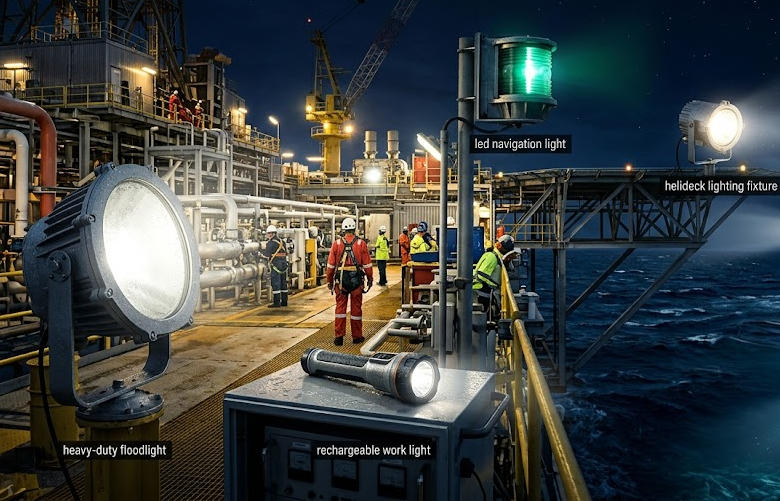
As offshore operations stretch into deeper seas and more far-removed areas, marine lighting systems need to get more durable, more efficient, and slightly more intelligent.
Because of saltwater exposure, extreme temperature shifts, hard-to-reach maintenance zones, and very high operating demands, advanced engineering is a must. Marine lighting manufacturers have to juggle brightness, endurance, energy savings, and budget constraints while still meeting strict marine safety rules.
One more difficulty is keeping steady performance over long duty cycles. Since swapping out offshore lighting equipment can become costly and complicated, long-life designs and reliable components matter a lot.
Future Solutions for Marine Lighting Challenges
Future marine lighting technologies will aim at stronger durability, better efficiency, and smarter decision support. Innovations in LED technology, smart sensors, AI-based monitoring and newer corrosion-resistant materials, will help address the current limitations.
Possible developments could include:
- Self-monitoring lighting set ups with predictive maintenance ability
- More efficient underwater optical solutions
- Upgraded pressure-resistant subsea lighting structures
- Wireless and remote control lighting networks, used in the field
- Environmentally friendly marine illumination materials
These innovations will help enable safer, and more streamlined offshore and deepsea operations.
Final Thoughts
Marine lighting is a key technology for offshore and deepsea operations, giving needed visibility and safety in some of the most difficult conditions on Earth. From offshore platforms, to wind farms, to subsea inspection and deepwater research, advanced lighting systems help keep marine work efficient and dependable.
As offshore industries keep pushing farther into deep waters, and more remote places, marine lighting will keep changing, thanks to upgrades in LED technology, smarter control systems, and tougher, durable engineering designs that last. Reliable marine lighting will keep growing more important, supporting safer, more efficient, and sustainable ocean operations.
