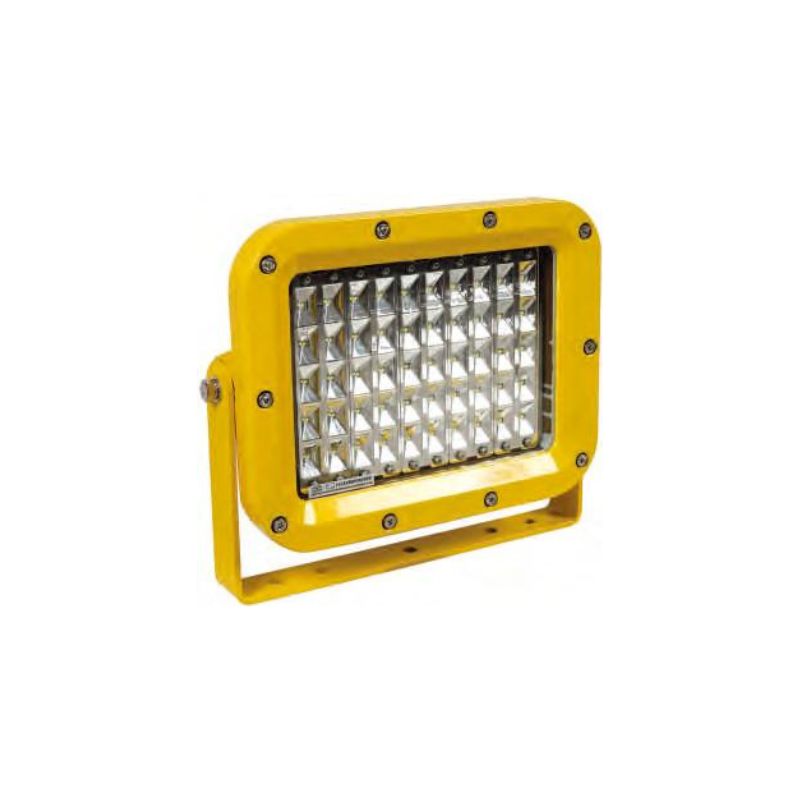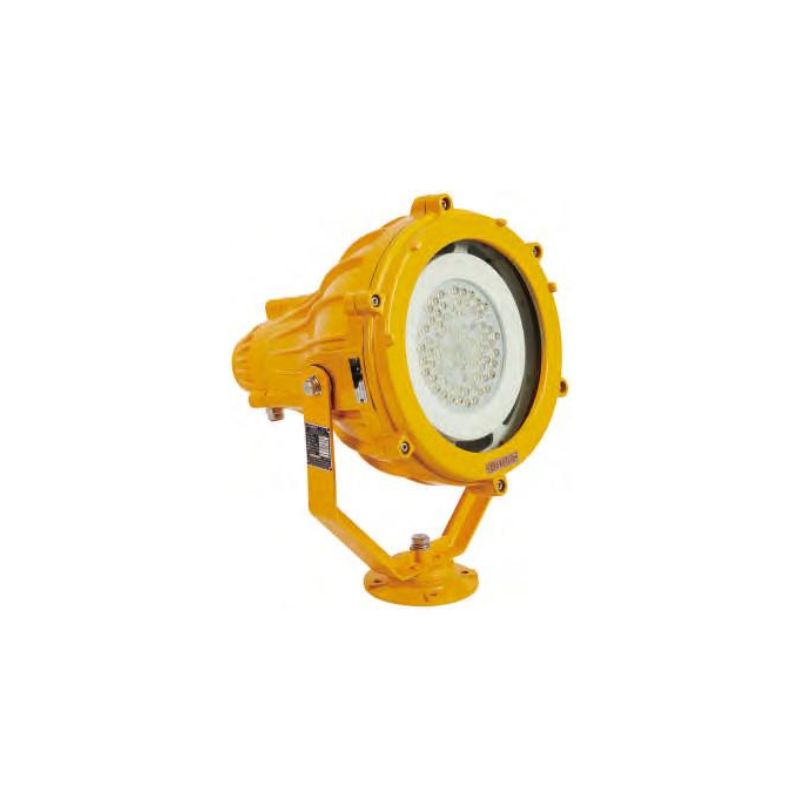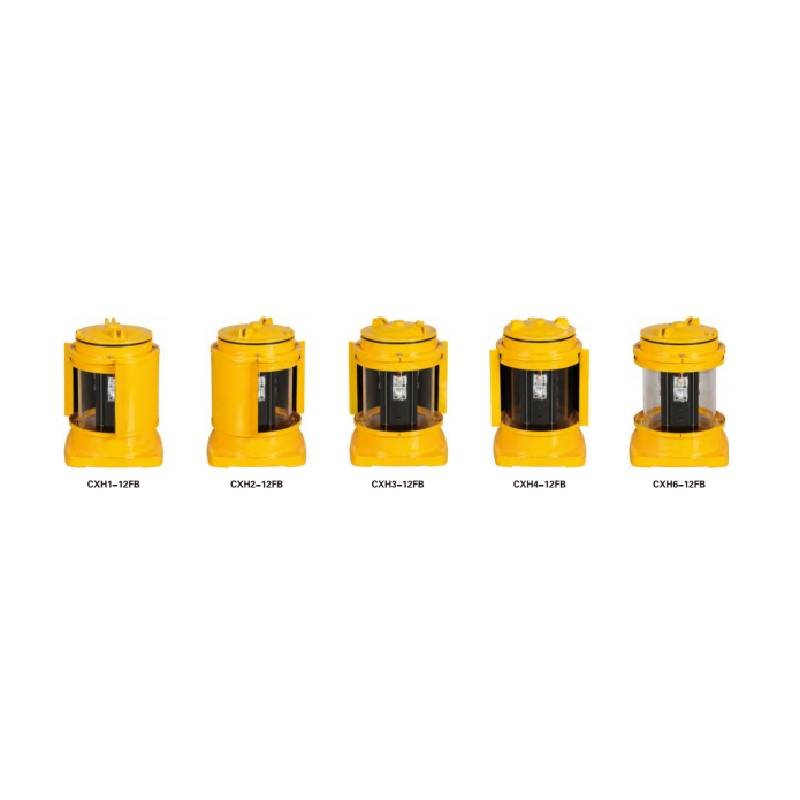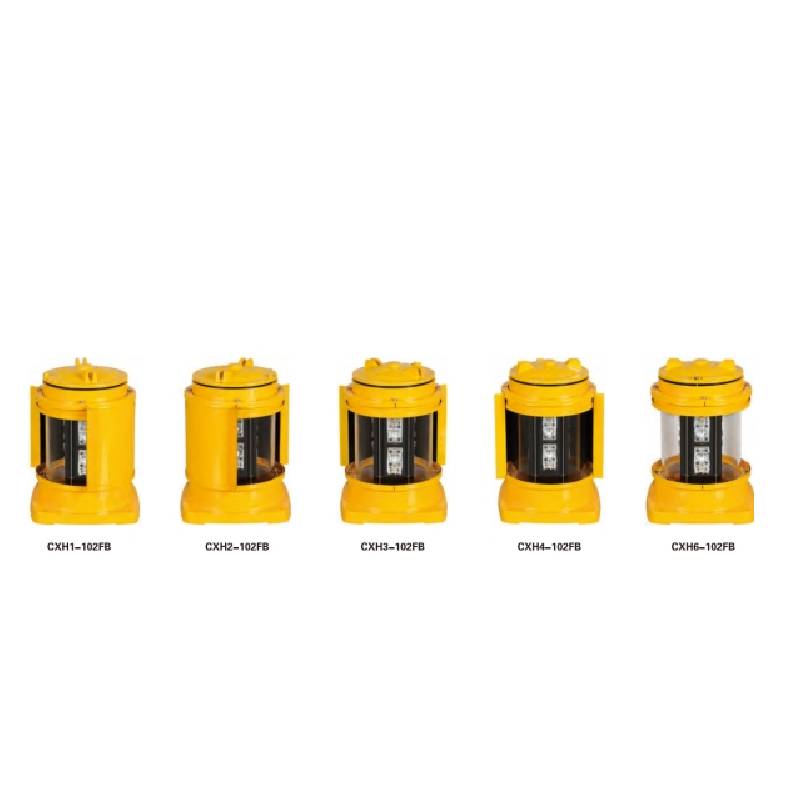
How to Improve Vibration-proof in Explosion-proof Lights for Marine Use
In the offshore installations, oil tankers, cargo ships, and chemical transport barges, and other dangerous marine settings, there are strong vibrations coming from the powerful engines, heavy mechanical equipment and wave turbulence. For these dangerous marine settings, the safety of the explosion-proof lights are important. Otherwise, extinction-proof lighting would have a limited service life, unstable lighting, and apparent failure of the electrical equipment, which can lead to severe ignition hazards. Enhanced Vibration-proof Features are crucial for the reliability of the marine explosion-proof lights.
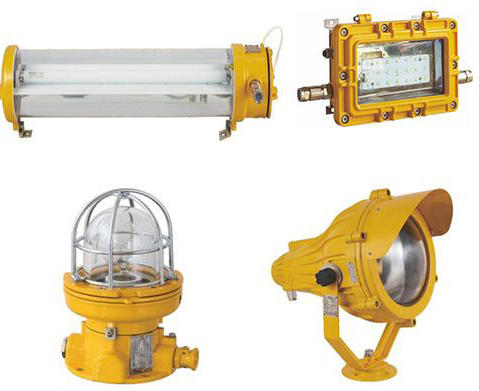
Table of Contents
Vibration Challenges of Explosion-proof Lights in Marine Environments
| Vibration Source | Impact on Explosion-proof Lights | Examples in Marine Environments |
| Engine and Propulsion Systems | Continuous oscillations can loosen internal components and degrade seals | Ship engines, diesel generators, propeller shafts |
| Mechanical Equipment | Intermittent high-frequency shocks can cause LED chip damage and wiring fatigue | Pumps, compressors, cranes |
| Structural Vibrations | Resonance in steel hulls can amplify vibrations, leading to housing deformation | Ship decks, engine rooms, offshore platforms |
| Sea Conditions | Wave impacts and turbulence transmit shocks to fixtures, accelerating wear | Rough seas, stormy weather, offshore operations |
| Long-term Fatigue | Cumulative effect of vibrations reduces lifespan and increases maintenance frequency | Prolonged operation on cargo ships, tankers, or oil rigs |
| Thermal and Environmental Interaction | Vibration combined with temperature fluctuations and corrosion weakens fixtures | Saltwater exposure, engine heat, outdoor deck lighting |
Most of the hazardous work structures that use vibration-proof lighting mainly involve fastening, wiring, and retention of LEDs, protected by the outer casing of the balance of housing.
Key Strategies for Improving Vibration-proof in Marine Explosion-proof Lights
1. Reinforced Structural Housing
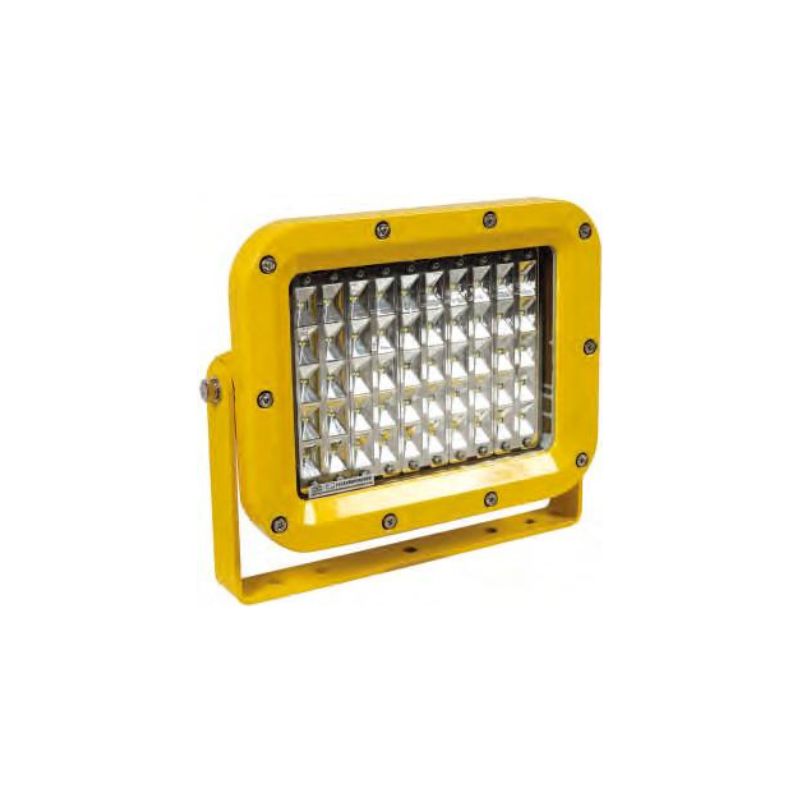
The enclosure of marine housing lights serves as the initial protective layer from vibrations. Defending against vibration impacts may be improved by using aluminium alloys, stainless steel, or reinforced composite materials, which improves sturdiness and lessens deformation under pressure. After in-depth calculations, it can be ensured that under any number of vibrations, the housing will be intact, shielding the internal components and the explosion-proof seal. Additionally, a strong enclosure will further corrosion caused by the marine environment, protecting the unit for longer operational usage.
2. Shock-absorbing Mounting Systems
The way a light fixture is installed can be very important for its impact resistance. Dampening flexible brackets, rubber damping pads, or suspension-style mounts, which temporarily isolate and absorb an impact from ship and offshore platform movements, can reduce the effects of vibration transfer and be useful in protecting the internal components from stress, which is especially in the LED modules, wiring, and electronic drivers. In innovative places with developed solutions, vibration control is especially important in places with high-frequency vibrations, such as engine rooms or areas with a lot of machinery.
3. Secure Internal Component Design
Over time, internal components are subjected to the damaging effects of soft micro-movements caused by vibration. The secure positioning of the housing of modules, drivers, and circuit wiring is essential. Components are secured by shock-absorbent frames, bonded adhesives, and additional fasteners. The encapsulation of drivers and sensitive electronics with potting compounds further safeguards against the damage caused by vibration, moisture, and corrosion.
4. Vibration-resistant Electrical Components
In explosion-proof lighting, electrical reliability is important. The use of constant current drivers, which are temperature and vibration rated, mitigate the risk of electrical instability due to continuous mechanical stress. Electrical reliability is further improved by the use of quality connectors, anti-fatigue wiring, and reinforced solder joints which ensure that the circuits remain intact in the presence of constant vibrations. These enhancements minimize the risk of short circuits, flickering of LEDs, and early system failure.
5. Advanced LED Packaging
The vibration resistance of lighting systems is directly influenced by the type of LED packaging used. Chip-on-board (COB) LEDs and ceramic substrates have a higher level of structural stability in comparison to standard surface-mount devices. Advanced LED packaging is better at withstanding disruptive and vibration-induced thermal cycling, thereby preventing chip damage. Furthermore, superior thermal management prolongs the operational life of LED explosion-proof lights, especially in extreme marine conditions.
6. Integration of Monitoring and Maintenance Features
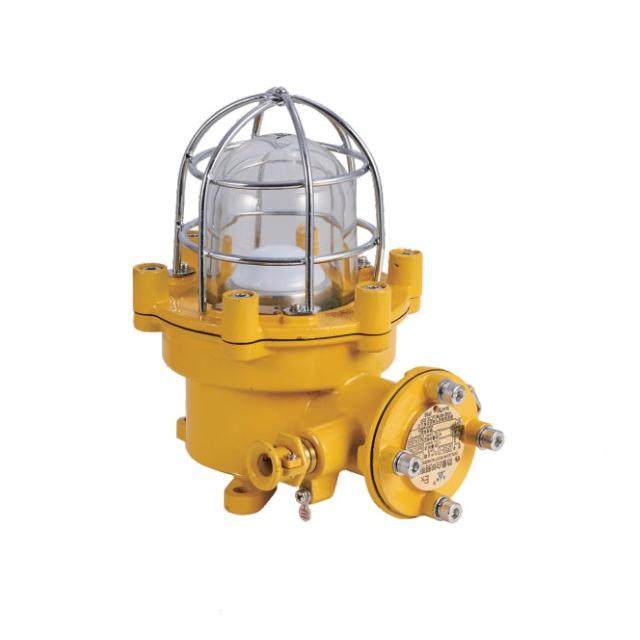
Modern explosion-proof lights with diagnostic systems and vibration monitoring sensors enable operators to carry out maintenance for explosion-proof lighting systems proactively and avoid catastrophic failures. Along with corrosion-resistant coatings and scheduled inspections, the systems improve reliability in corrosion-accelerated marine settings.
Key Advantages of Vibration-proof Explosion-proof Lighting in Marine Use
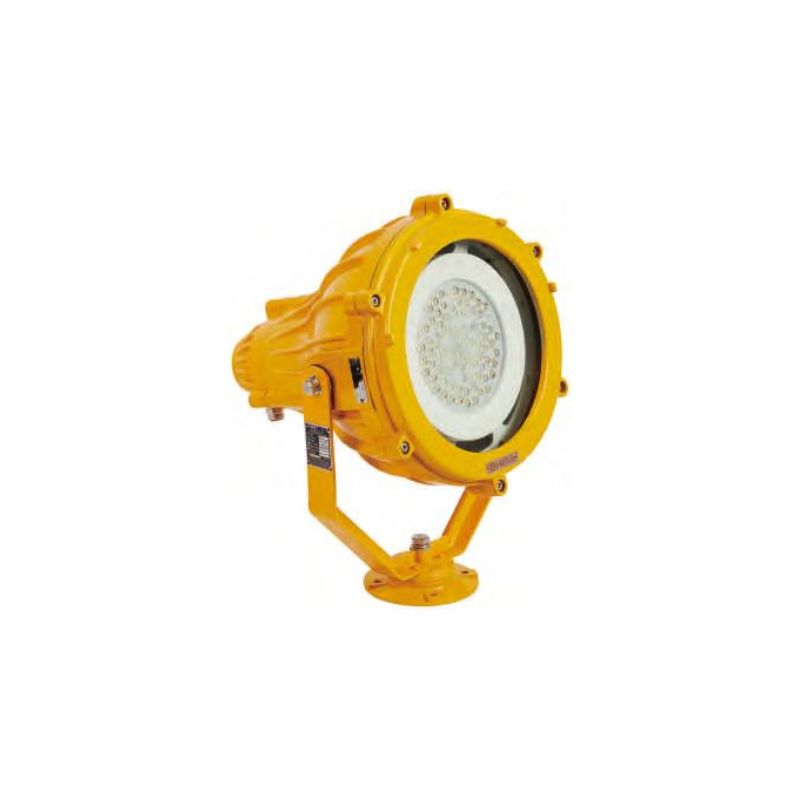
Vibration-proof explosion-proof lights are extremely beneficial and contribute to the safety and efficiency of marine operations.
1. Enhanced Operational Safety
Vibration-proof explosion-proof lights in marine settings mitigate the risks of sparks or electrical failures, which are particularly dangerous in targeted marine areas. By stabilizing the internal components and the electrical connections, the lights avoid conditions that are likely to cause ignitions of the flammable gases or vapours. This safety feature is critical in the engine room, fuel storage, chemicals processing areas, and offshore oil and gas installations, where the safety standards are particularly stringent.
2. Extended Service Life
One of the challenges for marine lighting is the mechanical fatigue that comes with continuous vibration. Reinforced housings, shock-absorbing mounting, and secured internal components of the vibration-proof designs reduce the wear and tear caused by continuous vibration. This means that the lights keep their integrity and performance for longer periods, which reduces the frequency of replacements and extends the overall service life.
3. Stable and Reliable Illumination
Stability and reliability of illumination in active and critical marine operations help with safety and operational efficiency. Even with heavy mechanical stress and shaking, explosion-proof and vibration-proof lights emit stable light outputs, with no flickering, and no light dropping out. These facilities allow safe and efficient operations, inspections, and work on the deck, or during night work.
4. Reduced Maintenance and Downtime
Hazardous areas of offshore facilities and marine vessels can make maintenance very costly and tedious. Vibration-proof lights have lower mechanical and electrical failure repair records. The substantial endurance of the lights minimizes immersion duration, so downtime during maintenance is ensured to make marine operations efficient.
5. Improved Environmental Resistance
Beyond vibration, the marine environment presents corrosion, temperature changes, salt exposure, and moisture. Vibration and explosion-proof lights have thick housing, sealed units, and corrosion-resistant alloy, so their electronics will endure and work properly during periods of environmental extremes with changes in all those factors.
6. Cost-effectiveness Over Time
While the initial investment in vibration and explosion-proof light models may be more considerable than in conventional offerings, the numerous advantages they bring in terms of safety, prolonged lifespan, and lesser maintenance costs make the investment worth it and far more beneficial in the long haul. Knowing these lights will prevent loss in operational downtime and equipment failure, economic and operational gains can be achieved by marine operators.
Applications of Enhanced Vibration-proof Explosion-proof Lights in Marine Environments
| Application Area | Purpose / Benefit | Example Environments |
| Offshore Oil and Gas Platforms | Ensure safe illumination in hazardous zones subject to machinery vibration and rough sea conditions | Drilling platforms, production decks, processing areas |
| LNG Transport and Chemical Vessels | Prevent ignition risks while providing reliable lighting in engine rooms and cargo spaces | LNG tankers, chemical carriers, fuel transport ships |
| Ship Engine Rooms | Maintain stable lighting despite high-frequency vibration from engines and propulsion systems | Main engine compartments, auxiliary machinery spaces |
| Deck Work and Loading Areas | Enable safe night operations and loading/unloading under vibration-intensive conditions | Cranes, cargo holds, deck machinery zones |
| Shipyards and Maintenance Docks | Provide durable, explosion-proof lighting for repair and construction areas | Dry docks, repair bays, fabrication workshops |
| Fuel Storage and Hazardous Areas | Protect personnel and equipment by preventing sparks in flammable environments | Fuel tanks, chemical storage rooms, pump stations |
Summary
It is necessary to enhance the performance of explosion-proof lights designed to operate in maritime environments with the added complexity of vibration-proof engineering. This can be achieved through seamless structural engineering, sophisticated internal design, vibration isolating mounts, and robust electrical components, which enable high-quality lighting to be provided safely and reliably in extreme marine environments. With the marine sector’s continuous shift towards enhanced safety and operational efficiency, the vibration-resistant explosion-proof lights will remain an indispensable asset in providing reliable illumination in hazardous offshore locations.