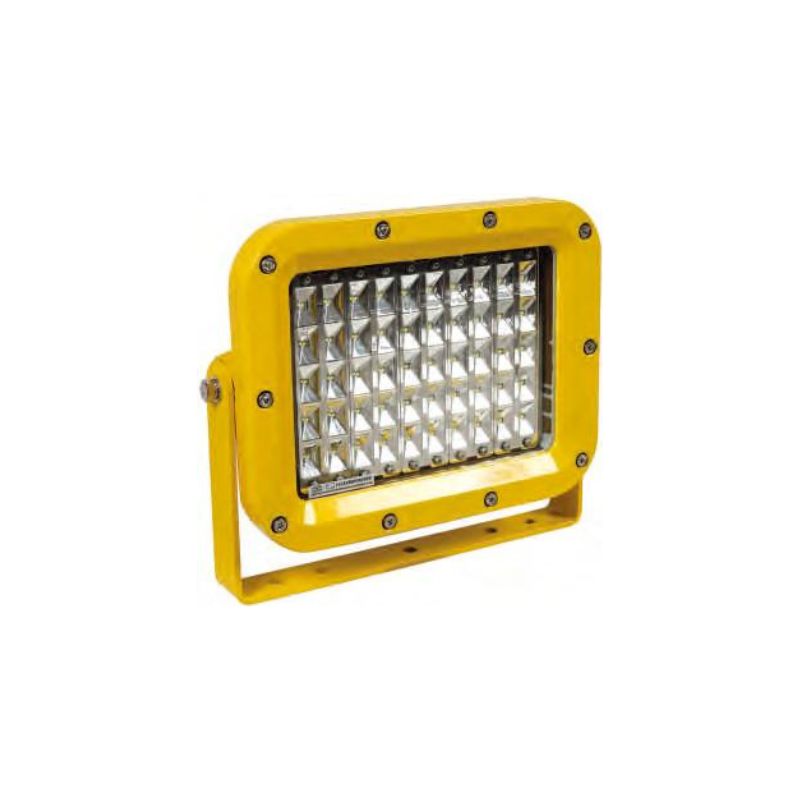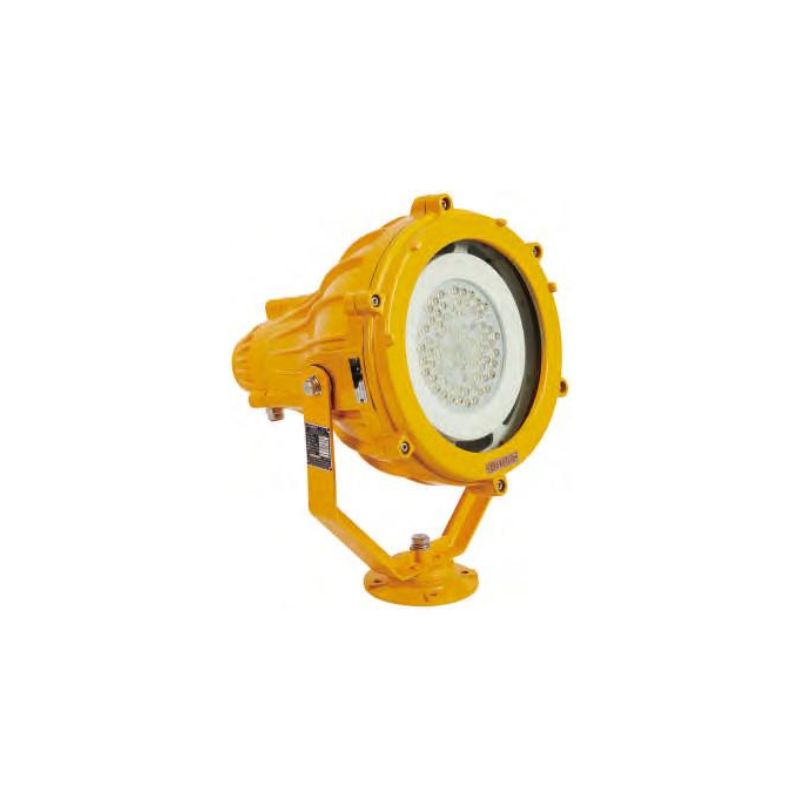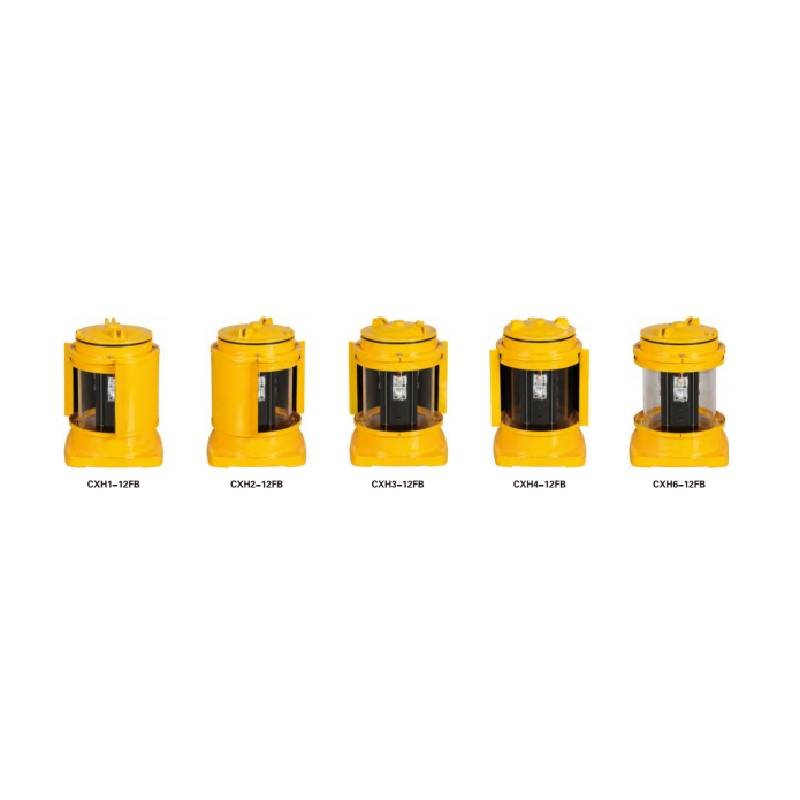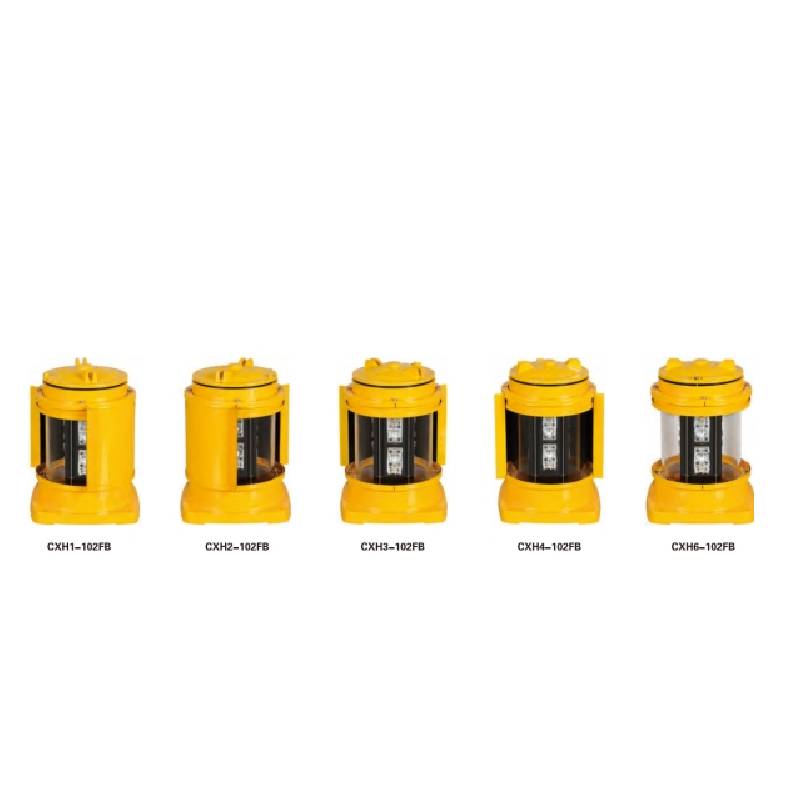
Special Requirements for Explosion-Proof Pendant Lights in Marine and Shipbuilding Applications
Marine illumination makes it necessary for ships and offshore structures to use lighting that has the capability of performing beyond the common industrial requirements. Offshore explosion-proof pendant lights for marine use must guarantee safe lighting besides being dependable, and that also means their use in harsh environments. The article looks into the special conditions for marine and shipbuilding sector applications in the areas of material choice, certification standards, resistance to corrosion, and maintenance considerations.
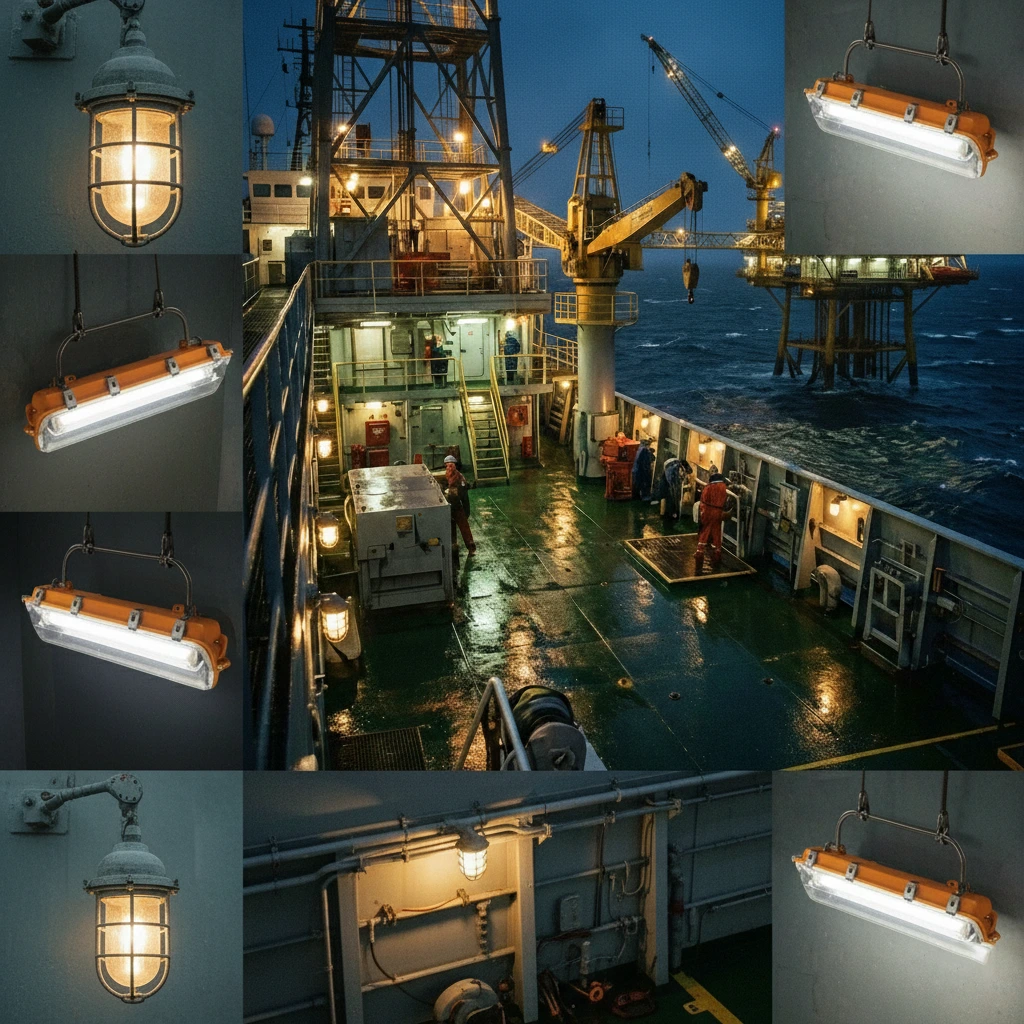
Table of Contents
Why Marine Explosion-Proof Pendant Lights Are Different from Industrial Lights
The complexity of marine environments requires pendant lights with enhanced features:
| Requirement | Description | Impact if Not Met | Recommended Measures |
| Severe corrosion conditions | Saltwater and sea spray are very destructive to metals and electrical parts. | The rapid deterioration of the lamp body or electrical parts, possible short circuits, or even lamp failure are some of the dangers posed. | Using high-strength aluminum alloy or stainless steel for the housings, having the anti-corrosion coatings done, and carrying out regular inspections are the steps to be taken. |
| High humidity and temperature variations | Marine cabins are often humid and experience great temperature variations. Bad sealing may lead to the entrance of moisture. | Water accumulation inside the lamp, shortened life, and the weakening of the explosion-proof capability are other issues caused by condensation. | IP66/IP67 sealing needs to be ensured, multi-layer gaskets used, and temperature variations resistant materials selected. |
| Vibration and impact resistance | Vibrations from the ship are nonstop, and sometimes shocks occur. | Wear and tear of the components, the lamp body being broken, the chance of an electrical fault are some of the risks associated with this. | Reinforced lamp structure, secure mounting hooks and rods, and shock-absorbing internal design are the factors that must be considered. |
| Explosion-proof safety requirements | Fire gases or chemicals are commonly carried by marine vessels. | There is a risk of sparks igniting in areas with combustible atmospheres, which could lead to fire or explosion. | Select lights with certified ratings (Ex d IIC T6 Gb), IECEx/ATEX approvals, and ship classification society certifications (CCS, ABS, LR). |
Compared to standard industrial lights, marine explosion-proof pendant lights are not just illumination tools-they are essential safety equipment for personnel and cargo.
Materials and Design Features for Marine Applications
The explosion-proof pendant lights in marine and shipbuilding applications have to provide more than just basic lighting. They are constantly exposed to very tough environments, which include saltwater, high humidity, extreme temperatures, and sustained vibrations. Selecting the right materials and designing the structures properly are crucial for the lights to perform safely and last for a long time.
Corrosion-Resistant Materials
One of the most important characteristics that marine lighting must have is corrosion resistance. Soft water and sea mist can easily corrode metals and cause damage to electric parts as they are very harsh to these materials. As per the studies, the stainless steel used for marine applications like 316/316L has excellent resistance to chloride pitting corrosion compared to the normal stainless steel, which is why it has become the material of choice for marine equipment.
Marine explosion-proof pendant lights are typically made of the following materials:
| Material / Component | Description | Recommended Measures |
| High-strength aluminum alloy housings | Lightweight, corrosion-resistant, durable. | Use marine-grade alloy; apply anti-corrosion coating. |
| 316/316L stainless steel components | Excellent resistance to saltwater corrosion. | Use 316/316L stainless steel for housings and fasteners; inspect regularly. |
| Tempered glass or polycarbonate lenses | Impact-resistant, waterproof, UV-stable. | Use tempered or UV-stabilized polycarbonate; ensure proper sealing. |
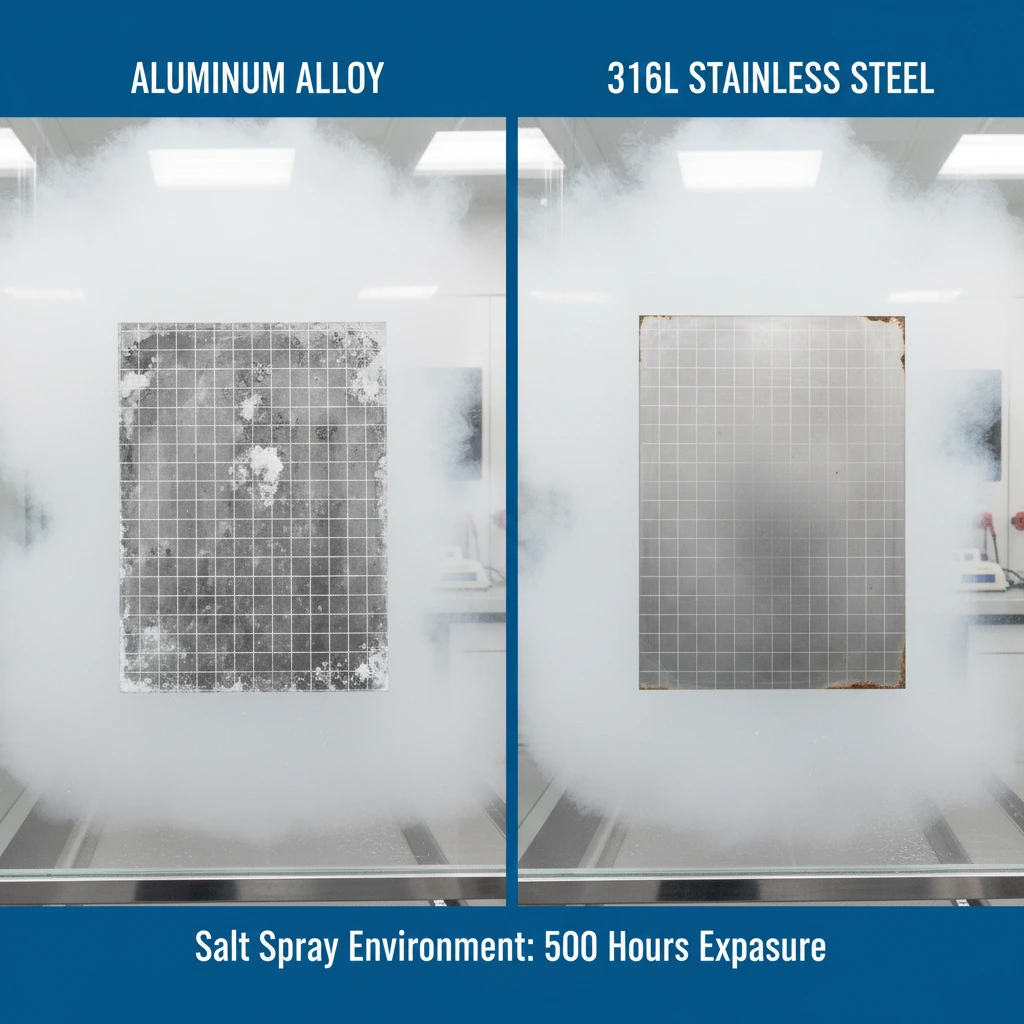
The industry and offshore lighting practices have rules that say a minimum of 1,000+ hours (ASTM B117 or its equivalent) of salt spray testing must be passed by housings and fasteners for their long term reliability. The premium marine lights usually make use of both powder coating and anodizing to improve the corrosion resistance and prolong the metal fatigue during the long marine exposure.
Sealing and Protection Rating
Waterproof and dustproof are essential features of marine explosion-proof lights. The Ingress Protection (IP) rating is the global parameter for assessing the sealing efficiency. The usual IP ratings together with their uses are as follows:
| IP Rating | Protection | Application |
| IP66 | Dust-tight; resistant to powerful water jets | Decks and open marine areas |
| IP67 | Temporary immersion up to 1 meter | Splashing or occasional submersion |
| IP68 | Continuous immersion | Bilge areas or near the waterline |
| IP69K | High-pressure, high-temperature water jets | Decks requiring regular high-pressure cleaning |
Moreover, some luxury lighting fixtures apply multi-layer gaskets, silicone seals, and pressure-balanced venting as their main moisture ingress prevention methods and thermal expansion and contraction damage mitigation techniques.
Vibration Resistance and Reinforced Structure
Continuous vibrations and occasional shocks are generated by ships, which impose severe limitations on the structural integrity of pendant lighting. The standards in the industry and offshore lighting prescribe:
| Feature | Description |
| Thickened housing and rigid structure | Resists bending and cracking better; ward off fatigue caused by continuous vibrations. |
| High-strength fasteners and mounting hooks | Manufactured with non-corrosive materials (like 316 stainless steel) to avoid unfastening or breaking off. |
| Internal anti-loosening design | The electronic parts, terminals, and light units are thoroughly secured so that vibration cannot cause faults. |
In offshore platforms and large vessels, explosion-proof lights are often required to pass IEC60068-2-6 vibration testing, simulating long-term marine vibration conditions.
Certification Standards and Safety Compliance
Marine explosion-proof pendant lights are required to fulfill a whole lot of international and classification certifications that are very strict to make sure that the hazardous maritime environments are very safe. One of the certifications that is IECEx and ATEX is the one that gives full guarantee to the lights that they will keep their explosion-proof performance even in the presence of combustible gases. Moreover, the clearance from ship classification societies – CCS, ABS, and LR, among others – ensures that the lights do not only install on certain types of vessels but also that they are in compliance with maritime safety regulations. The explosion-proof rating labels such as Ex d IIC T6 Gb give a very clear understanding of the safe equipment usage in the indicated hazardous zones. It is a must for vessel operators and marine engineers to select lights that have multiple certifications as it is the only way to get a very reliable assurance of safety and compliance during the entire period of maritime operation.
Installation and Maintenance Considerations
Lighting fixtures must be placed in a way that prevents them from being exposed to high temperatures or impact zones. Appropriate positioning not only prevents fire risk caused by ship shaking but also guarantees the evenness of illuminated area.
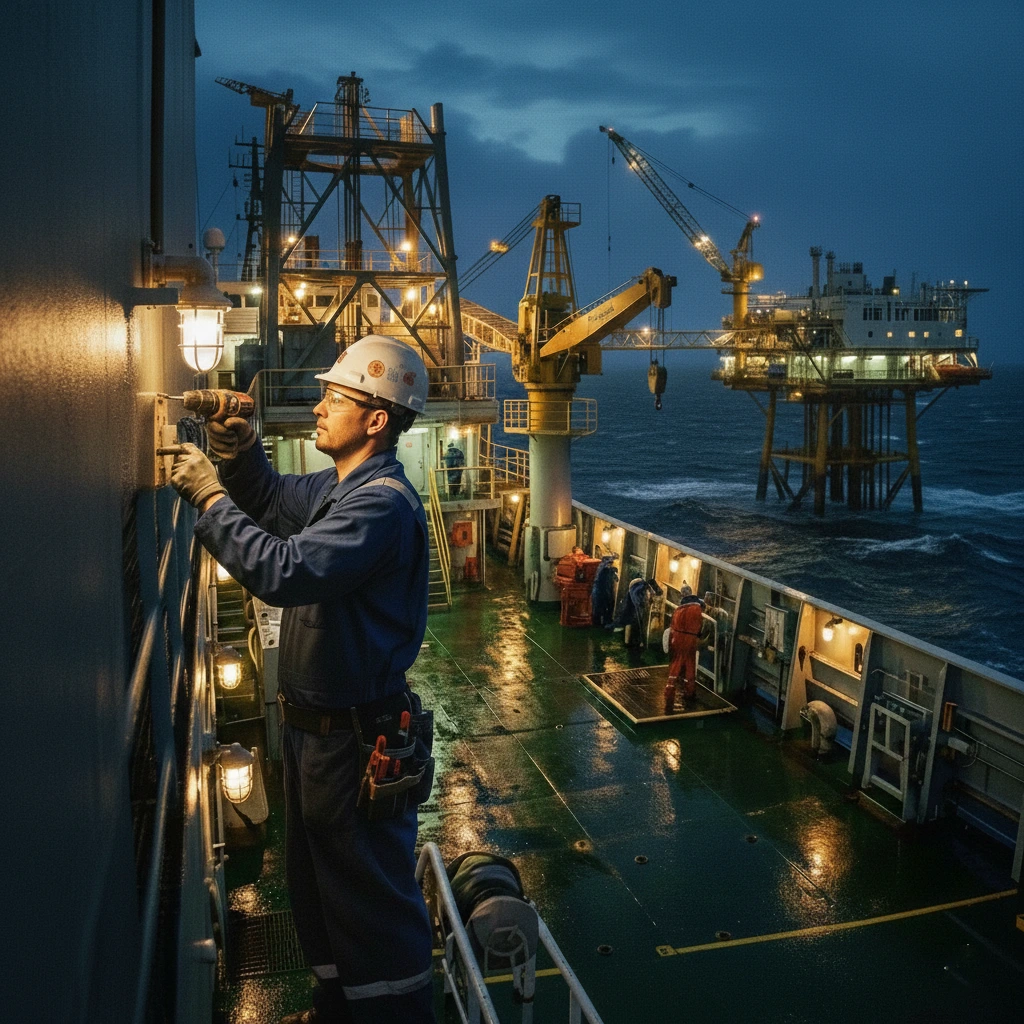
The corrosion of housings, seals, and fasteners should be checked regularly, and if there is any signs of water ingress or loosening, they should be replaced or repaired immediately. Minimize the lighting outage by replacing LEDs or other light sources as soon as possible.
When carrying out cleaning, respect the lamp’s IP rating. Light fixtures rated IP66/IP67 shall be subjected to gentle rinsing meanwhile the guide for high-pressure cleaning of IP69K lights provided by the manufacturer shall be followed in order to protect seals and coatings.
Proper installation, together with regular inspection and maintenance, will make the long-term reliability and safety even in the most challenging marine environments.
Conclusion
In the construction of ships as well as in the execution of offshore projects, explosion-proof pendant lights are vital for both the safety of personnel and the lighting of the area. The choice of lights that are of a high standard, certified, having resistance to corrosion, vibrations, and easy to maintain, not only minimizes the risk but also enhances the operational effectiveness to a great extent. Through the progress in LED technology and materials, the modern marine explosion-proof pendant lights are turning to be more reliable, efficient, and low-maintenance than ever—giving the maritime operations a constant safety assurance.