Replacement and Upgrade Solutions for Boat LED Lights
The adoption of LED technology for marine lighting systems has become a standard practice. The real issue arises from the fact that multiple upgrades lead to unstable performance which results in shortened service life and maintenance problems that occur after installation. The results of badly executed boat LED light replacement projects make flickering lights and unexpected failures and maintenance workload reduction ineffective solutions to their problems.
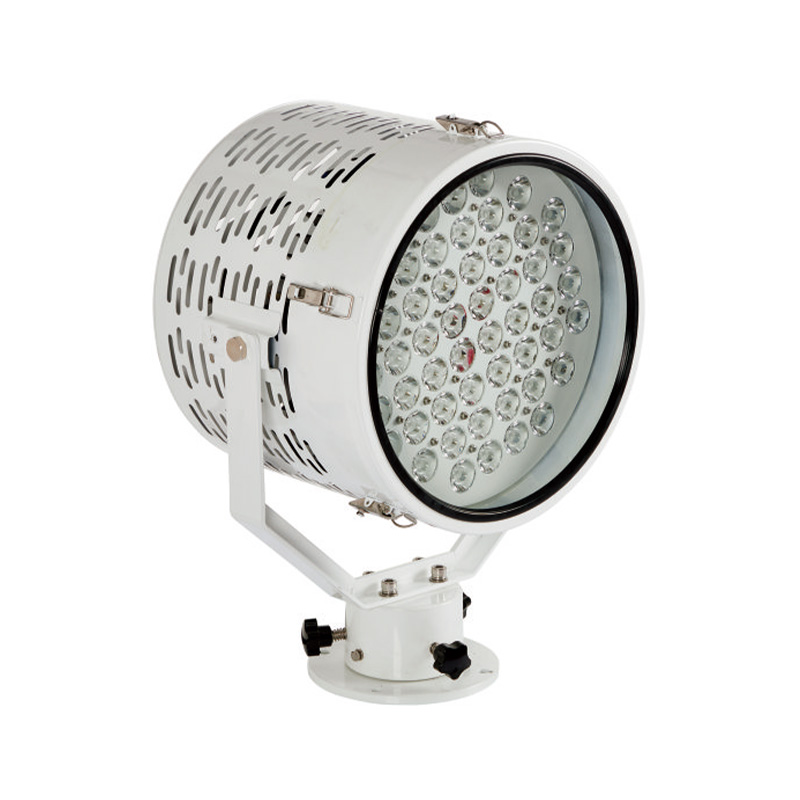
LED technology itself does not create these problems. The problems occur because of faulty upgrade selection and upgrade process choices. A boat LED light replacement or upgrade achieves lasting value when it is executed based on actual vessel operational conditions.
Table of Contents
Why upgrade to Boat LED Lights
Marine lighting systems need to function properly during continuous exposure to vibrations and high humidity levels and salt spray and changing temperatures. Traditional halogen and fluorescent lights may meet brightness requirements at the beginning, but their high power consumption, excessive heat, and short lifespan quickly become weaknesses under continuous operation.
The actual value of boat LED lighting systems emerges from their ability to maintain performance throughout extended use instead of their technical specifications. The system benefits from lower power use because it decreases electrical system strain while solid-state design delivers consistent light output which enhances both work and movement visibility. For these reasons, boat LED light has shifted from an optional energy-saving solution to the natural choice for modern lighting upgrades.
When Boat LED Light Upgrade Becomes Unavoidable
Frequent lamp failures or visible brightness reduction show that the current lighting system needs to be replaced because it no longer meets operational needs. The ongoing operation of an outdated system creates extra work for staff members while it develops into a major security threat.
Another often underestimated trigger is a change in vessel operating conditions. The requirements for lighting performance increase during extended night operations and when deck work requires greater precision and when work occurs in more challenging environments. The system develops problems because its lighting capacity cannot handle increasing demands which leads to critical failures during essential operational times.
Boat LED Lighting Upgrade Solution
Upgrading a boat LED light system requires aligning brightness, durability, and compliance with actual vessel needs to ensure long-term reliability, safety, and operational efficiency.
Defining Upgrade Requirements Based on Vessel Application
Before upgrading, evaluate each area of the vessel. The present brightness needs measurement together with the identification of areas which people use most and the measurement of environmental conditions which include vibration and humidity and salt exposure. The selected boat LED lights need their lumen output and IP rating and shock resistance to match the specific requirements of each location. The upgrade process will succeed because it solves actual problems which occur in operations.
Optimizing General Lighting for Long-Term Stability
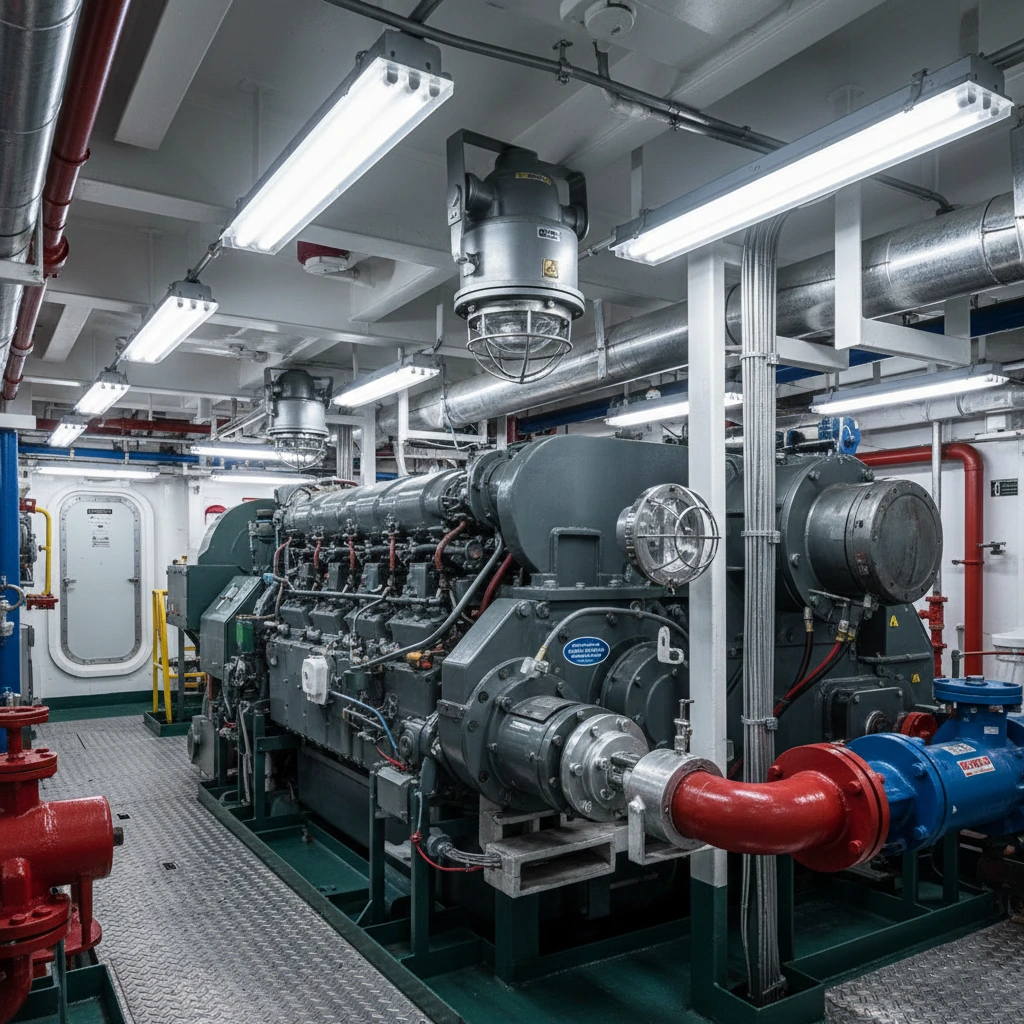
Damaged luminaires showing signs of corrosion, overheating, or water ingress must be replaced. When selecting luminaires, choose marine-grade LEDs with efficient heat dissipation systems and durable housings to maintain their original brightness. For safety, marine-grade electrical connections must be installed and their voltage compatibility verified to prevent flickering and premature burnout. Proper sealing and installation torque, combined, improve system reliability.
Improving Task Lighting for Operational Efficiency
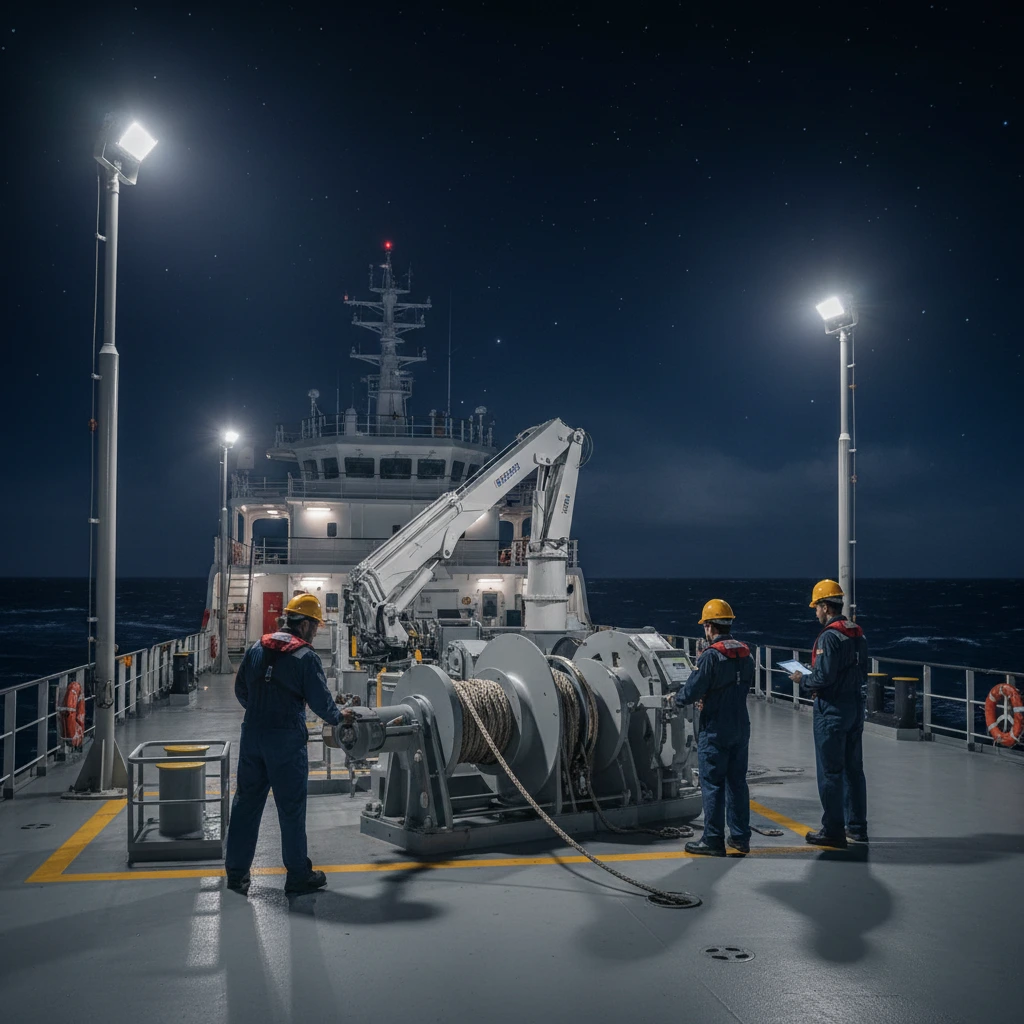
The use of controllable beam-angle boat LED lights should be applied to work areas and deck operations to minimize glare and eliminate shadowing effects. The installation of fixtures should focus on providing light to important equipment areas and to walking paths. The mounting height and angle settings need adjustment to accommodate the operational needs of the tasks. The team needs to perform routine inspections which include cleaning the lenses to ensure peak light performance and safe operational conditions.
Ensuring Compliance in Navigation and Signal Lighting
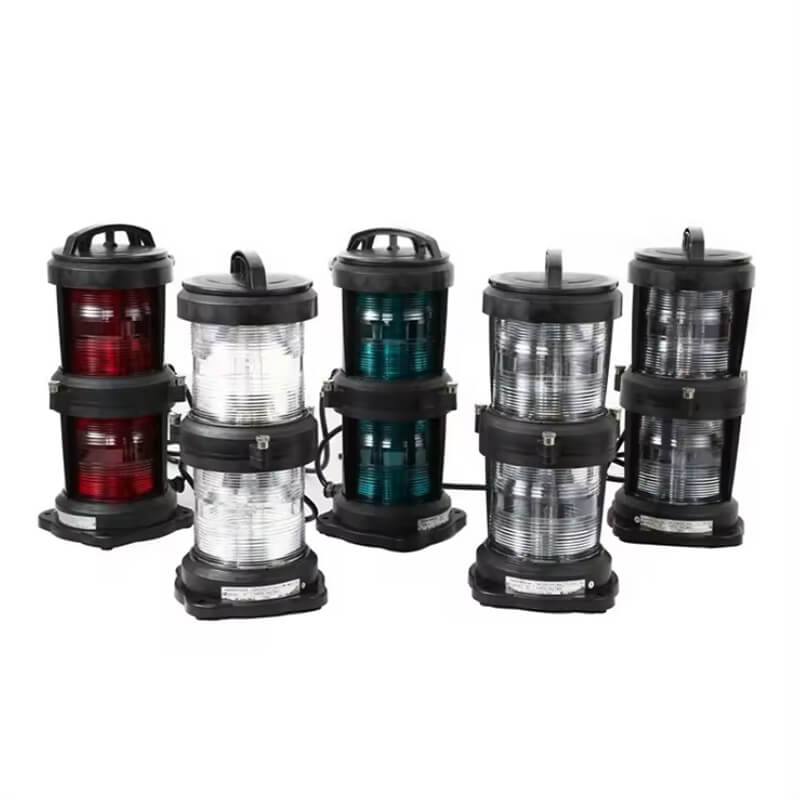
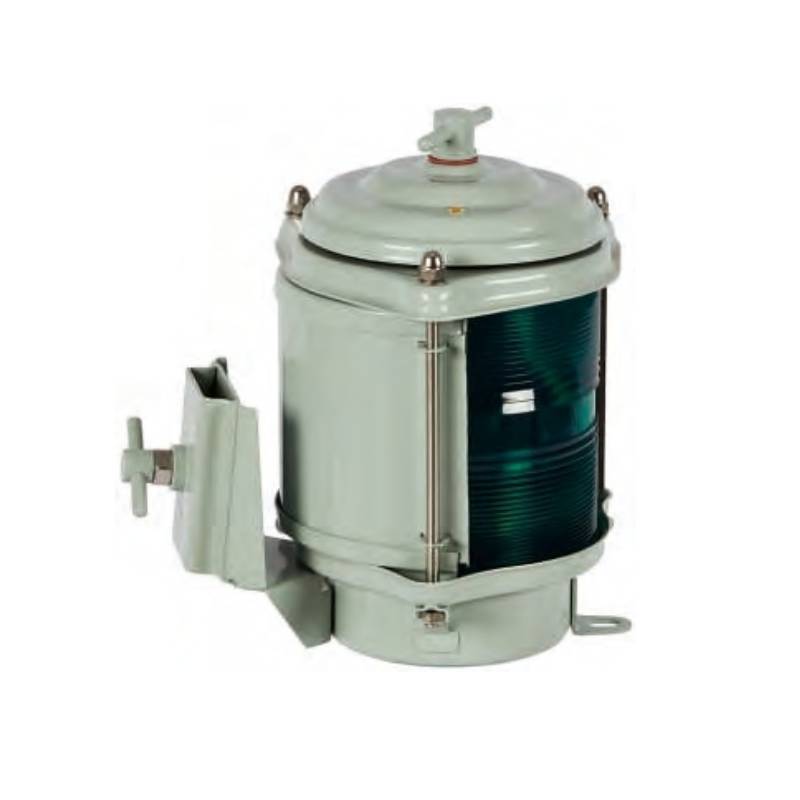
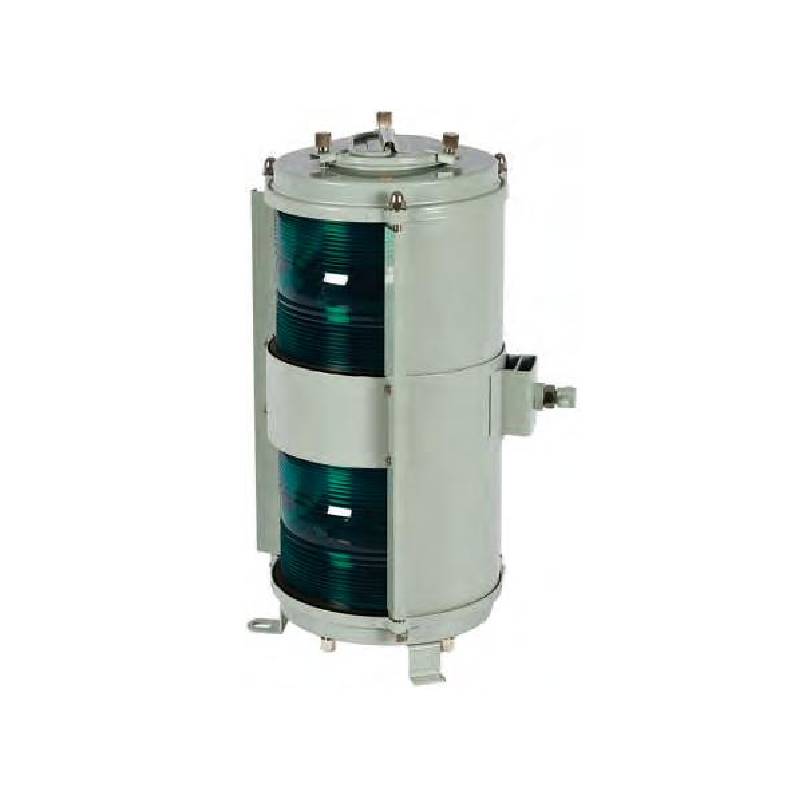
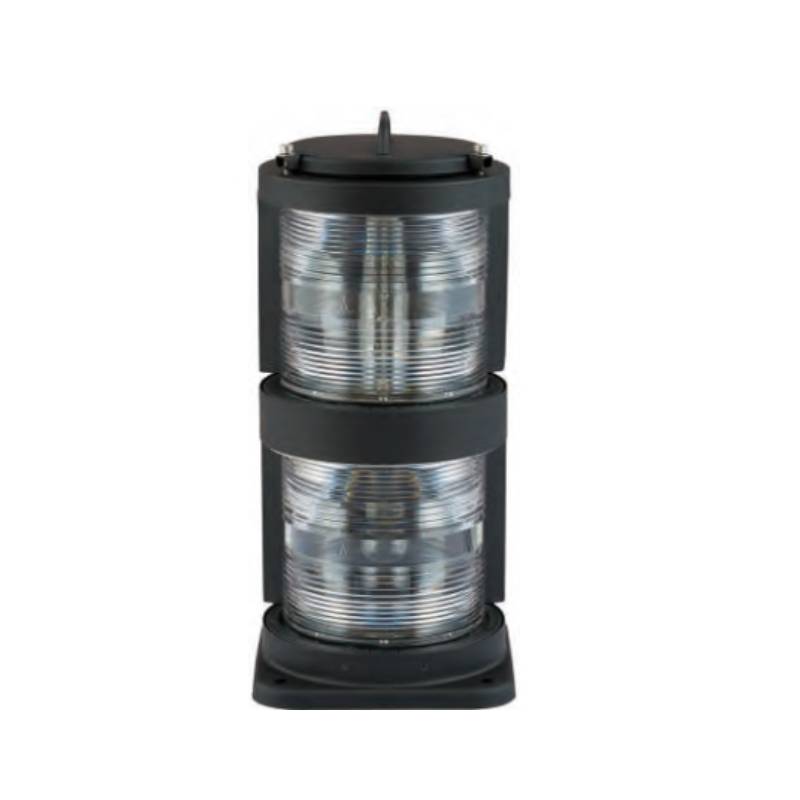
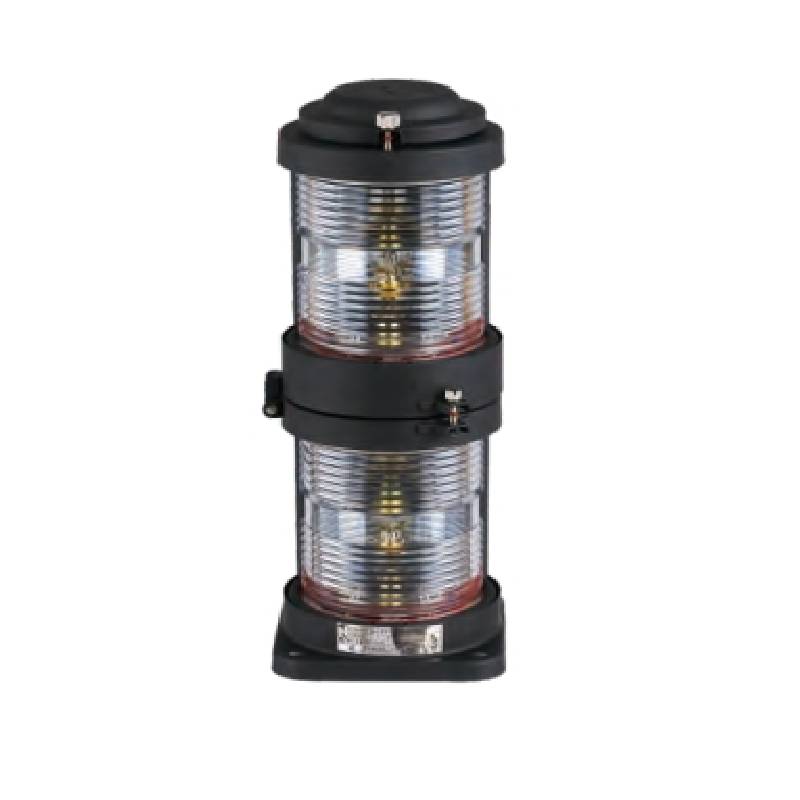
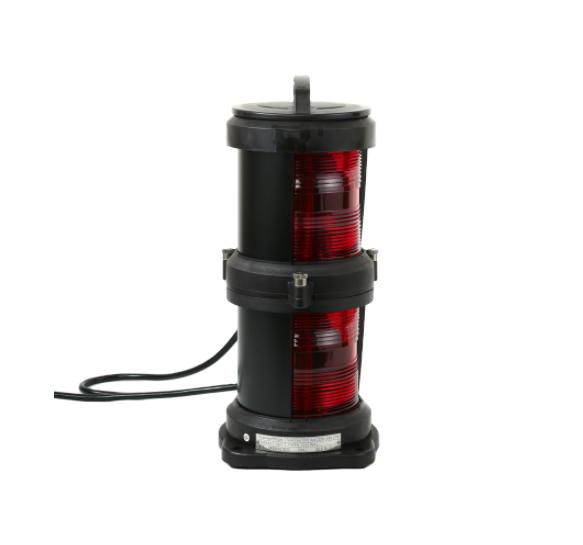
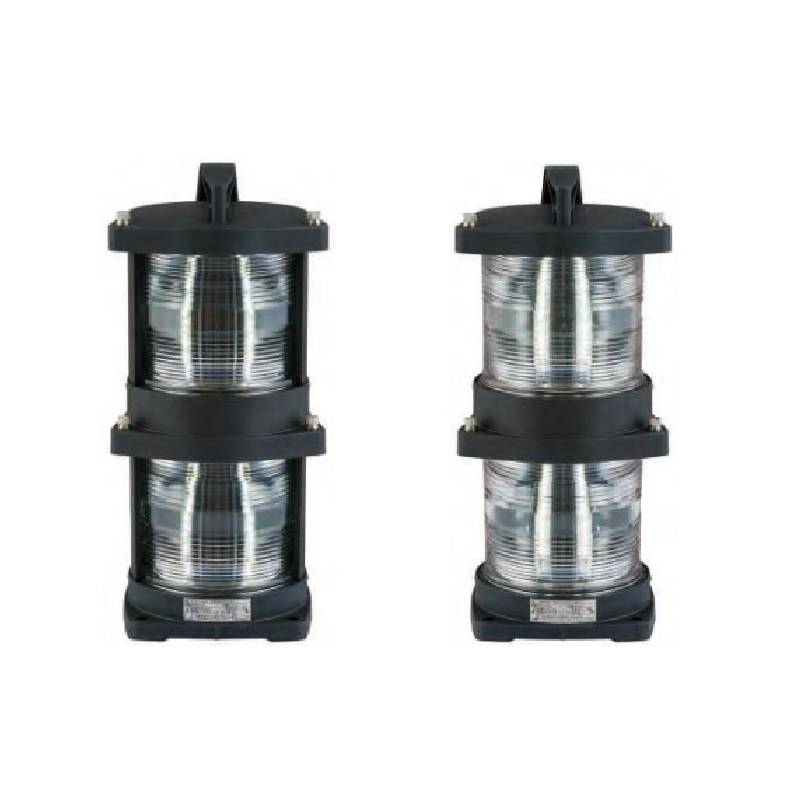
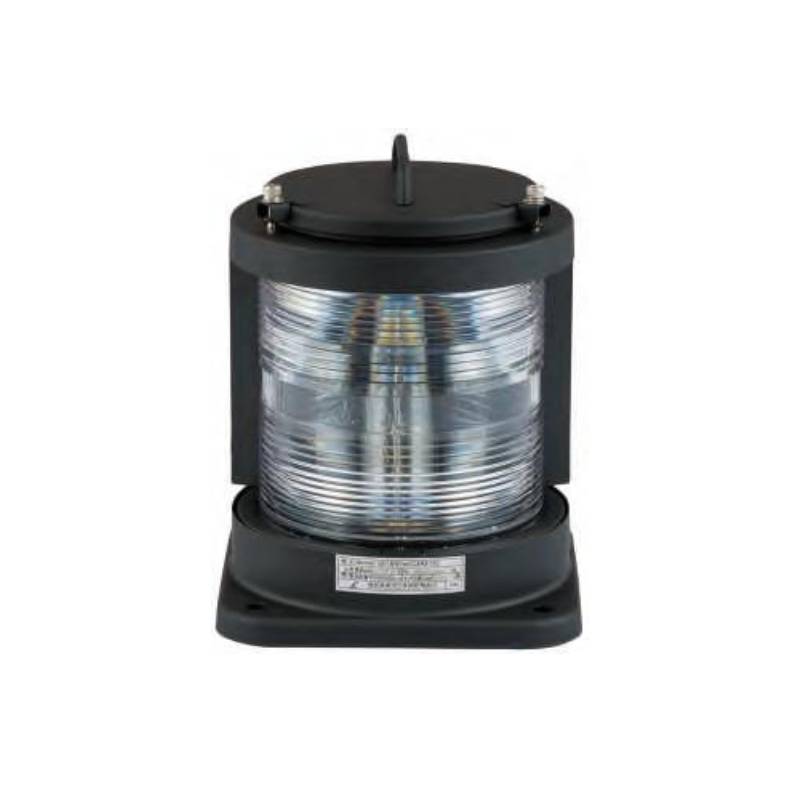
The requirement demands selection of certified marine boat LED lights which must comply with both IMO standards and regional standards regarding intensity and visibility. The testing process requires verification of fixture orientation together with mounting height and shielding requirements to confirm proper light distribution. The testing process needs to assess visible conditions during actual usage which will result in documented evidence that meets inspection requirements and serves as future reference material.
Achieving System-Level Reliability Through Integrated Design
The electrical and lighting system needs examination before any system upgrades. The team needs to verify circuit loads and fuse ratings and critical points redundancy. The team should use ingress-protected fixtures which can withstand vibration and salt spray and humidity. The team needs to establish preventive maintenance which includes both scheduled inspections and cleaning activities. The method decreases unplanned breakdowns while increasing the operational duration of the upgraded boat LED lights.
Why Must Compliance Be The Top Priority
Brightness Alone Does Not Equal Compliance
Navigation lights and signal lights serve identification and safety purposes rather than general illumination. A boat LED light which appears bright enough to see fails to meet operational requirements when its luminous intensity distribution and visibility angles and reliability do not comply with regulations. The process of upgrading safety-related lighting requires more than power ratings and brightness values to provide useful guidance.
Compliance Is Part of System Reliability
Boat LED lights used for navigation and signaling must meet international and regional maritime regulations. The process of inspecting for compliance establishes safety standards which find their application during challenging navigation situations. The selection of lighting solutions needs to follow established marine applications which have undergone validated testing according to proven testing methods.
How to Evaluate Whether a Boat LED Light Upgrade Is Truly Successful
The boat LED light system reaches complete operation stability after its extended running time. The lights emit constant brightness which does not fluctuate and remains free from any unusual deterioration. The fixtures continue to function properly because they withstand extreme heat conditions and high humidity levels and strong vibrating movements. The maintenance teams use defined service procedures which allow them to work efficiently while handling normal maintenance tasks instead of dealing with unexpected system breakdowns.
The results emerge from thorough knowledge of marine operational environments which exceeds all technical specification requirements.
Conclusion
From an engineering and operational perspective, the process of replacing or upgrading a boat LED light requires more than a simple equipment update. The project aims to achieve systematic improvements in lighting reliability and safety and maintenance efficiency through its execution. The identification of operating scenarios together with the ability to differentiate general lighting from safety lighting and the enforcement of compliance requirements for critical areas establishes a system that eliminates the need for alterations and protects against unexpected expenses.
The implementation of a boat LED light upgrade requires more than a basic transition to LED technology because it must establish permanent lighting control which will maintain consistent brightness levels throughout its operational lifetime.