Maritime Light Signals vs Sound Signals: Understanding the Differences and When to Use Each
Safe navigation at sea depends on clear and reliable communication between vessels. Ships operating in complex maritime environments at night or during limited visibility need to use standard signaling systems for safe maneuvering and collision prevention. Maritime light signals and sound signals represent the most essential systems among these technologies.
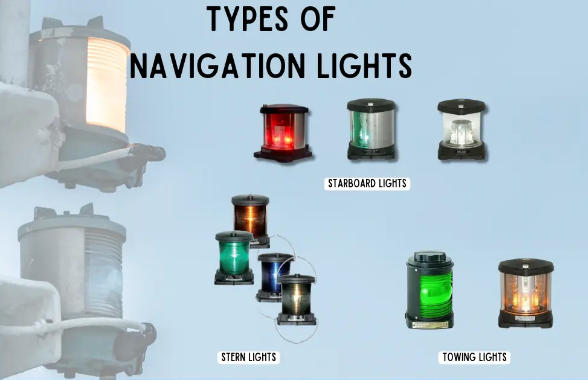
The International Regulations for Preventing Collisions at Sea (COLREGs) define rules for both elements yet each element serves distinct functions and functions optimally in specific situations. Professional and recreational mariners need to understand how maritime light signals compare with sound signals while modern marine signal lights enhance both systems.
Table of Contents
What Are Maritime Light Signals?
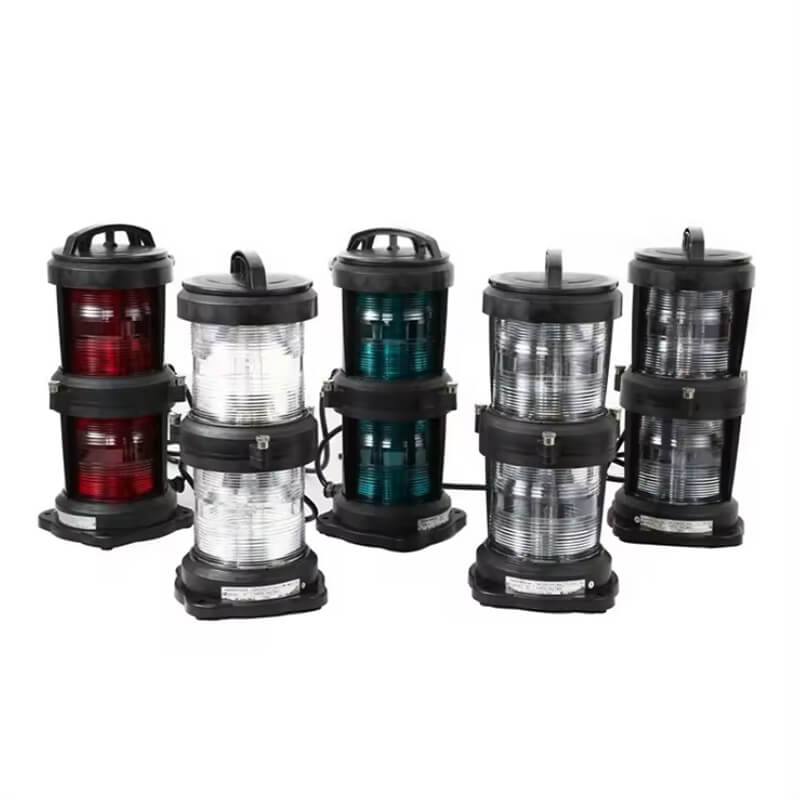
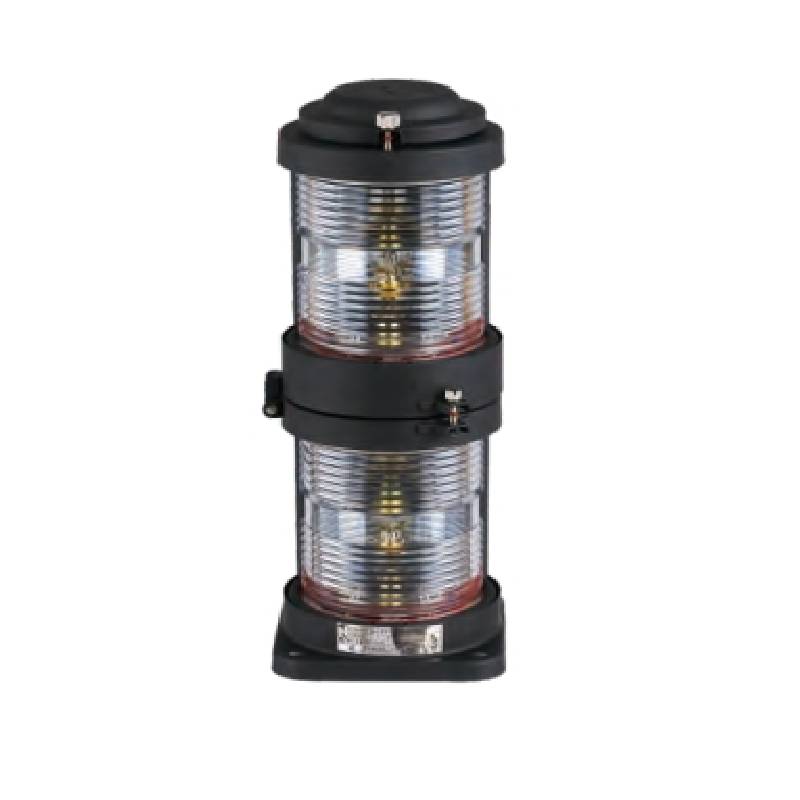
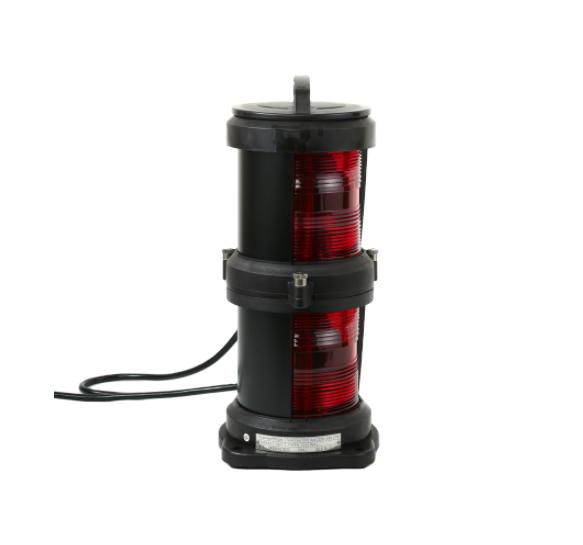
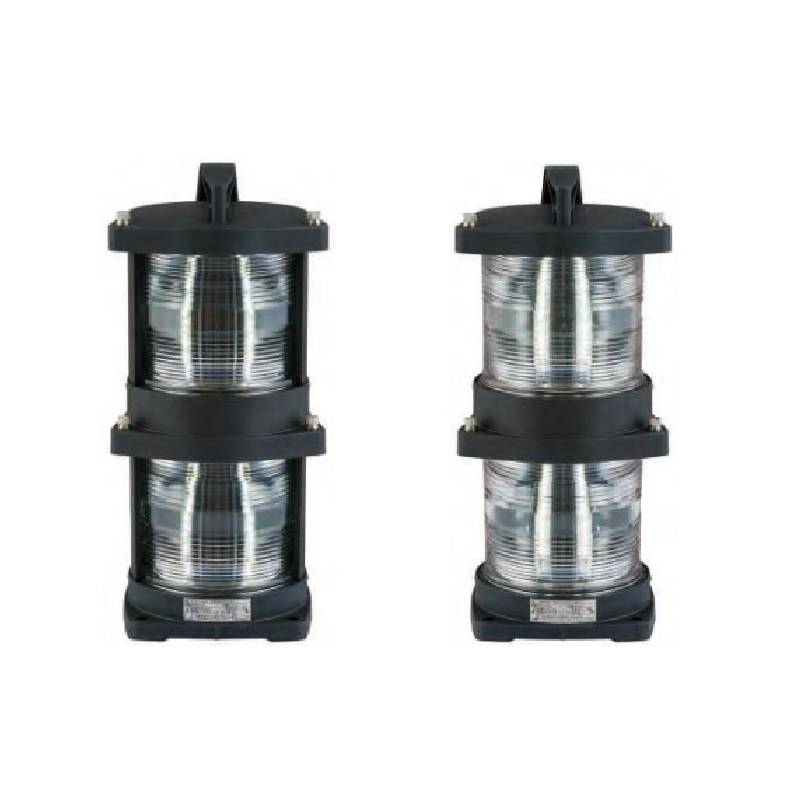
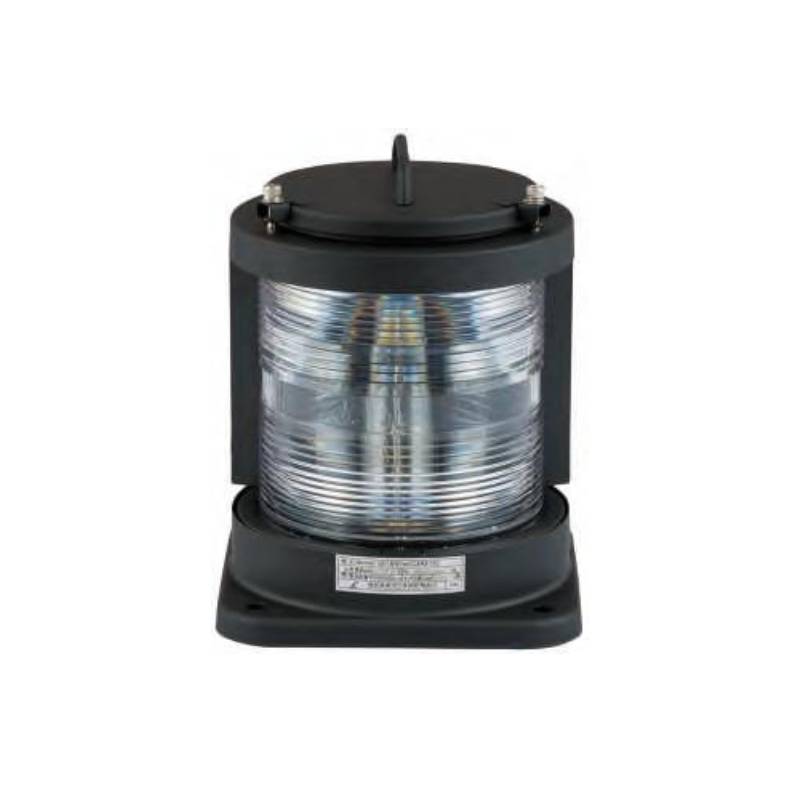
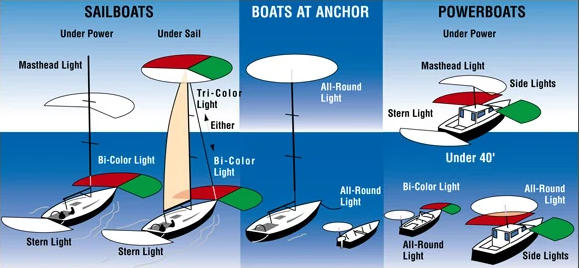
Marine vessels use maritime light signals as visual signals to show their location, heading, and current operations. The signals become essential nighttime navigation tools which protect against hazardous situations in conditions of limited visibility.
Common Types of Maritime Light Signals:
| Light Type | Primary Function | What It Indicates | Typical Use Scenarios |
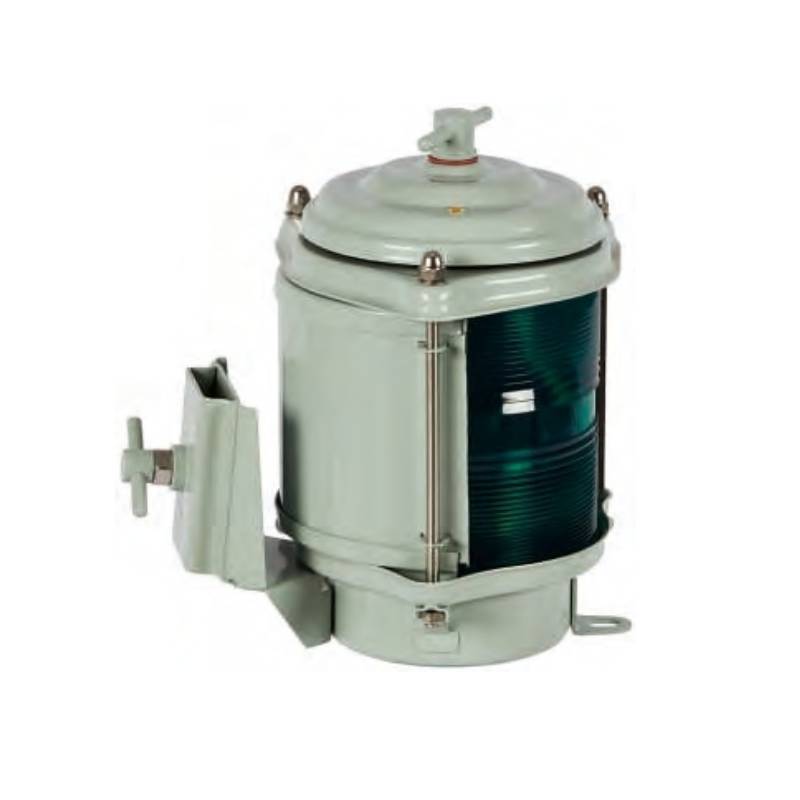
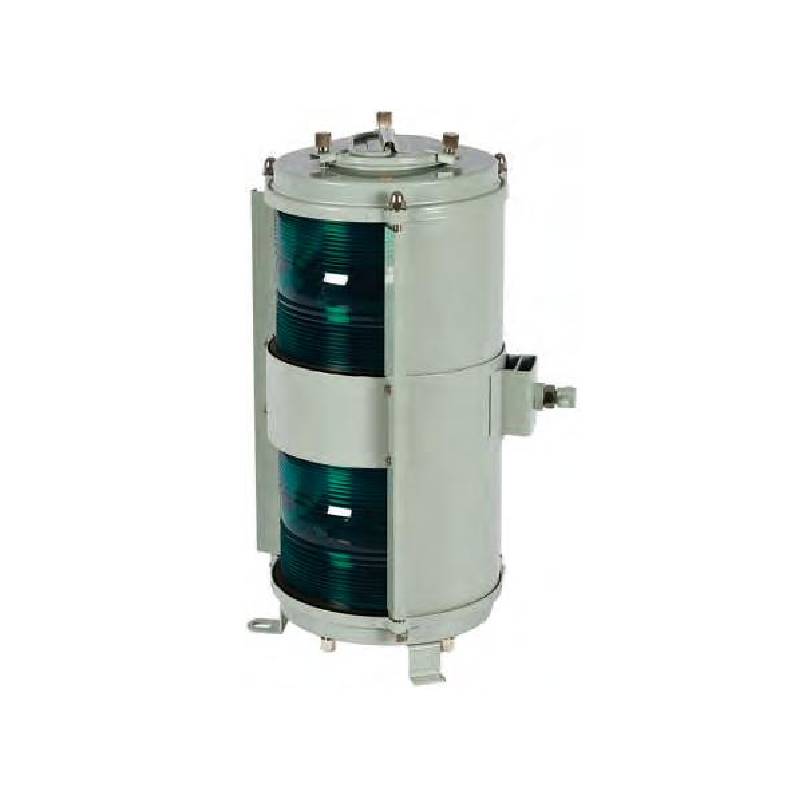
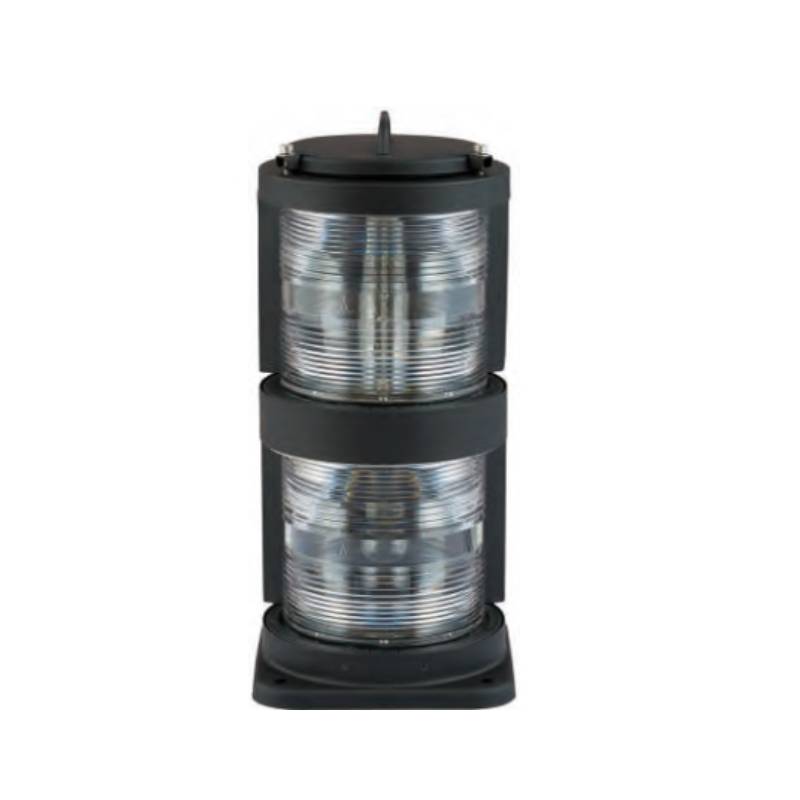
| Navigation Lights (Red, Green, White) | Show vessel heading and movement | Vessel direction, orientation, and right-of-way | Night navigation, low-visibility conditions, collision avoidance |
| All-Round Lights | Indicate vessel operational status | Anchoring, restricted maneuverability, or special conditions | Anchored vessels, vessels engaged in specific operations |
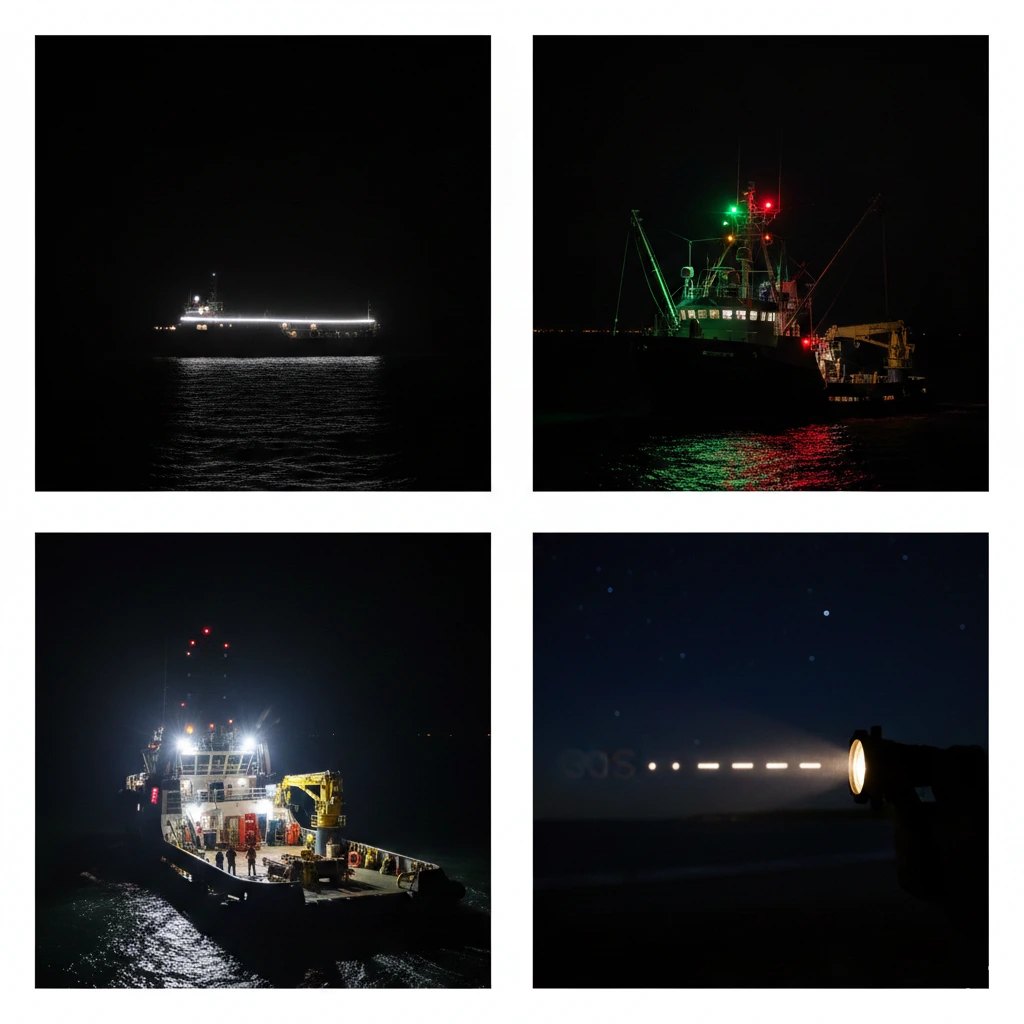
| Special-Purpose Lights | Identify special vessel types | Fishing activity, towing operations, vessel not under command | Fishing vessels, tugboats, offshore working vessels |
| Morse Light Signals | Transmit coded visual messages | Intentional communication using Morse code flashes | Emergency signaling, ship-to-ship or ship-to-shore communication |
The lights need to deliver stable brightness together with accurate color reproduction and dependable performance in order to function properly under extreme maritime conditions which include high humidity and vibration and salt spray and high temperature environments.
The professional-grade marine signal lights which include Yushuo’s navigation lighting and Morse light solutions provide essential support for organizations to achieve their required visibility standards and regulatory compliance needs.
What Are Sound Signals in Maritime Navigation?
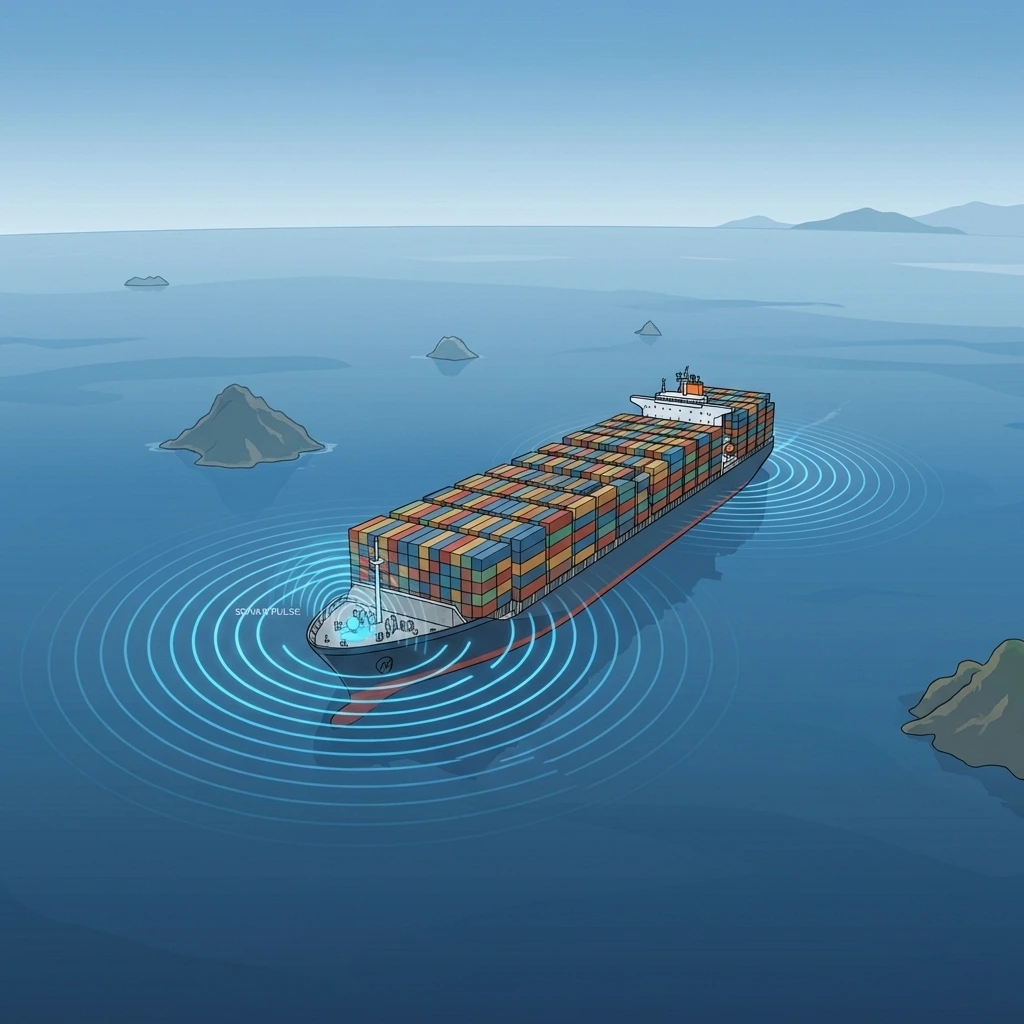
Sound signals function as audible warnings which transmit navigational information through whistles, horns, and bells. The system creates sounds that indicate a ship’s location and operational plans when visual signals do not provide sufficient information. The system operates as an essential standardized communication system which enables vessels to avoid collisions during situations with reduced visibility and close proximity operations.
Common Maritime Sound Signals:
| Sound Signal Type | Signal Pattern | Meaning Conveyed | Typical Use Scenarios |
| Short Blasts | One or more short blasts | Course alterations or maneuvering intentions | Meeting, crossing, or overtaking situations |
| Prolonged Blasts | One prolonged blast at prescribed intervals | Vessel presence in fog or restricted visibility | Fog, heavy rain, snow, or low-visibility navigation |
| Bell or Gong Signals | Repeated bell or gong strikes | Vessel anchored or moored | Anchored vessels, port areas, narrow channels |
| Emergency Sound Signals | Continuous or rapid sound signals | Immediate danger or distress | Collision risk, emergency situations requiring urgent attention |
Sound signals become essential during times of poor visibility yet their nature limits their existence because directional sound detection fails in environments with high noise levels and crowded waterways.
Key Differences Between Maritime Light Signals and Sound Signals
Maritime light signals and audible signals are both important means of communication and collision avoidance between ships, but they operate differently. Understanding the core differences between the two helps crew members determine which signal is more reliable and effective in different navigational environments.
Different Signal Reception Methods
Maritime light signals are signals that people can see, while audible signals are signals that people can hear. Light signals need people to see them but this creates problems because people cannot see at night and when visibility is blocked. Audible signals can identify ship direction and position under conditions of heavy fog and heavy rain because they do not need users to see.
Different Continuity of Information Transmission
Light signals supply continuous and stable information. Other ships can track a ship’s course and movement and operational status as long as the lights remain operational. Audible signals exist as short sound patterns that transmit operational signals and emergency alerts.
Different Accuracy of Directional Recognition
Light signals have a clear directionality. Crew members use red and green and white lights to determine the approaching ships’ course and relative position. The sound signals for nearby vessels and maneuvering vessels can be detected by listeners, but listeners struggle to determine their exact location because of the complicated sounds and background noise that exists in the environment.
The Degree to Which They Are Affected by The Environment Differs
Light signals achieve their maximum effectiveness when visibility conditions are good, but dense fog and heavy rain and other adverse weather conditions create visibility challenges. Sound signals can penetrate fog, but their recognition effectiveness decreases when wind direction and wave conditions and ship noise interfere with them.
Their Roles in Navigational Safety Differ
Maritime light signals function as the fundamental identification system which enables navigation during nighttime and low-visibility conditions. People use sound signals as secondary signals which they activate during times of poor visibility to quickly notify nearby vessels. The maritime collision avoidance rules require ships to use both light and sound signals for their navigation operations which should be performed in actual maritime conditions.
In What Situations Should These 2 Signals be Used?
| Use Scenario | Maritime Light Signals | Sound Signals | Key Notes |
| Night Navigation | Show vessel heading, position, and status | Used only if close maneuvering is required | Light signals are the primary reference |
| Low Visibility (Lights Visible) | Maintain continuous vessel identification | Supplementary warning if collision risk arises | Do not rely on sound alone |
| Dense Fog / Heavy Rain | Required but limited by visibility | Primary method to announce presence | Sound must support proper lighting |
| Busy Sea Lanes | Enable continuous tracking by other vessels | Short-term maneuvering or warning signals | Stable lighting is critical |
| Narrow Channels / Harbors | Provide positional reference | Immediate maneuvering communication | Sound cannot replace lights |
| Close-Quarters Situations | Maintain orientation visibility | Communicate course changes | Combined use reduces risk |
| Anchored Conditions | Display correct all-round lights | Use bell or gong signals | Indicates vessel presence |
| Emergency Situations | Visual distress or identification | Immediate attention signal | Use both for maximum notice |
How Light Signals and Sound Signals Work Together
Light signals and sound signals are designed to work together, not separately. Each system covers the limitations of the other and provides a more complete picture of a vessel’s presence and intentions. Vessels in real navigation situations operate both systems simultaneously. A ship maintains its navigation lights and emits required sound signals to announce its presence during fog conditions. Sound signals deliver information about short-term maneuvers which occurs during close-quarters situations while light signals provide a permanent reference point for vessel orientation.
The use of visual and audible signals by vessels creates better understanding while increasing their ability to respond and meeting COLREGs requirements. The success of maritime safety depends on proper implementation of both systems rather than selecting one system to use.