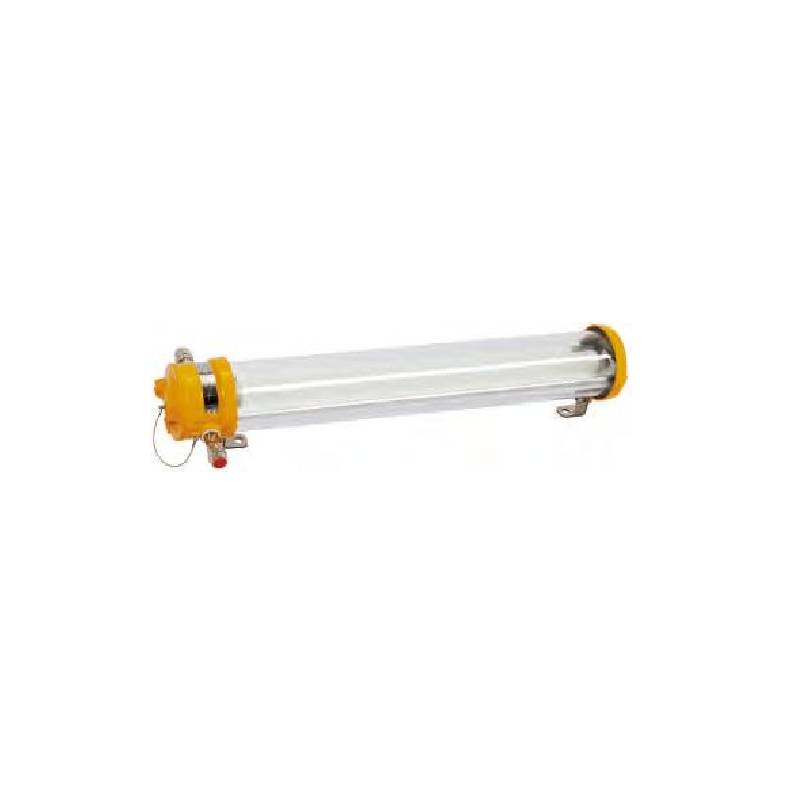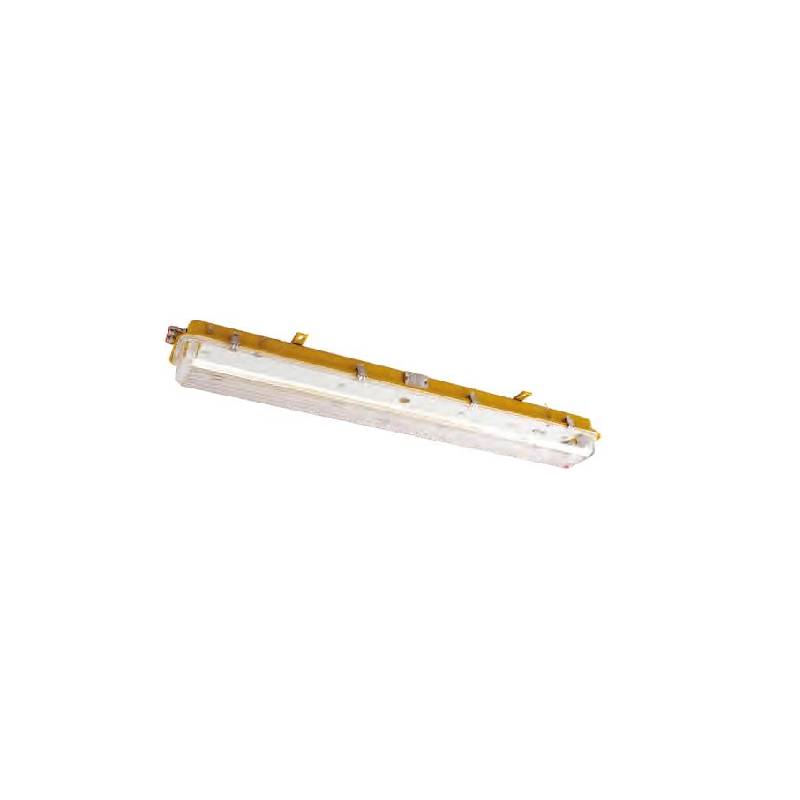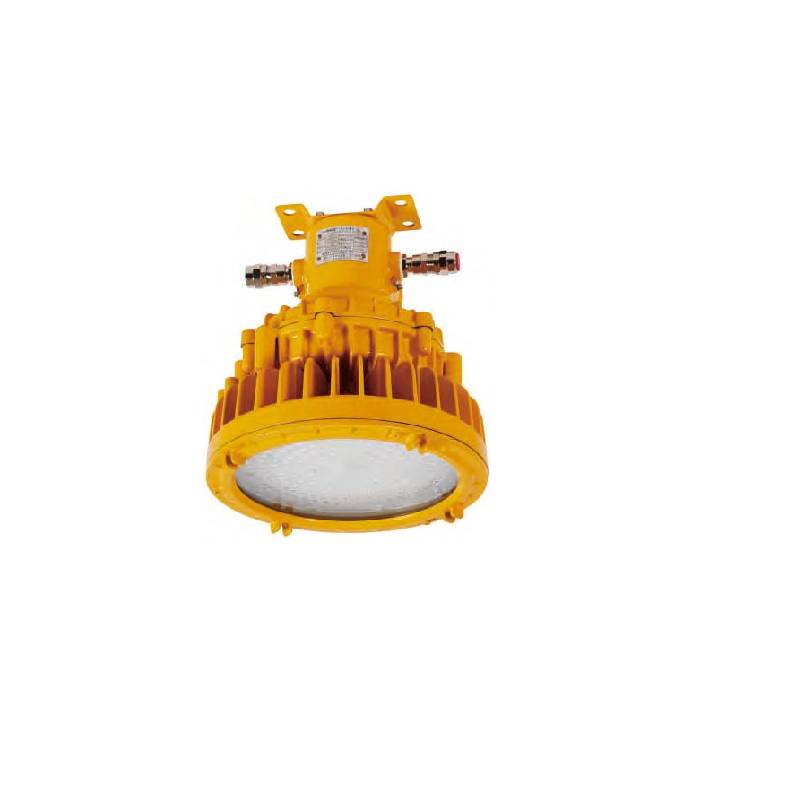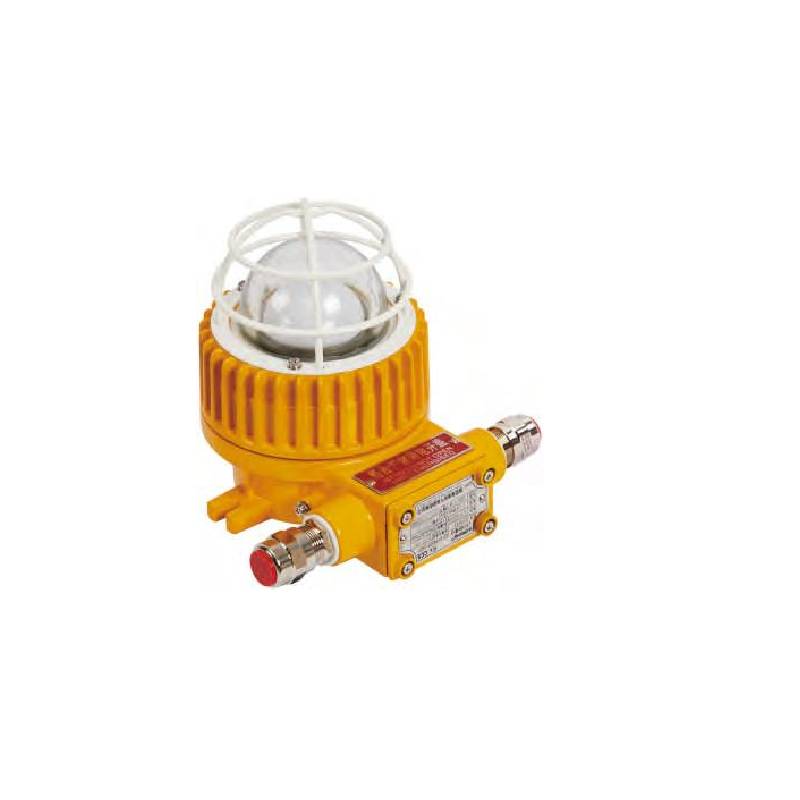
How Explosion-Proof Lights Improve Safety and Energy Efficiency
The hazardous industrial environments at oil refining plants and chemical plants and offshore platforms and grain processing plants need Explosion-proof lights as their essential safety equipment which requires mandatory safety protocols. The DesignLights Consortium SSL V6.0 establishes higher HazLoc requirements for 2026 which forces companies to enhance their safety performance while they boost their lighting fixtures’ luminous efficacy and energy utilization efficiency. The engineering field faces a critical challenge because engineers must develop methods to make explosion-proof lights more efficient at producing light without compromising their explosion-proof certification.
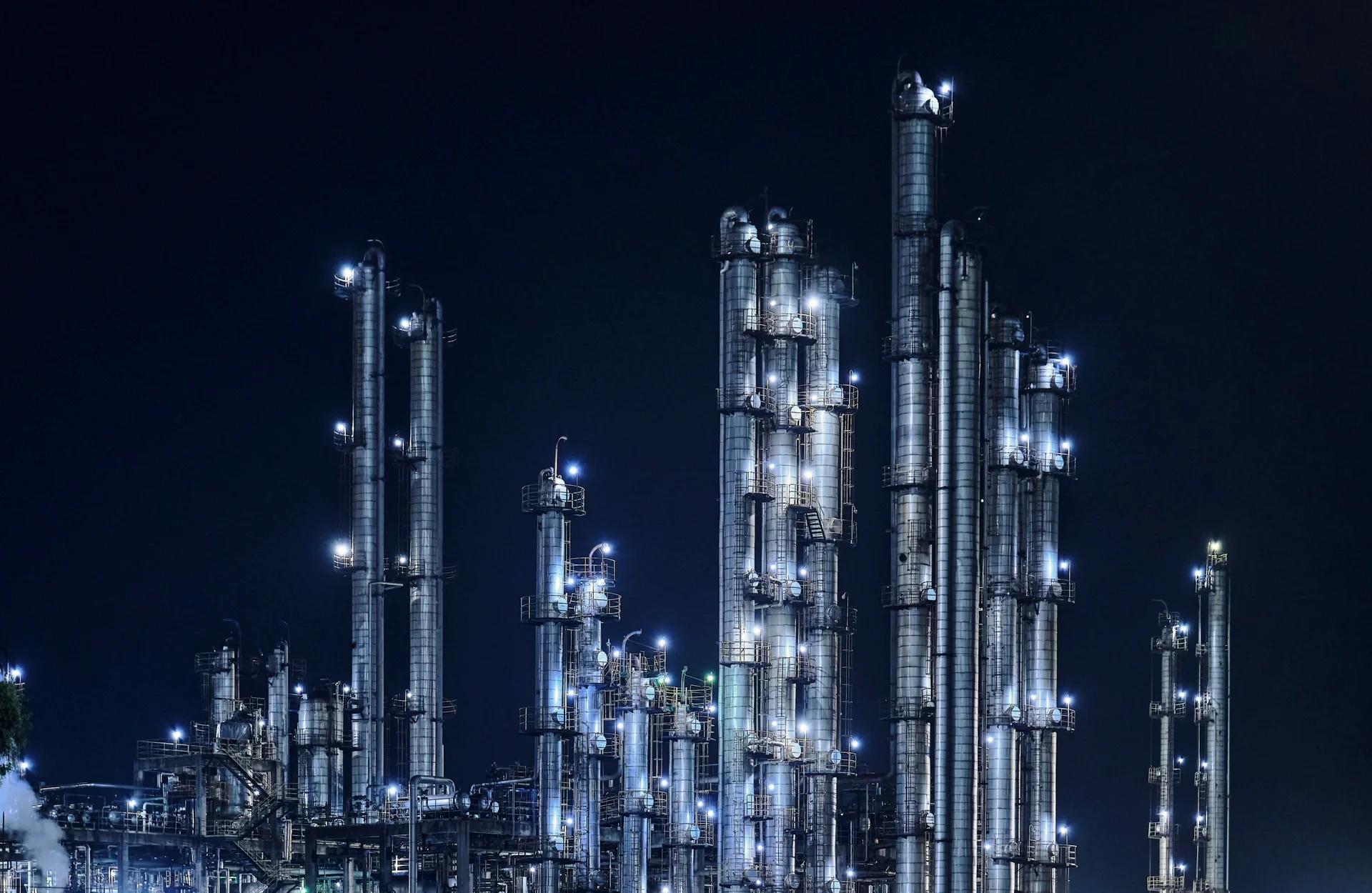
The Inherent Limitations of Structure
Explosion-proof lighting fixtures typically use a heavy die-cast aluminum shell and tempered glass or borosilicate glass for the lampshade. The fixture design enables it to endure internal explosion pressures while stopping flames from spreading and keeping outside flammable gases from entering. The design makes the system safer but its ability to release heat remains below average. LED lights have luminous efficacy that depends on temperature because when LED junction temperature increases the light output decreases and the light decay rate becomes faster. The solution to better luminous efficacy in explosion-proof lights needs to start with solving thermal management problems.
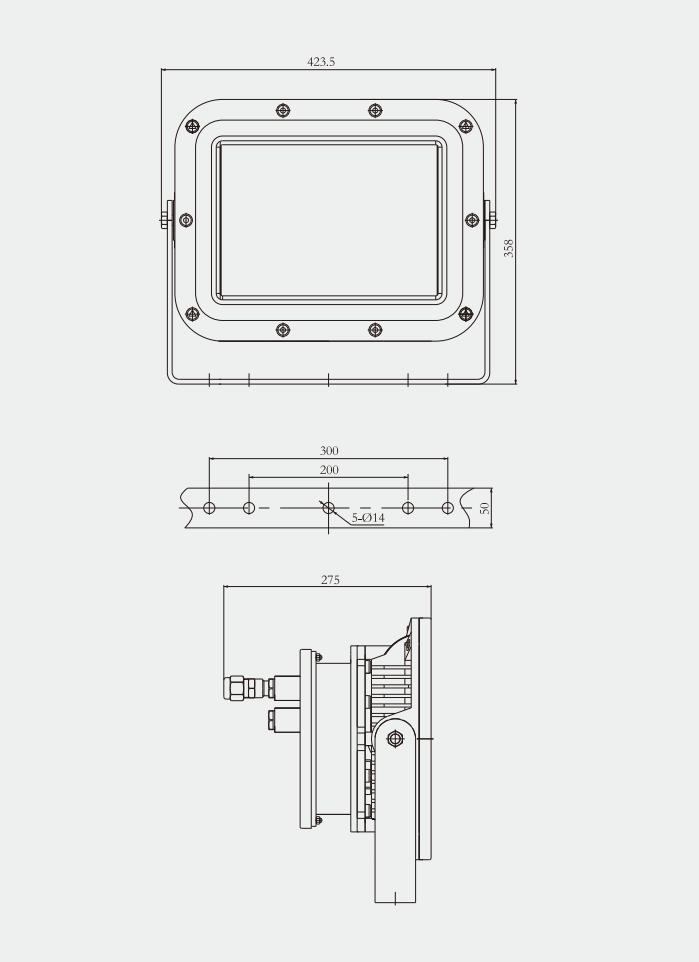
4 Strategies to Enhance Lighting Efficiency
The process of enhancing lighting efficiency in dangerous workplaces requires engineers to execute their systems engineering work through systemwide assessment. The final system luminous efficacy results from all system components which include fixture structure optical design and driver efficiency.
The following four strategies are used in modern Explosion-proof lights design to achieve improved lighting performance while maintaining strict safety requirements.
Strategy 1: Thermal Management Structure Upgrade
Thermal management stands as the primary element that determines both efficiency and lifespan of explosion-proof lighting systems. The light output from LEDs reduces while the lumen depreciation rate shows an accelerated increase because LED junction temperatures increase. The initial step to enhance lighting efficiency requires organizations to optimize their heat dissipation systems.
Common approaches include:
- The dual-chamber structural design separates the LED light source chamber from the driver compartment, which prevents heat from the power supply system to the LED module, which results in junction temperatures that stay more consistent.
- The high thermal conductivity aluminum housing uses die-cast aluminum, which has better thermal conductivity, and cooling fins to create additional heat dissipation surface area.
- The system uses optimized thermal pathways to enable effective heat movement from the LED board to the heat sink and fixture housing.
The U.S. Department of Energy research shows that lowering LED junction temperatures through system design improvements results in better performance and longer fixture operational time. Efficient thermal design in hazardous location lighting systems maintains their operational reliability over extended periods.
Strategy 2: Optical System Efficiency Optimization
Explosion-proof luminaires require thick tempered glass or borosilicate glass lenses for safety and containment purposes. The protective components of the system produce optical losses which detract from its functionality. The system will achieve maximum light output through its optical system improvements.
Key optimization methods include:
- The secondary optical lens design enables engineers to create exact lenses and reflectors which control light distribution toward designated areas for better illumination performance.
- The system uses premium glass materials together with anti-reflective coatings to achieve optimal lens performance through minimal reflection losses.
- The system needs different beam angles because its lighting requirements demand specific beam patterns which need narrow beams for high-mast lighting and wide beams for large industrial spaces.
The industry testing standard IES LM-79 defines the methods for measuring light output and efficacy of LED luminaires. Manufacturers who enhance their optical design capabilities will achieve better system performance results which testing under LM-79 conditions will measure.
Strategy 3: High-Performance LED Package Application
The LED packaging technology advancements create a strong foundation for enhancing explosion-proof lighting systems. The current industrial-grade LED packages achieve their highest performance levels in laboratory testing, yet actual explosion proof led light fixtures need system optimization for improved operational results.
Important design considerations include:
- The researchers select LED chips which show high efficacy to create their basic lighting system.
- The team reduced LED drive current density because it resulted in decreased heat production while preserving system performance.
- The researchers designed their LED array layout to achieve better heat distribution which would result in steady light output throughout the system.
The International Energy Agency reports that industrial lighting systems achieve better energy efficiency when their high-efficiency LED packages work together with specially designed system architectures.
The hazardous environments require LED systems which maintain their reliable performance throughout extended periods of time instead of operating at their highest output capabilities.
Strategy 4: High-Efficiency Driver Power Engineering
The LED driver is another critical factor that impacts the complete system performance of explosion-proof lighting systems. The higher the driver efficiency, the more electrical energy is converted into usable light.
Modern explosion-proof LED luminaires typically incorporate the following driver design features:
- The system requires power modules which achieve more than 90% efficiency to decrease energy waste during operation.
- The system maintains constant current output which enables LEDs to function at their best electrical condition for steady light production.
- The system needs industrial-grade surge protection which operates at 6kV or higher to handle the electrical instability that occurs in industrial settings.
The DesignLights Consortium DLC SSL V6.0 standard establishes more rigorous performance standards which apply to HazLoc lighting systems. Products must now demonstrate their driver efficiency and system effectiveness to obtain DLC certification. The design of high-efficiency drivers enables better light output while creating less thermal waste, which boosts fixture performance.
New Standards Drive Development
The adoption of more efficient hazardous location lighting solutions has been accelerated by current industry standards. The DesignLights Consortium DLC SSL V6.0 standard has established a HazLoc category that provides specific requirements for hazardous environment lighting systems.
The updated standards require explosion-proof fixtures to achieve higher luminous efficacy and performance assessment standards and product performance requirements. The system requires verified photometric assessments and extended lumen maintenance estimates and increased system efficiency benchmarks.
Manufacturers are now concentrating their efforts on high-performance thermal engineering and superior optical designs and advanced energy-efficient components to achieve regulatory compliance while enhancing energy-efficient operation of their products.
The new standards are implementing changes that will lead the entire explosion-proof lighting industry to develop safer and more efficient energy solutions.