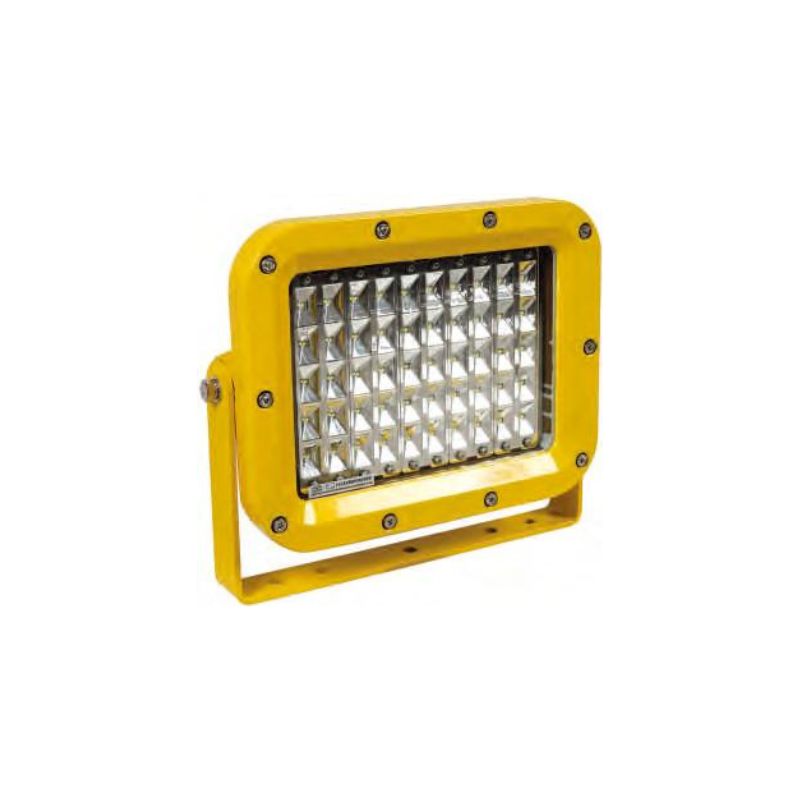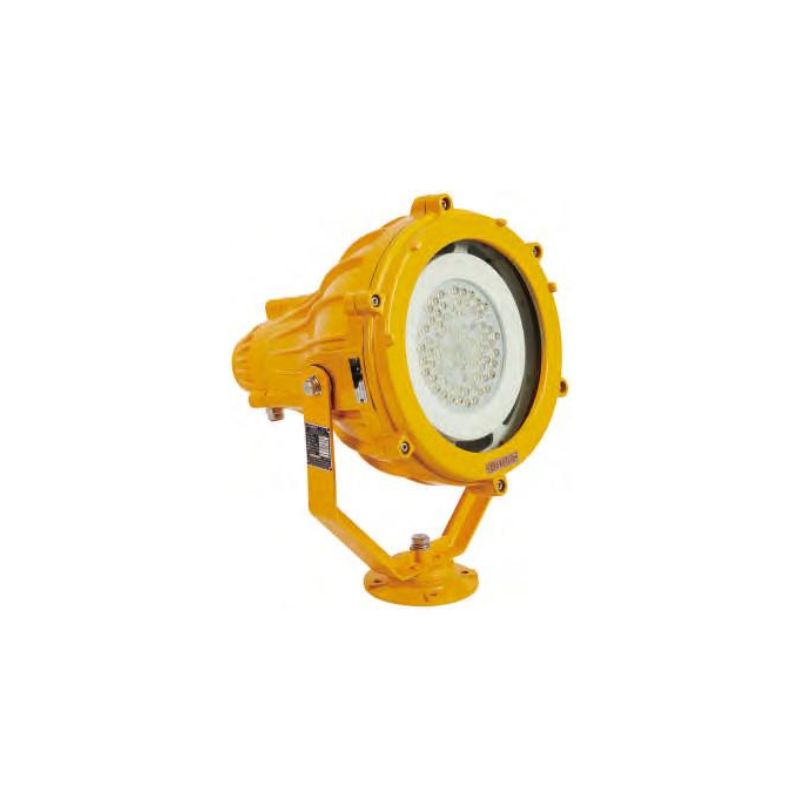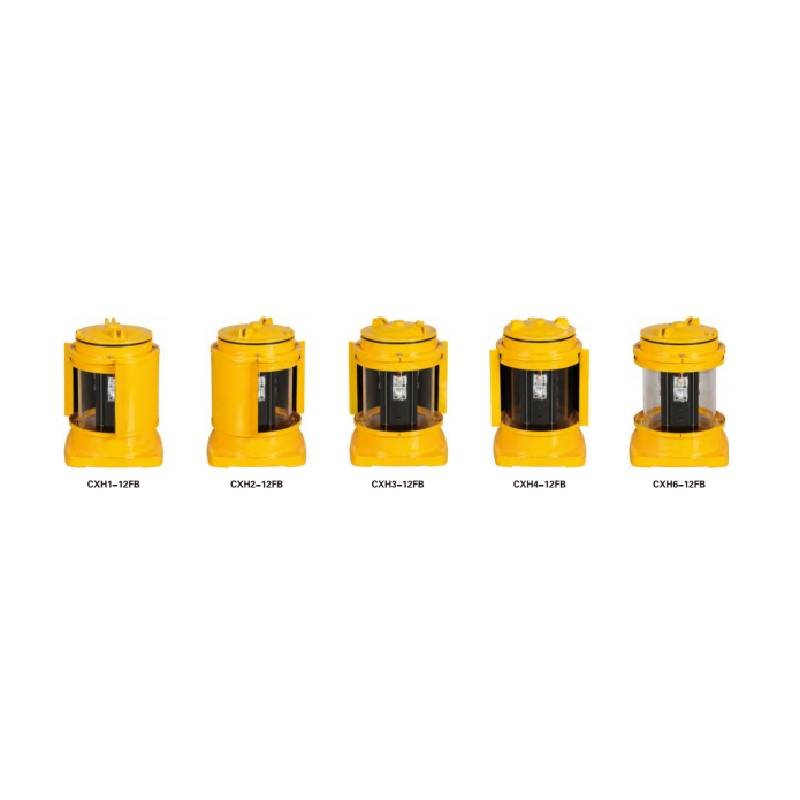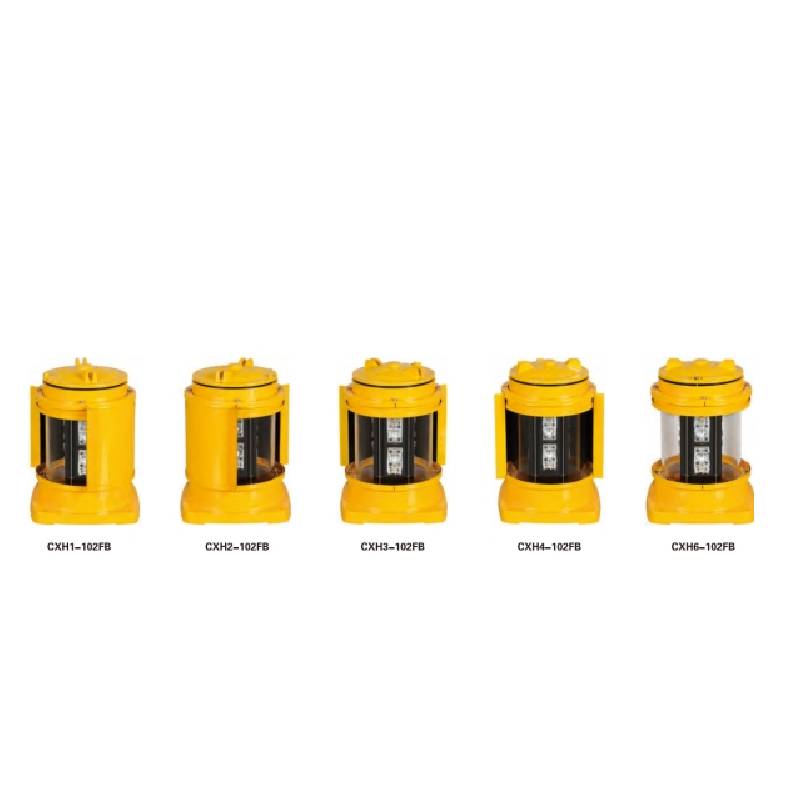
Comprehensive Upgrade of ATEX / IECEx Explosion-Proof Lighting on Oil Tankers
In the class of merchant ships, oil carriers are the most dangerous ones. Crude oil, refined oil, or chemicals give off flammable gases at all times during loading, unloading, and various operations on board, including navigation. The situation is further complicated by high temperatures, confined spaces, vibrations, and a reduction in the lifespan of equipment due to salt exposure, thus posing a risk of light equipment becoming an ignition source.
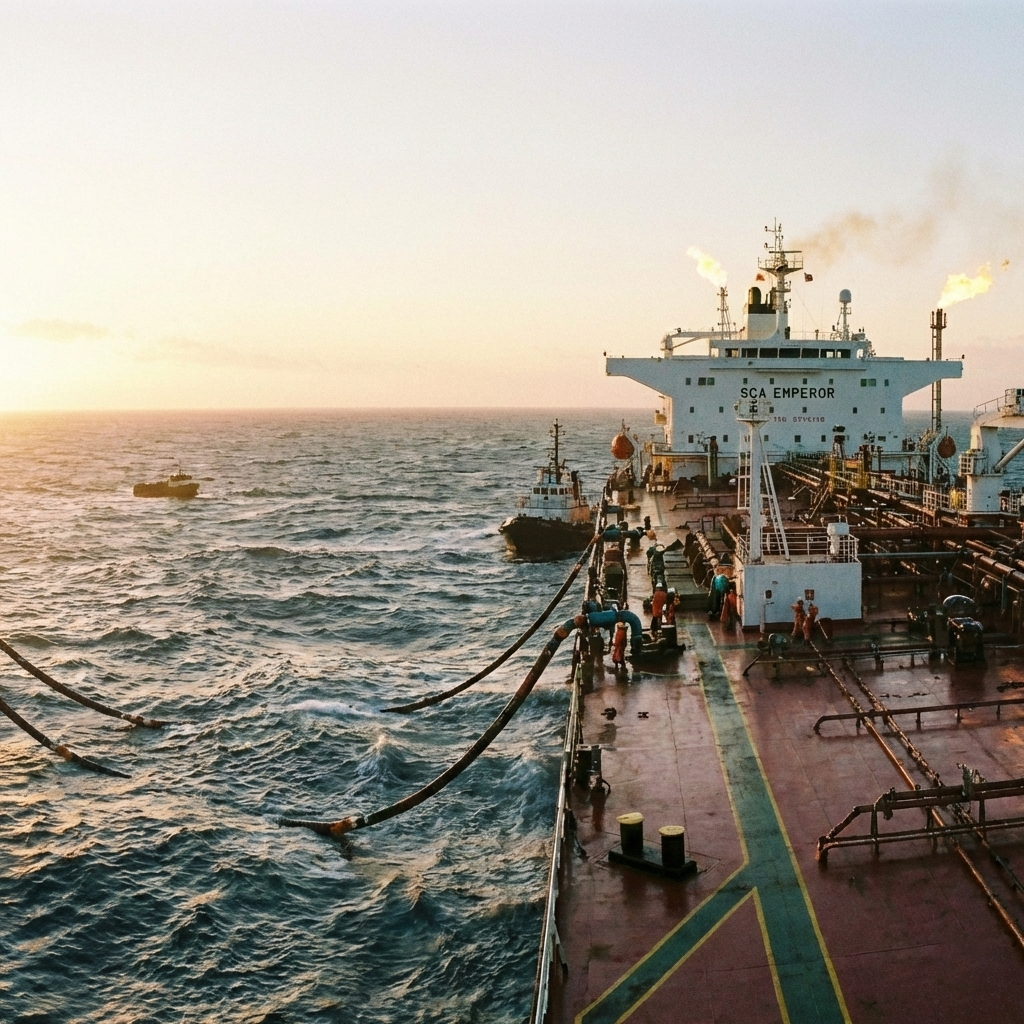
Consequently, in recent years, explosion-proof lighting on oil tankers has shifted from being merely “compliance-driven” to a standard configuration in design and retrofit projects. This trend is driven not only by stricter regulations but also by reassessments of actual safety risks by shipowners, shipyards, and classification societies.
Table of Contents
Core Certification Systems for Explosion-Proof Lighting
In oil tanker applications, ATEX and IECEx are the two internationally recognized certification systems. By taking into account both the regulatory requirements and the technical consistency, they are able to guarantee safety. It is very important to know the differences and the application logic of the systems in order to choose the explosion proof lighting and also to set the technical specifications.
ATEX Directive
ATEX is the European Union’s mandatory regulatory framework for equipment in explosive atmospheres. Its main goal is to prevent equipment from being an ignition source in the environment where flammable gases, vapors, or dust are present.
Main factors for oil tankers:
- Ignition protection design: The enclosure shall not allow any internal electrical sparks or arcs to ignite the surrounding flammable gases.
- Surface temperature management: The highest surface temperature must be kept below the ignition point of the flammable gas (T-rating, e.g., T4 = 135°C).
- Fault safety: The equipment must still be safe under abnormal operation conditions.
For oil tankers with EU flag or ships built in Europe, ATEX certified lighting is required. ATEX certification is still recognized as the baseline standard even though it is outside the EU waters.
IECEx Certification
IECEx is an international certification system that the International Electrotechnical Commission (IEC) has set up to standardize the technical evaluation criteria for explosion-proof devices across the globe.
Key features and advantages:
- Emphasis on technical testing and documentation consistency
- Transparent and traceable certification process
- Recognized by most classification societies and port authorities globally
Suitable for international shipping, multi-flag fleets, and long-term global deployment of vessels. In practice, relying on a single certification often cannot cover international operational environments. Dual-certified ATEX + IECEx lamps are increasingly preferred for both new-build and retrofit oil tankers.
Hazard Zone Classification and Lamp Selection
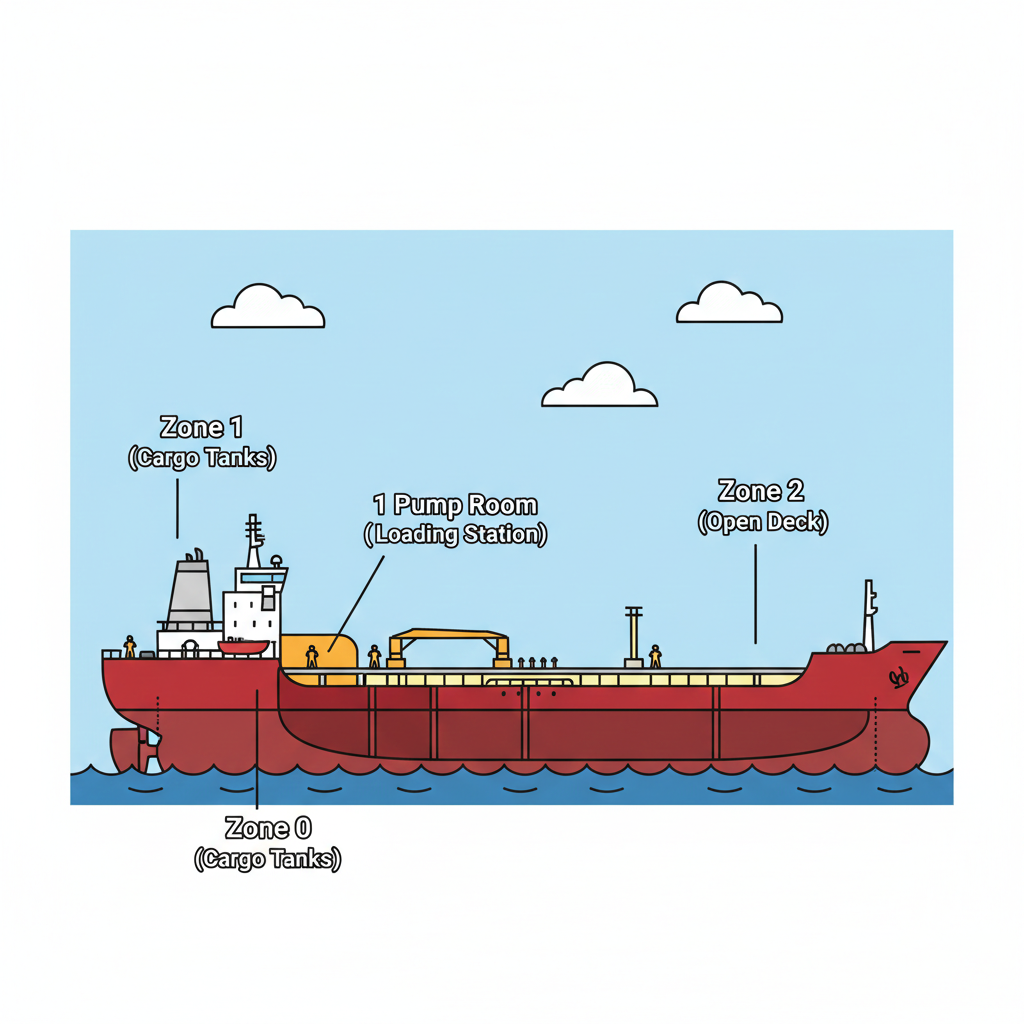
On oil tankers, hazard zone classification directly determines the required explosion-proof rating, structure, and installation method of lighting equipment. Misunderstanding zone classification may lead to safety hazards.
| Zone | Explosive Gas Presence | Typical Locations on Oil Tankers | Lamp Design Focus | Explosion-Proof Lamp Requirements |
| Zone 0 | Gas continuously present | Cargo tanks | Extremely high ignition risk; electrical devices restricted | Fixed lamps usually not installed; only specialized portable explosion-proof lamps allowed; must meet highest protection (Ex ia IIC T6) |
| Zone 1 | Gas likely during normal operations | Pump rooms, cargo manifold areas | Surface temperature control, structural explosion protection, drive stability | ATEX/IECEx certified lamps required; emphasize low heat rise, high reliability, and redundant safety features |
| Zone 2 | Gas present only during abnormal conditions | Deck areas, around cargo pipelines | Corrosion resistance, vibration resistance, long-term stability | Explosion-proof lamps must control potential ignition sources and be suitable for marine environments |
LED Explosion-Proof Lighting: The Central Aspect of Modernization
LED lighting has turned out to be the preferred selection for lighting in the oil tanker explosion-proof area. The benefits of LED lighting include not only the less power consumption but also the safety, reliability, and total lifecycle cost.
Safety Advantages
On oil tankers, LED explosion-proof lightings are a great safety choice. Their low voltage and low power consumption are the main causes for lowering the risk of electrical sparks and discharges that are not normal thus leading to the elimination of potential ignition sources at the source. Secondly, the lamps maintain a controlled and constant surface temperature below the ignition point of flammable gases and hence the safety margin is increased. Additionally, compact structure and optimized heat dissipation permit the lamps to survive high temperatures, continuous operation and vibration thus guaranteeing long term operational stability. Lastly, LED lamps present high reliability and low maintenance, making failure less likely and maintenance less demanding which in turn results in constant and trustworthy lighting for the ships.
Typical Technical Parameters for Industry-Standard LED Explosion-Proof Lamps
| Parameter | Example |
| Explosion-proof rating | Ex d IIC T6 Gb / Ex tb IIIC T85°C Db |
| Protection rating | IP66 / IP67 |
| Luminous flux | 1000–5000 lm |
| Operating voltage | 24–220V AC/DC |
| Lifespan | ≥50,000 hours |
| Operating temperature | -40°C to +55°C |
New-Build Oil Tankers vs. Retrofit Oil Tankers: The Main Differences
New-build Oil Tankers
The explosion-proof lighting is installed at the beginning of the design. Together with the ship structure, energy efficiency, and safety management systems, the lamp layout, zone classification, and ATEX/IECEx certification requirements can be optimized for long-term operational stability, thus making it one of the main benefits of new-build oil tankers.
Retrofit Oil Tankers
Retrofits must limit downtime, mitigate installation risk, and synchronize with other upgrade projects, as they are primarily dictated by the existing structure and wiring. The focus is on flexibility and upkeep convenience.
Though both methods share the goal of safety enhancement, the logic behind the implementation varies: new constructions rely on integrated design while adaptations do so via safe modification.
Conclusion
To sum up, the replacement of explosion-proof lighting on oil tankers is not merely a question of keeping up with the regulations; it is a major move towards operational safety, reliability, and long-term risk management. Following the hazard zone classes precisely, picking lamps that are ATEX and IECEx certified, and taking full advantage of LED technology, shipowners and operators will be able to lower the potential ignition risks considerably while at the same time increasing the performance of the vessel. In either new building or retrofitting, a well-designed explosion-proof lighting system is able to give both the user and the operation a sense of confidence, and that is why it becomes a necessary aspect of the design and operation of the modern oil tanker.