Marine Adaptive Lighting Solutions: Improving Ship Safety and Energy Efficiency
Adaptive lighting for ships is becoming increasingly important in modern ship design as energy efficiency, automation, and environmental compliance gain priority. Onboard lighting systems now play a broader role than basic illumination, influencing operational safety, energy consumption, maintenance workload, and long-term operating costs.
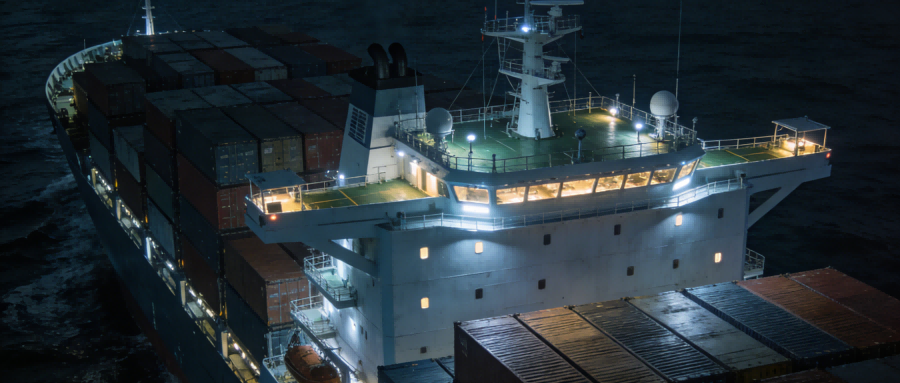
Adaptive lighting provides a smart and efficient way to reduce energy consumption, improve safety, and support environmental compliance on modern ships.
Table of Contents
Why Adaptive Lighting Has Become a Key Design and Operational Issue
For shipbuilders and shipowners, lighting systems are no longer a minor onboard accessory. As vessels grow larger and more automated, lighting plays a more visible role in daily operations and overall energy management. Adaptive lighting allows ships to respond more effectively to changing operational conditions rather than relying on fixed-output illumination.
Rising fuel prices, stricter environmental regulations, and higher expectations for automation systems are forcing the maritime industry to rethink traditional lighting approaches. Conventional fixed-output lighting systems often consume unnecessary power, require frequent maintenance, and lack flexibility in real operating conditions.
As a result, adaptive lighting is increasingly viewed as a core component of intelligent and sustainable ship design.
Key Challenges in Ships Without Adaptive Lighting
High Energy Consumption and Operating Costs
Lighting systems operate for long periods on most vessels, particularly during nighttime navigation, port stays, cargo handling, and offshore operations. Without adaptive lighting, traditional systems typically run at constant brightness even when full illumination is unnecessary.
For shipowners, excessive lighting power consumption directly increases daily operating expenses and reduces overall energy efficiency. For shipbuilders, it creates additional pressure when designing electrical and power management systems, making it more difficult to meet efficiency targets and balance onboard energy distribution.
Increasing Regulatory and Environmental Pressure
Environmental regulations related to emissions, energy efficiency, and light pollution are becoming increasingly strict. Vessels operating near ports, coastal waters, and environmentally sensitive areas are under growing scrutiny to reduce their environmental footprint, including unnecessary or excessive artificial lighting that may disturb marine ecosystems.
Many conventional lighting systems offer limited control options, making it difficult to adapt to changing regulatory and environmental requirements. As a result, shipowners may face higher compliance costs, while shipbuilders must find practical solutions that align with both regulatory standards and sustainable vessel design.
Operational Safety and Crew Workload
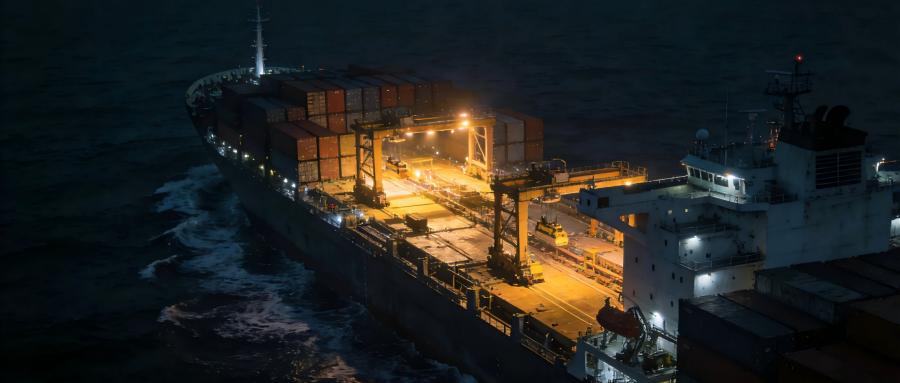
Safe navigation and efficient onboard operations depend heavily on appropriate illumination. Fixed-output lighting systems do not adapt well to changing conditions, such as shifts in weather, visibility, onboard activities, or voyage phases. This can lead to glare, uneven lighting, shadows, or insufficient visibility in critical areas.
As crew sizes decrease and vessel automation increases, adaptive lighting becomes essential. It supports safe operations by adjusting illumination automatically, reducing the need for constant manual control and lowering crew workload.
Maintenance Burden and Life cycle Costs
Frequent lamp replacement and unexpected lighting failures significantly increase maintenance workload and operational downtime. Marine environments expose lighting equipment to vibration, humidity, salt spray, and temperature changes, accelerating wear and reducing service life.
For large vessels or ships operating in remote or offshore locations, accessing and maintaining lighting systems can be time-consuming and costly. Together, these issues increase life cycle costs and expose the practical limitations of traditional lighting systems.
Key Benefits of Adaptive Lighting in Marine Applications
Adaptive lighting systems address these limitations by adjusting illumination in response to real operating conditions on board, rather than operating at a fixed output. By adjusting light output based on actual demand, adaptive lighting helps shipbuilders and shipowners address energy, safety, environmental, and maintenance challenges more effectively.
Reducing Energy Consumption and Operating Costs
Adaptive lighting delivers illumination only when and where it is needed. Light levels automatically adjust based on factors such as time of day, operational activity, and ambient conditions, avoiding continuous full-output operation. In inactive areas, lighting can be dimmed or switched off entirely.
This demand-based approach reduces overall electrical load, leading to lower fuel consumption and reduced daily operating costs. For shipbuilders, adaptive lighting simplifies energy system planning and supports more efficient power distribution across the vessel.
Supporting Environmental Compliance and Sustainability Goals
By minimizing unnecessary lighting, adaptive lighting helps vessels reduce light pollution, especially during port operations or when sailing near coastal and environmentally sensitive areas. Combined with energy-efficient LED technology, adaptive lighting contributes to lower emissions and improved overall energy efficiency.
These features make it easier for shipbuilders to design vessels that align with environmental regulations, while shipowners benefit from reduced compliance risks and stronger sustainability performance.
Improving Safety with Responsive Illumination
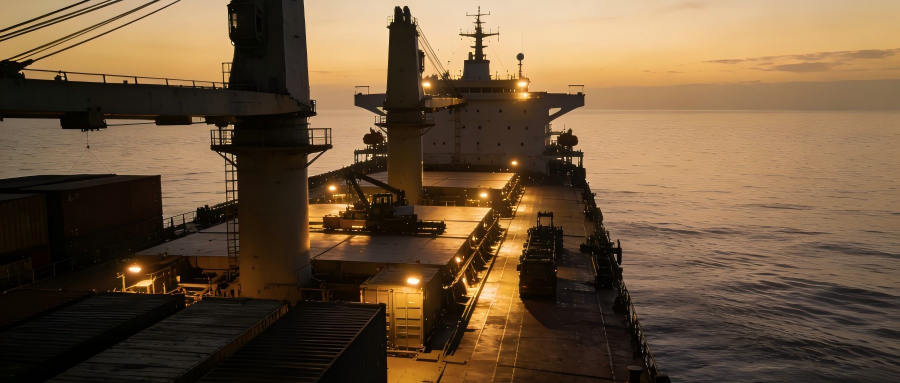
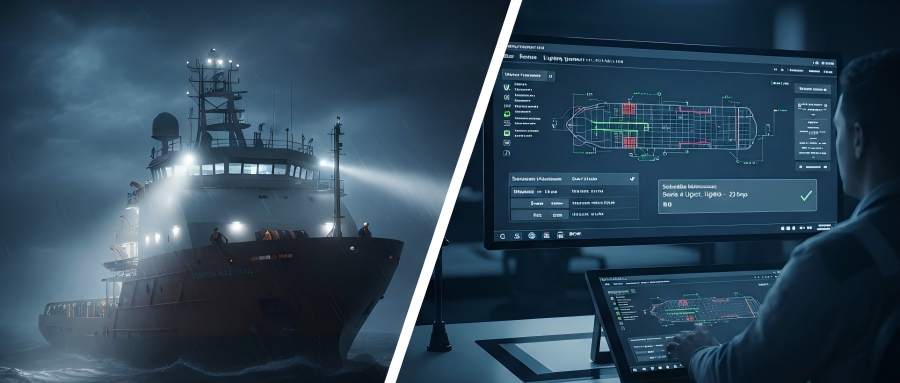
Adaptive lighting enhances onboard safety by responding quickly to changing operational conditions. Light intensity and distribution can be adjusted to maintain clear visibility during navigation, cargo handling, or maintenance work, even in challenging weather or low-visibility environments.
For vessels with high automation levels or reduced crew sizes, adaptive lighting ensures consistent and reliable illumination without constant manual intervention, supporting safer and more efficient operations.
Lowering Maintenance Effort and Life cycle Costs
Adaptive lighting systems typically use long-life LED light sources and intelligent monitoring functions. System performance can be tracked continuously, allowing early detection of potential issues and planned maintenance before failures occur.
This reduces unexpected downtime, lowers maintenance workload, and helps shipowners control life cycle costs. For vessels operating offshore or in remote regions, fewer maintenance interventions translate directly into operational efficiency and cost savings.
Conclusion
Adaptive lighting addresses many of the most critical challenges faced by shipbuilders and shipowners today. By reducing energy consumption, supporting environmental compliance, improving safety, and lowering life cycle costs, adaptive lighting delivers clear operational and economic benefits.
As ship technology continues to evolve, adaptive lighting is increasingly recognized as an integral part of efficient, safe, and intelligent vessel design.